Cecilia Chamidah Nur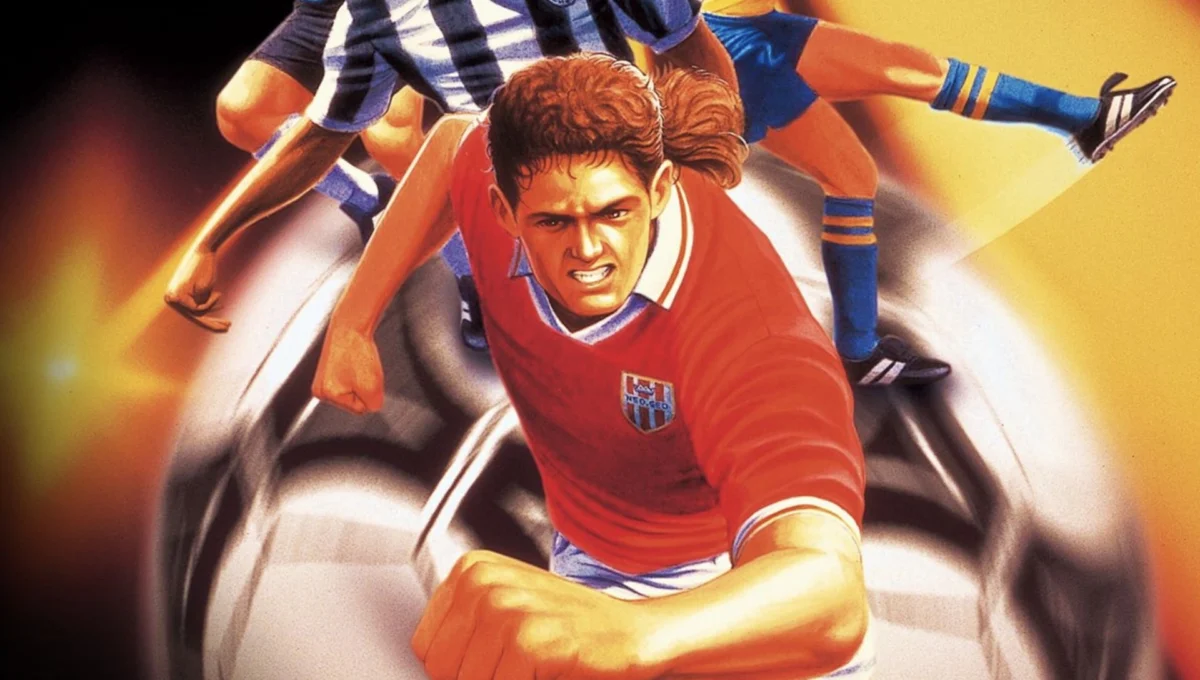
In a significant move poised to delight long-time enthusiasts and introduce a new generation to a celebrated era of gaming, Plaion, in collaboration with original creator SNK, has officially announced the impending re-release of the legendary Neo Geo AES console. Dubbed the Neo Geo+, this modern iteration of the classic hardware aims to bridge the gap between nostalgic authenticity and contemporary convenience. Priced at $250, the console promises full compatibility with existing AES game cartridges while incorporating crucial modern improvements, most notably HDMI output, to ensure seamless integration with modern display technologies.
The initial launch of the Neo Geo+ is slated to include a curated selection of ten repackaged games from the system’s historically enviable library. Among the titles confirmed to accompany the console’s debut are fan favorites such as the iconic run-and-gun shooter Metal Slug, the surprisingly deep golf simulation Neo Turf Masters, and the highly competitive fighting game King of Fighters 2002. However, in an intriguing development that underscores a potential shift towards community-driven content selection, Plaion’s Spanish social media account has initiated an open dialogue with the gaming public, actively soliciting suggestions for future game releases.
The Neo Geo+: A Modern Revival of a Premium Classic
The announcement of the Neo Geo+ marks a pivotal moment for a console often referred to as the "Rolls Royce of gaming" during its original run. First introduced by SNK in 1990, the Neo Geo Advanced Entertainment System (AES) was distinct for bringing arcade-perfect conversions directly into homes. This unparalleled fidelity came at a substantial cost, with the console itself retailing for upwards of $650 (equivalent to over $1,500 today when adjusted for inflation) and individual game cartridges often fetching prices between $200 and $300, making it an exclusive luxury item for dedicated enthusiasts and affluent collectors. Its prohibitive price point ensured a niche but incredibly passionate following, cementing its status as a technological marvel and a testament to SNK’s ambition.
The Neo Geo+ aims to recapture this premium feel while making the experience more accessible for contemporary audiences. The inclusion of HDMI output is a critical enhancement, addressing one of the primary frustrations for modern retro gamers attempting to connect vintage hardware to high-definition televisions. Original Neo Geo AES consoles typically outputted via composite or S-Video, signals that can appear blurry, desaturated, or distorted on modern flat-panel displays, which are designed for digital inputs. HDMI not only provides a crisp, clean digital signal but also simplifies connectivity, eliminating the need for expensive upscalers or converters that many retro enthusiasts currently rely on.
Beyond HDMI, while specific additional "modern improvements" have not been fully detailed, it is reasonable to infer that the Neo Geo+ might incorporate other quality-of-life features commonly found in contemporary retro console re-releases. These could potentially include selectable aspect ratios (original 4:3 or stretched 16:9), save state functionality for pausing progress in challenging arcade titles, and possibly updated controller ports for modern USB-compatible gamepads, though maintaining compatibility with original AES controllers would be crucial for purists. The $250 price point positions the Neo Geo+ as a premium retro console, comparable to high-end FPGA-based systems like those from Analogue, but distinctly different in its approach by leveraging original cartridge compatibility. This strategy differentiates it from "mini" consoles that rely solely on emulation and pre-loaded games, offering a more authentic experience for those who cherish their existing physical Neo Geo libraries.
The initial ten launch titles are a carefully selected cross-section of SNK’s diverse and influential arcade output. Metal Slug is celebrated for its intricate pixel art, humorous animations, and intense action. Neo Turf Masters (known as Big Tournament Golf in Japan) remains a beloved arcade golf title, praised for its intuitive controls and strategic depth. King of Fighters 2002 represents one of the peak iterations of SNK’s flagship fighting game series, revered for its robust roster and refined combat mechanics. The inclusion of these titles ensures a strong foundational library that showcases the Neo Geo’s versatility, from fast-paced action to competitive sports and fighting genres.
Community Engagement: A Strategic Play for Future Content
The most engaging aspect of this announcement, particularly for the broader gaming community, is Plaion’s proactive outreach via its Spanish social media channels. The tweet, translated from Spanish, directly posed the question: "Continuing with the Neo-Geo AES+, we’re launching this question! What game would you like to be the next one announced? And so you can see that we’re putting ourselves out there, we’ll start: #SuperSidekicks3 or #Ultimate11." This direct appeal to fans is more than a casual social media interaction; it represents a shrewd strategic move in the highly competitive retro gaming market.
While the original article cautiously labels this initiative as "almost certain to be a light-hearted spot of social media engagement," it also acknowledges that "Plaion will take note of any titles which crop up in the replies." This nuanced perspective is critical. In an era where consumer feedback can significantly influence product development and marketing strategies, such direct engagement serves multiple purposes. Firstly, it generates considerable buzz and excitement around the Neo Geo+ launch, amplifying its visibility across various gaming communities. Secondly, it acts as a direct, unfiltered market research tool, providing Plaion with invaluable data on consumer preferences. Understanding which titles are most desired by the community can directly inform future game repackaging decisions, prioritize licensing efforts, and ultimately maximize sales potential for subsequent waves of releases.
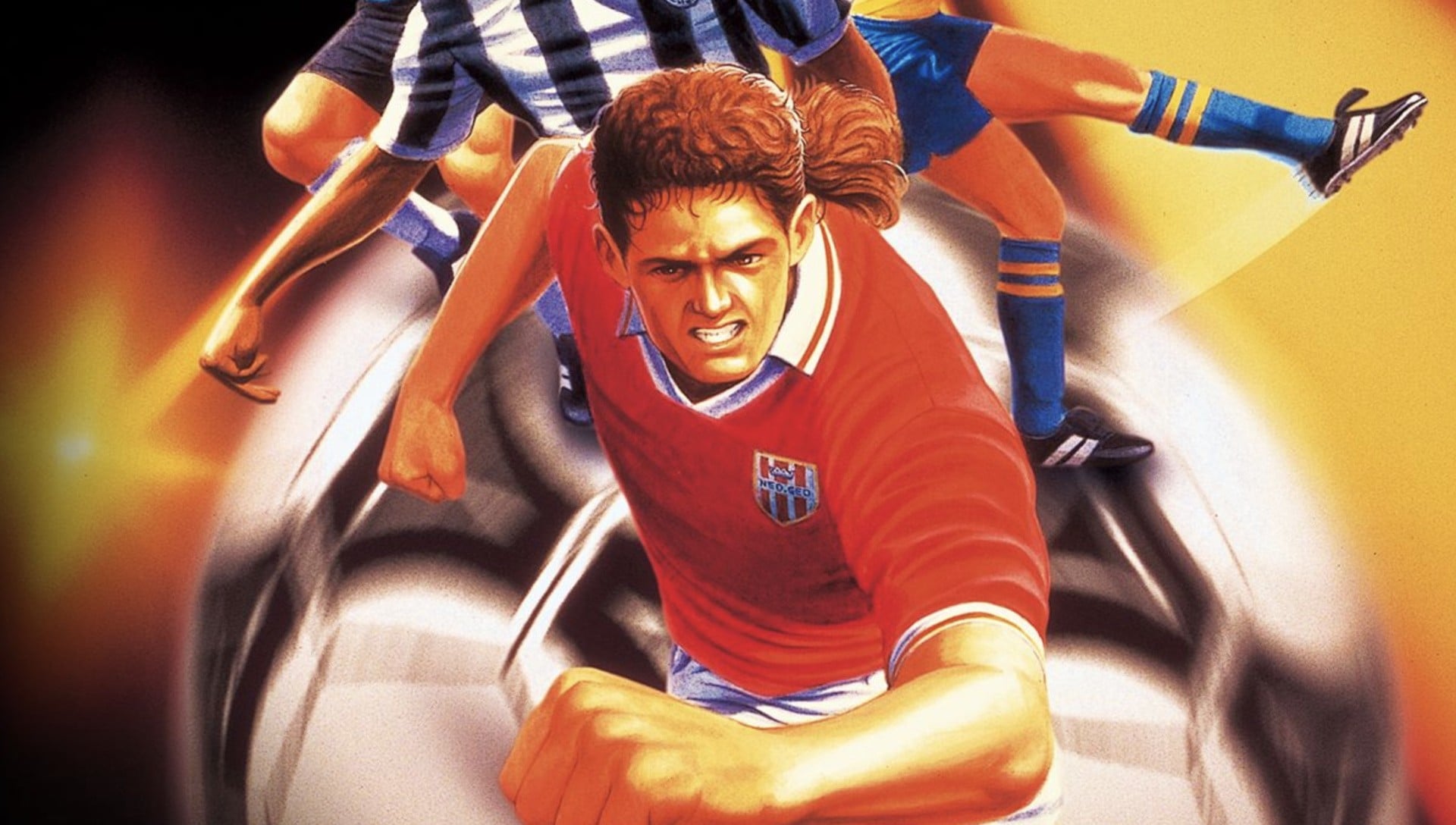
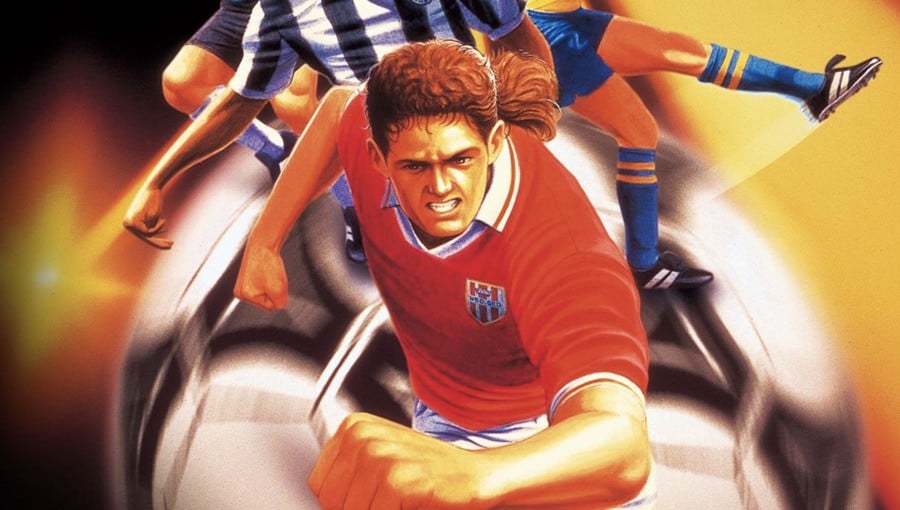
The suggestion of Super Sidekicks 3 or Ultimate 11 by Plaion itself provides insight into their internal considerations. Both are entries in SNK’s popular arcade football (soccer) series, known for their fast-paced gameplay and distinctive art style. These titles represent a genre that often has broad appeal beyond the core fighting game and action enthusiasts typically associated with the Neo Geo. By offering these specific choices, Plaion might be gauging interest in expanding the initial sports offerings, or perhaps testing the waters for titles that are within SNK’s existing intellectual property (IP) portfolio and thus easier to re-release.

This approach aligns with broader trends in the gaming industry where developers and publishers increasingly leverage social media to foster community loyalty and gather actionable intelligence. Companies like Limited Run Games, known for their physical re-releases of digital-only or niche titles, often engage with their audience to determine demand for specific games, influencing their production queues. For Plaion and SNK, this community poll could be a low-cost, high-impact method to refine their content strategy for the Neo Geo+ platform, ensuring that future releases resonate deeply with their target demographic.
Navigating the Complexities of Retro Licensing and IP Ownership
The enthusiasm generated by Plaion’s poll is, however, tempered by the inherent complexities of intellectual property (IP) ownership in the retro gaming landscape. As the original article astutely points out, "some of the Neo Geo’s best games – such as the legendary Windjammers – might be out of the equation as the IP isn’t owned by SNK." This single sentence opens up a critical discussion about the challenges involved in bringing back beloved classics.
The Neo Geo, like many other consoles of its era, hosted games developed and published by various entities. While SNK was both the platform holder and a prolific developer, a significant portion of its library consisted of titles from third-party developers or games where SNK held publishing rights but not necessarily full IP ownership. Windjammers, for instance, was developed by Data East, a company that went bankrupt in 2003. Its assets, including game IPs, were subsequently acquired by various entities over the years. The rights to Windjammers were eventually secured by Dotemu, who successfully revived the game with new releases and ports. This scenario exemplifies the fragmented nature of retro game IP.
For Plaion and SNK, this means their ability to re-release games is largely confined to titles where SNK retains full ownership of the intellectual property. SNK’s extensive catalog includes its most prominent fighting game franchises like The King of Fighters, Fatal Fury, Samurai Shodown, and Art of Fighting, as well as action series like Metal Slug and sports titles such as Super Sidekicks and Neo Turf Masters. These titles are relatively straightforward to repackage and re-release, as the necessary rights are consolidated.
However, many other cherished Neo Geo games fall outside this direct ownership. Titles developed by companies that have since dissolved, been acquired, or sold off their IPs pose significant hurdles. Tracking down current rights holders, negotiating licensing agreements, and clearing any associated legal or financial obstacles can be a time-consuming, expensive, and often fruitless endeavor. This is further complicated by elements like music rights, which may have been licensed separately and could require renegotiation.
Despite these challenges, the article optimistically notes an "outside chance that some kind of deal could be struck in these cases." Indeed, the retro gaming market has seen numerous instances where complex licensing agreements have been successfully negotiated. Companies specializing in retro game preservation and re-releases, such as Hamster Corporation (known for their Arcade Archives series) or M2 (for their M2 ShotTriggers series), have proven adept at navigating these legal labyrinths. These deals often involve substantial upfront costs or royalty agreements, making the economic viability of such pursuits a key consideration. For a high-profile re-release like the Neo Geo+, the potential for significant sales could justify the investment in acquiring rights for particularly sought-after third-party titles, but it remains a considerable hurdle. The community’s feedback could, in theory, highlight titles with such overwhelming demand that pursuing complex licensing becomes economically justifiable.
The Broader Landscape of Retro Gaming and Its Future
The Neo Geo+ re-release and Plaion’s community engagement initiative do not exist in a vacuum; they are part of a vibrant and continually expanding retro gaming market. This market is driven by a confluence of factors: nostalgia from an aging demographic of gamers, a growing appreciation for gaming history, and the increasing accessibility of classic titles through various modern platforms.
The past decade has seen a proliferation of "mini" consoles from major players like Nintendo (NES Classic Edition, SNES Classic Edition) and Sega (Genesis Mini, Astro City Mini), which offer emulated libraries of classic games in compact form factors. While popular, these often cater to a more casual audience, and their emulation-based approach sometimes falls short of the expectations of purists. Simultaneously, boutique companies like Analogue have carved out a niche for high-end FPGA-based systems (e.g., Analogue Pocket, Analogue Mega Sg) that meticulously recreate original hardware functionality at a transistor level, offering unparalleled authenticity for original cartridges but at a higher price point and often with limited availability.
The Neo Geo+ positions itself somewhat uniquely within this landscape. By supporting original AES cartridges and offering modern connectivity, it appeals directly to collectors who already possess a library of expensive Neo Geo games and desire a seamless, authentic way to play them on modern displays. Its $250 price point places it above the mass-market mini consoles but below the most exclusive FPGA solutions, striking a balance between premium quality and relative accessibility for its target demographic.
Moreover, the digital distribution landscape continues to evolve, with services like the Nintendo Switch Online + Expansion Pack offering classic N64 and Sega Genesis games, and individual publishers re-releasing their back catalogs on modern digital storefronts. This multifaceted approach to retro gaming ensures that players have more choices than ever, from budget-friendly emulation to high-fidelity hardware solutions.

Implications for SNK, Plaion, and the Preservation of Classic Gaming
For SNK, this collaboration with Plaion represents a significant opportunity to reinvigorate its legacy and monetize its rich IP catalog. While SNK has consistently maintained a presence in the fighting game genre, particularly with The King of Fighters series, the Neo Geo+ allows them to directly tap into the burgeoning retro hardware market. This move not only generates revenue from hardware sales and repackaged titles but also serves to reintroduce SNK’s iconic brand and its historical contributions to a wider audience, potentially fostering interest in its contemporary releases. It’s a strategic investment in their heritage, reinforcing their position as pioneers in arcade and console gaming.
For Plaion, formerly known as Koch Media, venturing into the retro hardware space with such a high-profile console diversifies their portfolio beyond traditional publishing and distribution. It positions them as a key player in the growing retro market, potentially opening doors for future collaborations on other classic systems or IP. The success of the Neo Geo+ could pave the way for Plaion to become a go-to partner for other companies looking to revive their classic hardware or game libraries, leveraging their distribution network and marketing expertise.
Ultimately, this initiative contributes positively to the broader cause of video game preservation. By providing officially sanctioned, modern hardware that supports original media, Plaion and SNK are offering a viable, high-quality avenue for experiencing gaming history. While digital emulation plays a crucial role, physical hardware re-releases ensure that the tactile experience and the context of original media are not lost. The community engagement aspect further strengthens this, as it empowers players to have a direct say in which pieces of gaming history are brought back into the spotlight.
As the retro gaming market continues to mature, the Neo Geo+ stands as a testament to the enduring appeal of classic titles and the innovative ways companies are finding to bring them to new generations. The dialogue initiated by Plaion’s social media team highlights a forward-thinking approach, recognizing that the most successful revivals are those that listen to and engage with the passionate communities that have kept these games alive in their hearts for decades. The future of the Neo Geo+ library may well be written by the fans themselves, ensuring that the legacy of this legendary console continues to thrive.