Retno Hari Mulyono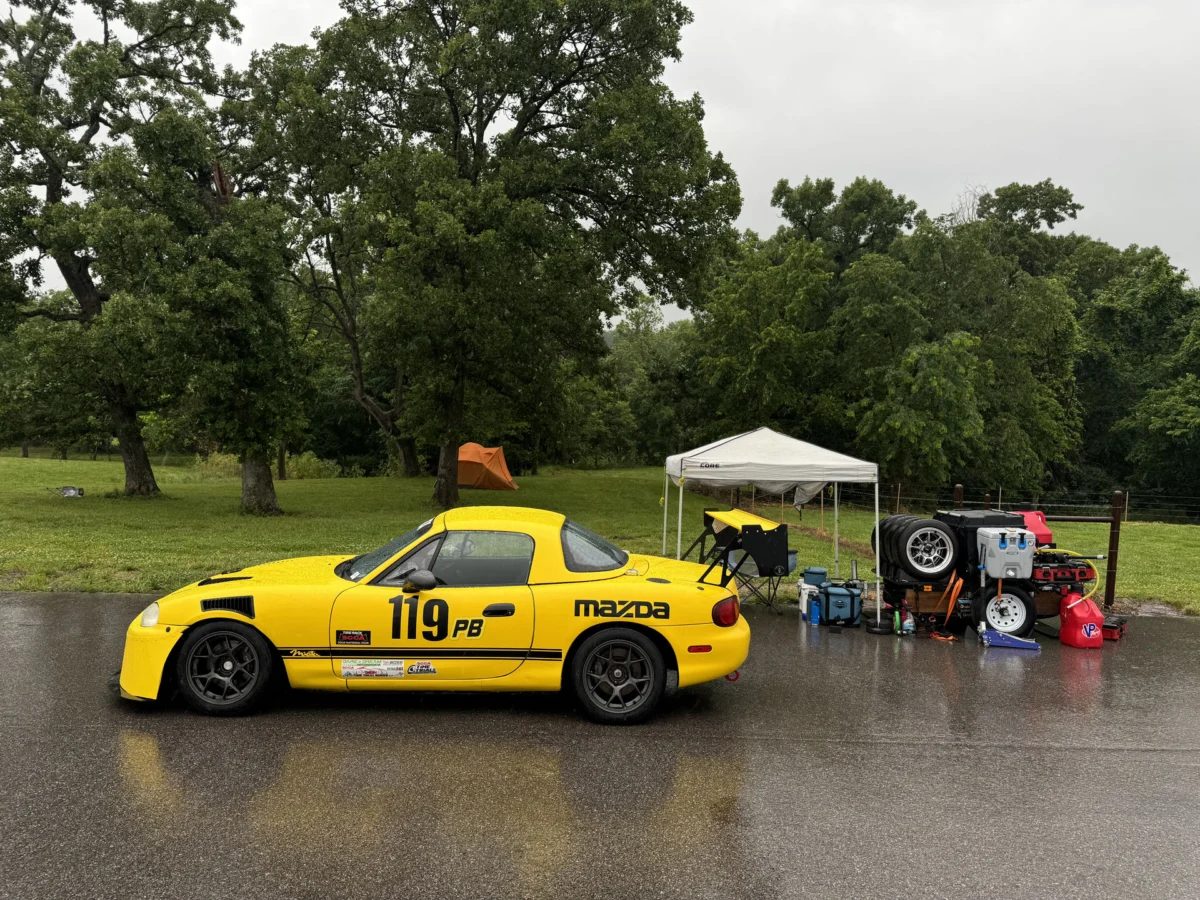
The rising popularity of amateur motorsports, specifically High-Performance Driving Events (HPDE) and autocross, has necessitated a parallel evolution in logistical solutions for participants who drive their vehicles to the track. For owners of compact sports cars, such as the Mazda MX-5 Miata, the primary obstacle to performance is the limited cargo capacity, which prevents the transport of dedicated track-day tires and essential maintenance equipment. To circumvent the limitations of street-driven performance rubber, enthusiasts are increasingly turning to the engineering and deployment of specialized tire trailers. These utility solutions allow drivers to preserve expensive, high-grip tires for the track while maintaining the safety and comfort of standard road tires during transit.
The Performance Dilemma: Why Street Driving Compromises Track Rubber
The core of the logistical challenge lies in the nature of modern ultra-high-performance tires, specifically those categorized under the 200 Treadwear (200TW) rating. While these tires are technically Department of Transportation (DOT) approved and street-legal, their chemical composition is optimized for heat-intensive track environments rather than the sustained, low-temperature friction of highway cruising.
Industry data indicates that the lifespan of a dedicated track tire is measured not just in miles, but in heat cycles. Each time a performance tire reaches its operating temperature—typically between 160°F and 220°F—and then cools, the rubber compound undergoes a chemical change, eventually becoming harder and less "sticky." Using these tires for long-distance transit to a racing venue subjects them to unnecessary heat cycles and accelerates tread wear. Furthermore, the specialized compounds used in tires like the Hankook Ventus RS4 or the Falken Azenis RT660 are notoriously poor at dispersing water. In heavy rain or near-freezing temperatures, the lack of deep siping can lead to hydroplaning or a total loss of mechanical grip, presenting a significant safety risk on public roads.
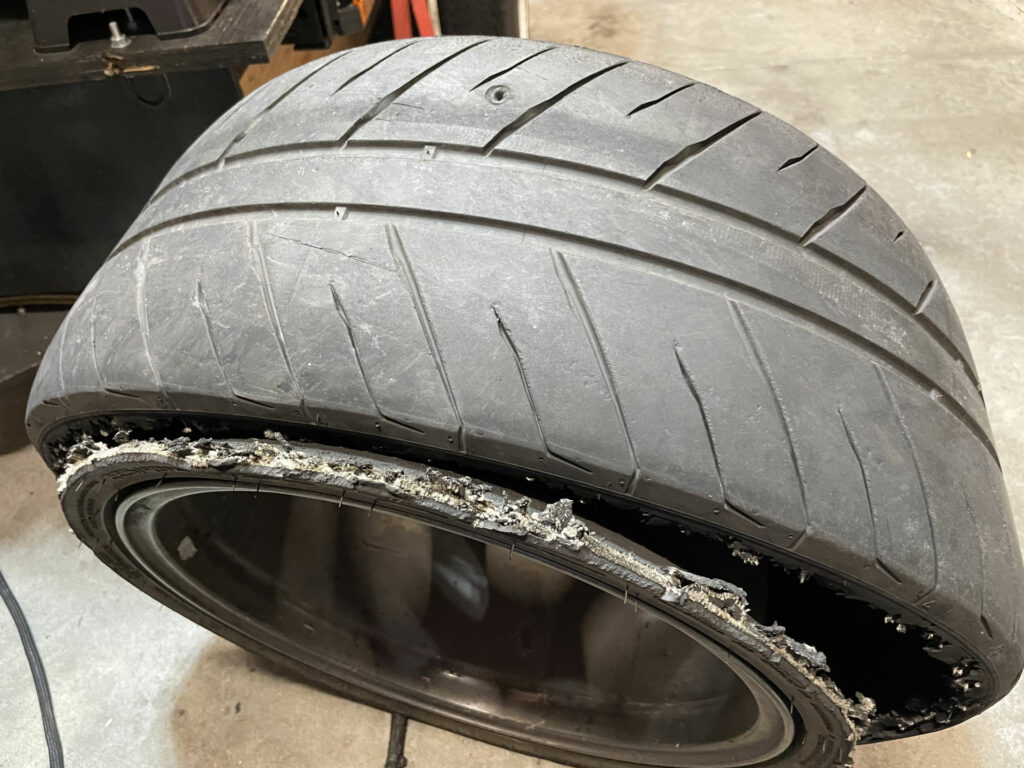
Economic factors also play a role. With a set of high-performance tires often costing between $800 and $1,400, premature wear due to street driving represents a significant financial inefficiency. Additionally, the risk of road hazards, such as nails or debris causing a blowout on the highway, can end a racing weekend before it begins.
Engineering Constraints: The Challenge of the Compact Sports Car
For drivers of larger performance vehicles, such as the Chevrolet Corvette or Porsche 911, it is occasionally possible to fit a spare set of wheels in the cabin or rear hatch. However, the Mazda Miata, a staple of the grassroots racing community, offers negligible storage space. The trunk is typically occupied by basic safety gear, leaving no room for four 15×9-inch or 17×9-inch wheels.
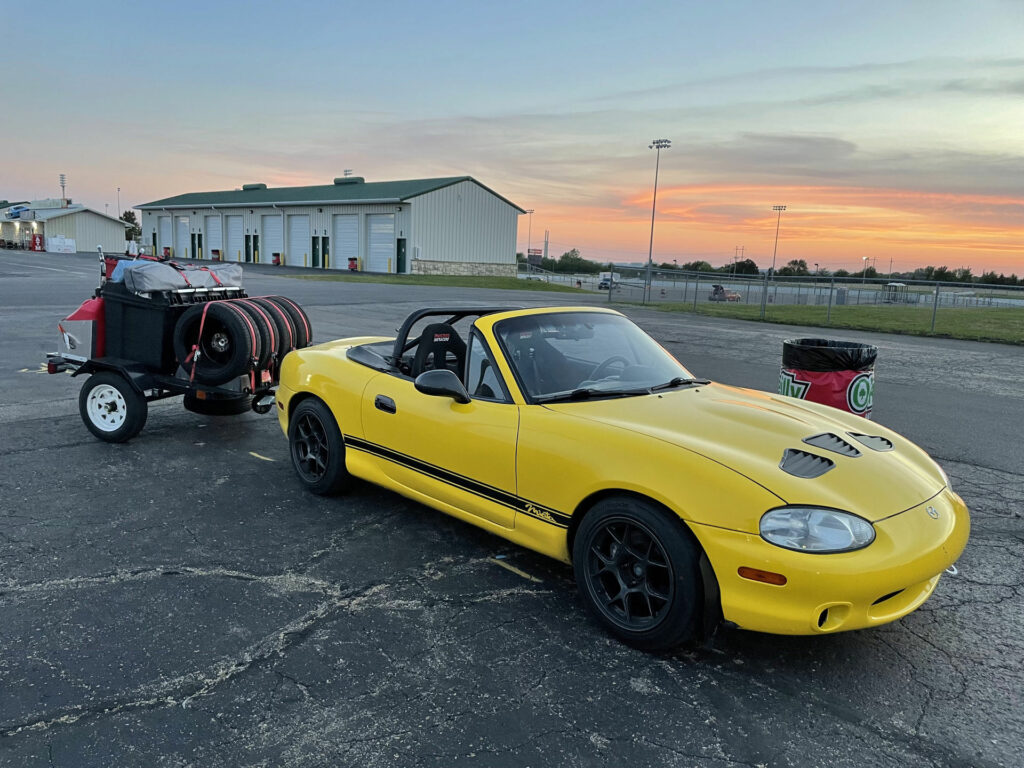
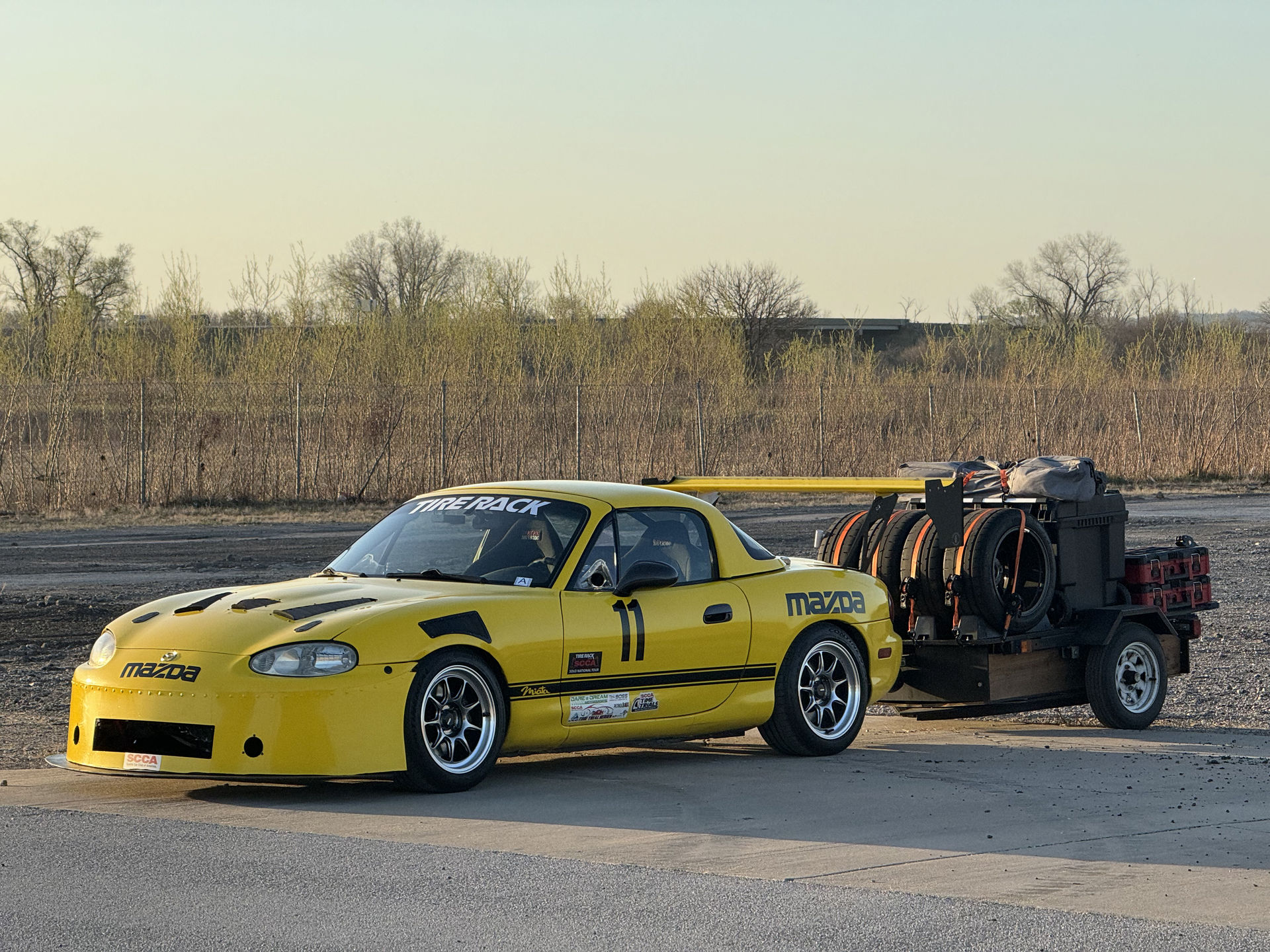
The solution is the implementation of a "tire trailer"—a lightweight, low-profile utility trailer designed to be towed by small displacement vehicles. These trailers must meet several strict criteria: they must be light enough not to overstress the vehicle’s braking and cooling systems, stable enough for highway speeds, and versatile enough to carry tires, fuel, and tools.
Development Chronology: From Frame Assembly to Field Testing
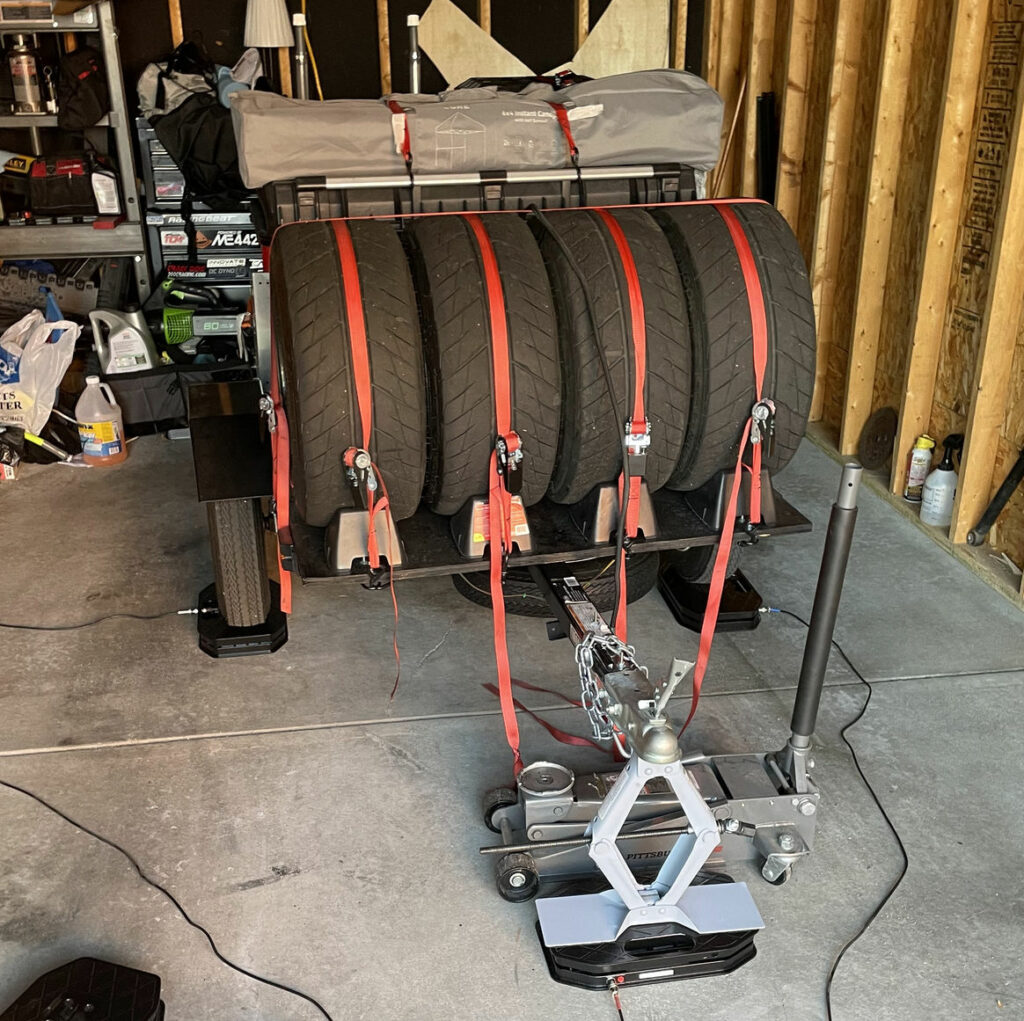
The construction of a bespoke tire trailer typically begins with a modular steel frame. Common choices among the racing community include the 40-inch by 48-inch utility frames sourced from retailers like Northern Tool or Harbor Freight. These kits are shipped in a knocked-down state, requiring the owner to perform the final assembly, including the installation of the axle, leaf springs, and lighting harness.
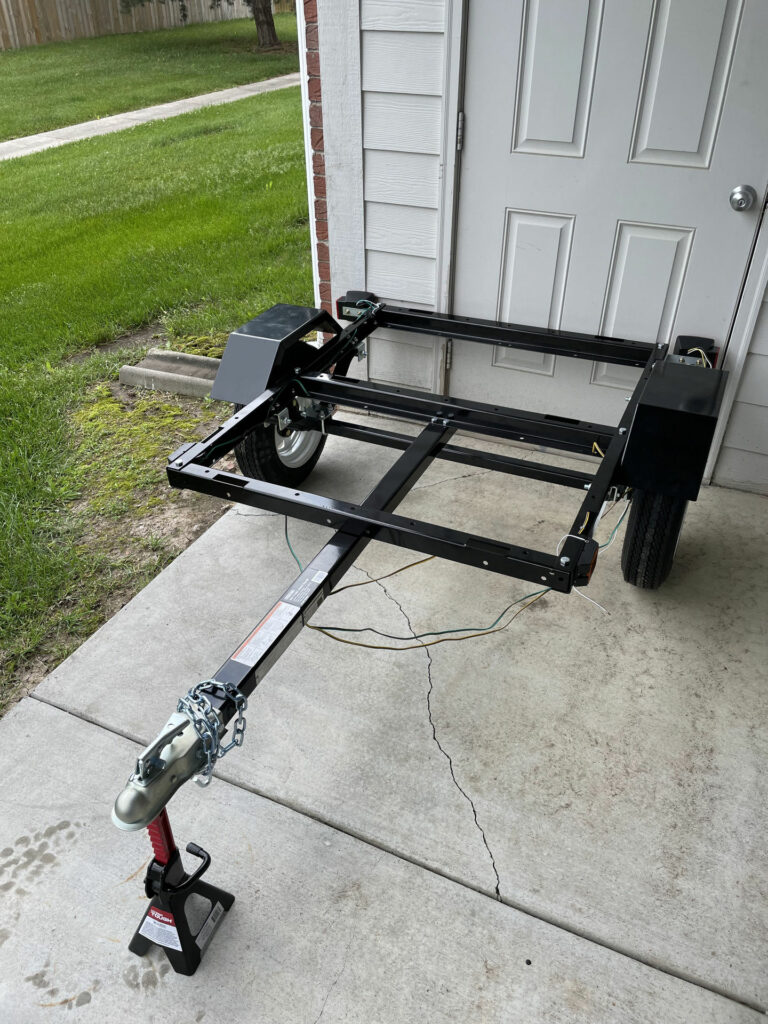
In the case of the build documented here, the developer opted for a Northern Tool frame, finished in black powder coat for superior weather resistance compared to the standard red oxide finishes found on entry-level kits. The assembly process involves a chronological progression from frame squaring to the installation of the decking.
- Foundation and Decking: The builder utilized 3/4-inch Sande plywood, treated with black exterior paint for durability. To maximize utility, the deck was designed to overhang the frame slightly, resulting in a total surface area of 62.25 inches by 40 inches. This additional width allows for a more flexible arrangement of cargo.
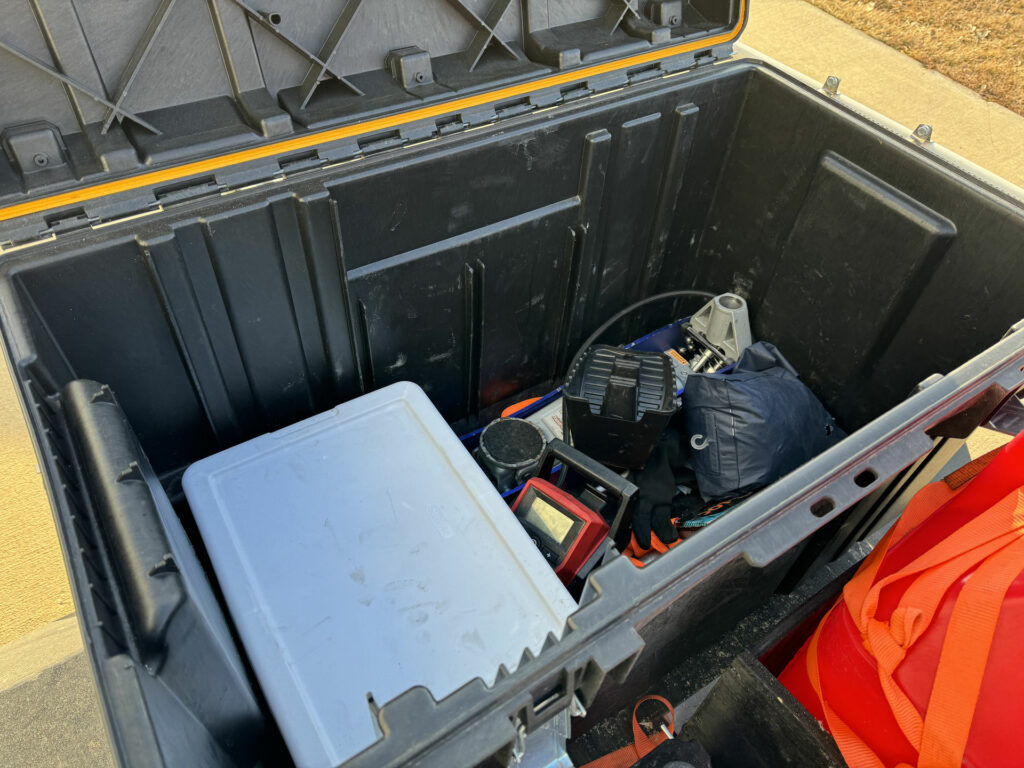
- Central Storage Integration: A heavy-duty, weather-tight toolbox, specifically a DeWalt DWST38000, was mounted directly over the axle. This placement is critical for maintaining a proper center of gravity. The box was secured using carriage bolts and aluminum load-spreading plates to prevent the hardware from pulling through the plastic casing under vibration.
- Tire Retention System: To ensure the tires remain secure under lateral G-forces and vertical oscillations, a triple-redundancy mounting system was employed. The wheels are stacked horizontally and secured by an all-thread rod passing through the center bores, a PVC pipe to protect the wheel finish, and a heavy-duty ratchet strap to prevent shifting.
Technical Specifications: Storage, Fuel, and Modular Tooling
Beyond tire transport, a successful track-day trailer must serve as a mobile pit garage. The integration of modular storage systems, such as the Milwaukee Packout or similar stackable toolboxes, has become a standard in the paddock.
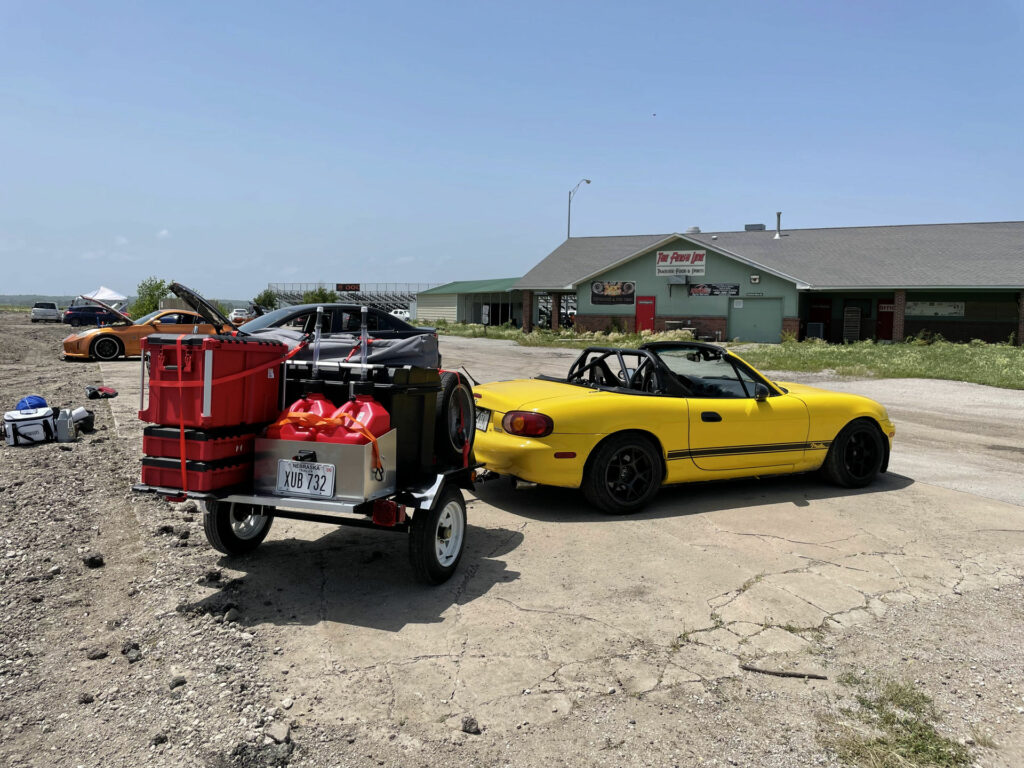
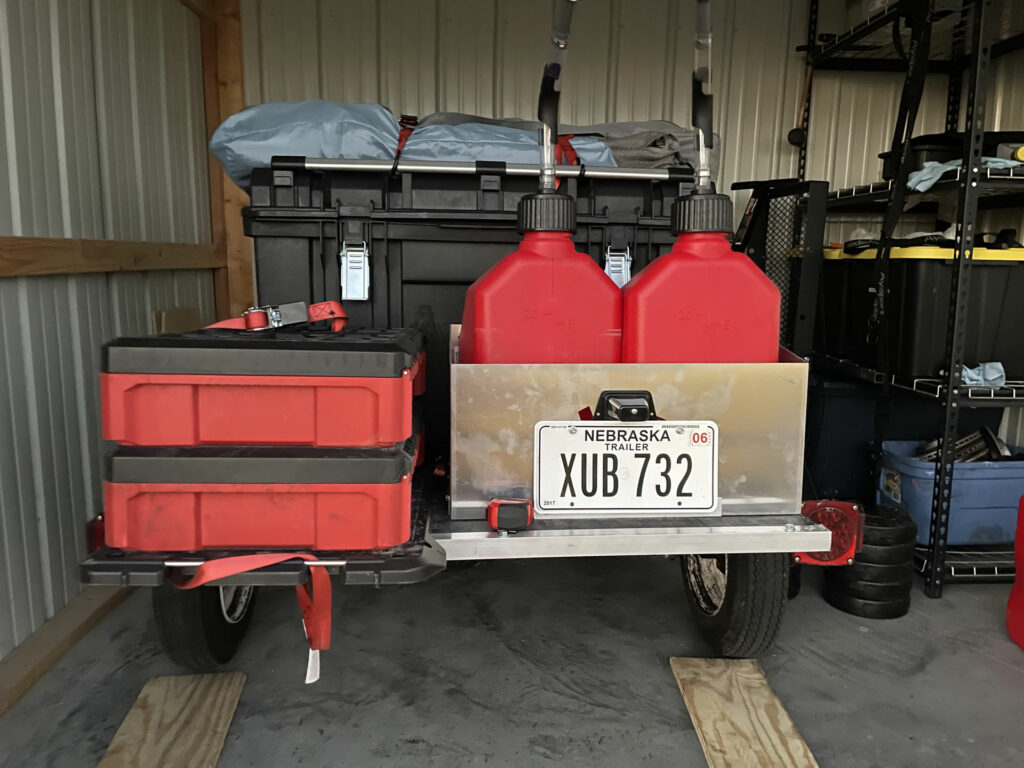
The build featured here includes a dedicated mounting point for these modular boxes, allowing the transport of hand tools, spare sensors, brake fluid, and specialized equipment like brake pad spreaders. Furthermore, the inclusion of fuel storage is a logistical necessity for cars running on E85 ethanol blends, which are often unavailable at remote racing circuits. The trailer was equipped with VP Racing mounts to secure two five-gallon fuel jugs, providing the 10 gallons of extra fuel often required for a full day of high-consumption track driving.
As the build matured, the developer identified a need for even greater fuel capacity. This led to the installation of a 15-gallon Flo-Fast container. To manage the weight and safety of this larger volume, a custom plywood cradle was bolted to the deck, and a manual hand-crank pump was integrated to facilitate the transfer of fuel into the vehicle without the need for heavy lifting.
Iterative Improvements: Enhancing Durability and Capacity
After approximately 3,000 miles of field testing, the trailer underwent a series of technical upgrades to address weaknesses identified during long-distance transit.
The Lower Deck Modification
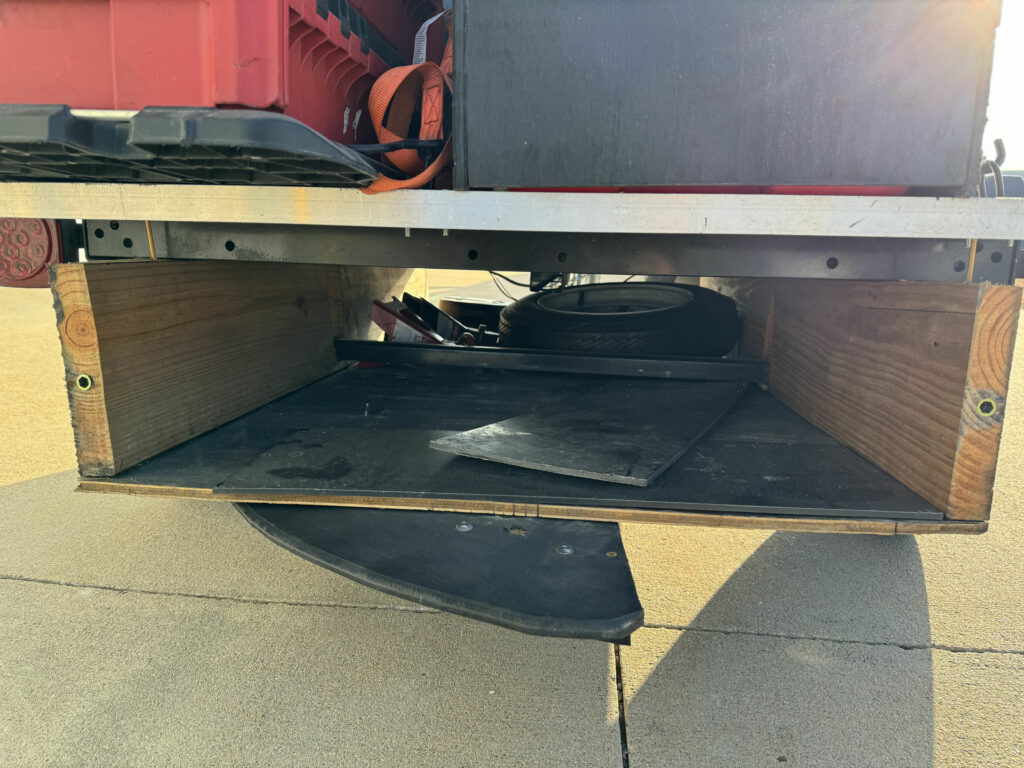
To lower the center of gravity and increase storage for heavy items like jack stands and canopy weights, a "lower deck" was engineered. This involved mounting 2×10-inch support boards below the main frame, which then supported a secondary 1/2-inch plywood floor. This sub-compartment provides a protected space for spare parts, including a secondary front splitter for the car, which is susceptible to damage during high-speed track sessions.
Transition to Radial Tires
Most entry-level utility trailers are equipped with bias-ply tires, which are cost-effective but prone to heat buildup and flat-spotting during prolonged highway use. The builder upgraded the trailer’s rolling stock to 145R12 radial tires. Radial construction allows for better heat dissipation and more stable tracking. Data from the builder indicated that this change resulted in significantly lower hub and bearing temperatures, which is vital for long-distance reliability.
Economic and Safety Analysis: The DIY vs. Commercial Market
While the DIY approach allows for maximum customization at a cost of roughly $500 to $1,000 (depending on accessories), there is a premium market for pre-engineered solutions. Companies like Leroy Engineering produce high-end tire trailers featuring independent torsion axles, high-speed bearings, and automotive-grade wheels. These commercial units can cost upwards of $3,000.
The choice between DIY and commercial often comes down to the user’s mechanical aptitude and the intended frequency of use. For the average HPDE participant, the DIY trailer represents a highly effective middle ground. However, safety remains the paramount concern. Proper tongue weight—typically 10% to 15% of the total trailer weight—must be maintained to prevent "trailer sway," a dangerous oscillation that can cause the towing vehicle to lose control. For a Mazda Miata, which has a limited towing capacity, keeping the total trailer weight (including cargo) under 800-1,000 lbs is essential for vehicle longevity and safety.
Broader Implications for the Amateur Motorsports Industry
The proliferation of tire trailers reflects a broader trend in the automotive world: the "drive-it-to-the-track" philosophy. While professional teams utilize multi-car haulers and semi-trucks, the amateur community relies on ingenuity to bridge the gap between a daily driver and a dedicated race car.
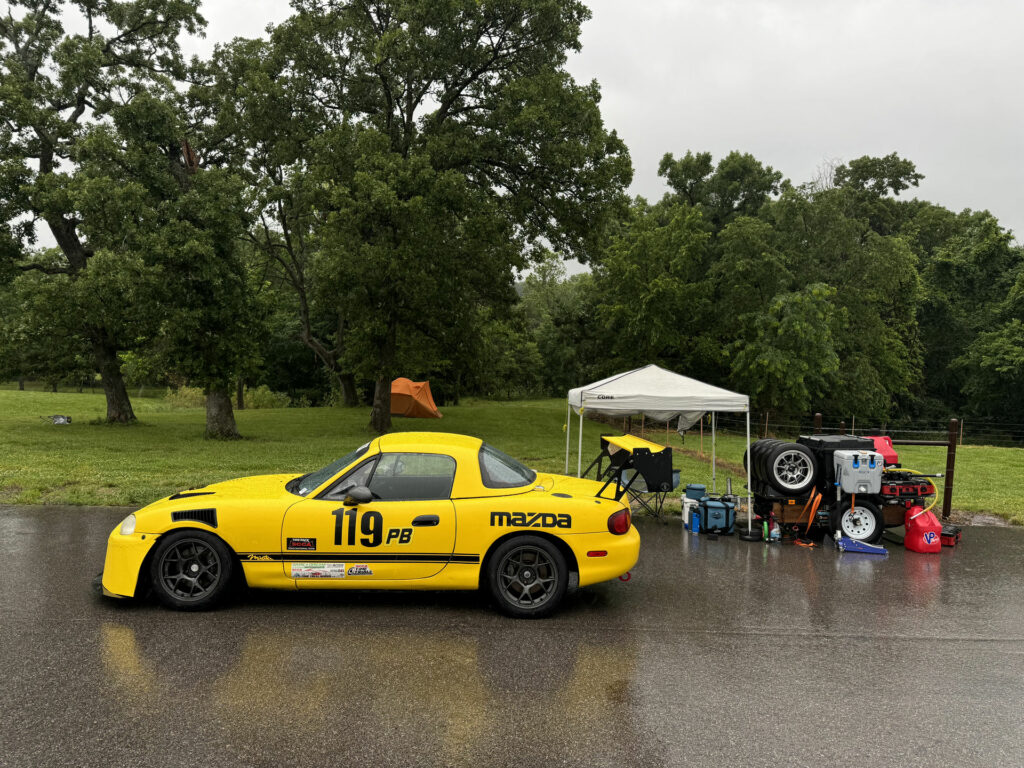
The tire trailer solution allows a driver to maintain a "streetable" car that can still compete at a high level. By separating the track tires from the transit process, enthusiasts can participate in events hundreds of miles away without the logistical burden of owning a dedicated towing truck and a full-size car trailer.
In recent years, the market has seen a slight shift as more enthusiasts eventually transition to full truck-and-trailer setups. As noted by the builder of this specific unit, the acquisition of a dedicated transport vehicle offers benefits in terms of loading speed and weather protection. However, the tire trailer remains the most accessible and cost-effective entry point for the serious hobbyist.
Conclusion
The custom tire trailer represents a masterclass in grassroots engineering. By addressing the specific deficiencies of the Mazda Miata platform and the chemical limitations of performance tires, drivers have created a sub-culture of efficient, mobile racing support. Whether through the addition of lower decks for spare parts or the integration of high-capacity fuel systems, these trailers are a testament to the dedication of the amateur racing community. As the cost of performance rubber continues to rise, the economic and practical arguments for the tire trailer remain stronger than ever, ensuring its place in the paddocks of racing circuits for years to come.