Retno Hari Mulyono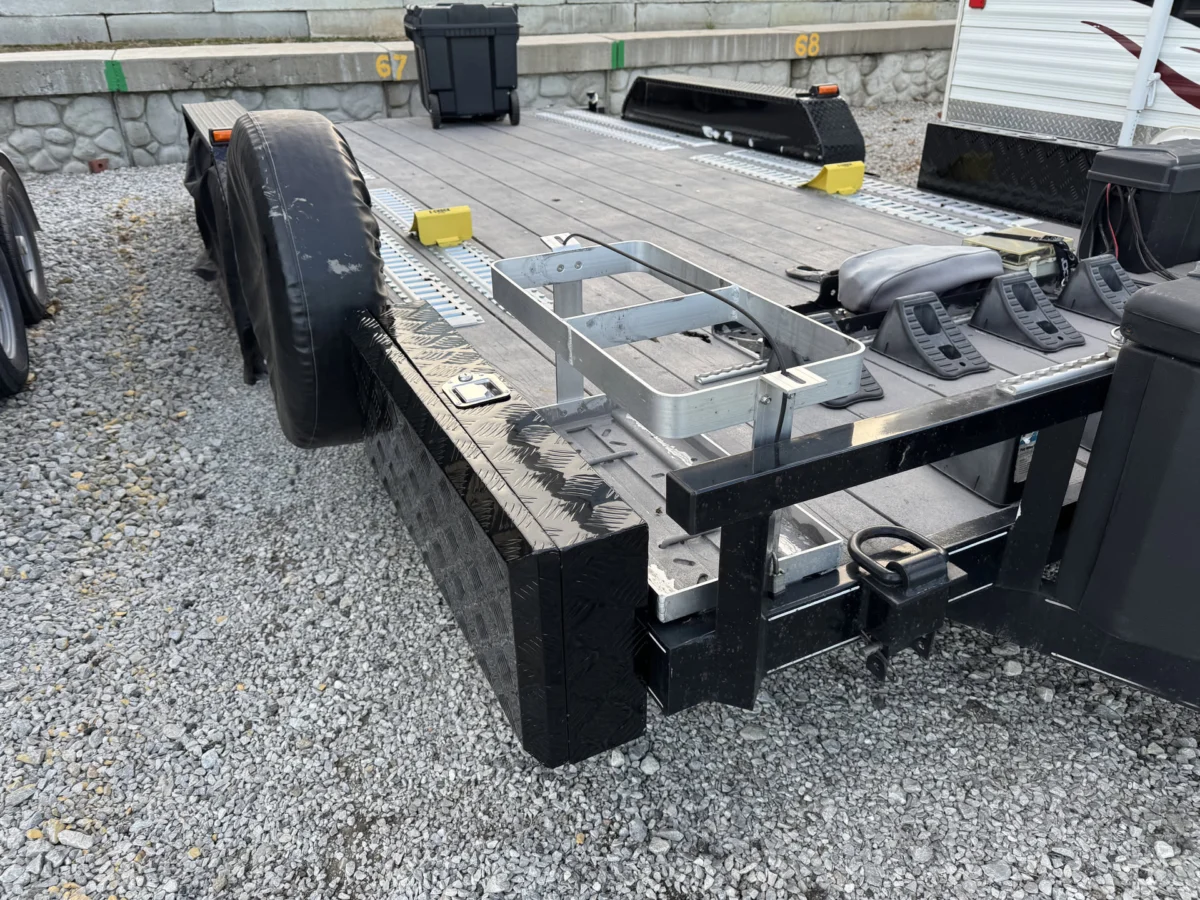
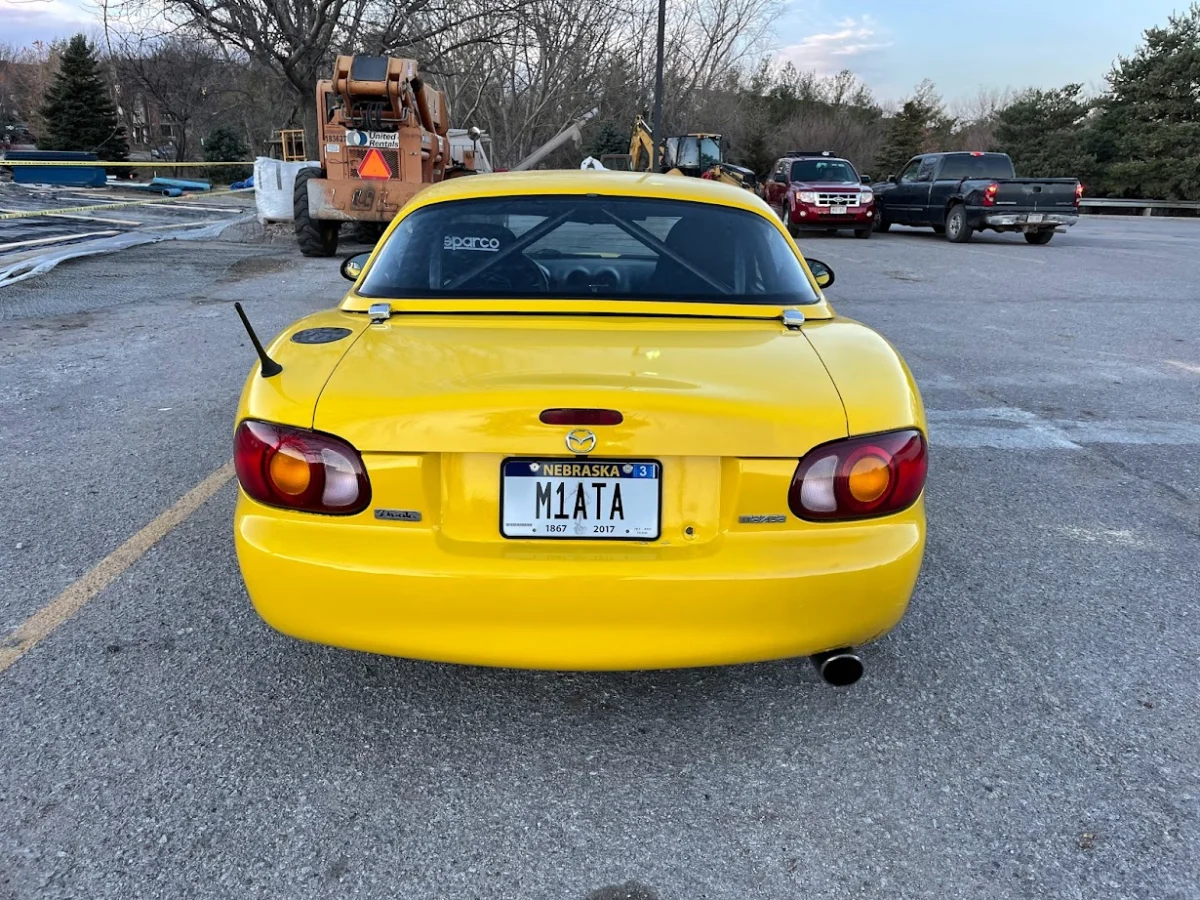
The fifth year of operation for a 2000 Mazda Miata (NB generation) has concluded, representing a significant milestone in the vehicle’s transition from a standard roadster to a highly specialized track instrument. Since its acquisition, the vehicle has undergone a systematic transformation, evolving from a stock metallic gray street car into a yellow, track-optimized machine designed for the rigors of SCCA MiDiv Time Trials. The period between March 2025 and February 2026 was characterized by critical technical breakthroughs, substantial infrastructure investments, and a major shift toward modernizing the vehicle’s electronic architecture to ensure long-term reliability and performance consistency.
Performance Benchmarking and Power Metrics
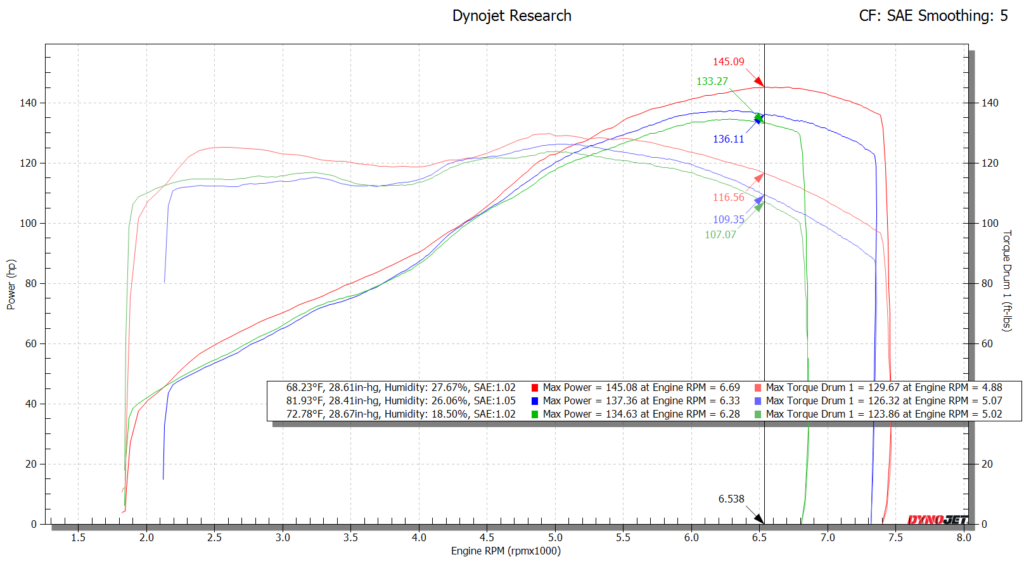
The 2025 season commenced in March with a standardized performance assessment on a Dynojet dynamometer. This testing was essential for compliance with SCCA MiDiv Time Trials classing regulations, which require accurate power-to-weight documentation. The primary mechanical change leading into this testing phase was the replacement of the "square top" intake manifold with a Skunk2 performance manifold.
Technical data from the session revealed a peak output of 145.09 wheel horsepower (whp) and 129.67 lb-ft of wheel torque. When compared to the vehicle’s baseline of approximately 115 whp on a stock ECU, this represents a 26% increase in power delivered to the ground. Historical data from the previous two years, conducted on a different dynamometer, showed figures of 133.27 whp and 136.11 whp. While the owner noted potential variances between different testing facilities, the 145 whp figure confirms the efficacy of the current engine management and airflow modifications, providing a robust platform for competitive time trials.
Chronology of the 2025-2026 Operational Year
The operational year was defined by a mix of high-intensity track sessions and significant mechanical challenges that prompted radical engineering solutions.
Spring 2025: Track Dynamics and Initial Failures
In April, the vehicle was deployed to the Hallett Motor Racing Circuit. This session provided a critical test of the track’s recent off-season resurfacing. Due to persistent wet conditions, the session focused on limit-handling and braking transitions between the old and new asphalt surfaces rather than outright lap times. This experience highlighted the importance of driver adaptability in variable friction environments.
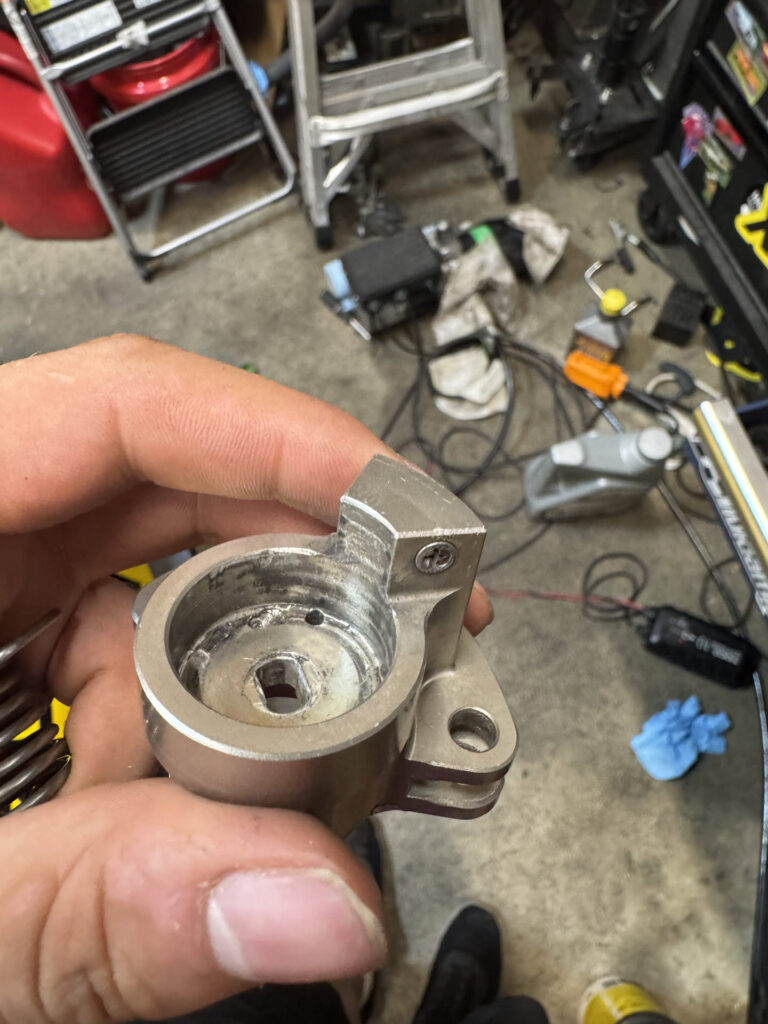
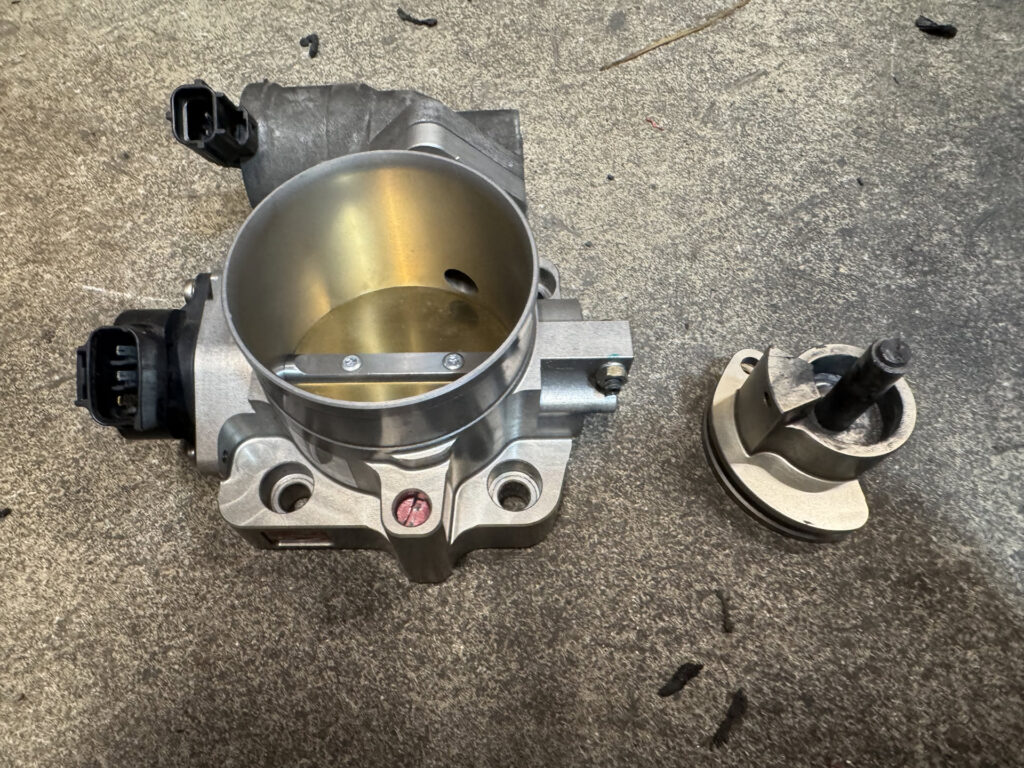
The first major mechanical setback occurred in May 2025 during a test day at I29 Speedway. The throttle return spring on the Skunk2 throttle body suffered a fatigue failure while on track. This necessitated an emergency field repair, involving the manual reshaping of the remaining spring coil to restore functionality for the return journey. Although a replacement Skunk2 unit was installed, this event foreshadowed deeper reliability issues with the component’s design.
Summer 2025: Logistics and Maintenance Infrastructure
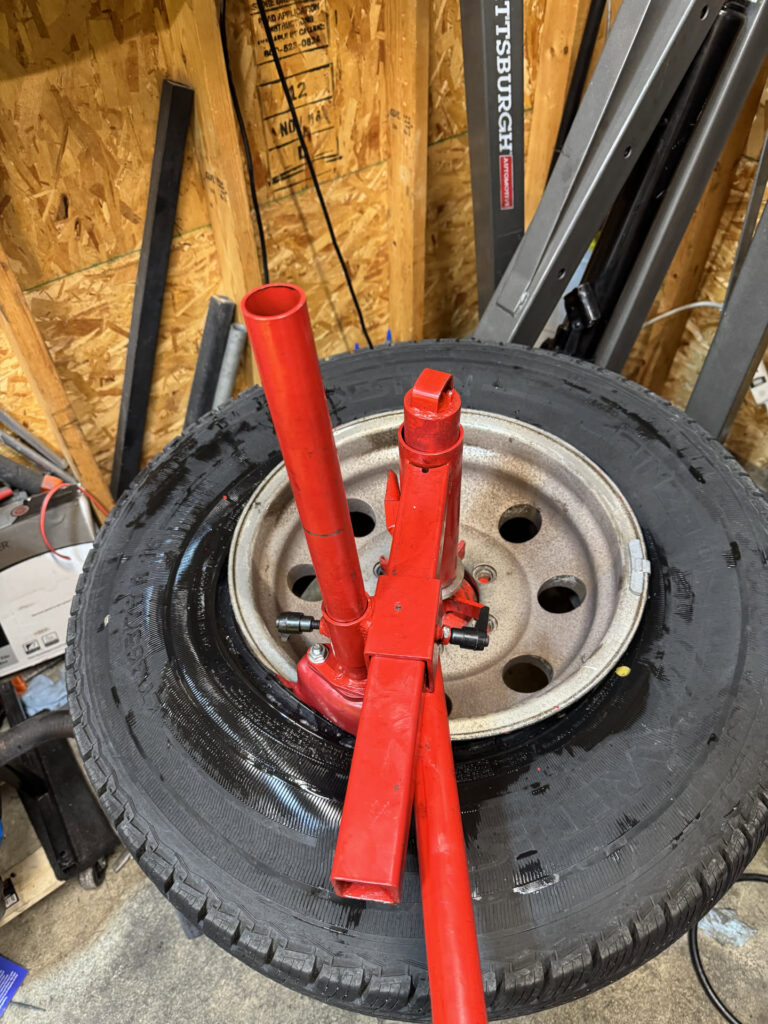
June 2025 marked a shift toward logistical self-sufficiency. In response to rising labor costs at commercial tire facilities, the owner invested in a manual tire-changing apparatus, including a specialized "duckhead" attachment and a bubble balancer. This investment has proven economically viable, with over 20 tires—including high-performance 200-treadwear (200TW) racing compounds—processed in-house. Technical analysis suggests that DIY bubble balancing can achieve results comparable to, or exceeding, commercial services for track-specific applications where high-speed vibration management is paramount.
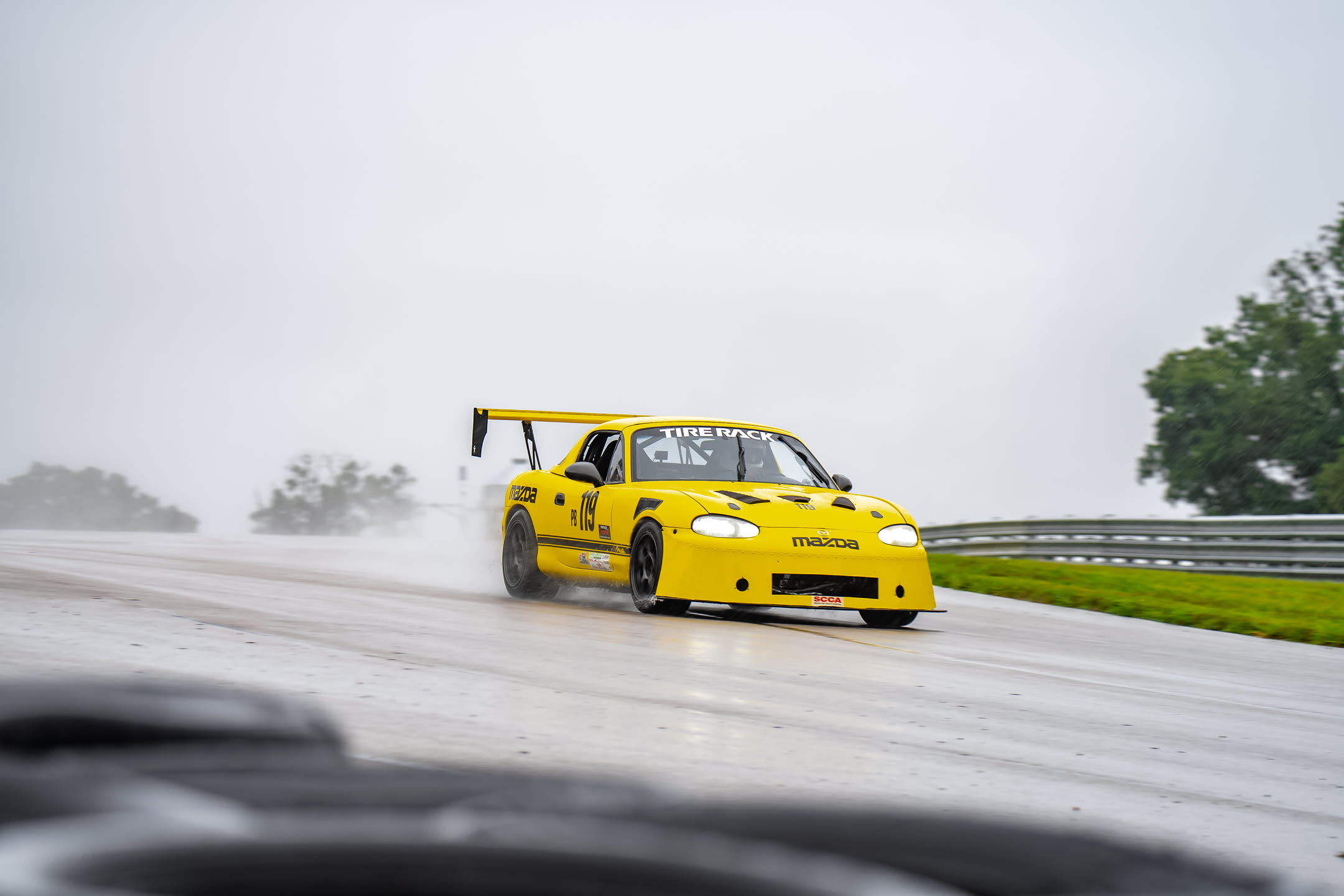
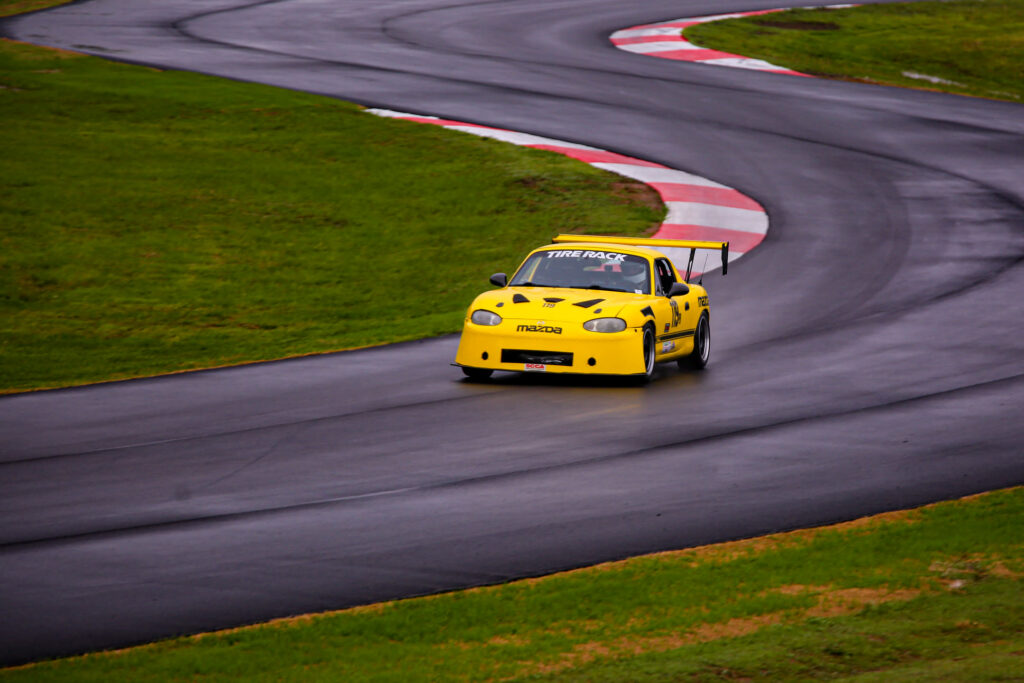
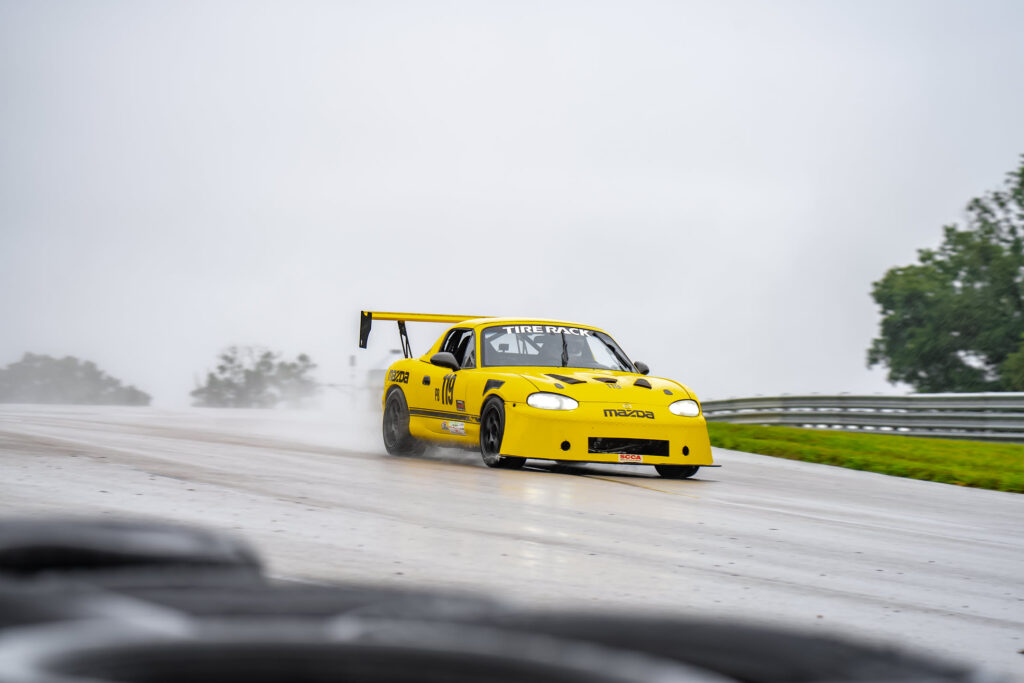
In July, the vehicle returned to Ozarks International Raceway. The session was notable for its heavy rain, which tested the drainage characteristics of the complex circuit. Navigating standing water on a track known for significant elevation changes provided invaluable data on the vehicle’s hydroplaning resistance and wet-weather braking zones.
Autumn 2025: Critical Component Failure and Electronic Overhaul
August 2025 saw a catastrophic failure at High Plains Raceway. During a timed session, the throttle body shaft snapped entirely. While the engine was spared from ingesting metal debris, the failure resulted in a complete loss of power and required a tow from the circuit. This second failure of a Skunk2 component within a single season prompted a strategic decision to abandon mechanical cable-actuated throttles in favor of a modern electronic solution.
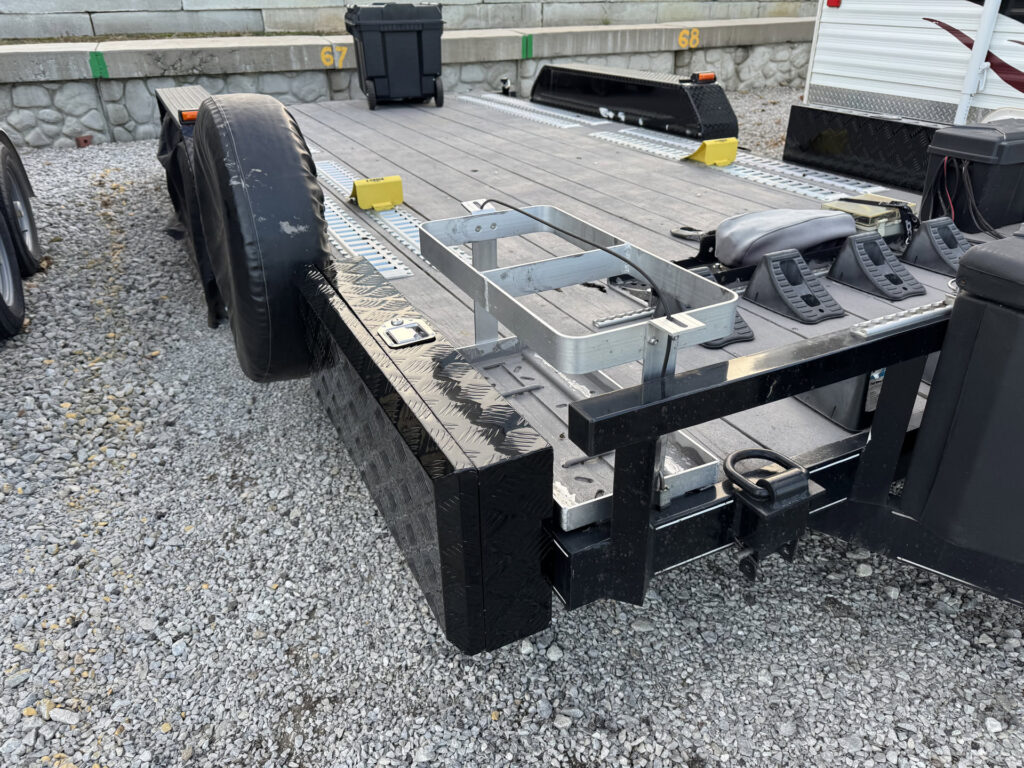
September was dedicated to trailer infrastructure, focusing on the enhancement of the open car hauler. Key upgrades included the installation of E-track tie-down systems, which secure the vehicle by the tires rather than the chassis. This method reduces strain on the suspension and prevents the loosening of straps during transit, a common issue with traditional axle-strap configurations.
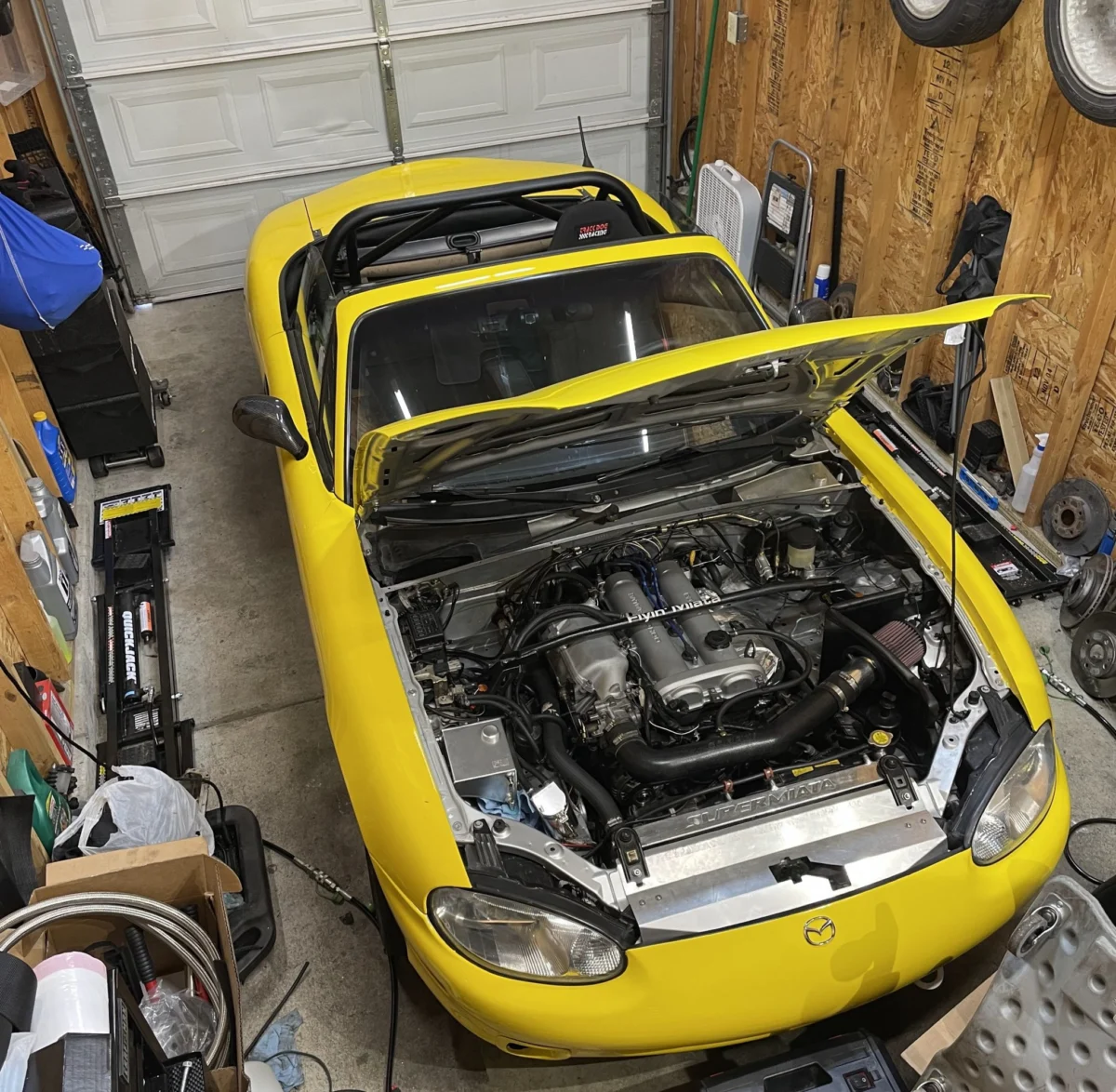
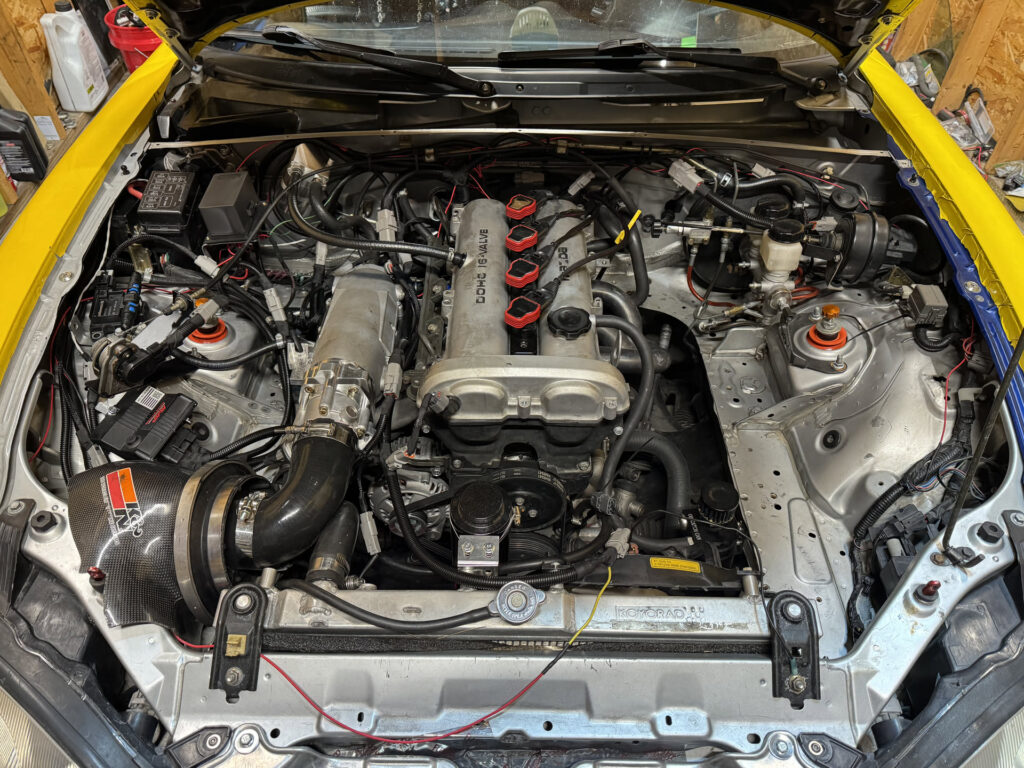
In October, the most ambitious technical project of the year was undertaken: a complete rewiring of the engine harness and a conversion to Drive-by-Wire (DBW). The aging 25-year-old factory wiring was replaced with a custom-built harness using Deutsch connectors, a dedicated fuse/relay block, and a ground bus bar. The new system integrates a Bosch 60mm electronic throttle body and a Honda accelerator pedal position sensor, controlled by an MS3Pro Evo ECU via an AMP EFI controller. This transition eliminates mechanical failure points and allows for precision throttle mapping and integrated safety protocols.
Instrumentation and Drivetrain Optimization
Following the electronic overhaul, the focus shifted to data visualization and mechanical efficiency during the winter months of late 2025 and early 2026.
Digital Integration
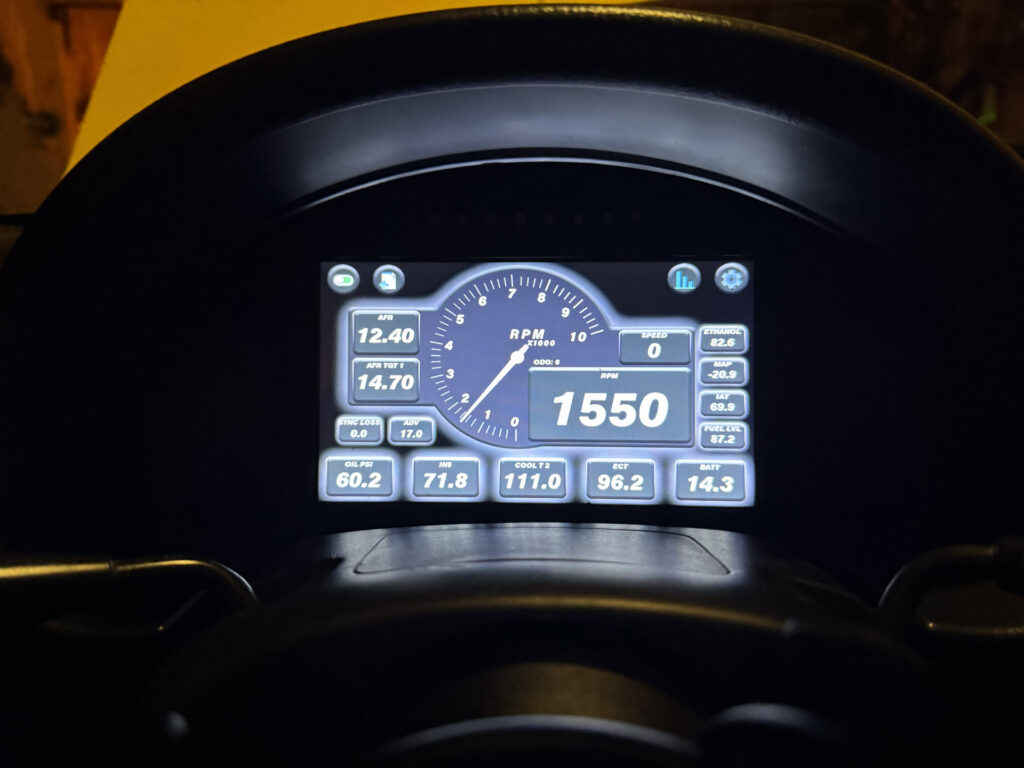
In November, a Tinker Electronics digital dash was integrated via the CAN bus. This upgrade was prompted by signal inconsistencies in the factory speedometer following the harness replacement. The digital display provides real-time monitoring of critical engine parameters, including:
- Engine RPM and Coolant Temperature
- Oil Pressure and Temperature
- Manifold Absolute Pressure (MAP) and Battery Voltage
- Lambda (Air/Fuel Ratio) and Ethanol Content
The system features programmable warning thresholds and shift lights, significantly improving the driver’s ability to monitor vehicle health under racing conditions without diverting attention from the track.
Mechanical Refinement
December 2025 saw the installation of a Coolerworx short-throw shifter. This component was selected to address the high frequency of mis-shifts experienced with previous "tall" shifter designs. The Coolerworx unit features a heavy-duty external return-to-center spring and adjustable gate stops, ensuring positive engagement and preventing accidental entry into the reverse gate during high-stress downshifts.
In January 2026, the drivetrain received its final major upgrade of the cycle: a Supermiata-tuned OS Giken limited-slip differential (LSD). Replacing the aging Torsen Type II unit, the OS Giken clutch-type LSD is designed to maintain traction in low-speed, high-load corners where a Torsen often fails to distribute torque effectively to an unloaded wheel. The 4.30 final drive ratio was retained to maximize the powerband of the naturally aspirated 1.8L engine.
Strategic Fleet Expansion
The year concluded in February 2026 with the acquisition of a second NB Miata. Purchased for $1,800, this 2001 model—featuring a Variable Valve Timing (VVT) engine and a six-speed manual transmission—was acquired as a dedicated street vehicle and experimental platform. Despite significant cosmetic and mechanical neglect by the previous owner, the rust-free shell provided a sound foundation for restoration. Within the first month of ownership, the vehicle was refurbished with a new soft top, interior components, and a Torsen differential salvaged from the primary track car. This two-car strategy allows for continued development of the track vehicle while maintaining a reliable, street-legal analog for testing and daily use.
Statistical Analysis and Seasonal Summary
The 2025 racing season was highly productive in terms of seat time, despite the lack of new personal best lap times. Data logs from the Garmin Catalyst performance optimizer provide the following metrics for the year:
- Total Track Days: 14
- Total Laps Completed: 357
- Total Track Time: 10.9 hours
Cumulative data since the vehicle’s track debut shows a total of 1,380 laps and 43.8 hours of high-speed operation. The absence of new personal records is attributed to the peak performance threshold of the current setup and the significant impact of ambient weather conditions at primary circuits.
Broader Implications and Conclusion
The fifth year of this NB Miata’s lifecycle demonstrates a sophisticated approach to grassroots motorsport. By transitioning from reactive maintenance to proactive engineering—exemplified by the Drive-by-Wire conversion and custom wiring—the owner has addressed the inherent weaknesses of a 25-year-old platform. The move toward internalizing maintenance tasks, such as tire mounting and electronic tuning, highlights an emerging trend in the enthusiast community toward technical self-reliance to offset the rising costs of professional racing services.
As the vehicle enters its sixth year, the combination of a precision-tuned drivetrain, modernized electronics, and a secondary support vehicle positions the platform for continued competitiveness in SCCA Time Trials. The evolution of this Miata serves as a case study in the systematic refinement of a production sports car into a reliable, high-performance racing machine.