Vera Clarissa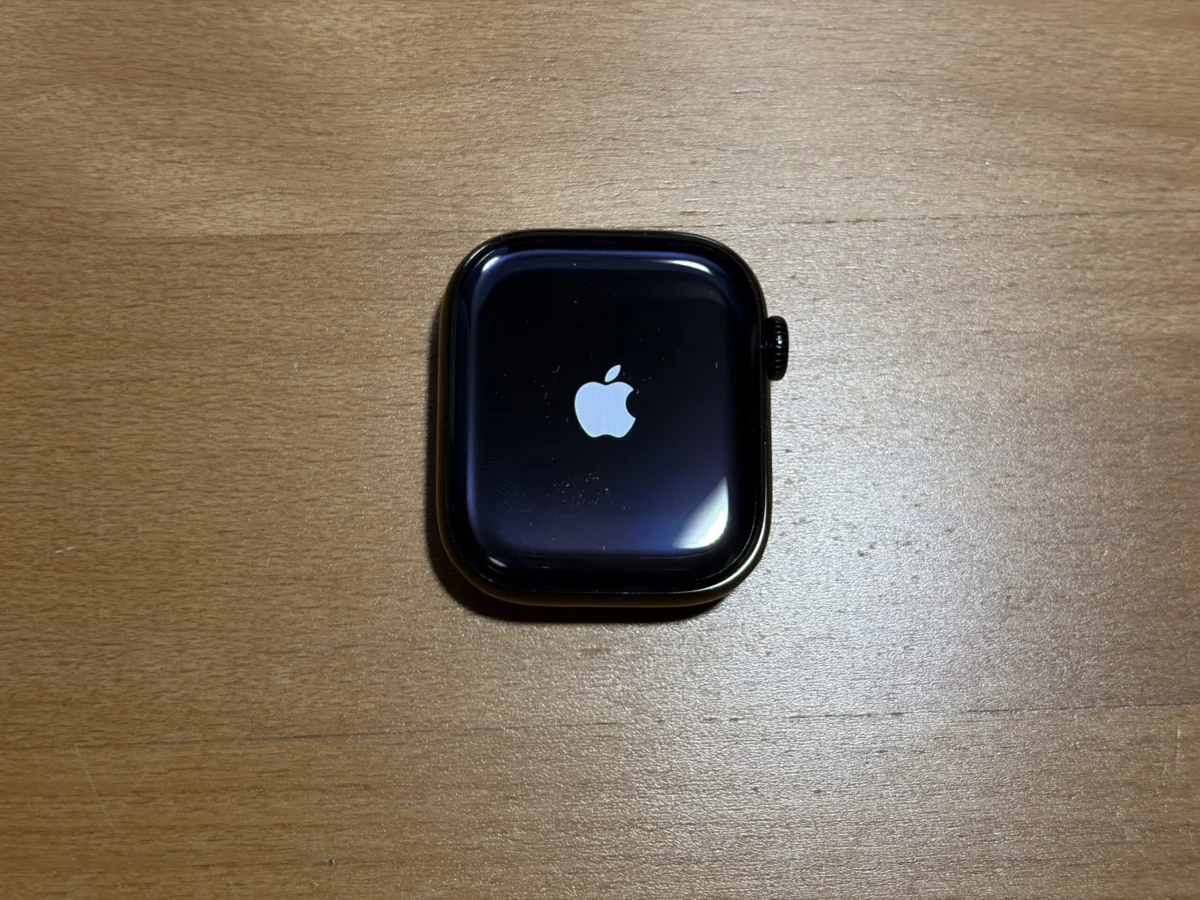
The journey from an aging Apple Watch Series 3 to a new Series 11 model in 2023 reflects a significant evolution in both personal technology adoption and the capabilities of wearable devices. For a user who initially acquired an Apple Watch Series 3 in 2017, the decision to upgrade was driven by the natural degradation of battery life and performance in older hardware, coupled with a reevaluation of the smartwatch’s role in their digital ecosystem. This transition highlights a broader trend where smartwatches, while still offering advanced features, are increasingly perceived as sophisticated smartphone companions rather than standalone primary devices.
A Gradual Upgrade Path and Shifting Perceptions
The initial purchase of an Apple Watch Series 3 in 2017 marked an early adoption of wearable technology for this particular user. Over a span of six years, the device accompanied them through multiple iPhone upgrades. However, by 2023, the Series 3 had begun to exhibit the tell-tale signs of aging: a significantly diminished battery life, noticeable stuttering in animations, and a reduced functional utility beyond basic timekeeping and notification delivery. This experience is not uncommon for early adopters of consumer electronics, where rapid technological advancements can quickly render even premium devices obsolete or underperforming.
The user’s perspective on the utility of a smartwatch has also evolved. Once envisioning a future where smartwatches played a more central, perhaps even independent, role in daily life, the sentiment has shifted towards viewing them as integral extensions of the smartphone. This aligns with market analyses that suggest the primary value proposition of smartwatches for many consumers lies in their ability to provide convenient access to information and notifications, enhance fitness tracking, and facilitate quick interactions without the need to constantly pull out a smartphone.

The Catalyst for a New Acquisition
The desire for an updated Apple Watch was rekindled by a preceding experience with a refurbished Series 2 model. In mid-January of 2023, the user acquired a Space Gray 38mm Series 2, which unfortunately came with a battery on its last legs. The process of attempting to replace this battery inadvertently led to minor damage to the display. While the Series 2 remained functional, this experience highlighted the inherent risks and limitations of relying on older, refurbished hardware and simultaneously amplified the appeal of a newer, more robust device.
The immediate inspiration for a Series 11 upgrade arrived with the observation of a partner’s new Series 8, a 41mm model in Starlight. This direct exposure to a contemporary Apple Watch, with its improved performance and aesthetic, created a tangible benchmark. The user expressed a clear condition for upgrading: the price had to be "right." This suggests a consumer who is not driven by the latest model purely for the sake of novelty, but rather by a calculated assessment of value. The opportune moment arrived when their mobile carrier, T-Mobile, presented an offer for the then-new Series 11 that was deemed "reasonable." This scenario underscores the impact of carrier promotions and bundled deals in influencing consumer purchasing decisions for high-value electronics.
Unveiling the Apple Watch Series 11: A Detailed Examination
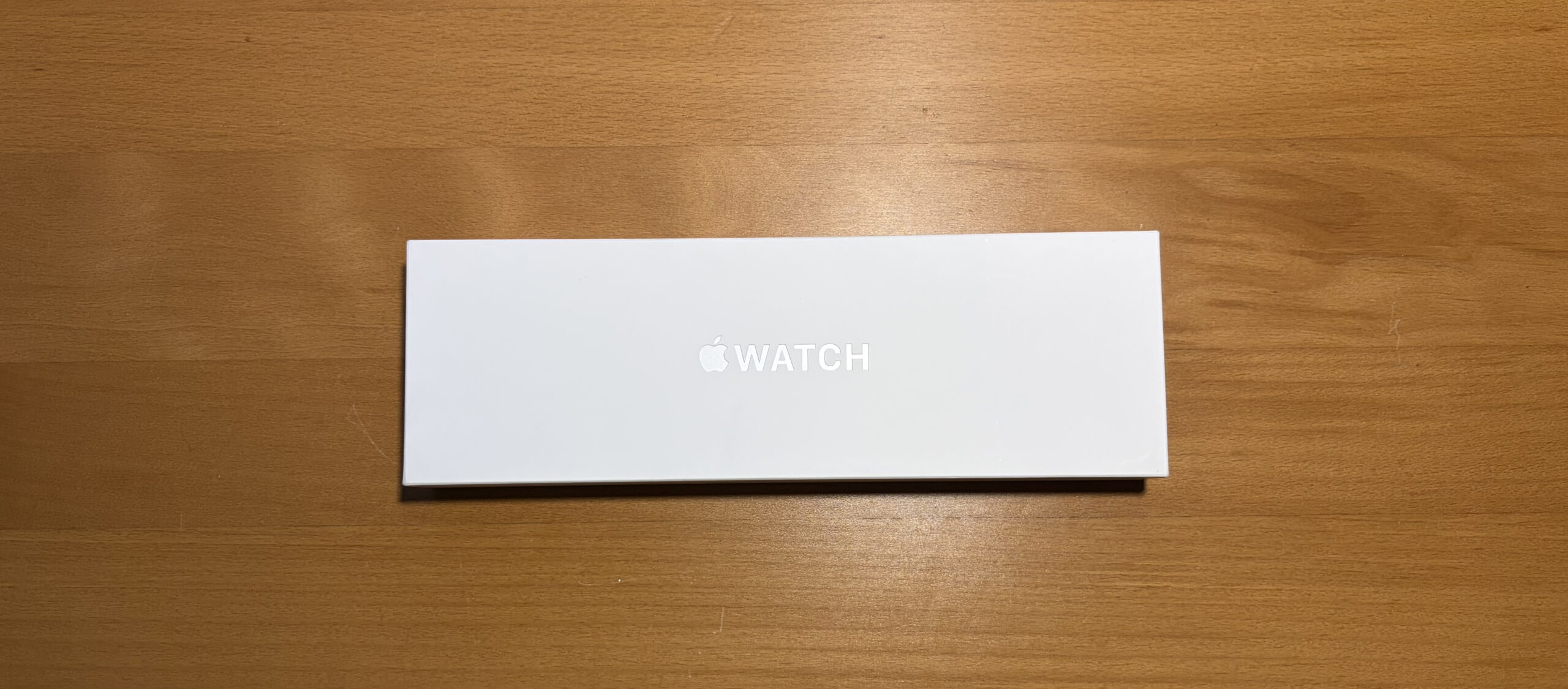
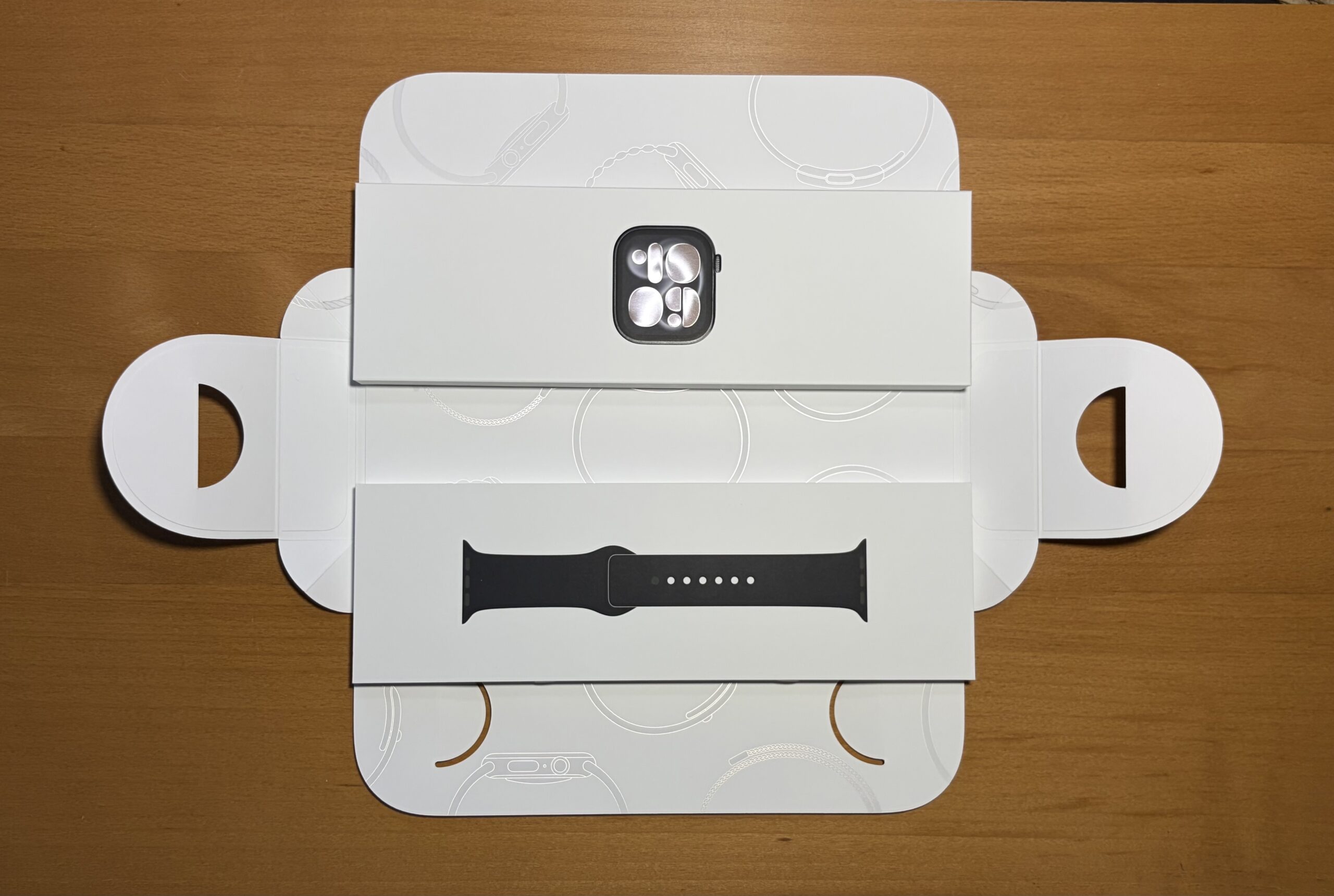
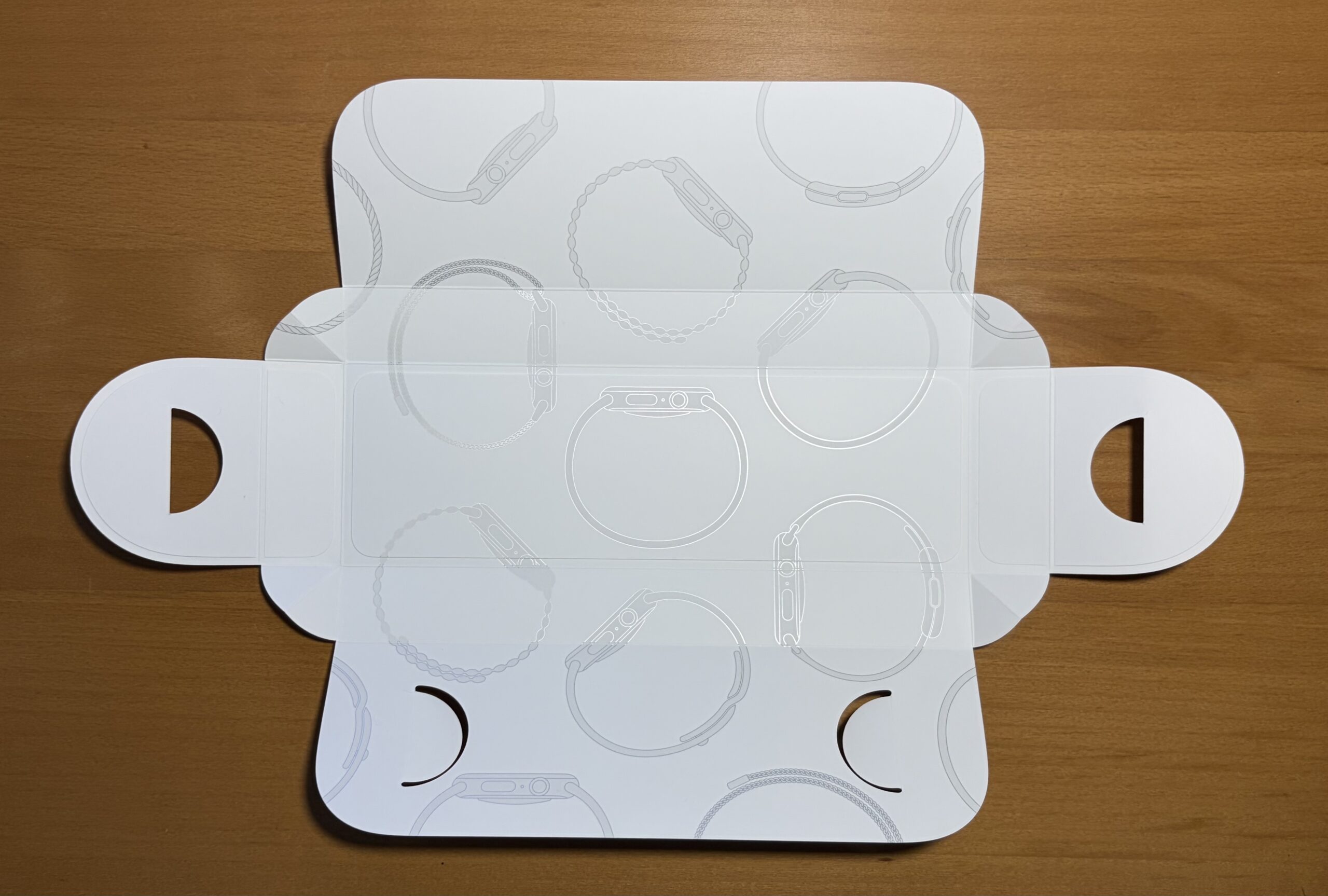
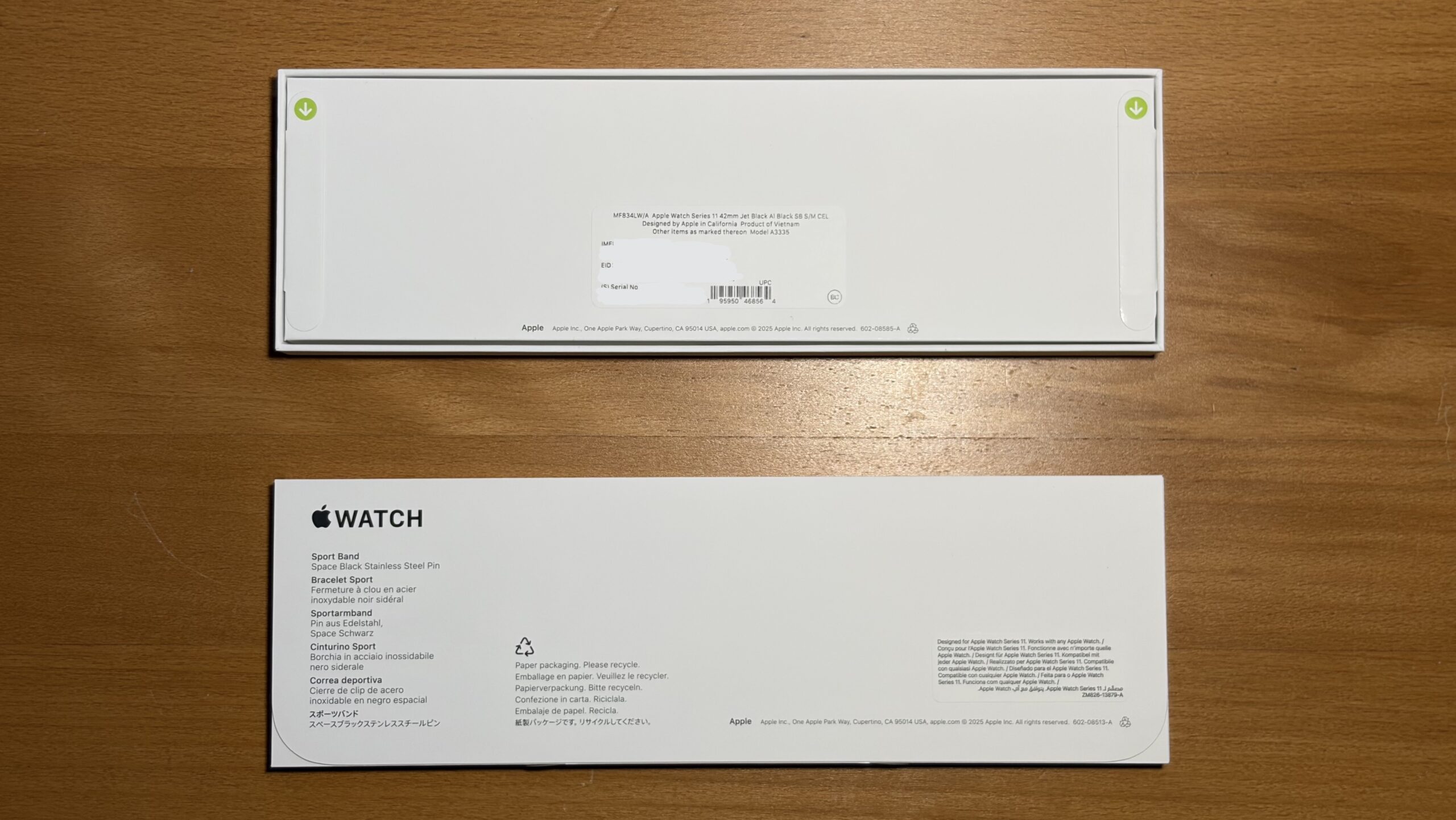
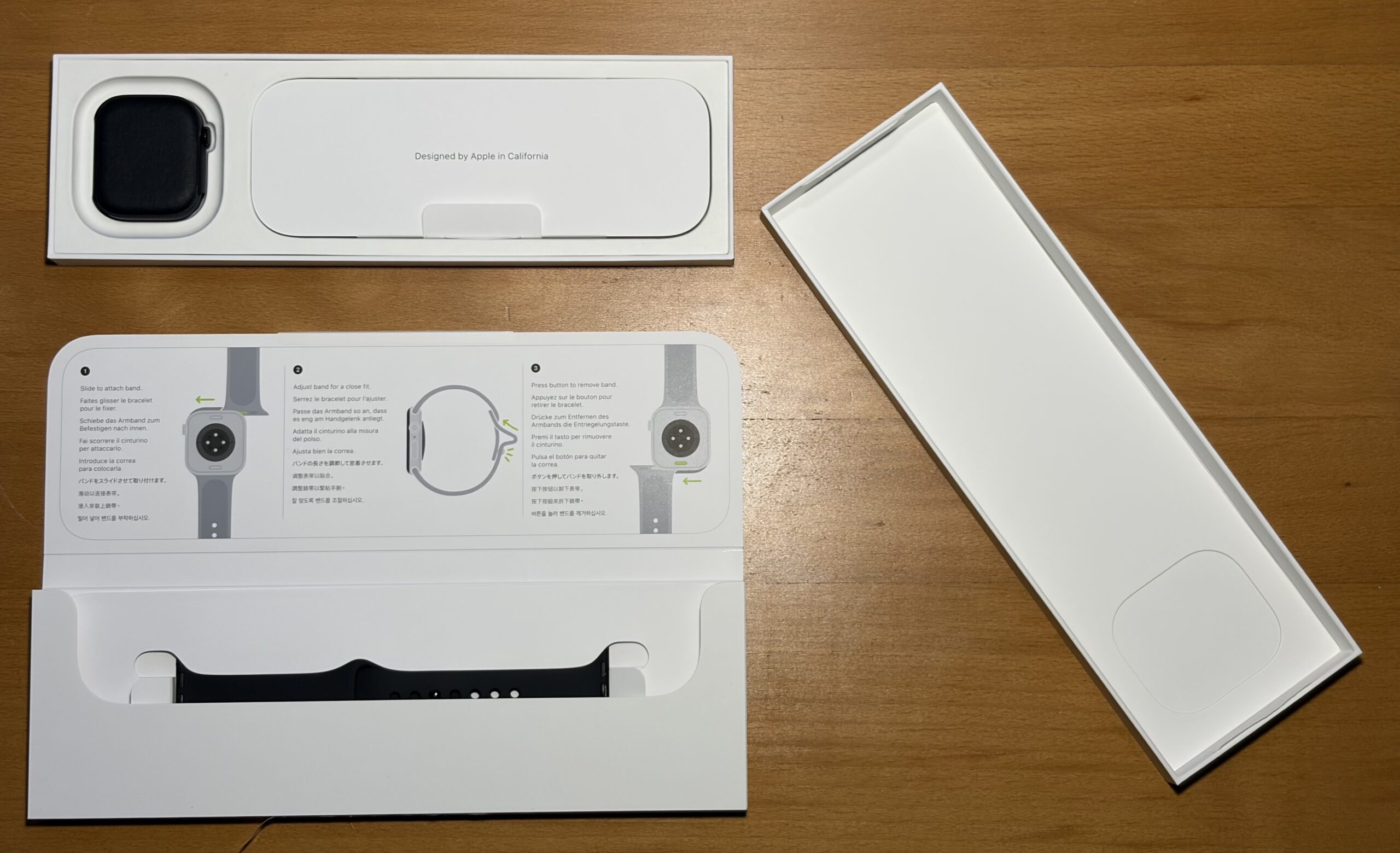
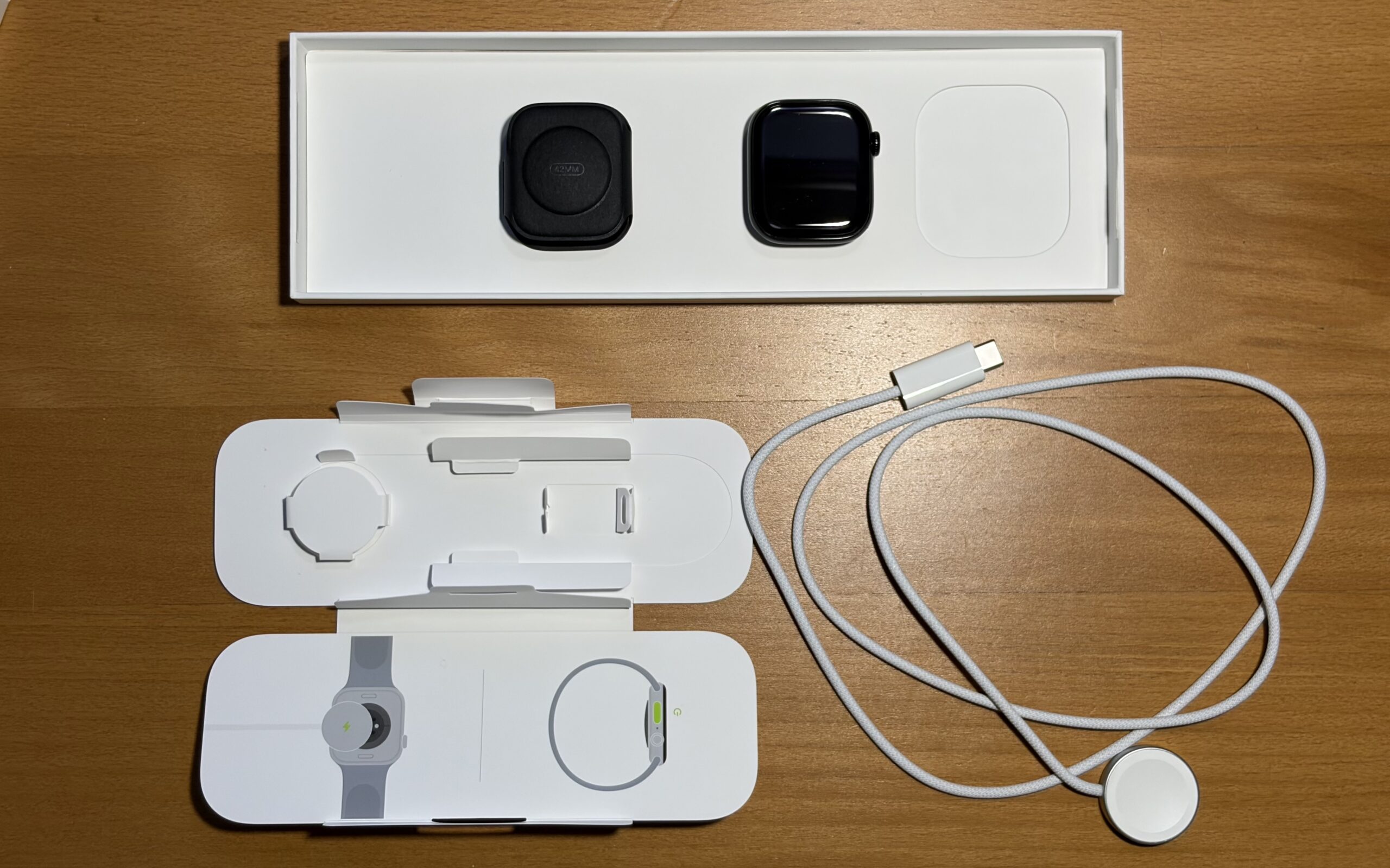
The unboxing process of the Apple Watch Series 11 revealed several key aspects of the product and its presentation. The packaging itself, while not explicitly detailed in terms of materials, adheres to Apple’s established minimalist aesthetic. Images shared during the unboxing showcase the meticulous presentation of the device and its accompanying accessories.
Packaging and Initial Impressions:
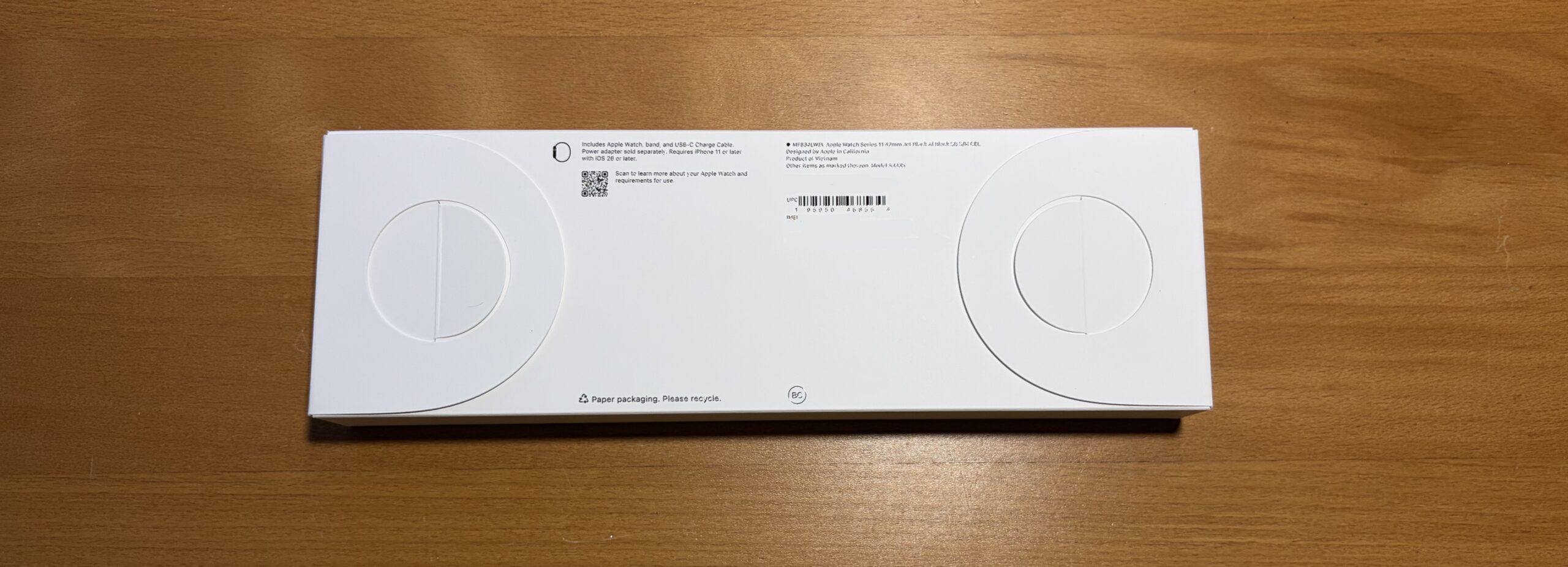
The retail box for the Apple Watch Series 11, as depicted in accompanying visuals, continues Apple’s tradition of elegant and informative packaging. While specific details about the box’s construction or environmental sustainability were not provided, the overall impression is one of premium quality, designed to build anticipation before the product is even revealed.
The "Obsidian" Aesthetic: A Nod to Classic Design
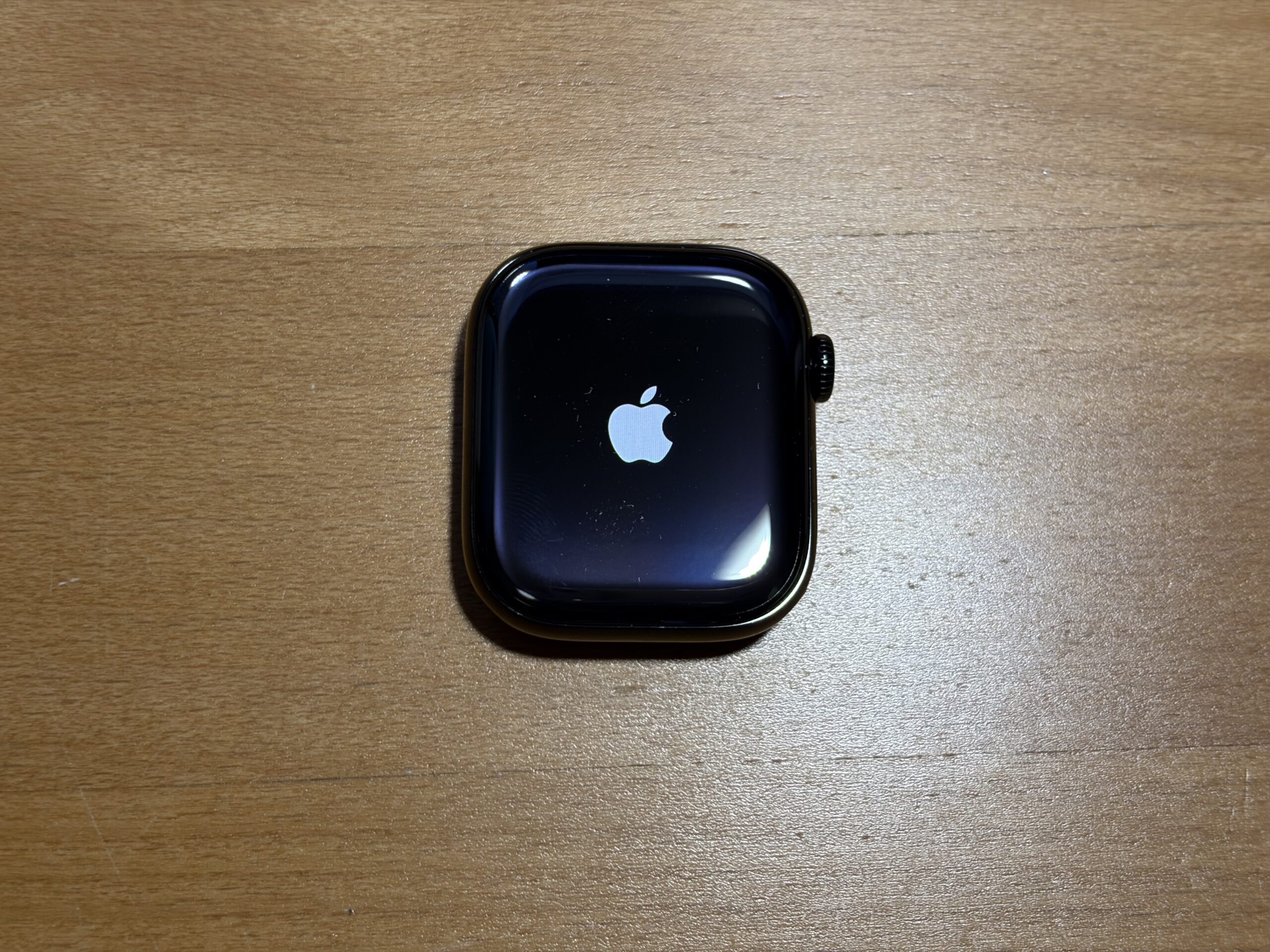
A significant point of interest during the unboxing was the chosen finish for the Series 11. The user opted for "Jet Black," a colorway that evokes a sense of sophistication and timelessness. The description of the watch as resembling "shiny obsidian glass stone" is particularly evocative. This aesthetic choice draws a direct parallel to the highly successful and admired Jet Black finish introduced with the iPhone 7. This connection suggests a deliberate design philosophy from Apple, leveraging past successes in material finishes to enhance the appeal of its current product lines. The sleek, all-around shiny surface of the Jet Black Series 11 is presented as a "welcome surprise," indicating that its visual and tactile qualities exceeded expectations. This personal naming of the watch as "Obsidian" further solidifies the user’s appreciation for its striking appearance.
Reimagining Watch Bands: Compatibility and Continuity
A noteworthy aspect of the user’s experience involved the reuse of an existing watch band. The preference for Milanese loops is articulated, citing their simplicity, adjustability, and ease of use. Crucially, a "knockoff silver colored Metal watch band," previously used with the Series 2, was found to be compatible with the new Series 11. While not a "1:1 fit," it successfully "snaps in, stays in place, and feels secure enough to use." This observation is significant for consumers who invest in accessories, highlighting a degree of backward compatibility and the potential to repurpose existing items. However, the user also acknowledges the desire to acquire a band that more closely matches the Jet Black finish of the new watch, indicating a future purchasing intention. This detail also speaks to the vast third-party accessory market that surrounds Apple products, where consumers often seek cost-effective alternatives to official accessories.
T-Mobile’s Promotional Strategy: Driving Adoption
The unboxing narrative is framed within the context of a promotional offer from T-Mobile. While the specific details of the offer are not fully enumerated in the provided text, the presence of images suggesting T-Mobile branding in relation to the Apple Watch acquisition indicates a strategic partnership. Such promotions are a common tactic employed by mobile carriers to incentivize customers to upgrade their devices, often through installment plans, trade-in bonuses, or discounted pricing. This approach not only drives sales for Apple but also increases device attachment rates for the carrier, fostering customer loyalty and potentially encouraging upgrades to higher-tier service plans that may be required for certain smartwatch features, such as cellular connectivity. The "reasonable" price point mentioned by the user directly attributes their purchase decision to this promotional incentive.
A Return to Content Creation and Future Outlook
The author’s concluding remarks signal a personal resurgence in content creation for Low End Mac, the website where this article is published. The nearly two-month hiatus is attributed to focusing on personal life. The commitment to Low End Mac, however, remained strong during this period. The article serves as an announcement of the author’s return and a promise of upcoming content. This includes updates on "Tech Specs," discussions on the "MacBook Neo," and other new developments from Apple. This meta-narrative adds a personal touch and reinforces the ongoing engagement between the author, their audience, and the world of Apple technology. The article concludes with a note of gratitude to the website’s visitors, underscoring the community aspect of tech journalism and enthusiast platforms.
Analysis of Smartwatch Market Trends and Consumer Behavior
The user’s experience with the Apple Watch Series 11 provides a microcosm of broader trends within the smartwatch market. The transition from a Series 3 to a Series 11, separated by six years of technological advancement, illustrates the rapid pace of innovation in consumer electronics. The diminishing returns on older hardware, particularly concerning battery life and processing power, are a significant driver for upgrades.
Furthermore, the user’s redefinition of the smartwatch’s role from a potentially independent device to a "smartphone companion" reflects a maturing market. Early smartwatch iterations often promised a degree of autonomy, but the practical limitations and the continued dominance of the smartphone have led to a more integrated use case. This shift is supported by market research indicating that many users primarily utilize smartwatches for notifications, fitness tracking, and quick interactions, rather than for extensive standalone applications.
The influence of carrier promotions, as seen with T-Mobile’s offer, cannot be overstated. These partnerships are crucial for both device manufacturers and mobile network operators. For Apple, they expand the reach of the Apple Watch to a broader consumer base. For carriers, they serve as a powerful tool for customer acquisition and retention, often tied to lucrative service plans. The "price was right" sentiment highlights the economic considerations that remain paramount for many consumers, even when purchasing premium technology.
The longevity and continued use of older accessories, such as the Milanese loop band, also points to a growing consumer awareness of sustainability and value. While the user intends to find a band that perfectly matches their new watch, the fact that a previously purchased accessory remains functional and aesthetically acceptable demonstrates a pragmatic approach to consumption. This contrasts with the disposable culture that sometimes characterizes fast-moving technology markets.
The narrative also subtly touches upon the evolving nature of personal technology. What was once a futuristic vision of a connected wrist has become a commonplace reality. The user’s reflections on their initial excitement in the mid-2010s versus their current, more pragmatic view, mirror the industry’s own journey from hype to established utility. The Apple Watch, now in its eleventh generation of the "Series" designation (implying continuous iterative improvements and models), has cemented its place as a significant product category. The introduction of new models, such as the Series 11, will undoubtedly continue to push the boundaries of what a wearable device can do, while user adoption will continue to be shaped by performance, utility, price, and the ever-present ecosystem of Apple’s interconnected devices. The ongoing evolution of the Apple Watch, coupled with the diverse motivations of its users, ensures its continued relevance in the dynamic landscape of personal technology.