Cecilia Chamidah Nur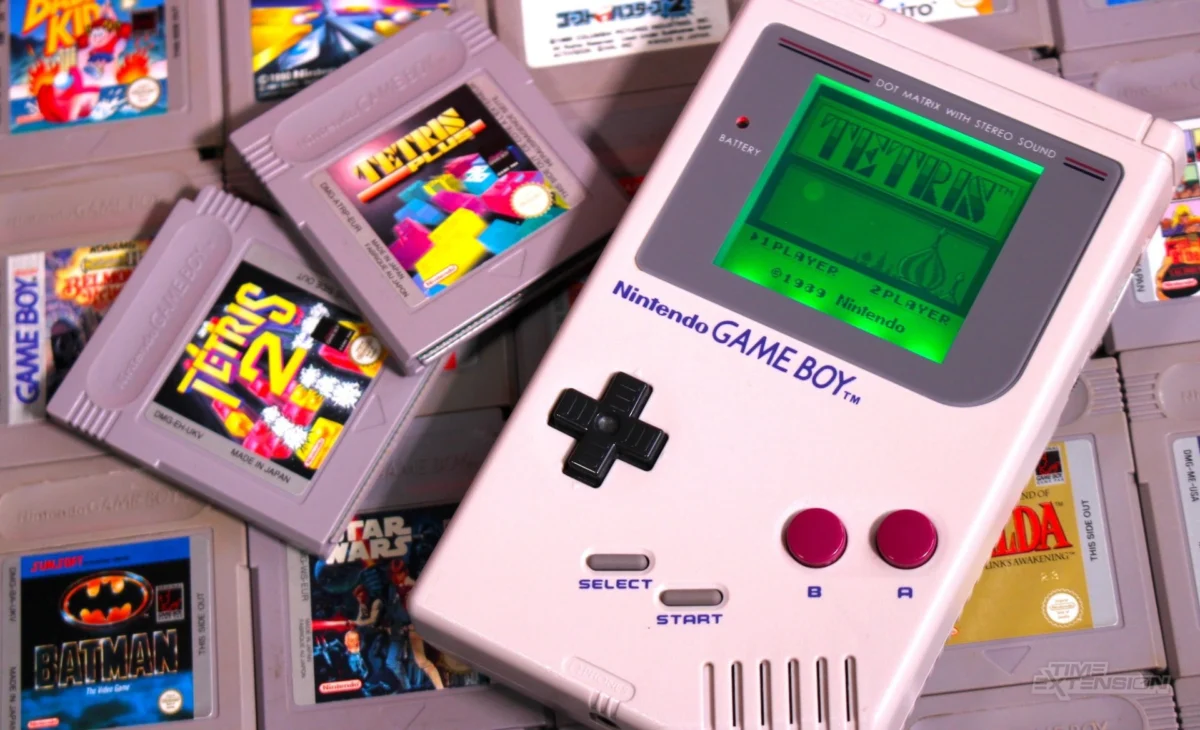
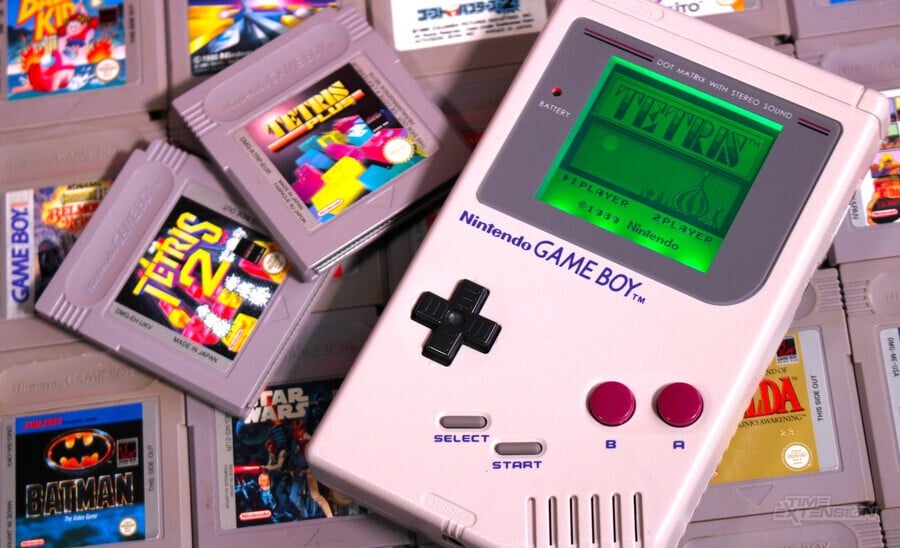
In a development that has captured the attention of the retro gaming community, independent homebrew developer >>>AAR<<< is actively engaged in porting the seminal Game Boy version of Tetris to the Sega Genesis console. This ambitious project, titled Tetris DMG-01, aims to meticulously recreate the beloved handheld puzzle experience on Sega’s 16-bit hardware, promising a faithful rendition alongside a special colorized mode. The initiative serves as a profound tribute to one of gaming’s most iconic titles, particularly its monochrome iteration that famously accompanied Nintendo’s original Game Boy, propelling it to unprecedented success.
The Genesis of a Classic Port
Developer >>>AAR<<< has publicly stated that Tetris DMG-01 is conceived as "a small tribute to one of my favourite games, which I still play on my old Game Boy." This personal connection underscores a broader movement within the homebrew community: the dedication to preserving and re-envisioning classic gaming experiences for new platforms or enhancing them for existing ones. The project’s primary objective is to replicate the original Game Boy version as closely as possible, ensuring that the gameplay mechanics, scoring, and visual cues are virtually identical. This commitment to authenticity is paired with an innovative twist: the inclusion of a colorized mode, which will offer a fresh visual perspective on the familiar falling blocks without compromising the original’s integrity. The technical challenge involves translating the Game Boy’s Z80-based architecture and its unique graphical capabilities to the Sega Genesis’s Motorola 68000 processor and distinct video display capabilities, a task that requires deep understanding of both systems.
A Deep Dive into Game Boy Tetris’s Legacy
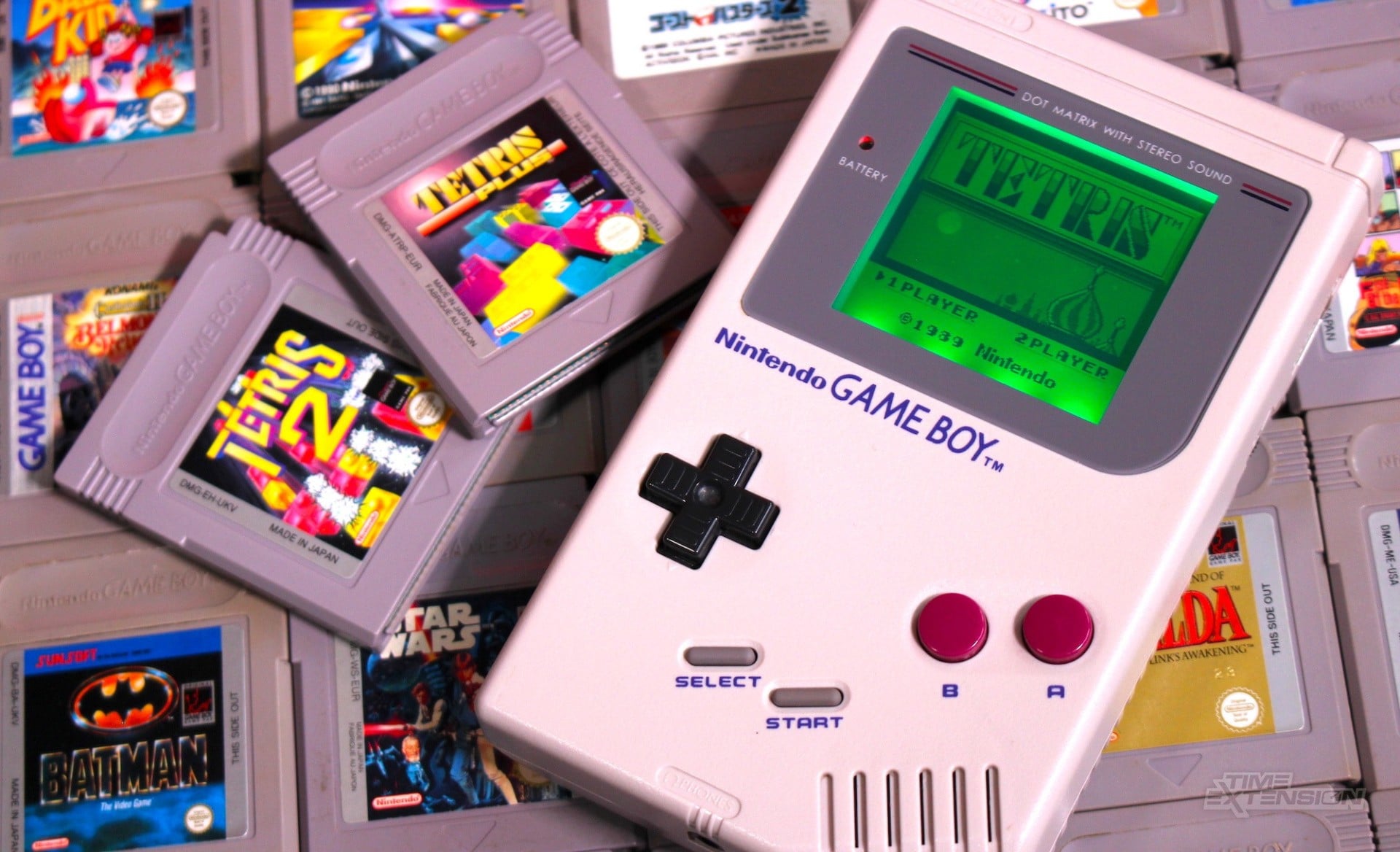
Released in 1989, the Game Boy version of Tetris is widely regarded as one of the most significant and influential ports of Alexey Pajitnov’s legendary falling-block puzzler. Its impact cannot be overstated, as it was famously bundled with the Nintendo Game Boy in Western markets, a strategic decision that was instrumental in the handheld console’s meteoric rise and subsequent market dominance. The simplicity of Tetris, combined with its addictive gameplay loop and perfect suitability for portable play, made it an instant global phenomenon. The Game Boy, which went on to sell over 118 million units worldwide across its various iterations, owed much of its initial traction to Tetris. For many, the monochromatic display of the Game Boy was synonymous with the distinct shapes and rapid descent of Tetriminos. The game’s enduring appeal transcended traditional gamer demographics, attracting casual players and cementing its status as a cultural touchstone. Its success demonstrated the commercial viability of handheld gaming and proved that engaging gameplay could triumph over sophisticated graphics.
The Turbulent History of Tetris Rights
The journey of Tetris from its creation in Soviet Russia to its global ubiquity was anything but straightforward, marked by one of the most complex and contentious legal battles in video game history. Alexey Pajitnov developed Tetris in 1984 while working at the Dorodnicyn Computing Centre of the Academy of Sciences of the USSR in Moscow. The rights to the game were initially held by Electronorgtechnica (Elorg), a Soviet state-owned company. As the game gained traction in the West through various licensing deals, a complex web of agreements and sub-agreements emerged, often leading to conflicting claims over publishing rights for different platforms and regions.
Key players in this saga included Robert Stein of Andromeda Software, who initially secured licensing rights from Elorg for PC versions; Mirrorsoft and Spectrum HoloByte, which published PC versions; and Atari Games/Tengen, which acquired rights from Mirrorsoft/Spectrum HoloByte for arcade and console versions, leading to the infamous Tengen Tetris for the NES. However, Nintendo, through the relentless efforts of Dutch businessman Henk Rogers (who founded Bullet-Proof Software and was instrumental in bringing Tetris to Japan), secured direct console and handheld rights from Elorg in a dramatic series of negotiations. This ultimately led to a legal showdown between Nintendo and Atari Games/Tengen, with courts ruling in favor of Nintendo, asserting their exclusive rights to Tetris on home consoles and handhelds. The legal wrangling is famously chronicled in the book The Tetris Effect: The Game That Hypnotized the World by Dan Ackerman and dramatized in Apple’s 2023 biographical film, Tetris.
Sega’s involvement in this rights dispute stemmed from their own attempt to publish Tetris for the Mega Drive (Genesis) console. Believing they had secured the necessary licenses from a third party – likely through channels connected to Mirrorsoft or Spectrum HoloByte, similar to Atari Games – Sega released their version of Tetris in Japan. However, following Nintendo’s successful legal assertions of exclusive console rights, Sega was compelled to pull its version from sale, effectively making it one of the rarest and most sought-after titles in the console’s history. The brief window of availability and the subsequent withdrawal cemented its legendary status among collectors.
Sega’s Elusive Official Tetris
The official Sega Mega Drive version of Tetris, developed by Sanritsu Denki, was intended primarily for the Japanese market. Due to the rapid intervention of legal challenges, it was swiftly withdrawn from retail, resulting in an extraordinarily limited production run. It is estimated that fewer than ten legitimate copies of this cartridge are known to exist today, making it one of the rarest commercial video game releases of all time and a holy grail for collectors. This extreme scarcity has driven its perceived value into the tens of thousands, if not hundreds of thousands, of dollars.
For decades, this version remained an almost mythical artifact in Sega’s history, a tantalizing "what if" for fans of the console. However, Sega eventually managed to reintroduce a version of this elusive title to a wider audience. In 2019, the Sega Genesis / Mega Drive Mini console included a version of Tetris among its pre-loaded games. This version was based on the original Sanritsu Denki development, digitally resurrected and made accessible to modern players. While not a physical cartridge, its inclusion on the official mini console offered a significant nod to Sega’s complex past with the franchise and provided a long-awaited opportunity for fans to experience the game as it was originally intended for the platform, albeit years after its initial, ill-fated launch. This move underscored the enduring desire among players to experience historically significant, albeit legally fraught, pieces of gaming history.
The Homebrew Renaissance: Preservation and Innovation
The Tetris DMG-01 project by >>>AAR<<< is a prime example of the vibrant and crucial role played by the homebrew development community in the retro gaming ecosystem. This community, composed of passionate developers and enthusiasts, dedicates countless hours to creating new games, porting existing ones, and enhancing beloved classics for vintage hardware. Their motivations are diverse, ranging from a desire to preserve gaming history, to the intellectual challenge of working with old hardware, to simply creating the games they wished had existed on their favorite systems.
Homebrew developers often act as digital archivists and innovators. They reverse-engineer old consoles, study their intricate architectures, and push the boundaries of what was thought possible with limited hardware resources. This work not only breathes new life into aging systems but also ensures that games and gaming culture from past eras remain accessible and relevant. Projects like Tetris DMG-01 are particularly significant as they bridge generational gaps, allowing players who grew up with one console to experience a seminal title from a rival system, or to see a beloved portable game rendered on a home console. The technical hurdles involved are substantial, requiring mastery of assembly language, intimate knowledge of graphical and audio chips, and creative problem-solving to adapt game logic and assets across disparate platforms. The fact that a developer is striving for "as close as possible to the original version" while adding a "special colourised mode" speaks volumes about the dedication to both authenticity and thoughtful enhancement that characterizes the best homebrew efforts.
Technical Nuances of Cross-Platform Porting
Porting a game like Tetris from the Game Boy to the Sega Genesis is far from a trivial task. The Game Boy, powered by a Sharp LR35902 CPU (a hybrid of the Intel 8080 and Zilog Z80), operates on a 4.19 MHz clock speed and features a 160×144 pixel monochrome display. Its sound chip offers four channels, capable of generating simple waveforms and noise. The Sega Genesis, in contrast, boasts a more powerful Motorola 68000 CPU running at 7.67 MHz, supplemented by a Zilog Z80 for sound processing. Its display capabilities include a resolution of up to 320×224 pixels and a palette of 512 colors, with 64 on-screen simultaneously.
AAR<<<’s task involves not merely copying game logic but fundamentally re-implementing it within the Genesis’s environment. This includes translating the Game Boy’s sprite and tile-based graphics system to the Genesis’s more advanced, but different, tilemap and sprite system. Sound effects and music, originally composed for the Game Boy’s distinct sound hardware, must be either painstakingly recreated or adapted to the Genesis’s Yamaha YM2612 FM synthesis chip and PSG (Programmable Sound Generator). Furthermore, the input handling, timing, and even the subtle physics of the Tetriminos’ rotation and descent, which players have internalized over decades, must be precisely emulated to maintain the "feel" of the original. The addition of a colorized mode further complicates matters, requiring the developer to make artistic and technical decisions on how to best utilize the Genesis’s expanded color palette while remaining true to the spirit of the Game Boy’s iconic design. This level of dedication highlights the profound respect homebrew developers often have for the source material.
Implications and Future Outlook
The Tetris DMG-01 project carries several significant implications for the retro gaming community and beyond. Firstly, it underscores the enduring power and appeal of Tetris itself. Decades after its creation, the game continues to inspire new generations of players and developers, demonstrating the timeless quality of its design. Secondly, it highlights the critical role of homebrew in game preservation. By porting a version of Tetris that many consider definitive to another popular console, >>>AAR<<< is ensuring its accessibility and longevity, allowing new audiences to experience it in a different context.
While Tetris DMG-01 is an unofficial endeavor, it operates within a generally accepted, albeit legally ambiguous, space of "tribute" projects within the homebrew scene. These projects are typically non-commercial and driven by passion, seeking to celebrate rather than profit from intellectual property. Their existence often fosters a deeper appreciation for the original works and the technical prowess of past console designers. The anticipation surrounding Tetris DMG-01 suggests a strong demand within the retro gaming community for such carefully crafted ports and a continued fascination with the history and evolution of video games. As the project progresses, it will undoubtedly be watched closely by enthusiasts eager to see this piece of gaming history make its transition from the small, green-tinted screen of the Game Boy to the vibrant, 16-bit canvas of the Sega Genesis.

This project is a testament to the passion that continues to fuel the retro gaming scene, where developers like >>>AAR<<< bridge the past and present, offering new ways to experience timeless classics.
[source x.com]