 Cecilia Chamidah Nur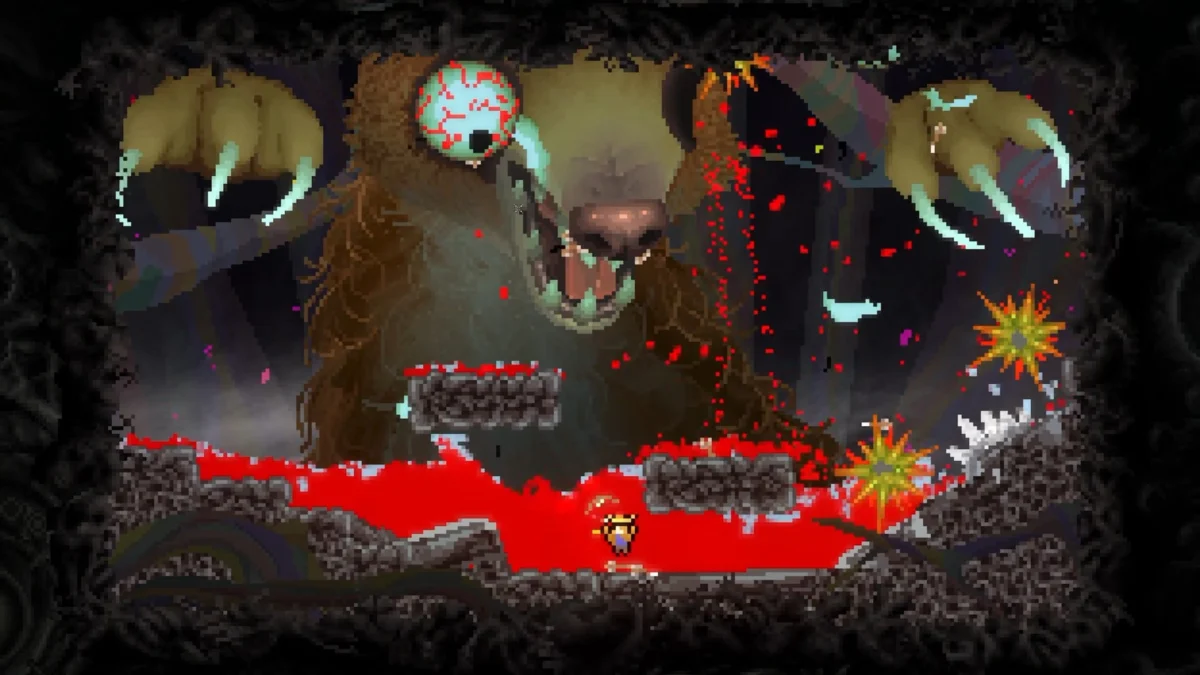
The Conceptual Foundation and Narrative Arc
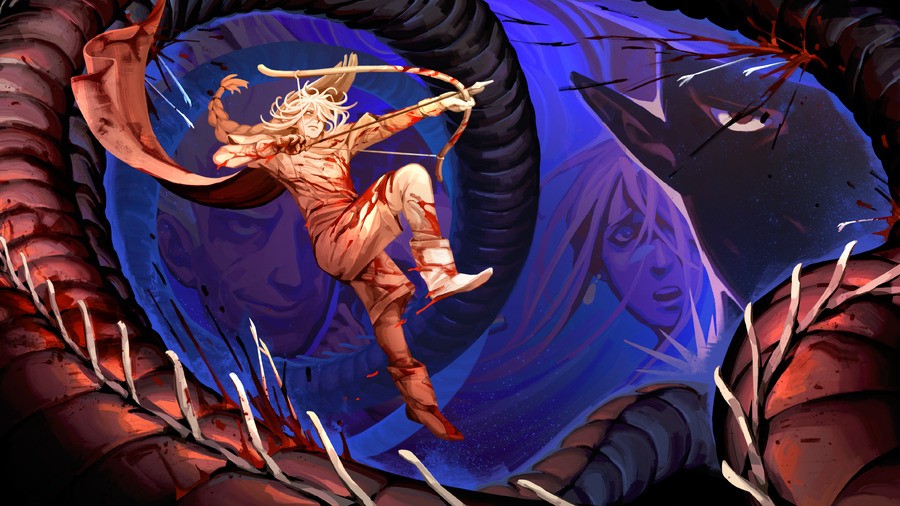
At its core, Little Prince Tyger draws substantial thematic inspiration from William Blake’s seminal 1794 poem, "The Tyger." The narrative follows a royal hunter commissioned by the Queen to retrieve her missing son, Prince Galaad, from a realm defined by eldritch horrors and haunting psychological manifestations. The game functions as a dark fantasy odyssey where the environment itself serves as an antagonist, populated by creatures that reflect the protagonist’s own fractured memories and insecurities.
The development team at Saltitude Games has emphasized that the narrative is not merely a backdrop for gameplay but an integral component of the player’s progression. By utilizing the framework of a royal rescue mission, the game forces the player to traverse increasingly hostile landscapes, effectively turning the journey into a descent into a macabre, nightmarish reality. The stakes—the return of the Prince—serve as the primary motivator, though the studio has hinted that the definition of "returning a hero" remains intentionally ambiguous, suggesting that the journey itself may exact a psychological toll that outweighs the success of the mission.
Mechanical Precision and Gameplay Architecture
Little Prince Tyger is categorized as a precision platformer, a sub-genre defined by the necessity of frame-perfect inputs and highly responsive character control. In the vein of titles like Super Meat Boy and Celeste, the game demands mastery of both movement and combat. The studio has confirmed the inclusion of 1,000 hand-designed stages, a figure that suggests a vast, content-dense experience that avoids the pitfalls of procedural generation, opting instead for deliberate, carefully tuned level architecture.
Combat mechanics are centered around a precision hunting bow, though players will have access to a broader arsenal, including javelins, boomerangs, and throwing knives. This versatility is designed to allow players to tailor their approach to various encounters, emphasizing a strategic use of distance and projectile management. Furthermore, the game will feature adjustable character statistics, allowing for a degree of "build-crafting" that is often absent in the more rigid iterations of the precision platformer genre.
The roguelike element—the death-and-rebirth loop—is not presented as a setback but as a fundamental mechanic of growth. With each failure, the hero retains knowledge and, presumably, incremental improvements that facilitate future attempts. This "learning through attrition" model is expected to provide a high ceiling for difficulty, catering to a demographic of players who seek challenge as a core component of their entertainment experience.
Visual and Artistic Direction
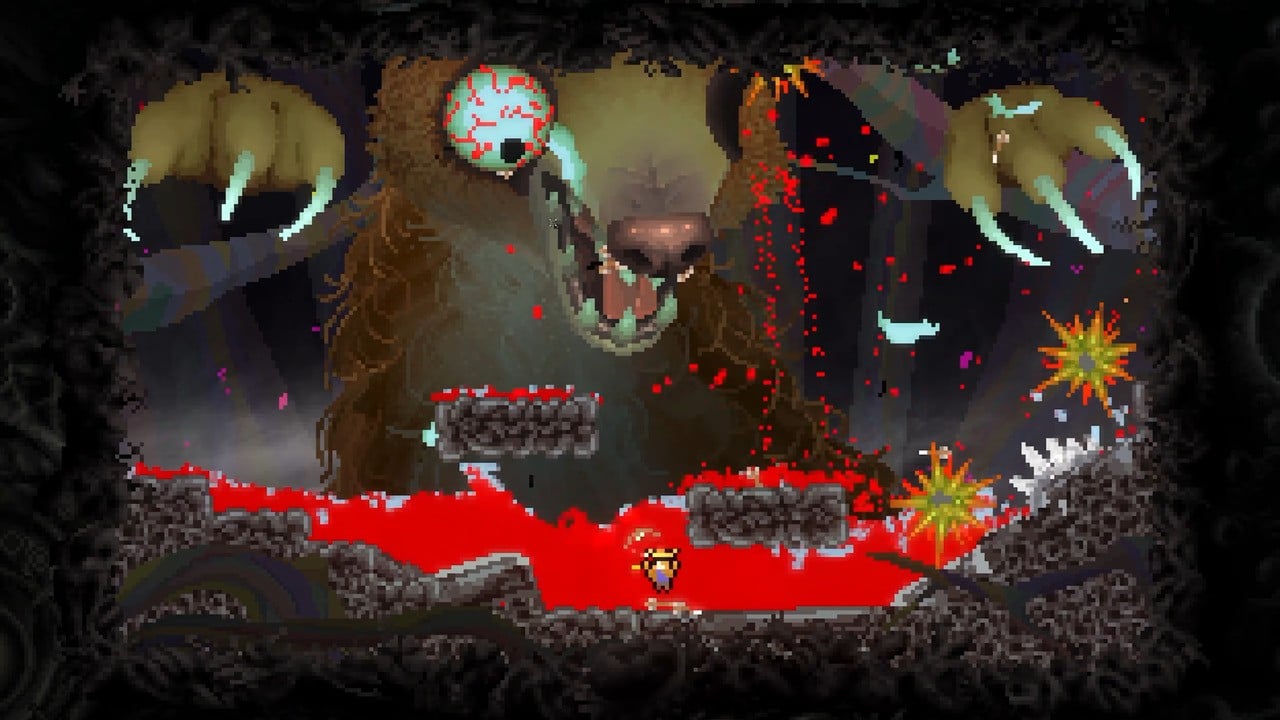
The aesthetic of Little Prince Tyger is arguably its most distinctive feature. While the game retains a retro-infused visual style, it departs from the nostalgic warmth often associated with pixel art, instead embracing a "skin-crawling" horror aesthetic. The visual design team has cited influences from noted horror artists, including Junji Ito and Shintaro Kago, both of whom are known for their ability to blend beauty with body horror and existential dread.
Early promotional materials, including the debut trailer, showcase a world dominated by unsettling imagery: eye sockets, grotesque organic architecture, and a persistent, blood-drenched color palette. This stylistic choice acts as a counterpoint to the gameplay’s technical precision. By contrasting the clinical, "scalpel-sharp" movement requirements with such chaotic and visceral visuals, Saltitude Games is positioning the title as a unique entry in the current gaming landscape, targeting a niche that appreciates both high-skill mechanical requirements and mature, horror-themed narrative delivery.

Development Timeline and Publishing Strategy
The partnership with Team17—a veteran publisher in the independent gaming sector—suggests a robust support structure for the project. Team17’s involvement implies that Little Prince Tyger will benefit from extensive quality assurance, marketing, and distribution reach, which is critical for an ambitious indie project of this scope.
The development roadmap currently points toward a 2027 release window for the PC platform. While consoles have not been explicitly ruled out, the current development focus is exclusively on the PC, allowing the team to optimize the precision controls and graphical assets without the technical constraints of varied hardware architectures. The multi-year lead time indicates that Saltitude Games is currently in the heavy-production phase, focusing on finalizing the 1,000 stages and refining the combat balance.
Industry Implications and Market Positioning
The decision to pair a high-difficulty platformer with extreme gore and body horror is a strategic move that reflects broader trends in the indie gaming market. Players are increasingly seeking games that provide a "complete experience"—a combination of deep, skill-based gameplay and a strong, thematic atmosphere.
By aligning themselves with the "precision" label, the developers are signaling that the game is intended for experienced players. However, by incorporating adjustable stats and an arsenal of weaponry, they are also attempting to mitigate the potential alienation of players who find the pure, unforgiving nature of standard precision platformers prohibitive. This balancing act—providing difficulty that is challenging but surmountable—is the hallmark of successful titles in the genre.
Moreover, the horror influence provides the title with a unique marketing angle. While there is no shortage of platformers in the market, there is a distinct shortage of games that successfully marry the mechanical density of a precision platformer with the narrative depth and visual intensity of a horror game. This positioning could allow Little Prince Tyger to stand out in a saturated digital storefront environment, potentially capturing a dedicated fanbase that spans both the competitive platforming community and the horror gaming subculture.
Analytical Outlook
As of late 2026, the progress of Little Prince Tyger suggests a project with a clear, uncompromising vision. The sheer volume of hand-designed content—1,000 stages—is an ambitious undertaking that will require significant post-production polishing. If the studio manages to maintain the level of quality across all stages without succumbing to "filler" design, the game could set a new benchmark for quantity and quality in the indie space.
The reliance on horror tropes like body modification and existential dread also positions the game as a more mature offering, potentially limiting its broad-market appeal but deepening its resonance with a specific, committed audience. Industry analysts note that for indie studios, this "niche-focused" strategy is often more sustainable than attempting to appeal to the widest possible demographic. By creating an experience that is deeply memorable and visually arresting, Saltitude Games is investing in long-term brand recognition.
As the 2027 release date approaches, stakeholders will be monitoring the project for more granular details regarding the combat system and the specific progression mechanics. The integration of "adjustable stats" will be particularly scrutinized, as it will determine how the game manages its difficulty curve and whether it successfully bridges the gap between casual and hardcore players.

In summary, Little Prince Tyger represents an intriguing intersection of classical literary inspiration, modern roguelike mechanics, and a daring, visceral visual identity. While the challenges of delivering a 1,000-stage, high-precision title are substantial, the involvement of an experienced publisher like Team17 and the clearly defined artistic vision of Saltitude Games suggest that the project is well-positioned to become a notable addition to the PC gaming library upon its release in 2027. The project serves as a reminder that even within well-established genres like the platformer, there remains significant room for aesthetic and thematic innovation, provided the developer is willing to embrace the darker corners of the medium.