 Cecilia Chamidah Nur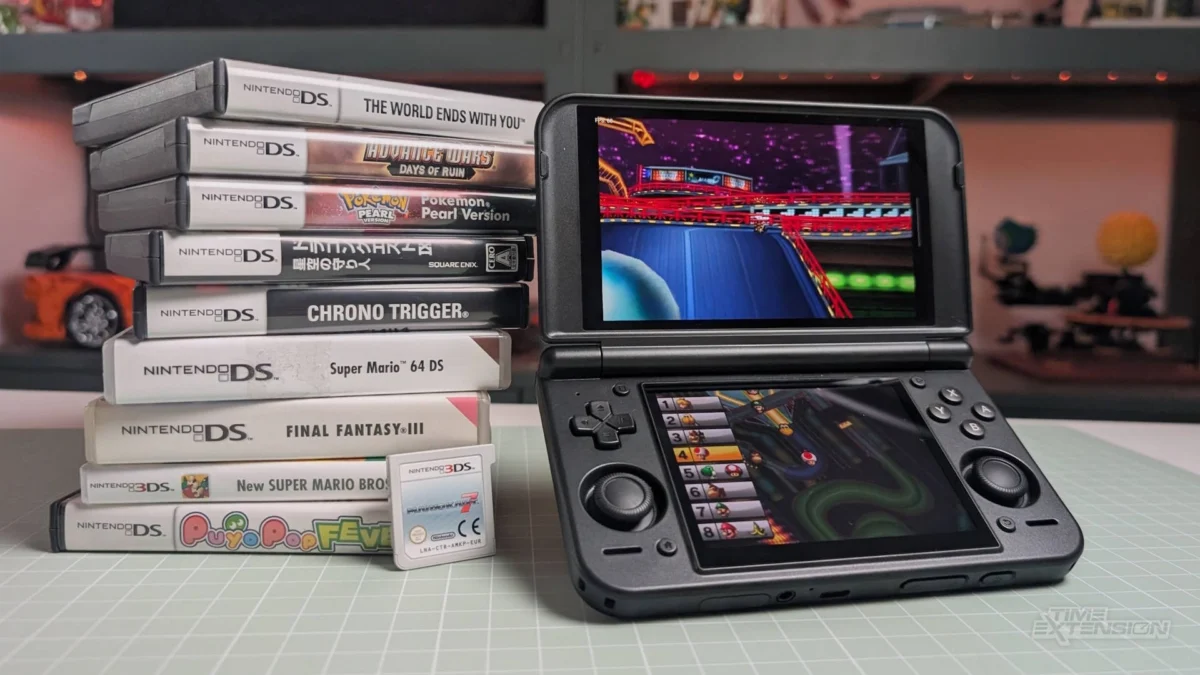
The release of the Retroid Pocket Duo Lite represents a significant moment in the niche but rapidly expanding sector of retro emulation handhelds. Priced at $149, the device aims to bridge the gap between budget-friendly portable consoles and high-end, emulation-capable hardware. However, recent performance analysis indicates that the device occupies a precarious position in the market, struggling to reconcile its premium physical construction with significant internal hardware limitations. While the device features a design language reminiscent of the iconic Nintendo DS, its inability to reliably emulate the very library it was designed to emulate has prompted concerns regarding its viability for consumers.
Chronology of the Product Launch and Market Positioning
Retroid, a subsidiary of the hardware manufacturer AYN, has long been a key player in the retro gaming ecosystem. The launch of the Pocket Duo Lite followed a rapid succession of product announcements within the company’s lineup, including the more robust Pocket Duo ($269) and the subsequently introduced Duo Lite Plus ($219). This tiered release strategy, occurring over a matter of weeks, suggests an attempt by the manufacturer to capture various segments of the market simultaneously.
However, the rapid iteration—specifically the introduction of the "Plus" variant shortly after the initial launch—has created confusion among consumers. The timeline of these releases reflects an industry trend where manufacturers are under pressure to release hardware at increasingly shorter intervals to stay relevant against competitors like Anbernic, which recently released the RG DS Plus ($95). Market analysts have noted that this "scattershot" approach to product releases often results in internal competition, where newer, higher-performing models cannibalize the sales and reputation of their predecessors.
Hardware Specifications and Ergonomic Analysis
The Retroid Pocket Duo Lite is characterized by a high-quality chassis that significantly exceeds the expectations of a $149 device. The build quality, utilizing durable, fingerprint-resistant plastics, contrasts sharply with the glass-heavy aesthetic found in more expensive offerings such as the AYN Thor. Ergonomically, the device draws heavily from AYN’s design philosophy, featuring rounded edges that improve comfort during extended gaming sessions.
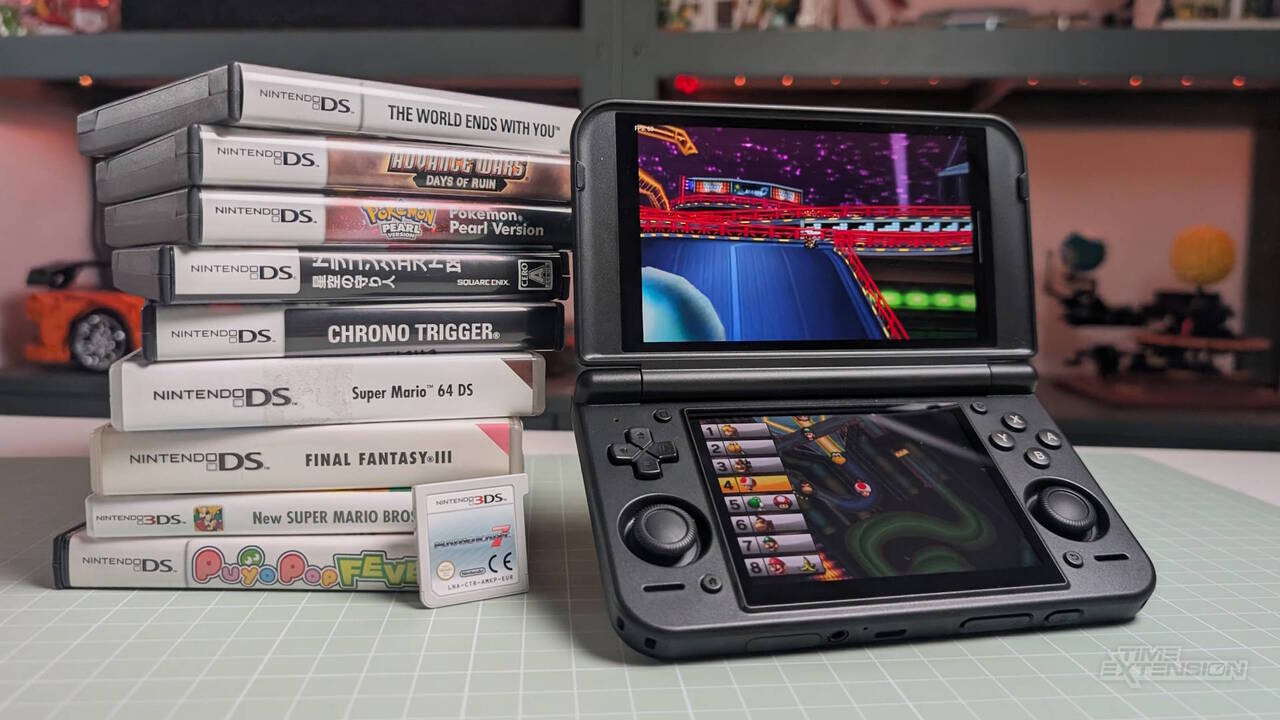
The control scheme features a dual-stick configuration and a tactile D-pad. The D-pad’s placement on the top-left is widely considered the industry standard for DS-style emulation, providing a familiar interface for titles requiring precise inputs. Conversely, the analog sticks are heavily inset, limiting their range of motion. Technical specifications reveal that the internal hardware is insufficient for demanding platforms like the PlayStation 2, restricting the device’s capabilities largely to Dreamcast and older generations.
A critical design oversight noted by hardware enthusiasts is the absence of a built-in stylus. For a device marketed as a dual-screen portable, the lack of an integrated stylus forces users to rely on alternative methods, hindering the usability of touch-based titles. Furthermore, the inclusion of in-line shoulder buttons—which are criticized for their audible clicking—suggests a cost-saving measure that detracts from the otherwise premium feel of the unit.
Screen Configuration and Display Disparity
One of the most complex aspects of the Pocket Duo Lite is its dual-panel display system. The device features a 4:3 bottom screen (1280 x 960) and a widescreen top panel. While this configuration offers versatility for emulating diverse systems like the PSP, it creates a notable imbalance when playing Nintendo DS titles. Because the panels do not share identical height specifications, users are forced to choose between disparate screen sizes or significant aspect ratio scaling, both of which degrade the visual fidelity of the original software.
In terms of power management, the device includes a 6,000mAh battery capable of providing 7 to 9 hours of gameplay. While the endurance is commendable, the 2.5-hour charging cycle is considered slow by contemporary consumer electronics standards. The internal speakers, situated beneath the analog sticks, provide adequate volume but lack the acoustic depth of a front-facing or screen-adjacent setup, further highlighting the device’s architectural compromises.
Technical Performance and Emulation Challenges
The core of the Pocket Duo Lite’s performance issues lies in the choice of the Qualcomm Dragonwing QCS6125 chipset. This processor, a variant of the Snapdragon 665, is effectively a mid-range mobile component that struggles with the specific demands of dual-screen emulation.
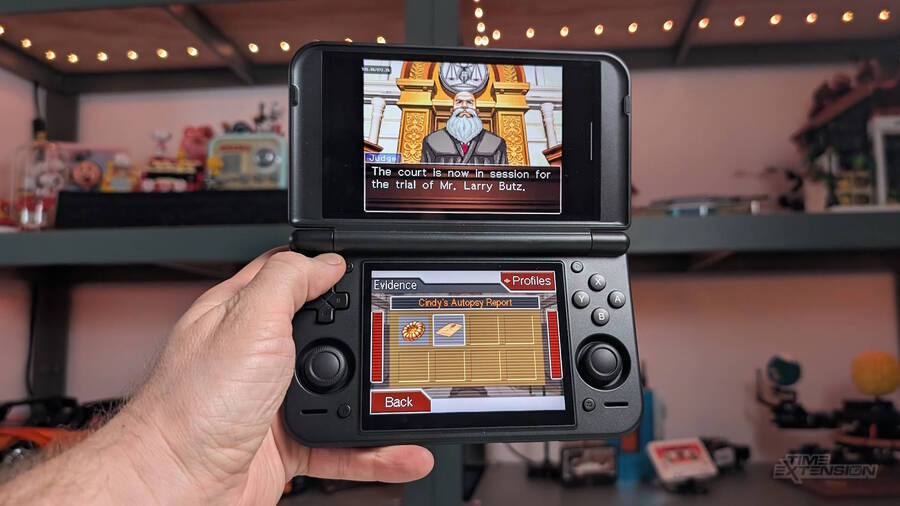
During rigorous testing, the device failed to run Nintendo 3DS titles with any level of consistency. Even for Nintendo DS software—a platform that has seen significant optimization across the emulation community—the Pocket Duo Lite struggled. Standard emulators such as MelonDS proved too resource-intensive, and while the aging DraStic emulator functioned, it was limited to native resolution.
The industry response to these limitations has been the development of community-driven solutions. The emergence of "SeedlessDS," a project designed to optimize performance on the QCS6125 chipset, offers a glimmer of hope for users. By building upon the legacy codebase of existing emulators, the project aims to add features like RetroAchievements and better upscaling. However, the requirement for users to manually configure and optimize software presents a high barrier to entry for casual consumers who expect a "plug-and-play" experience.
Comparative Market Analysis: The Impact of Alternatives
When evaluating the Pocket Duo Lite against its immediate competitors, the value proposition weakens significantly. The Anbernic RG DS Plus, while cheaper, provides a more streamlined and reliable emulation experience, particularly when paired with community-developed firmware like GammaOS. The ability to integrate a stylus into the RG DS Plus chassis demonstrates a level of user-centric design that the Retroid model lacks.
The implications for the broader handheld market are clear: hardware polish cannot compensate for software inefficiency. As the sector matures, consumers are increasingly prioritizing consistent performance and firmware optimization over aesthetic appeal. The decision to release the Duo Lite Plus—which incorporates the more powerful chipset of the higher-tier Duo—serves as an implicit admission by the manufacturer that the original Lite model failed to meet performance benchmarks.
Broader Industry Implications and Future Outlook
The launch of the Retroid Pocket Duo Lite serves as a case study in the challenges of the current retro-emulation boom. As manufacturing costs for high-quality plastic shells drop, companies are shifting their focus to internal optimization. However, the reliance on older, low-power mobile chipsets continues to haunt budget-tier devices.
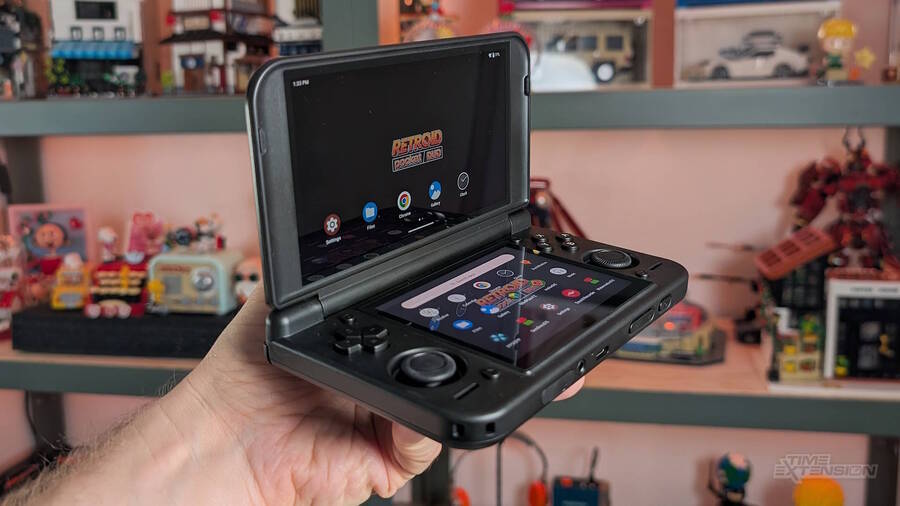
From an industry standpoint, the fragmentation of the Retroid lineup—with three different versions of the dual-screen handheld appearing in such a short window—risks diluting the brand’s market share. Consumers are left to navigate a confusing array of hardware tiers, each with varying levels of software support.
For the Retroid Pocket Duo Lite to gain long-term utility, it would require significant firmware refinement. Until a mature, highly optimized OS is available, the device remains an outlier in a market that is increasingly dominated by devices that offer better value for money. The lesson for manufacturers moving forward is that in an era of community-led software optimization, the hardware itself must provide a stable foundation. Without that, even the most ergonomic and aesthetically pleasing device will ultimately fall short of expectations, leaving enthusiasts to turn toward more reliable, albeit less "premium-looking," alternatives. The current landscape suggests that the market has little patience for mid-range hardware that fails to execute its primary function, cementing the need for manufacturers to prioritize internal capabilities alongside industrial design.