Johny Imanuel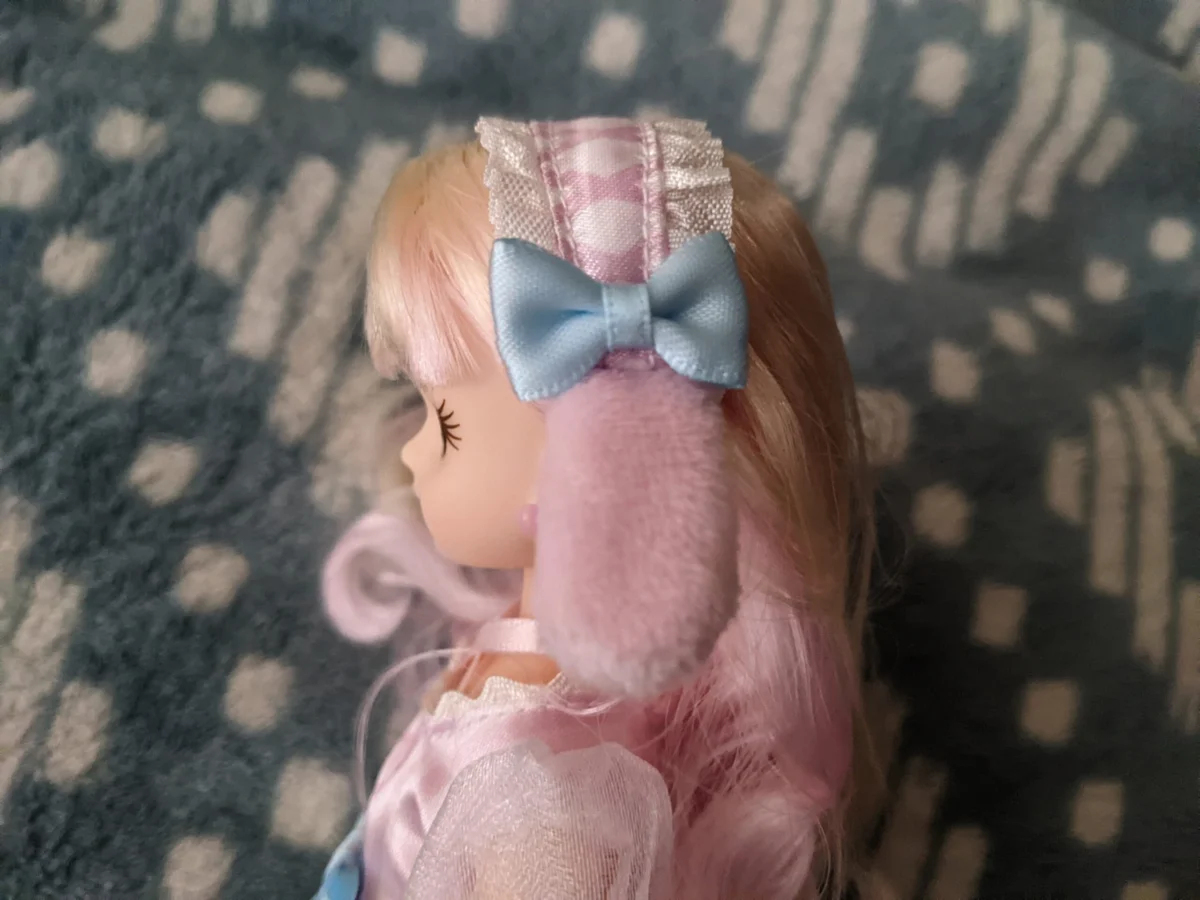
Takara Tomy has officially initiated its strategic expansion of the Licca-chan doll line into the North American market, marking a significant milestone for the iconic Japanese fashion doll brand. As part of the 2026 rollout, the company has introduced a specialized collection featuring high-profile crossovers with the critically acclaimed anime series Frieren: Beyond Journey’s End and the globally recognized Sanrio characters Kuromi and My Melody. This move represents a shift in Takara Tomy’s international distribution strategy, moving away from a reliance on third-party importers toward a direct retail presence in Western territories. The debut collection emphasizes intricate craftsmanship and textile diversity, positioning the Licca-chan brand as a premium alternative to established Western fashion doll franchises such as Mattel’s Barbie and MGA Entertainment’s Bratz and Monster High.
Historical Context and the Evolution of Licca-chan
Since her debut in 1967, Licca-chan (full name Licca Kayama) has served as Japan’s premier fashion doll, often described as the Japanese equivalent to Barbie. Created by manga artist Miyako Maki, the doll was designed to reflect the aesthetic preferences and fashion trends of Japanese children and collectors. Over nearly six decades, Takara Tomy has sold more than 60 million units, maintaining the brand’s relevance through continuous updates to Licca-chan’s backstory, career, and fashion sensibilities.
While Licca-chan has enjoyed minor presence in international markets through specialty hobby shops and online exporters, the 2026 North American launch signifies the first coordinated effort to establish a permanent retail footprint in the United States and Canada. This expansion follows a series of successful limited-edition collaborations in Japan, including partnerships with Oshi no Ko and the Super Mario series, which demonstrated the brand’s versatility in adapting to diverse intellectual properties.
Detailed Analysis of the 2026 Crossover Collection
The initial North American wave focuses on "character-accurate" designs, where the doll serves as a canvas for the aesthetic of the crossover partner. The Frieren: Beyond Journey’s End and Sanrio collaborations highlight a commitment to material quality that distinguishes the line from standard mass-market playthings.
Frieren: Beyond Journey’s End Edition
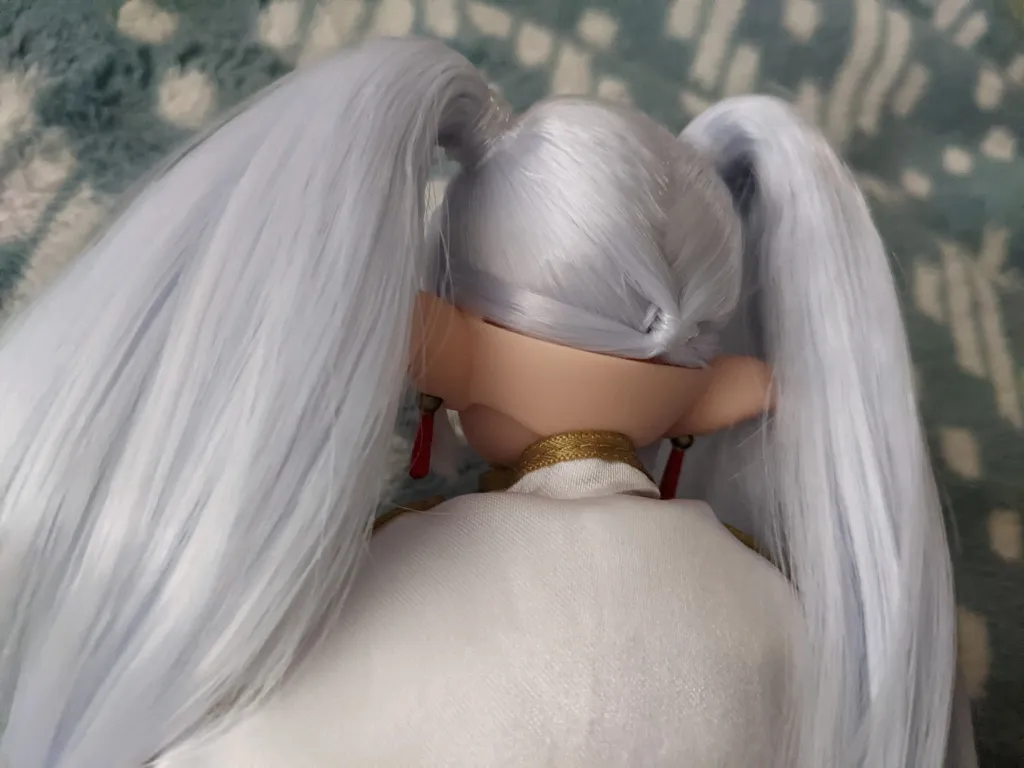
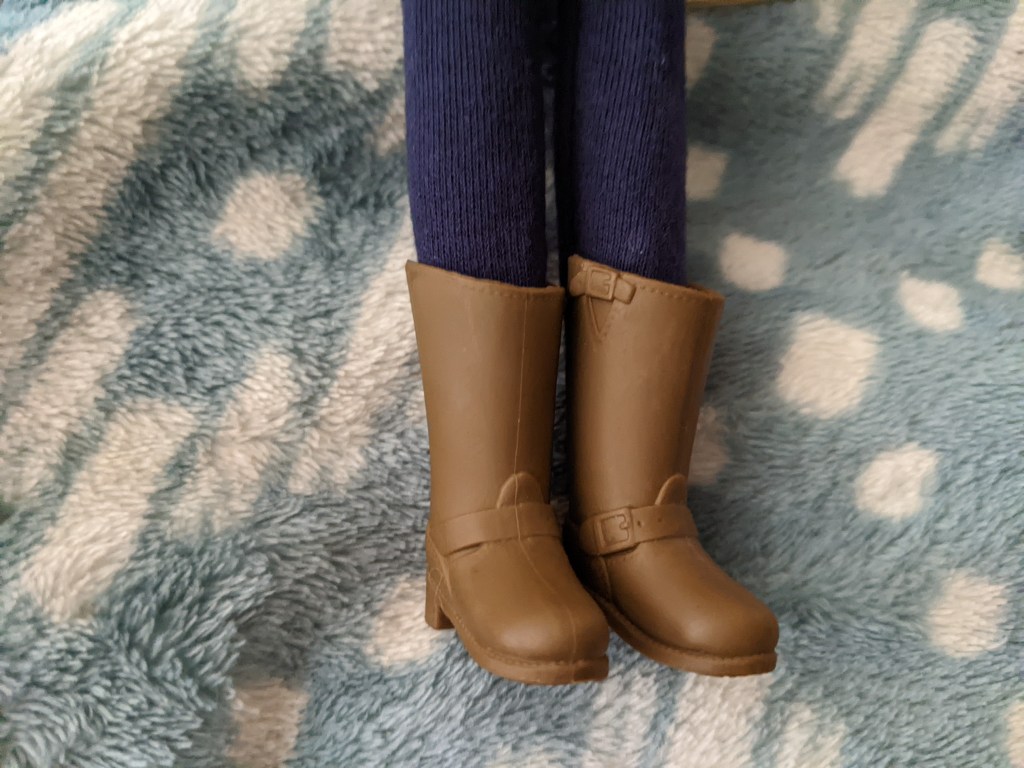
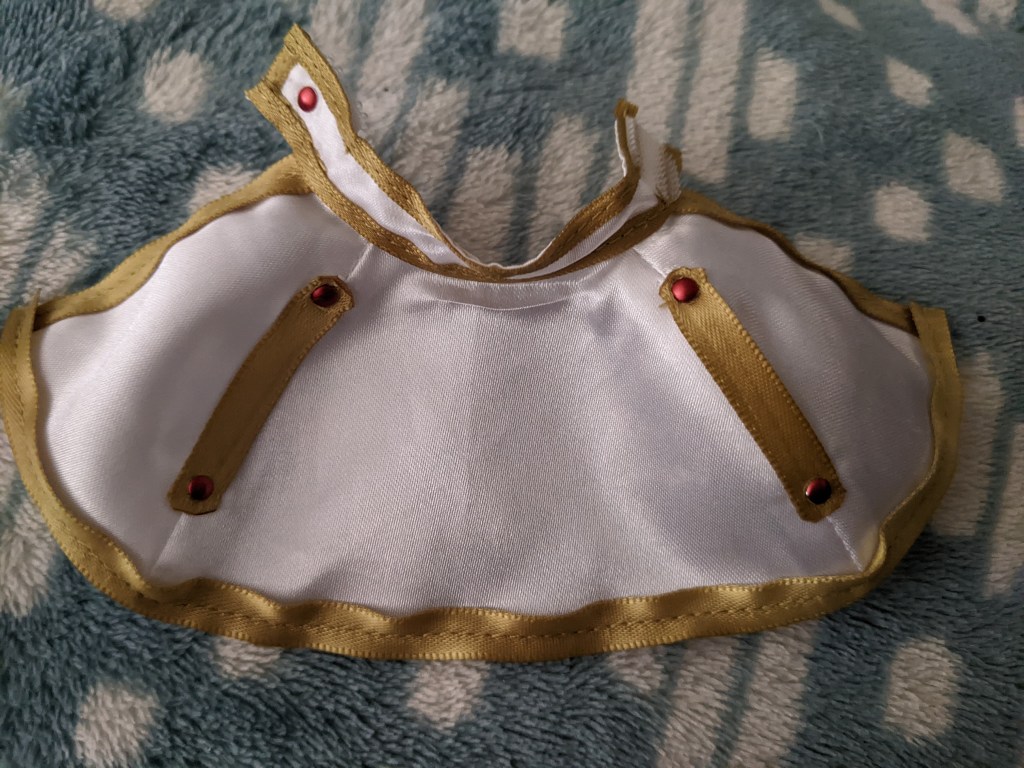
The Frieren Licca-chan doll is a meticulous recreation of the titular elven mage. The design includes specialized prosthetic elf ears integrated into the head sculpt, accompanied by removable red droplet earrings that match the character’s signature accessory. The garment construction utilizes a mix of textiles; the dress features gold ribbon trim and fabric-based black stripes on the bodice, eschewing the cheaper printed-on patterns common in modern doll manufacturing. The ensemble is completed with a removable capelet featuring a functional copper-toned button and brown molded boots with rear slits for ease of use. While the set does not include Frieren’s staff, the facial paint—including the character’s distinct brown eyebrows and expressive eye design—remains faithful to the source material.
Sanrio Crossovers: My Melody and Kuromi
The Sanrio-themed dolls leverage the "Lolita" fashion subculture, which is deeply rooted in Japanese youth style.
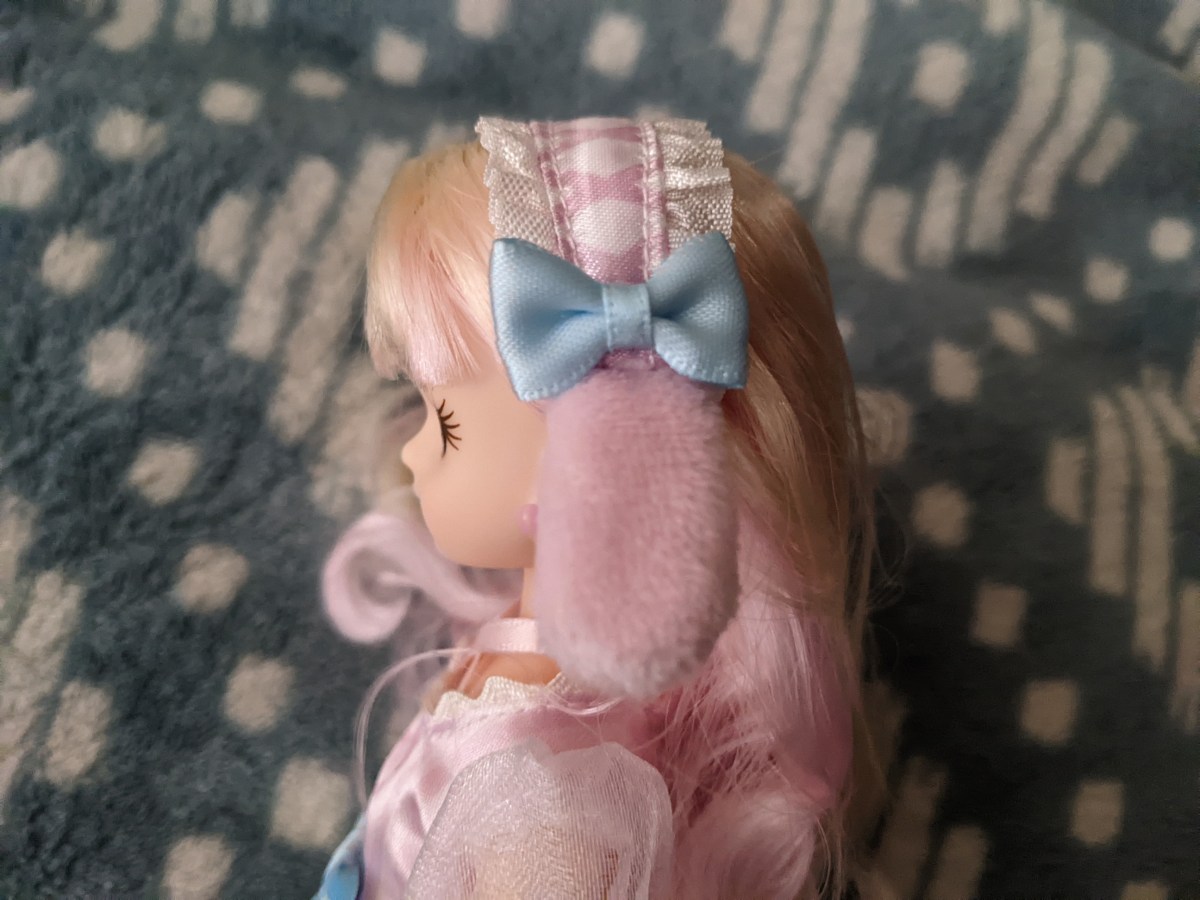
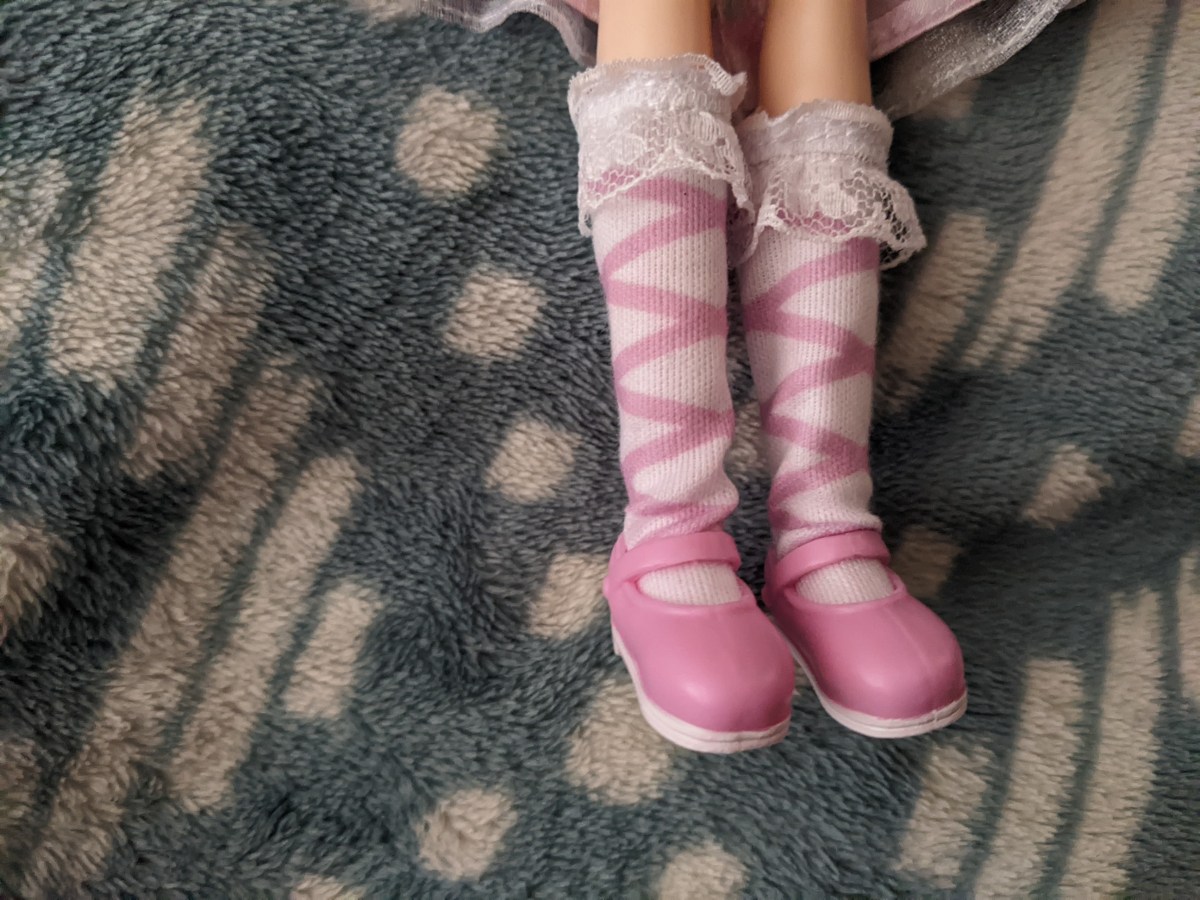
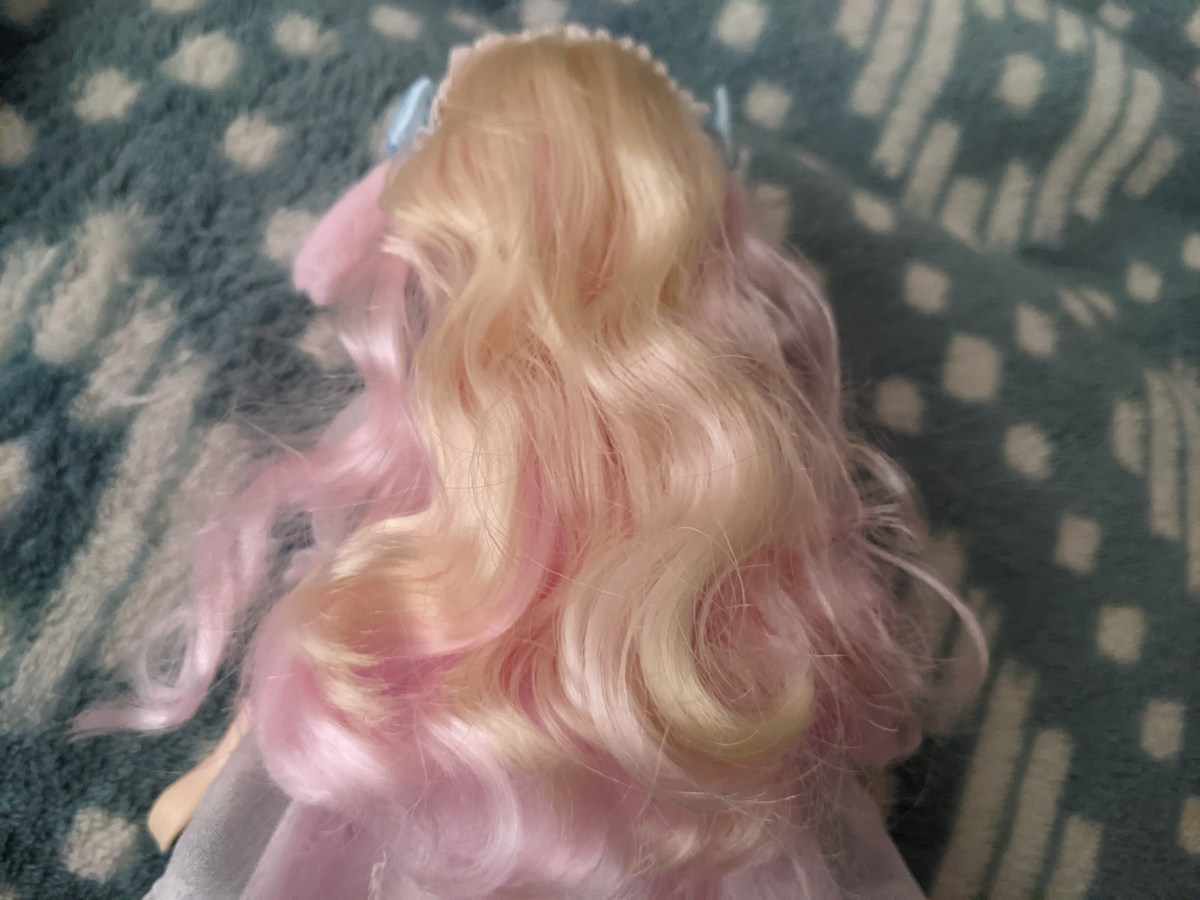
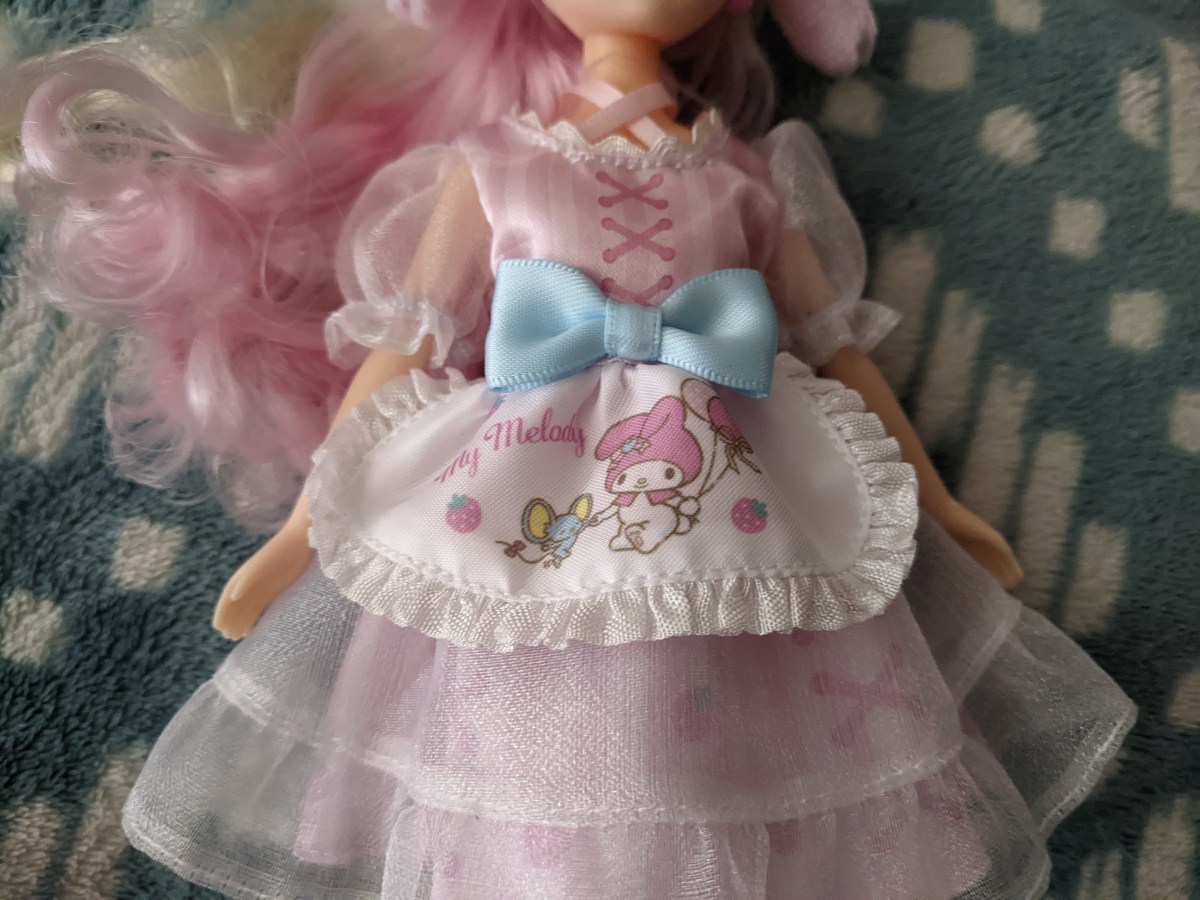
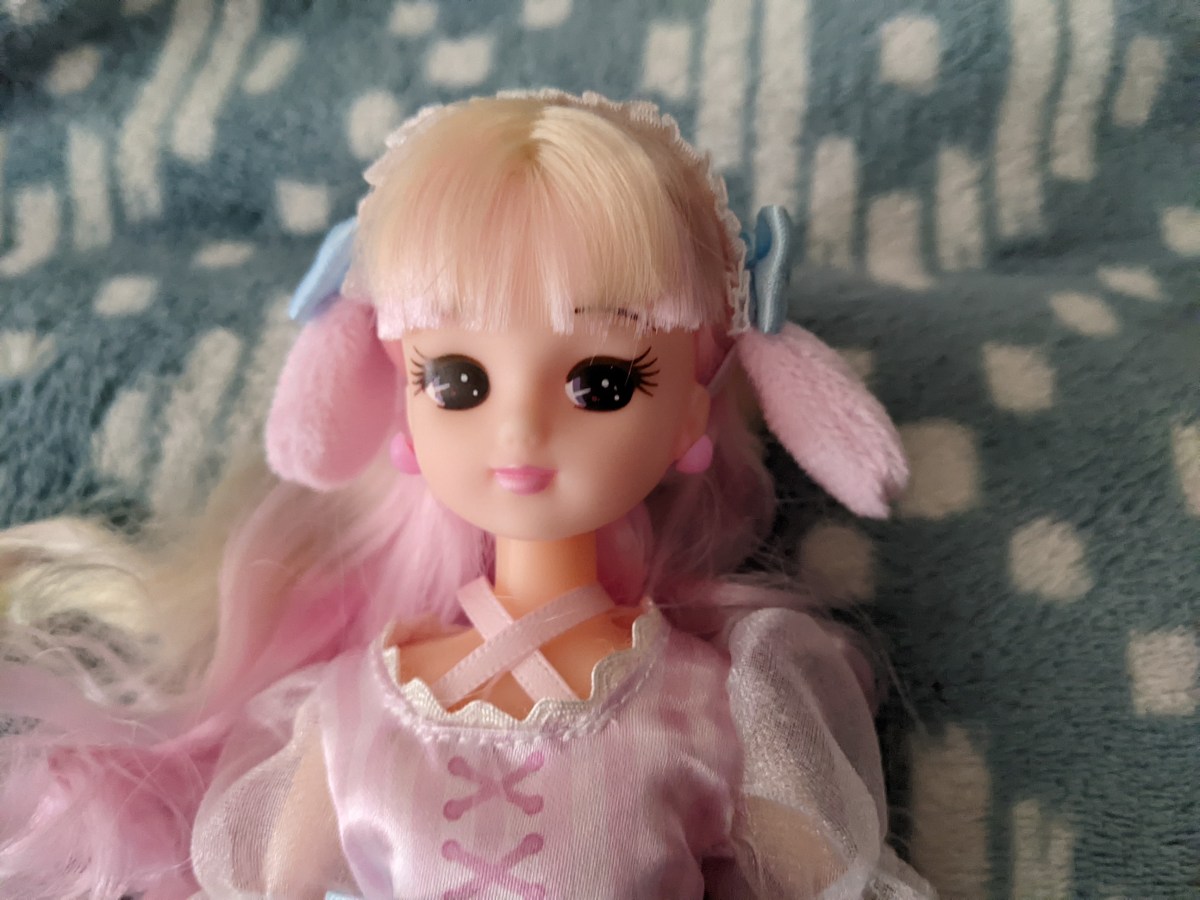
- My Melody Licca: This doll utilizes a "Sweet Lolita" aesthetic, characterized by a pink and white color palette. The outfit features complex layers of chiffon and organza, with intricate stitching on the sleeves and headpiece. The headpiece itself is a multi-material accessory involving plush bunny ears, blue bows, and lace. The hair is notable for its dual-tone rooting, featuring a blonde upper layer and a pink lower layer.
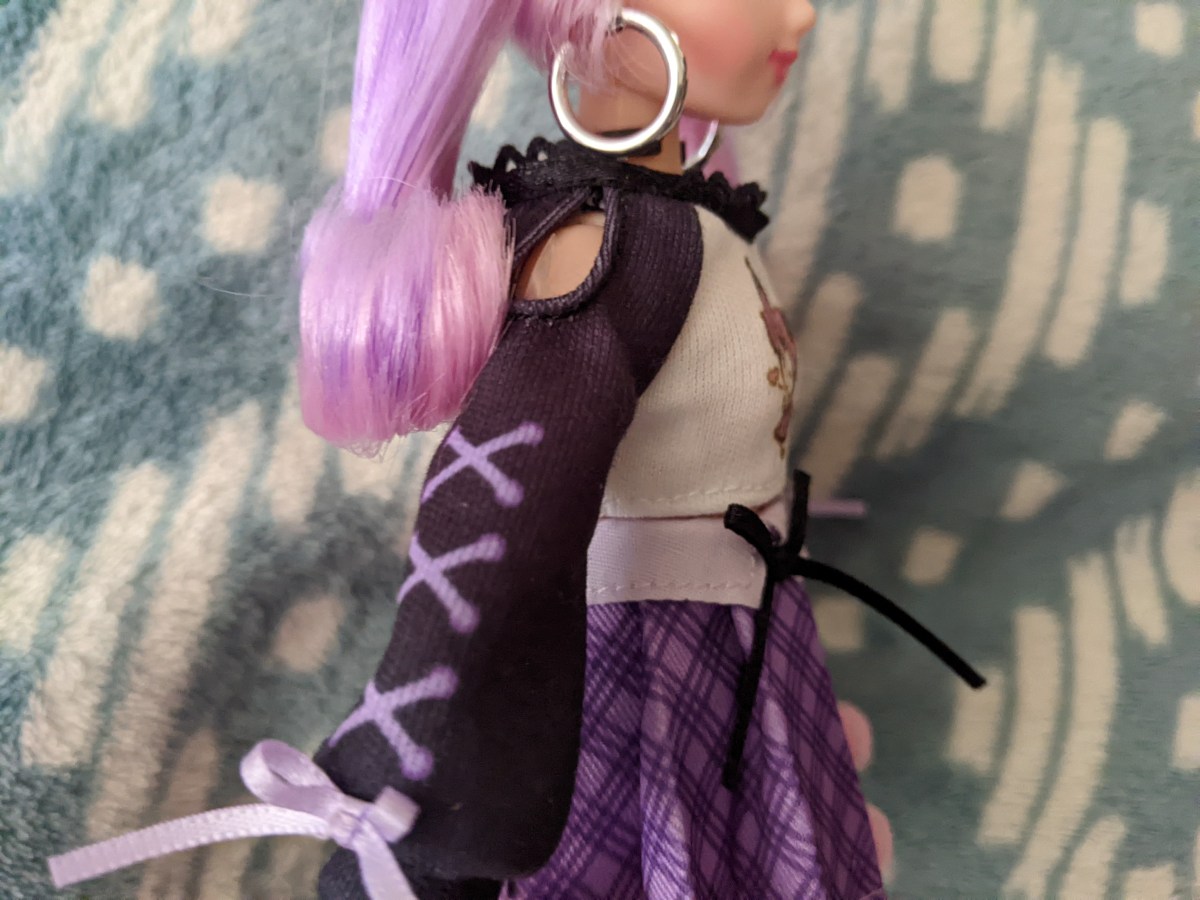
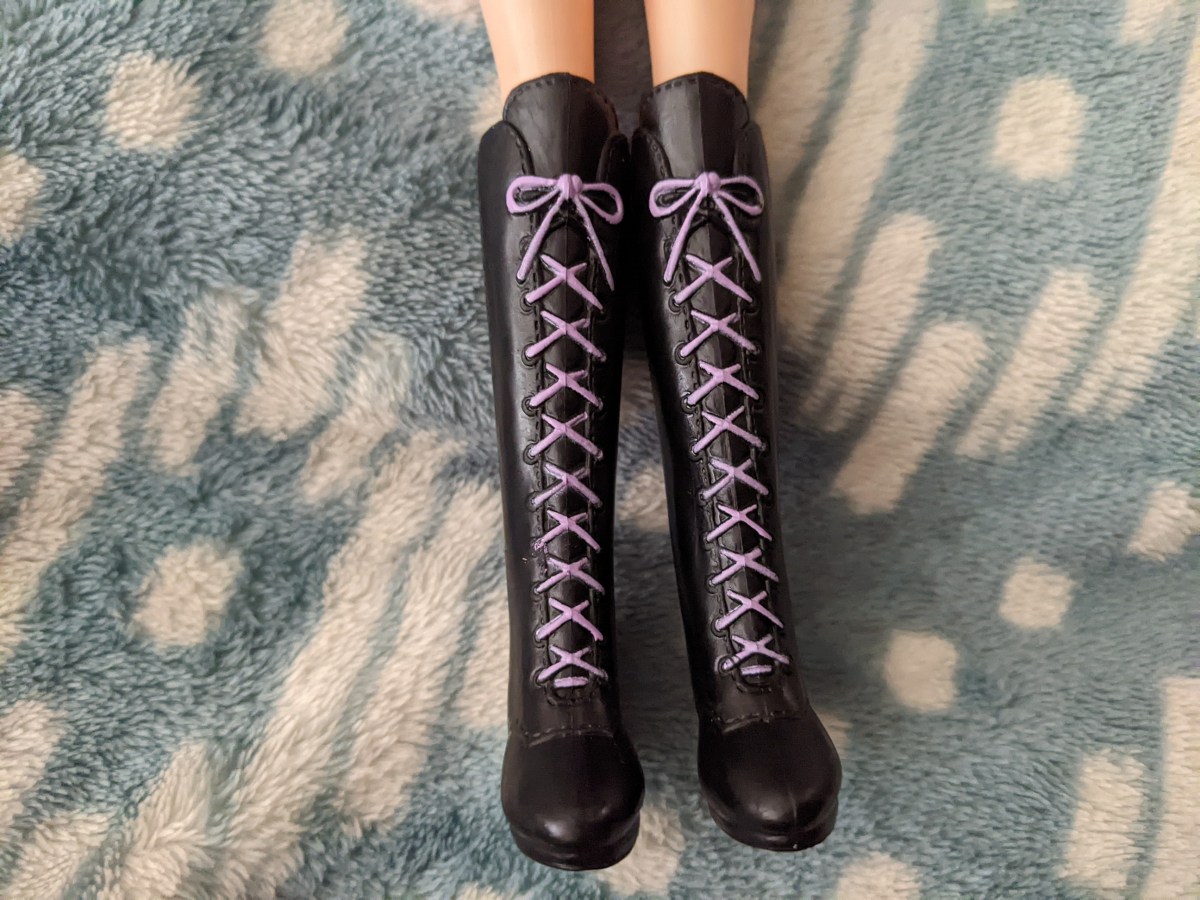
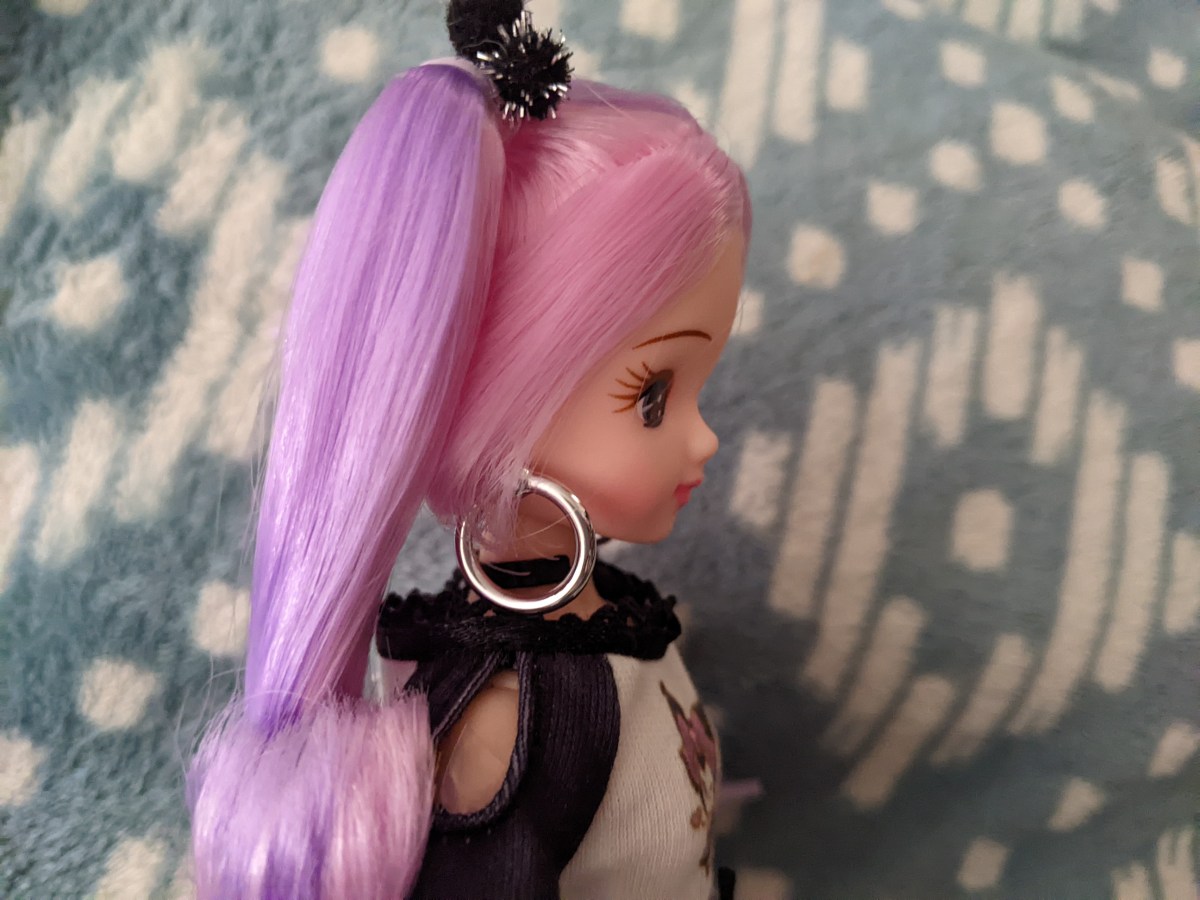
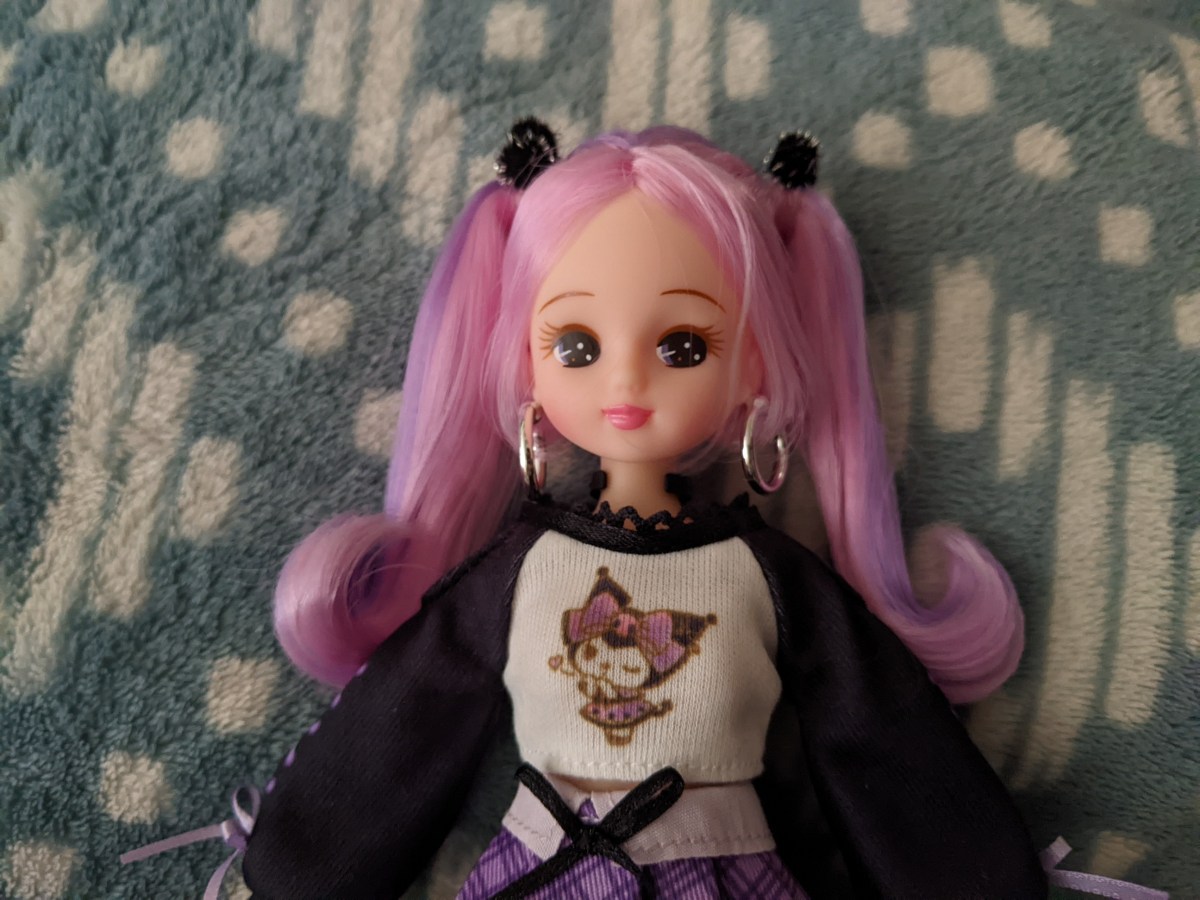
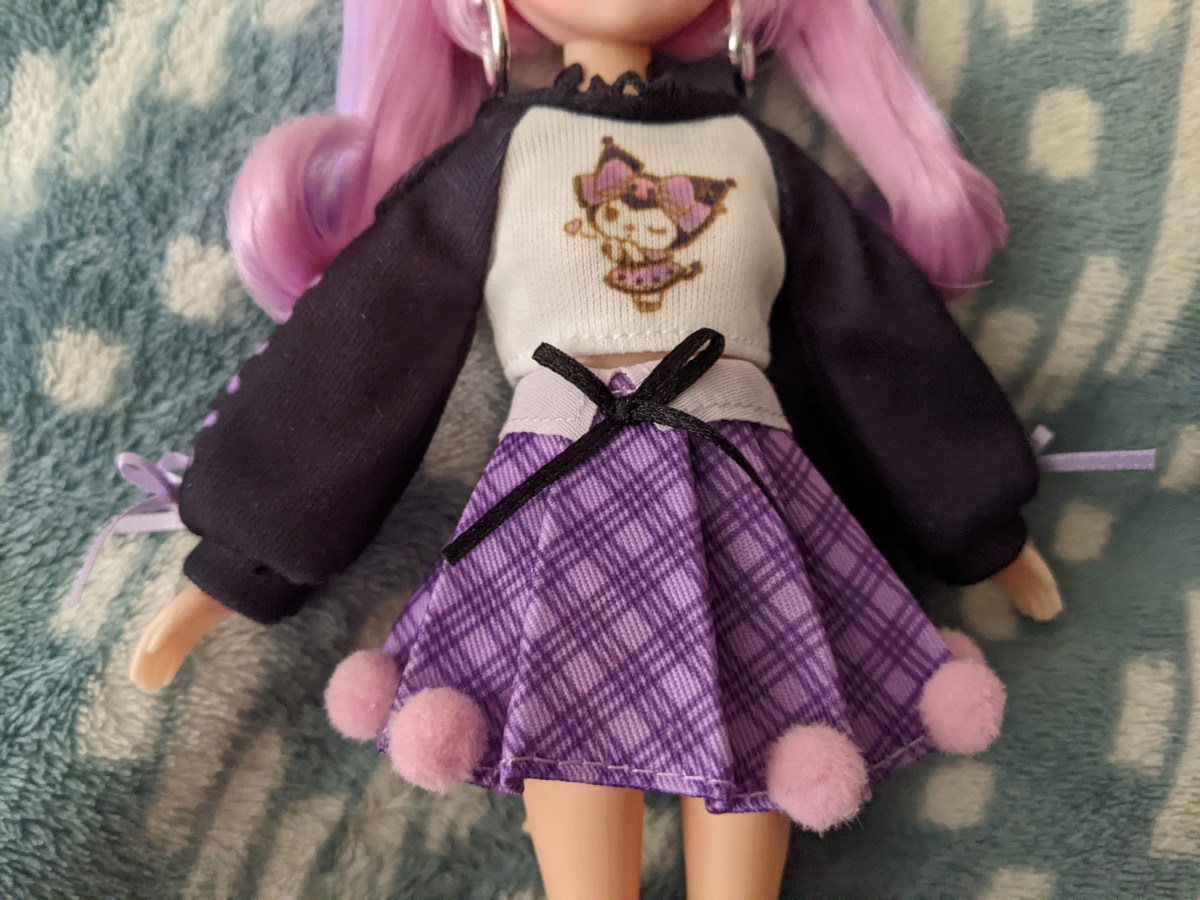
- Kuromi Licca: Representing the "Gothic Punk" aesthetic, the Kuromi doll features a purple plaid skirt with pleating, black pom-poms, and oversized hoop earrings. The top includes shoulder slits and black lace accents. Similar to the My Melody variant, the Kuromi doll features thematic hair highlights, in this case, purple streaks set against a darker base.
Technical Specifications and Manufacturing Standards
A key differentiator for the Licca-chan line in the North American market is its structural design and packaging efficiency. Unlike many Western dolls that utilize oversized "blister packs" to increase shelf visibility, Takara Tomy has opted for compact, window-style boxes. These containers are designed for stability, allowing them to stand upright for "complete-in-box" (CIB) collectors without the need for additional stands.
The dolls themselves possess a specific articulation profile. While they lack the multi-jointed "made to move" articulation found in some premium Western lines, the plastic composition is designed for flexibility. The arms and legs are poseable through a bendable internal structure, and the dolls feature rotation at the shoulders, hips, neck, and upper torso. This balance of aesthetics and functionality is intended to appeal to both younger demographics and the adult collector market, which currently accounts for a growing percentage of global doll sales.
Market Trends and Economic Implications
The decision to bring Licca-chan to North America comes at a time when the "Kidult" market—adults who purchase toys for themselves—is a primary driver of growth in the toy industry. According to market research data, the collector segment now represents over 25% of annual toy sales in the United States. By leveraging popular anime licenses like Frieren, Takara Tomy is directly targeting the "Otaku" subculture, which has shown a high willingness to pay for imported collectibles.
Furthermore, direct North American distribution mitigates several economic hurdles that previously limited the brand’s growth. Historically, importing Licca-chan dolls from Japan involved high shipping costs, fluctuating currency exchange rates, and potential tariffs. By establishing a domestic distribution network, Takara Tomy can offer more competitive pricing and ensure a more consistent supply of popular variants, which often command high premiums on the secondary market.
Chronology of the North American Launch
The path to the 2026 release was preceded by several years of market testing and brand positioning:
- 2023-2024: Takara Tomy increased its presence at major North American conventions, such as Anime Expo and San Diego Comic-Con, gauging consumer interest in Japanese-spec dolls.
- Early 2025: The company announced its intention to launch an official North American web portal and distribution agreement with major retailers.
- Late 2025: Pre-orders for the Frieren and Sanrio crossover dolls opened, frequently selling out within hours on specialty hobby sites.
- Q1 2026: The official rollout began, with the first wave of crossover dolls reaching consumers and retail shelves.
Industry Reactions and Broader Impact
Industry analysts suggest that the entry of Licca-chan could force Western manufacturers to re-evaluate their quality-to-price ratios. "The level of detail in the Licca-chan crossover outfits—using actual lace, ribbons, and multi-layered fabrics—sets a high bar," noted one retail consultant. "Western brands have increasingly relied on printed-on details to save costs, but as Japanese brands move in, consumer expectations may shift toward more tactile and authentic materials."
The Sanrio partnership, in particular, is seen as a strategic masterstroke. Sanrio’s characters already possess immense brand equity in North America. By pairing them with Licca-chan, Takara Tomy is utilizing a "bridge" IP to introduce a new doll format to an audience already predisposed to the aesthetic.
Conclusion and Future Outlook
The North American release of the Licca-chan Frieren, Kuromi, and My Melody dolls represents more than just the arrival of new toys; it is a calculated effort to globalize a Japanese cultural staple. By focusing on intricate details, compact and efficient packaging, and high-value licenses, Takara Tomy is positioning Licca-chan as a sophisticated alternative in a crowded marketplace. As the rollout continues throughout 2026, the success of these initial crossover dolls will likely determine the extent of Takara Tomy’s future investments in the Western toy industry and whether other Japanese heritage brands follow suit in seeking direct international expansion.