Johny Imanuel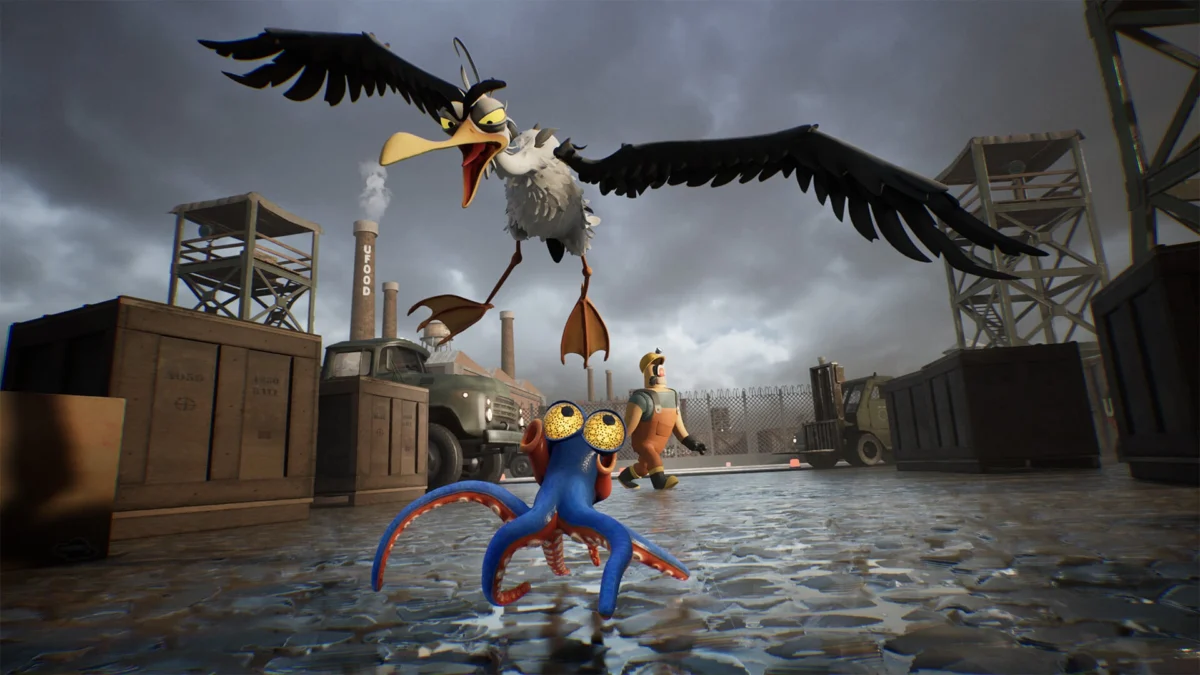
Darwin’s Paradox represents a notable shift in Konami’s contemporary publishing strategy, offering a condensed, high-intensity stealth-adventure experience that prioritizes mechanical density over traditional long-form gameplay. Released for the Nintendo Switch 2, PlayStation 5, Xbox Series X, and PC, the title introduces players to Darwin, an octopus thrust into a high-stakes escape mission from a malevolent industrial entity known as UFOOD. While the gaming industry has trended toward massive open-world environments requiring dozens of hours to complete, Darwin’s Paradox positions itself as a "short-form delight," typically concluded within a three-to-five-hour window. This strategic focus on brevity has sparked discussions regarding the value proposition of modern AA titles and the technical limitations of porting sophisticated stealth mechanics to hybrid hardware.
Narrative Overview and the UFOOD Antagonist
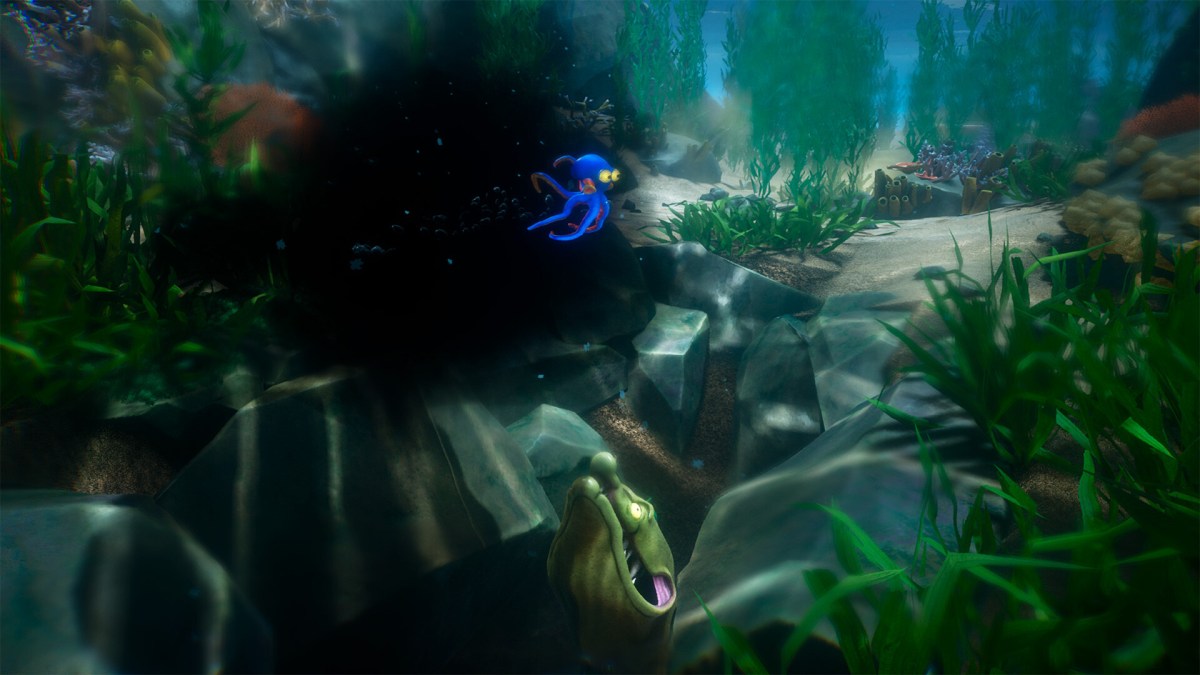
The game begins with a cinematic introduction to Darwin, a cephalopod living a peaceful existence within a vibrantly rendered oceanic ecosystem. This initial segment serves a dual purpose: it establishes the biological baseline for Darwin’s movement and camouflage abilities while setting the narrative stakes. The serenity of the ocean is abruptly shattered by the arrival of UFOOD, a global corporation whose demand for octopus-based products has led to the mass abduction of marine life.
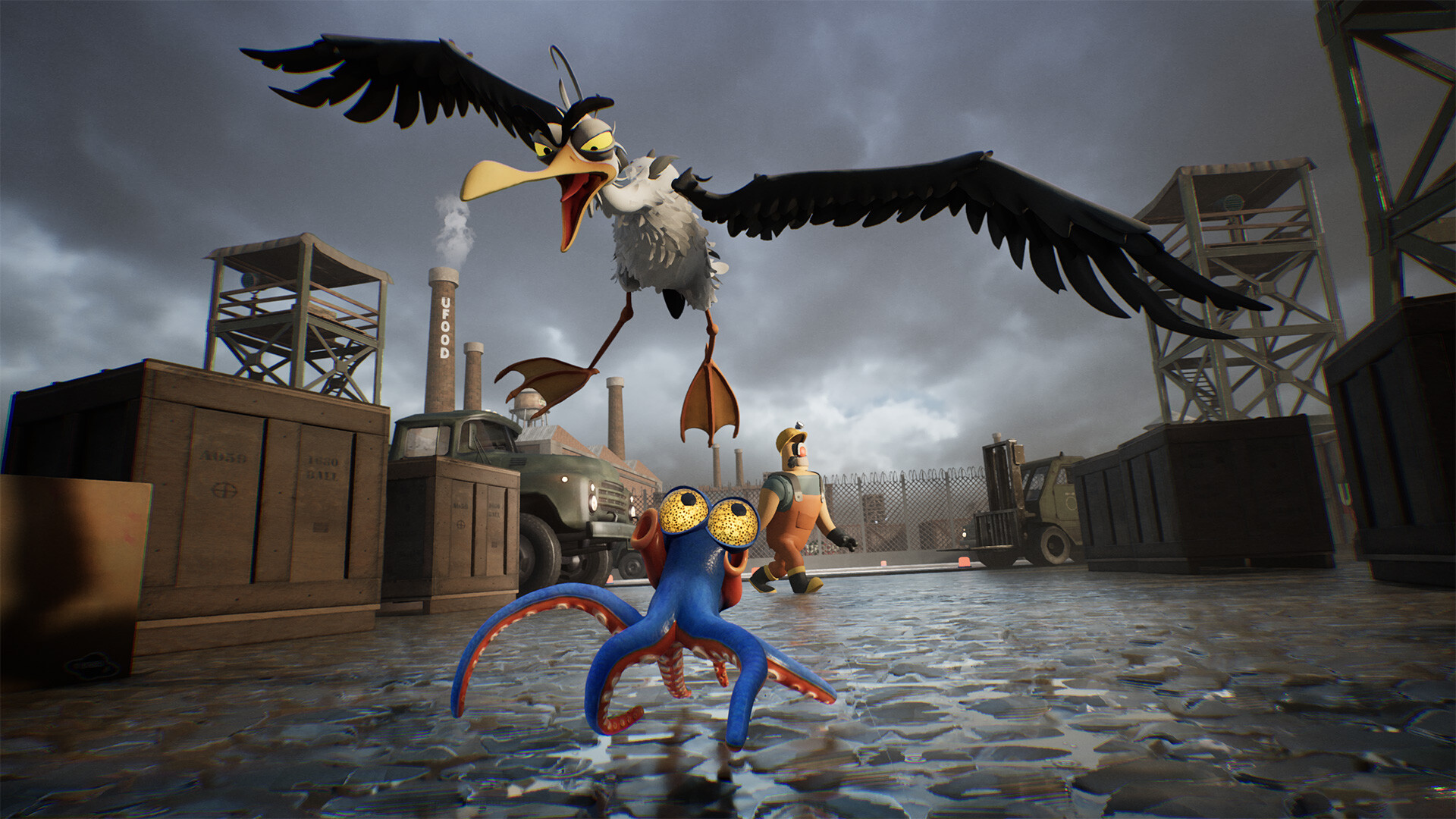
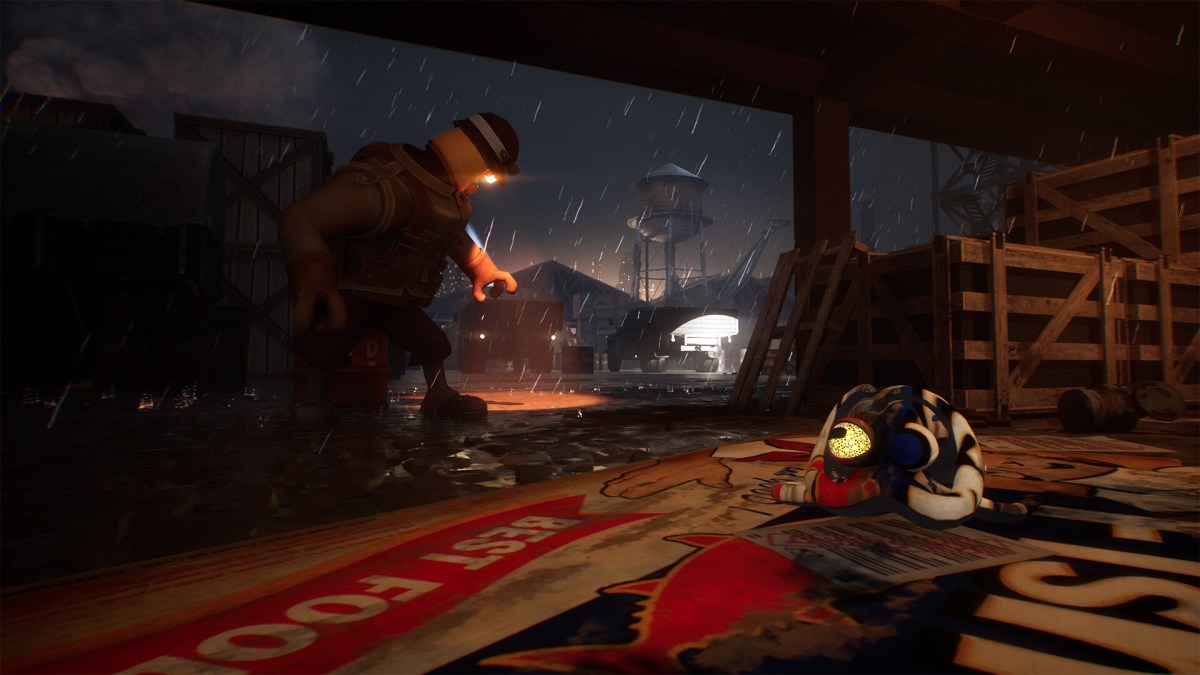
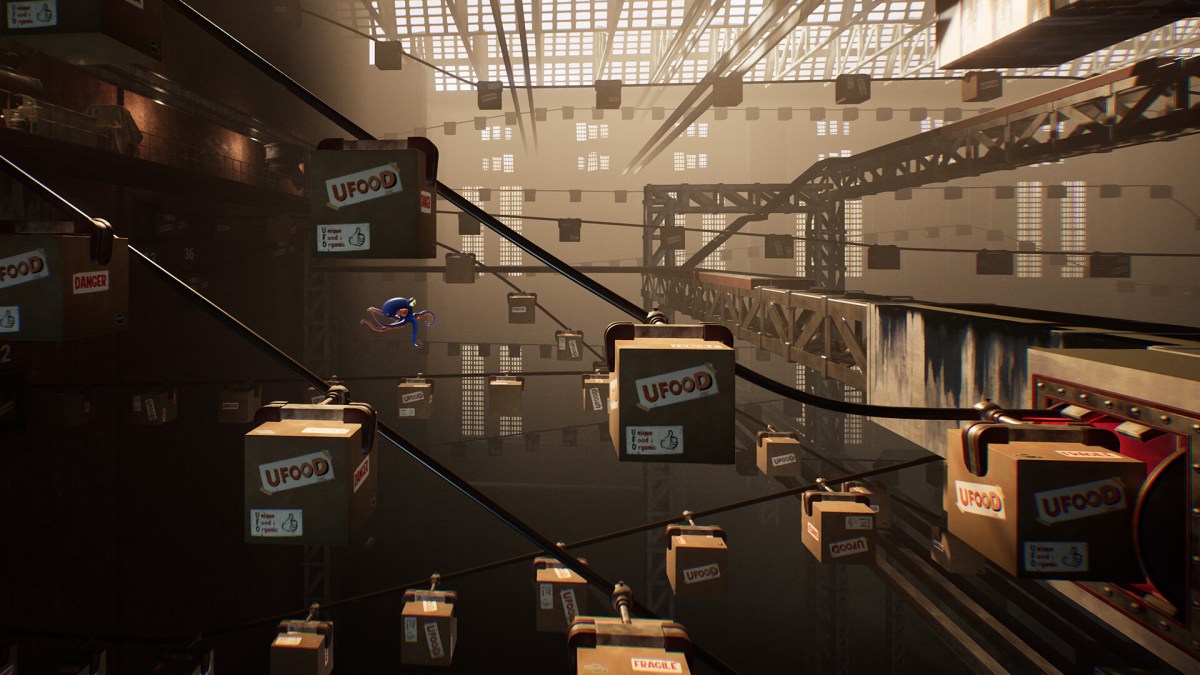
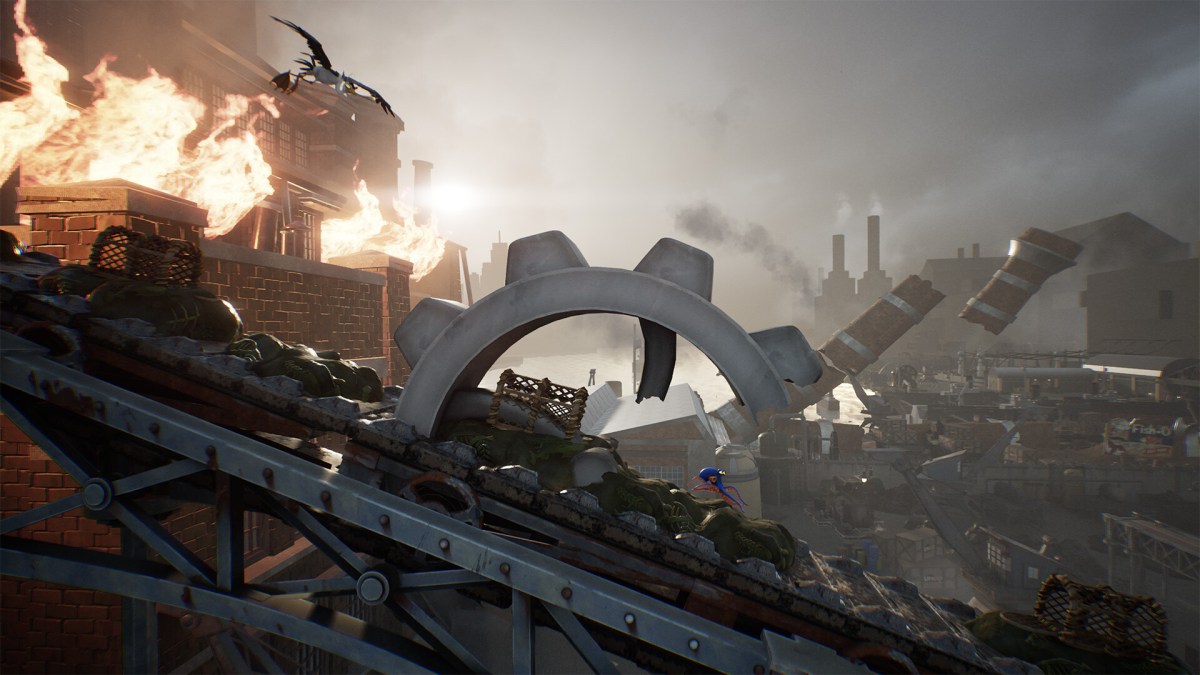
The narrative utilizes a satirical commercial from UFOOD at the game’s onset to establish the tone—a blend of dark corporate parody and high-stakes survival. Following his abduction, Darwin finds himself in the heart of a sprawling industrial complex. The story follows his journey from the processing facility’s waste-disposal zones through the high-temperature boiler rooms and eventually into the sterile, dangerous preparation floors. The narrative is largely environmental, relying on the contrast between the lush, organic beauty of the ocean and the grime-streaked, metallic corridors of the UFOOD facility to convey the protagonist’s plight.
Core Gameplay Mechanics and Evolution
Darwin’s Paradox is built upon a foundation of physics-based platforming and environmental puzzles, utilizing the unique biological traits of an octopus to dictate player interaction. The game introduces mechanics in a tiered fashion, ensuring that players master Darwin’s natural capabilities before introducing industrial hazards.
Cephalopod Abilities and Environmental Interactions
At the start of the game, Darwin possesses a suite of natural abilities:

- Camouflage: Allows the player to blend into the immediate background to avoid detection by predators and, later, UFOOD security forces.
- Ink Discharge: Provides a temporary smokescreen to facilitate escapes from pursuing enemies.
- Suction-Based Adhesion: Enables Darwin to traverse walls, ceilings, and pipes, provided the surface is clean.
The mechanical complexity increases in the second chapter, where the environment begins to actively work against the player. Upon landing in a refuse area, Darwin becomes covered in dirt and industrial grime. This environmental debuff significantly alters the gameplay by disabling Darwin’s ability to stick to surfaces. Players must navigate this segment using ground-based movement and environmental manipulation.
Innovative Puzzle Design
One of the most praised aspects of the game’s early design is the "toxic waste" interaction. In the facility’s dump areas, Darwin is pursued by aggressive rats. However, the developers implemented a clever systemic interaction: by dipping Darwin into puddles of glowing toxic waste, the player becomes unpalatable or frightening to the vermin, granting a temporary window of safety. This type of environmental puzzle-solving is a hallmark of the game’s first half.
As Darwin enters the facility’s boiler room, the game transitions into a more traditional platformer. Once Darwin finds a water source to wash away the grime, his adhesive abilities return, allowing for vertical traversal across a network of pipes. The challenge here shifts to timing, as pipes periodically vent steam or reach temperatures too high for Darwin to touch, requiring precise rhythmic movement.
Technical Performance on Switch 2 Hardware
The performance of Darwin’s Paradox on the Nintendo Switch 2 has become a focal point for technical analysts. While the game benefits from the portability of the platform, it faces several optimization challenges that distinguish it from the PlayStation 5 and PC versions.
Resolution and Frame Rate
On the Switch 2, Darwin’s Paradox is locked at a frame rate of 30 frames per second (fps). In contrast, other platforms offer a 60fps experience, which is generally considered the standard for precision-based stealth and chase sequences. The 30fps lock, combined with a dynamic resolution that can result in "fuzzy" or soft graphics during high-motion scenes, impacts the visual clarity of the game’s more intricate environments.
Handheld vs. Docked Performance
Data suggests a discrepancy in user experience between handheld and docked modes:
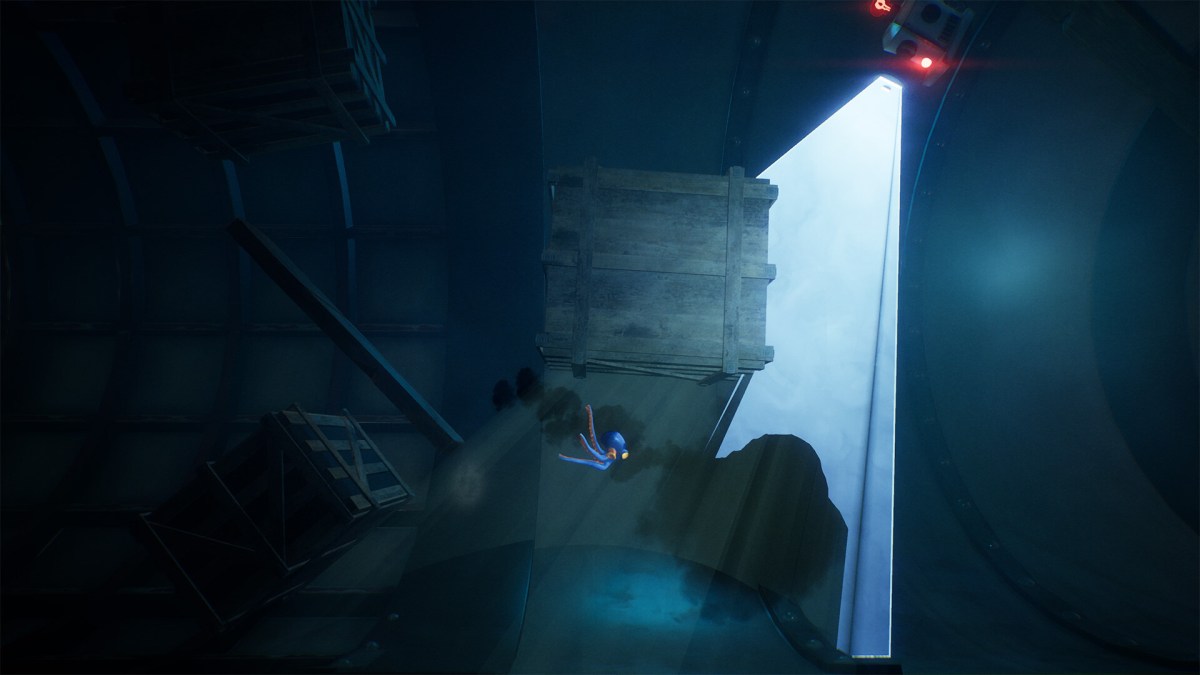
- Handheld Mode: Players have reported that the smaller screen makes it easier to track visual cues for stealth and camouflage. However, the lower pixel density can make it difficult to navigate the darker, gloomier environments of the later chapters.
- Docked Mode: Playing on a television provides a clearer view of the environmental details, but the technical limitations of the Switch 2 version—such as reduced lighting effects and lower-resolution textures—become more apparent when scaled to a large display.
Industry analysts suggest that a 60fps performance mode would have significantly benefited the game’s final chapters, where Darwin is subjected to fast-paced chase sequences that require frame-perfect inputs.
The Shift to High-Stakes Stealth and Difficulty Spikes
The narrative and mechanical tone of Darwin’s Paradox undergoes a significant shift at the beginning of the fourth chapter. While the first half of the game focuses on exploration and puzzle-solving, the latter half prioritizes stealth and evasion.
In Chapter 4, the game introduces telegraphed enemy vision cones and more frequent checkpoints, which initially provides a fair challenge. However, by Chapter 7—the "Preparation Floor"—the difficulty curve steepens sharply. This segment features "escape sequence bosses" and high-density security patrols. Critics and players alike have noted that the stealth mechanics can feel "finicky" during these segments. The margin for error is slim, and the AI’s detection range often feels inconsistent with the visual cues provided on the Switch 2’s screen.
These chase sequences require Darwin to navigate dark, ominous environments at high speeds. When combined with the 30fps lock, these moments can become points of frustration for players, as the precision required for survival is occasionally undermined by the hardware’s performance.
Industry Context: The Rise of Short-Form AA Gaming
The three-to-five-hour runtime of Darwin’s Paradox places it in a specific niche within the gaming market. Historically, major publishers like Konami focused on sprawling epics, but there is an increasing demand for "compact" experiences.
Market Analysis
Market data indicates that a significant segment of the adult gaming demographic prefers shorter titles that can be completed in one or two sittings. The "short and sweet" nature of Darwin’s Paradox allows for a focused narrative without the "bloat" often found in modern RPGs. However, this brevity also places a higher burden on the game’s quality; every minute of gameplay must be impactful.
Strategic Implications for Konami
By publishing Darwin’s Paradox, Konami is testing the waters for smaller-scale, high-concept titles. This approach allows for greater creative risks—such as casting an octopus as a protagonist—without the massive financial exposure of a triple-A blockbuster. If successful, this could signal a new era of "boutique" gaming from major studios.
Chronology of the Darwin’s Paradox Release
The development and launch of Darwin’s Paradox followed a strategic timeline designed to capitalize on the launch window of next-generation hardware:
- Initial Reveal: The game was announced with a trailer highlighting UFOOD’s corporate satire and Darwin’s camouflage mechanics.
- Technical Previews: Early demos focused on the first two chapters, showcasing the lush oceanic environments and the transition to the industrial dump.
- Launch: The game was released simultaneously across all platforms, with Konami emphasizing the cross-platform nature of the cephalopod adventure.
- Post-Launch Reception: While the narrative and early puzzles received high marks, technical feedback regarding the Switch 2 version prompted discussions about potential performance patches to address the 30fps lock.
Broader Impact and Conclusion
Darwin’s Paradox serves as a case study in modern game design, illustrating the strengths and weaknesses of the "short-form" model. Its strengths lie in its creative premise, clever environmental interactions, and the charming characterization of Darwin. The use of biological traits as gameplay mechanics provides a refreshing departure from standard human or humanoid protagonists.
However, the game also highlights the ongoing struggle to balance visual ambition with hardware constraints. The transition from a puzzle-focused adventure to a high-stress stealth-chaser in the final acts reveals a disconnect between the game’s mechanical requirements and the Switch 2’s technical delivery.
Ultimately, Darwin’s Paradox is a title that rewards players who appreciate focused, atmospheric experiences. It is a game that respects the player’s time, delivering a complete narrative arc and a unique set of challenges within a concise window. As Konami and other publishers continue to explore this space, Darwin’s Paradox will likely be remembered as a pivotal experiment in the viability of the "short-form" AA stealth genre. For those on PlayStation 5 or PC, the experience is a smooth, visually striking journey; for Switch 2 players, it remains a clever but technically compromised delight that shines brightest in its most creative, puzzle-oriented moments.