Chalid Lutfie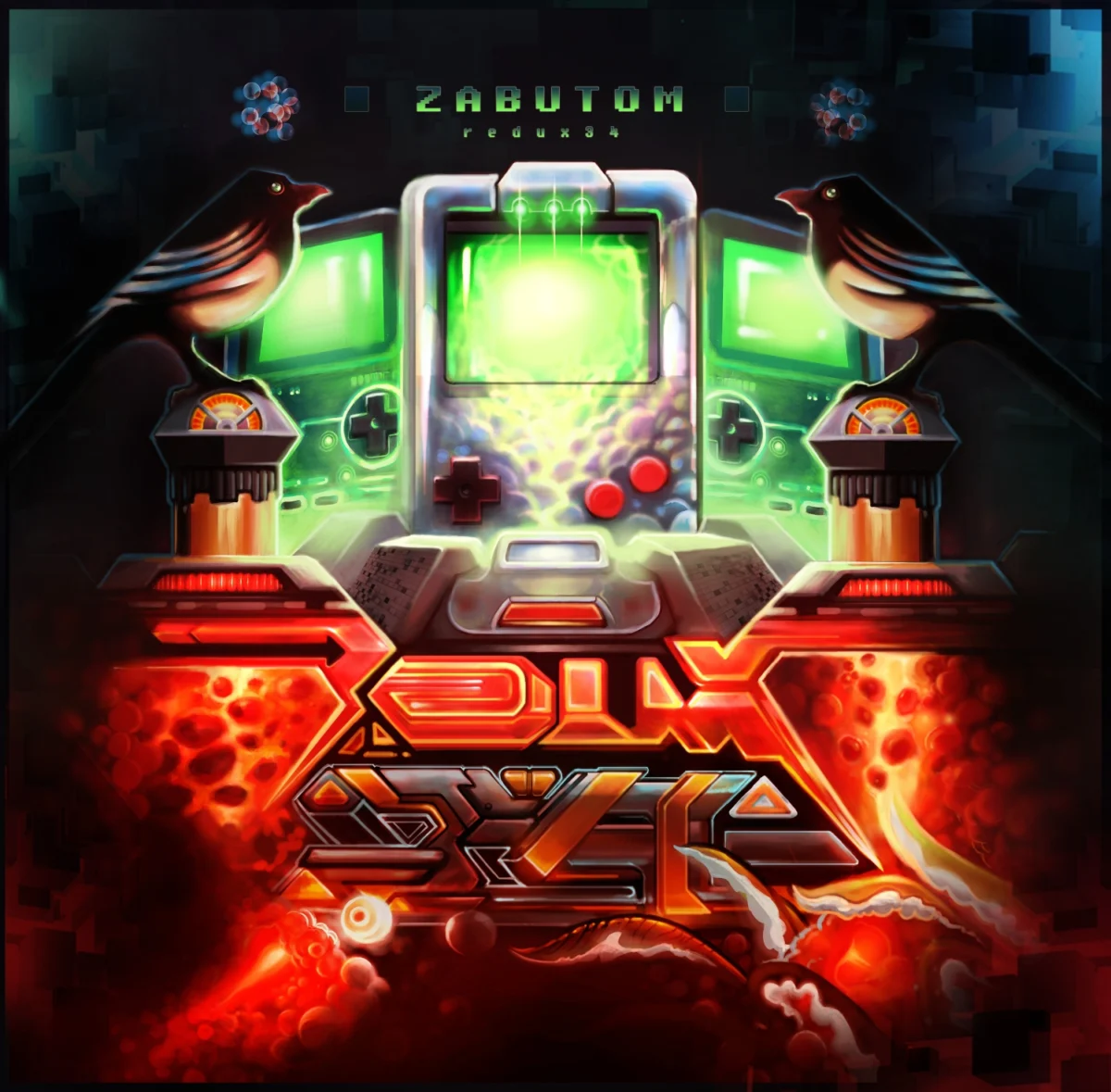
The contemporary electronic music landscape witnessed a significant milestone on September 18, 2015, with the official release of Redux34, the latest full-length studio album from the acclaimed Swedish composer and chiptune veteran Niklas Sjövärd, known professionally as zabutom. Released under the Ubiktune label, Redux34 represents a sophisticated departure from traditional 8-bit constraints, synthesizing a complex array of genres including progressive rock, intelligent dance music (IDM), electro, and folk-inspired acoustic arrangements. The album is currently available across all major digital distribution platforms and streaming services, alongside a physical CD release, catering to a global audience that has followed Sjövärd’s trajectory since the early 2000s.
Technical Composition and Artistic Vision
Redux34 is characterized by its high production values and the seamless integration of disparate sonic elements. Sjövärd has utilized his extensive background in electronic music to construct soundscapes that pair the distinct, nostalgic "bleeps" of the Nintendo Entertainment System (NES) and Game Boy hardware with modern recording techniques. This includes the prominent use of electric guitars, analog synthesizers, and expansive delay textures that contribute to what critics describe as a "retro-futuristic" atmosphere.
The album’s title, Redux34, serves as a direct reference to both its tumultuous production history and its rhythmic foundations. The "34" denotes the prevalent use of 3/4 time signatures throughout the record, a rhythmic choice more common in classical waltzes and folk music than in standard electronic dance music, which typically favors a 4/4 meter. The term "Redux" refers to the necessity of recreating several tracks from the ground up following catastrophic hardware failures during the initial composition phases. This technical resilience has resulted in a work that balances melancholic undertones with a persistent sense of optimism, narrating a mysterious thematic journey through sound.
The Professional Trajectory of Niklas Sjövärd
Born in 1985, Niklas Sjövärd has established himself as a central figure in the Swedish electronic music scene. His career began in the early 2000s within the international demoscene—a computer art subculture focused on producing self-contained programs that generate real-time audio-visual presentations. Sjövärd’s contributions to various demoscene releases and compilations earned him a reputation for technical precision and melodic ingenuity, eventually leading to performances at major chiptune festivals worldwide.
In 2011, Sjövärd released Zeta Force on the Ubiktune label. The album, a collection of high-energy tracks inspired by "shoot ’em up" (shmup) arcade games, became a staple of the chiptune genre. However, Sjövärd sought to expand his academic and practical understanding of music theory. In 2014, he earned a Bachelor of Arts degree in Composition and Electronic Music from the Academy of Music and Drama at the University of Gothenburg. This formal training is evident in Redux34, which displays a level of structural complexity and harmonic depth that transcends the typical "lo-fi" aesthetic of early 8-bit music.
Beyond his work as zabutom, Sjövärd is involved in a variety of avant-garde and traditional musical projects. These include the modular techno duo Buchla Boys, experimental electronic projects such as "Friktion" and "Scratches and Petals," and roles as a guitarist and vocalist in folk-influenced acts like Fowlcloud and collaborations with Léonore Boulanger. This diversity of experience is the primary driver behind the eclectic nature of Redux34.
Chronology of Production and Technical Challenges
The development of Redux34 spanned seven years, beginning in 2008 during a period when Sjövärd was performing extensively using Game Boy consoles and the Little Sound DJ (LSDJ) software. LSDJ is a tracker-based sequencer that allows musicians to manipulate the four-channel sound chip of the original Nintendo Game Boy hardware. While Sjövärd found success in the "chip-rave" scene, he harbored ambitions to elevate the medium by incorporating live instrumentation and advanced studio production.

The timeline of the album’s creation was marked by significant setbacks:
- 2008: Initial composition of the title track, "Redux34," begins on a Game Boy. A critical system crash results in the total loss of all music data stored on the LSDJ cartridge.
- 2009–2010: Sjövärd begins the laborious process of recreating the lost patterns from memory, while simultaneously exploring new synthesis techniques.
- 2011: Release of Zeta Force. The success of this project temporarily diverts focus but provides the financial and professional momentum to continue larger-scale experiments.
- 2012–2014: While pursuing his degree in Gothenburg, Sjövärd refines the mixing and arrangement of the Redux34 tracks. During this period, he experiences recurring data loss and technical hurdles involving lost patterns and mixing presets, reinforcing the "Redux" theme of the album.
- 2015: Final mastering and visual coordination for the release.
Sjövärd has noted that the long gestation period was necessary to gain the skills required to do justice to his original vision. The process was not merely about reclaiming lost data, but about reconciling his roots in the 8-bit scene with his burgeoning interest in experimental art installations and modular synthesis.
Collaborative Elements and Visual Identity
The aesthetic presentation of Redux34 is an integral component of the release. The album features original artwork by Anders Karlsson, a concept artist and painter based in Norrköping, Sweden. Karlsson’s illustrations provide a visual anchor for the album’s "strange new worlds" narrative, utilizing a style that mirrors the music’s blend of organic and digital textures. The partnership between Sjövärd and Karlsson underscores the album’s positioning as a holistic art piece rather than a mere collection of tracks.
The involvement of the Ubiktune label further solidifies the album’s standing. Ubiktune has long been a proponent of "progressive chiptune," a niche that prioritizes musicality and innovation over strict adherence to hardware limitations. By releasing Redux34, the label continues its mission of bridging the gap between retro-gaming nostalgia and contemporary electronic composition.

Analysis of Implications for the Chiptune Genre
The release of Redux34 occurs at a pivotal moment for the chiptune community. Historically, the genre has been defined by its limitations—the 8-bit processing power of 1980s hardware. However, Sjövärd’s work represents a broader shift toward "post-chiptune" or "chip-hybrid" music. By integrating the Academy-trained principles of composition with the raw energy of the demoscene, Redux34 challenges the perception of chiptune as a novelty or a purely derivative form of video game music.
Industry analysts suggest that Sjövärd’s approach may influence a new generation of producers to view 8-bit hardware as a legitimate orchestral tool rather than a restrictive gimmick. The inclusion of folk elements and complex time signatures suggests that the vocabulary of electronic music is expanding to include more traditional, acoustic sensibilities. This "humanizing" of digital sound is a recurring theme in Sjövärd’s work, reflecting a global trend toward organic-electronic fusion.
Distribution and Availability
Ubiktune has ensured that Redux34 is accessible through a multi-channel distribution strategy. In an era where digital streaming dominates, the decision to produce a physical CD reflects the demand from a dedicated collector base within the chiptune and prog-rock communities. The physical edition often serves as a canvas for Karlsson’s artwork, providing a tangible connection to the album’s conceptual world.
Digital listeners can find the album on platforms such as Bandcamp, Spotify, and iTunes. The album’s reception in its first 24 hours has been marked by praise for its technical clarity and its ability to evoke emotional depth through synthesized media. As Sjövärd moves forward from this seven-year project, Redux34 stands as a definitive statement of his artistic maturity and a landmark release for the Ubiktune catalog.

The release of Redux34 is more than just a new album; it is a testament to the endurance of an artist who refused to let technical failure define his output. Through data loss, academic rigor, and a shifting musical landscape, Niklas Sjövärd has crafted a work that honors the past while firmly occupying a space in the future of electronic music.