Chalid Lutfie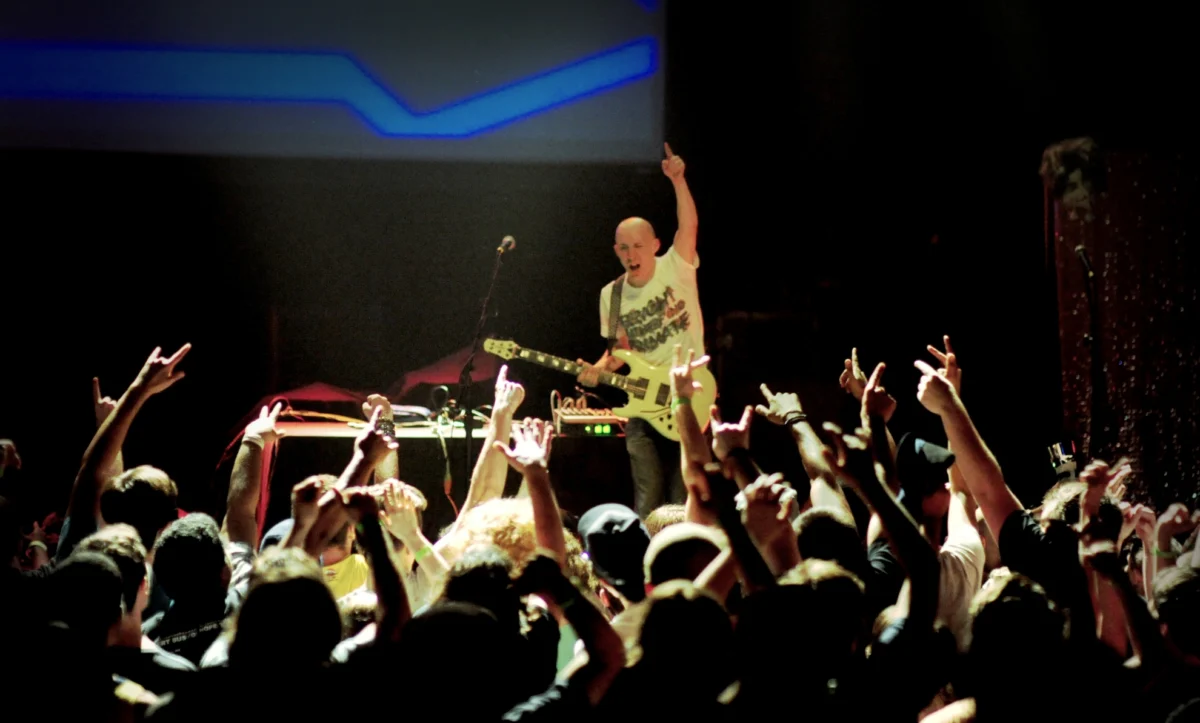
The contemporary music landscape is witnessing a significant evolution in the niche yet vibrant chiptune scene as Danimal Cannon, a prominent figure in the genre, announces the upcoming release of his latest studio album, Lunaria. Scheduled for a worldwide debut on March 11, the project marks a pivotal moment in the artist’s career, arriving three years after his critically acclaimed collaborative effort with Zef, Parallel Processing. Lunaria represents more than just a chronological successor; it serves as the culmination of a five-year technical journey to seamlessly integrate high-fidelity electric guitar performance with the constraints of 8-bit sound synthesis. This release aims to solidify Danimal Cannon’s position at the intersection of progressive metal and bitpop, offering a sophisticated sonic palette that challenges the traditional boundaries of hardware-based music production.
The Evolution of the Chiptune-Metal Hybrid
For over half a decade, fans of Danimal Cannon—the moniker of Buffalo-based musician Dan Behrens—have sought a recorded representation of his high-energy live performances. Behrens, known for his technical proficiency on both the Nintendo Game Boy and the electric guitar, had previously kept these two worlds somewhat distinct in his studio recordings. While his 2011 debut solo album, Roots, featured experimental forays into guitar integration, the artist has admitted that the marriage of the two mediums was initially fraught with technical hurdles. The sharp, square-wave frequencies of the Game Boy’s internal sound chip often competed for the same sonic space as the harmonically rich distortion of a metal guitar, leading to a crowded and often clashing mix.
Between 2011 and 2016, Behrens dedicated himself to mastering the compositional and engineering techniques required to make these disparate instruments sound like a cohesive unit. Lunaria is the fruit of this labor. The album moves away from the "novelty" perception of chiptune, instead treating the Game Boy’s hardware as a legitimate synthesizer within a progressive metal framework. This shift reflects a broader trend within the global chiptune community, where artists are increasingly moving beyond retro-gaming nostalgia to explore complex music theory and high-level production standards.
Technical Framework and Musical Influences
The sonic architecture of Lunaria is deeply rooted in progressive music elements, characterized by complex time signatures, shifting textures, and a "wall of sound" approach to production. Behrens has cited a wide array of influences that shaped the writing process for this record, spanning multiple centuries and genres. Among the most prominent inspirations are industrial heavyweights such as Nine Inch Nails and KMFDM, whose gritty, mechanical aesthetics are mirrored in the album’s aggressive synthesizer lines.
Furthermore, the influence of modern video game soundtracks is evident, specifically citing the work of Jake Kaufman on the Shovel Knight original soundtrack. However, the album also draws from more traditional and classical sources. The structural complexity of Mozart’s compositions and the lush, emotive choral arrangements of Eric Whitacre have informed the melodic development of the tracks. This eclectic mix of indie rock, industrial metal, and classical theory ensures that Lunaria appeals to a broad demographic, from tech-savvy gamers to fans of technical progressive metal.
Narrative Concept: The Giant Impact Hypothesis
Beyond its technical achievements, Lunaria is a conceptual work inspired by the artist’s fascination with astrophysics and planetary science. The thematic core of the album revolves around the "Giant Impact Hypothesis," the prevailing scientific theory regarding the formation of the Moon. This theory posits that approximately 4.5 billion years ago, a Mars-sized celestial body named Theia collided with the proto-Earth, with the resulting debris eventually coalescing to form the Moon.
Behrens has personified this cataclysmic event through a character named Lunaria, representing the impactor and the eventual lunar body. The title itself serves a dual purpose: it is both the name of the protagonist and a clever portmanteau of "Lunar" and "Aria." This linguistic choice signifies the operatic and vocal nature of the album’s narrative arc, framing the celestial collision as a grand, musical tragedy. By grounding the album in scientific theory, Danimal Cannon elevates the project from a standard collection of tracks to a cohesive piece of storytelling.
Strategic Collaborations and Guest Contributions
To achieve the "aria" aspect of the album’s title, Behrens enlisted the talents of Emily Yancey, a professionally trained opera singer. Yancey’s contribution is instrumental in humanizing the cosmic themes of the record. Her vocal timbre was specifically chosen to provide a "celestial" quality, representing the goddess-like figure of Lunaria. The inclusion of operatic vocals over 8-bit pulses and heavy guitar riffs creates a stark, ethereal contrast that underscores the album’s progressive ambitions.
The album also features a significant contribution from Samuel Ascher-Weiss, better known in the experimental music community as Shnabubula. A long-time friend and previous collaborator on the Roots album, Ascher-Weiss is celebrated for his virtuosic piano skills and his ability to translate complex digital compositions into traditional acoustic formats. For Lunaria, Ascher-Weiss performed a piano rendition of the track "Axis." Chosen for its high level of difficulty, "Axis" serves as a centerpiece for technical display. The transition from the "quirky," rigid digital sound of the Game Boy to the organic, expressive fluidity of a grand piano provides a moment of breathtaking contrast, highlighting the versatility of the underlying composition.
Visual Identity and Physical Production
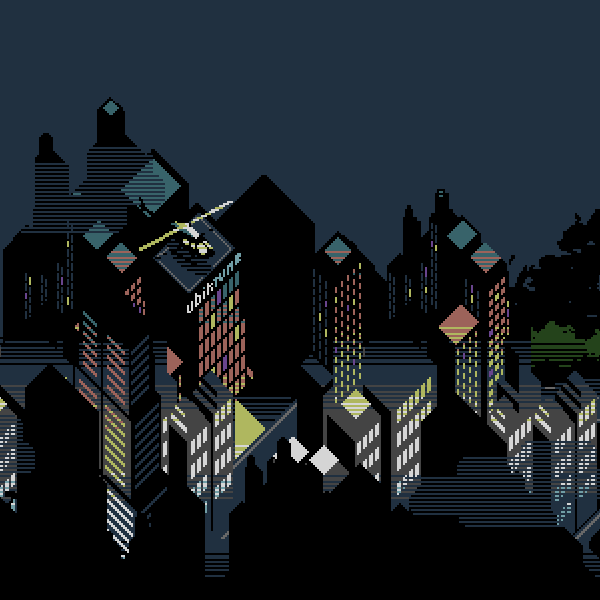
The visual aesthetic of Lunaria was crafted by artist Minerva Mopsy, whose work captures the ethereal and grand scale of the album’s cosmic themes. The artwork is not merely a decorative element but an extension of the storytelling, intended to be experienced alongside the music. To support this, the physical release of the album on CD includes a poster featuring Mopsy’s artwork, catering to the growing demand for tangible media in an increasingly digital industry.
The release strategy centers on Bandcamp, a platform that has become a cornerstone for independent musicians seeking to maintain creative control and direct connection with their audience. By offering pre-orders through this channel, Danimal Cannon has been able to gauge interest and build momentum leading up to the March 11 launch. The lead single, "Behemoth," has already been released to provide listeners with a preview of the album’s heavier, more industrial-leaning direction.
Chronology of Development
The path to Lunaria can be traced through several key milestones in the artist’s career:
- 2011: Release of Roots. This album introduced Danimal Cannon as a solo artist but highlighted the difficulties of balancing live guitar with chiptune hardware in a studio environment.
- 2012–2014: Period of technical experimentation. During this time, Behrens focused on refining his mixing techniques and exploring the capabilities of LSDJ (Little Sound DJ), the primary software used for Game Boy music production.
- 2013: Release of Parallel Processing. A collaboration with Zef that allowed Behrens to explore more upbeat, dance-oriented chiptune, while still honing his production skills.
- 2015: Primary composition phase for Lunaria. The conceptual framework of the Giant Impact Hypothesis was solidified, and collaborations with Yancey and Ascher-Weiss were recorded.
- 2016 (January–February): Announcement of the album and release of the single "Behemoth." Pre-orders opened on Bandcamp.
- 2016 (March 11): Scheduled official release of Lunaria in both digital and physical formats.
Broader Impact and Industry Analysis
The release of Lunaria comes at a time when the chiptune genre is undergoing a period of professionalization. Once relegated to underground "demoscene" gatherings and niche internet forums, chiptune artists are now performing at major music festivals and contributing to mainstream media soundtracks. Danimal Cannon’s integration of progressive metal elements is a significant contribution to this trend, as it demonstrates that hardware-limited music can possess the same emotional depth and technical complexity as traditional genres.
Industry analysts note that the fusion of "retro" technology with modern production values appeals to a specific cross-section of the market: the "digital native" generation that grew up with 8-bit aesthetics but possesses an adult palate for complex, heavy music. Furthermore, the use of Bandcamp as a primary distribution hub highlights the shift away from traditional label structures toward artist-centric models.
Lunaria is poised to be a landmark release in the chiptune-metal crossover space. By combining scientific curiosity with rigorous musical discipline, Danimal Cannon has created a project that honors the limitations of 8-bit hardware while simultaneously transcending them. As the March 11 release date approaches, the anticipation within the community suggests that Lunaria will not only satisfy long-time fans but also attract new listeners to the burgeoning world of progressive chiptune.