Chalid Lutfie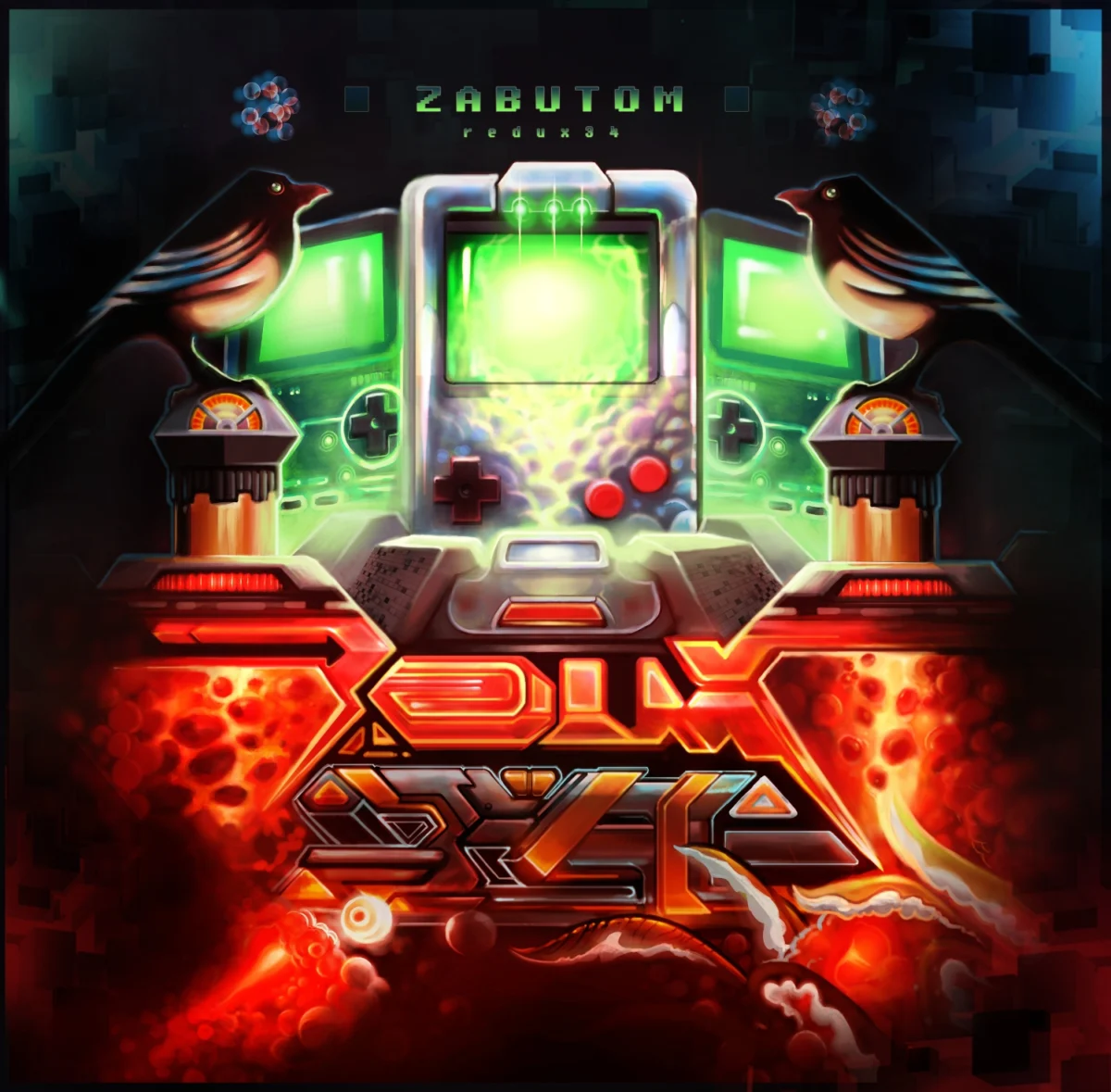
The global electronic music community has witnessed a significant evolution in the chiptune genre with the release of Redux34, the latest studio album from the Swedish composer and multi-instrumentalist Niklas Sjövärd, known professionally as zabutom. Released on September 18, 2015, under the Ubiktune record label, the album represents a sophisticated departure from the artist’s earlier works, effectively bridging the gap between hardware-limited 8-bit synthesis and the expansive production values of progressive rock, IDM, and folk-inspired acoustic music.
Redux34 arrives at a pivotal moment for the chiptune scene, as artists increasingly seek to transcend the "retro" label by integrating modern production techniques and traditional instrumentation. Sjövärd, a veteran of the international demoscene, has utilized his formal academic background to create a work that functions as both a technical showcase and a narrative-driven musical journey. The album’s arrival on major digital platforms and physical CD formats marks a milestone in the artist’s decade-long career.
The Artistic Evolution of Niklas Sjövärd
Born in 1985, Niklas Sjövärd emerged from the fertile Swedish electronic music scene of the early 2000s. His early career was defined by his participation in the demoscene—a computer art subculture focused on producing self-contained programs that produce audio and visual effects. Under the moniker zabutom, Sjövärd gained international recognition for his ability to coax complex melodies and driving rhythms out of the limited sound chips of the Nintendo Entertainment System (NES) and the Nintendo Game Boy.
Sjövärd’s debut release on Ubiktune, the 2011 album Zeta Force, established his reputation as a master of "shmup-esque" tunes—high-energy compositions reminiscent of 1980s and 1990s shoot-’em-up arcade games. While Zeta Force became a genre classic, Sjövärd’s ambitions extended beyond the constraints of pure chip music. In 2014, he earned a Bachelor’s degree in composition and electronic music from the Academy of Music and Drama at the University of Gothenburg. This formal training in music theory and electroacoustic composition is evident throughout Redux34, which displays a level of structural complexity rarely seen in the chiptune medium.
The Long Road to Redux34: A Chronology of Creation
The development of Redux34 was a protracted and often tumultuous process spanning seven years. The project’s origins date back to 2008, a period when Sjövärd was beginning to perform regularly at international chiptune festivals using Little Sound DJ (LSDJ) on Game Boy hardware.
The timeline of the album’s creation is marked by several key phases:
- 2008 – The Genesis and the Crash: The title track, "Redux34," was initially composed on a Game Boy. However, a catastrophic hardware failure resulted in the LSDJ cartridge crashing and erasing the entirety of the song’s data. This event not only necessitated a complete recreation of the track from memory—inspiring the "Redux" portion of the title—but also established a recurring theme of data loss and reconstruction that would plague the album’s production.
- 2009–2013 – Diversification and Experimentation: During this period, Sjövärd engaged in various side projects that would eventually inform the sound of Redux34. These included the modular live techno project Buchla Boys, experimental electronic performances titled "Friktion" and "Scratches and Petals," and acoustic folk collaborations with acts such as Fowlcloud and Léonore Boulanger.
- 2014 – Academic Integration: Following his graduation from the Academy of Music and Drama, Sjövärd applied his knowledge of professional mixing and mastering to the unfinished sketches of Redux34. The challenge was to integrate his diverse influences—prog rock, folk, and IDM—into a cohesive whole without losing the "chip" identity of the original compositions.
- 2015 – Final Production and Release: The final year of production involved meticulous layering of electric guitars, analog synthesizers, and complex delay textures. The album was officially completed and released in September 2015.
Technical Analysis and Genre Fusion
Redux34 is characterized by its "retro-futuristic" aesthetic, a soundscape that utilizes the 8-bit textures of the 1980s to build complex, modern compositions. The technical foundation of the album rests on the interplay between the Ricoh 2A03 sound chip (native to the NES) and modern digital audio workstations.

The "34" in the title refers to the 3/4 time signature of the title track, a meter more commonly associated with waltzes or progressive rock than the 4/4 beats of standard electronic dance music. This rhythmic choice signals the album’s broader shift toward progressive rock structures. Listeners will find traditional chiptune "bleeps" seamlessly integrated with the organic warmth of electric guitars and the ethereal qualities of spaced-out delay textures.
The inclusion of Intelligent Dance Music (IDM) elements further distinguishes the album. Unlike the straightforward melodic structures of Sjövärd’s earlier work, Redux34 features glitch-inspired percussion and shifting timbres that demand attentive listening. The folk influences are perhaps the most surprising addition, manifesting in melodic phrasings that suggest a pastoral or "earthy" quality, contrasting with the metallic precision of the digital synthesis.
Visual Identity and Collaborative Efforts
The aesthetic presentation of Redux34 was curated to match its complex auditory themes. The album artwork was created by Anders Karlsson, a concept artist and painter based in Norrköping, Sweden. Karlsson’s visual style—often described as mysterious and melancholic—complements the "retro-futuristic" vision of the music.
The collaboration between Sjövärd and Karlsson underscores the album’s narrative intent. According to the artist, Redux34 is intended to tell a story of "strange new worlds," balancing a sense of melancholy with an underlying current of hope. This narrative approach is a hallmark of the Ubiktune label, which has historically prioritized releases that push the boundaries of video game-inspired music into the realm of conceptual art.

The State of Chiptune and Ubiktune’s Role
The release of Redux34 serves as a benchmark for the Ubiktune label. Founded as a platform for artists who blend chiptune with other genres, Ubiktune has been instrumental in the professionalization of the scene. By providing high-quality production standards and a platform for physical distribution, the label has helped transition chip music from a hobbyist pursuit into a recognized niche of the broader electronic music industry.
Industry analysts note that albums like Redux34 are essential for the longevity of the genre. By incorporating analog synths and live instrumentation, Sjövärd addresses a common criticism of chiptune—that it is limited by its own nostalgia. Instead, Redux34 uses 8-bit sounds as a specific instrumental palette, much like a composer might use a woodwind section or a string quartet, rather than as a gimmick.
Broader Impact and Critical Reception
While the chiptune community has remained the primary audience for Sjövärd’s work, Redux34 has garnered attention from the wider electronic and progressive rock circles. The album’s sophisticated mixing and genre-defying nature have been praised for their technical execution.
The implications of this release are twofold. First, it demonstrates the viability of "hybrid" chiptune as a medium for serious musical expression. Second, it highlights the importance of formal music education in the evolution of electronic subcultures. Sjövärd’s ability to navigate the complexities of both 8-bit programming and traditional composition suggests a future where the barriers between "digital" and "organic" music continue to erode.

As of late 2015, Redux34 is available for streaming and purchase on all major digital platforms. The physical CD release continues to be a sought-after item for collectors within the demoscene and chiptune communities, serving as a tangible artifact of a seven-year creative journey. For Niklas Sjövärd, the album represents a "finding of his way back" to his roots, refined by years of experimentation across the musical spectrum.