Chalid Lutfie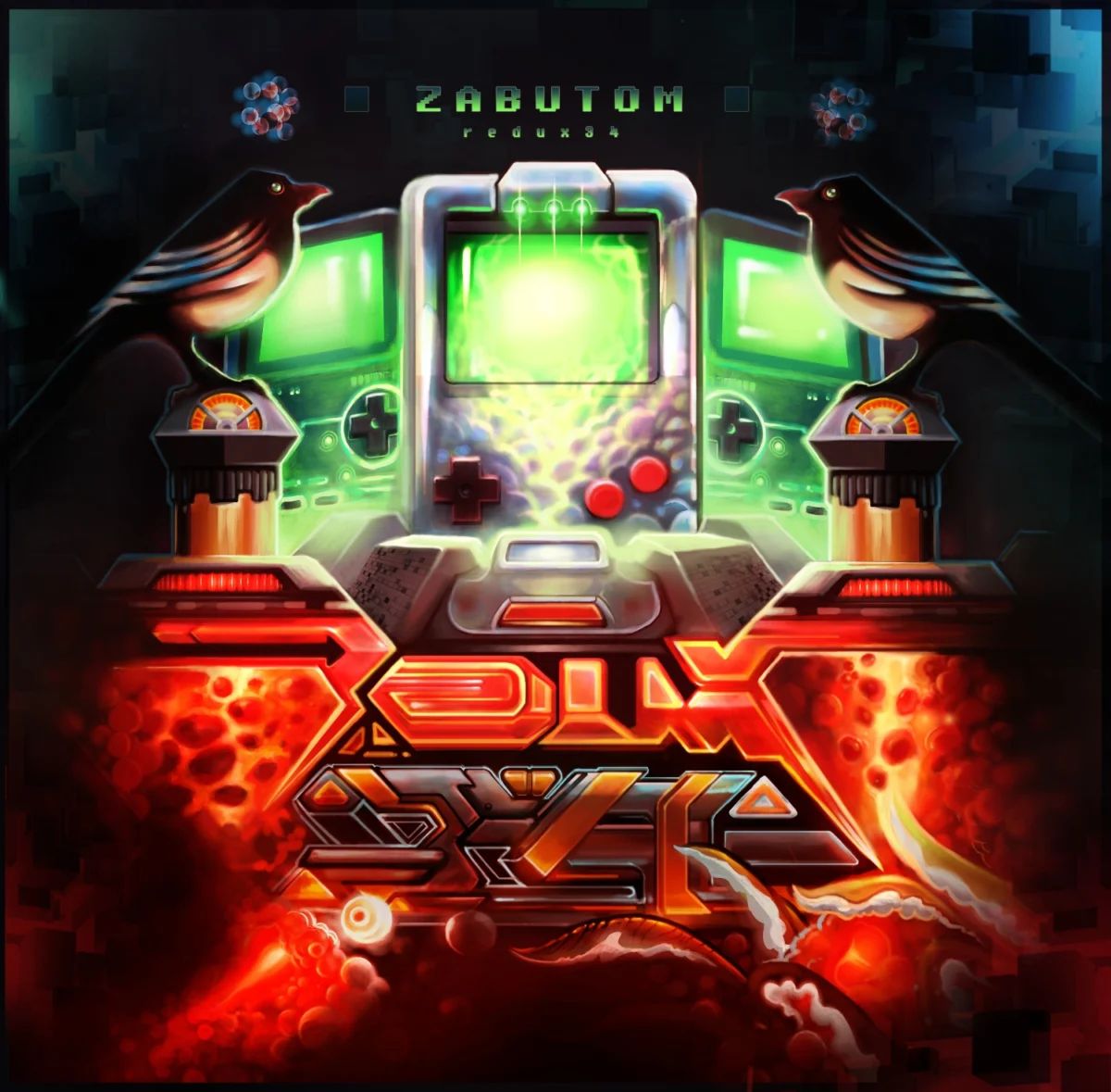
The global electronic music community witnessed a significant milestone in the evolution of the chiptune genre on September 18, 2015, with the official release of Redux34 by the Swedish composer Niklas Sjösvärd, known professionally as zabutom. Published under the Ubiktune label, the album represents a sophisticated departure from traditional 8-bit constraints, synthesizing the raw textures of the Nintendo Entertainment System (NES) and Game Boy hardware with the complex arrangements of progressive rock, intelligent dance music (IDM), and folk-inspired melodies. This release marks a pivotal moment in Sjösvärd’s decade-long career, reflecting both a return to his roots in the demoscene and an application of his formal academic training in electronic composition.
Conceptual Framework and the Genesis of Redux34
The origins of Redux34 date back to 2008, a period when Sjösvärd began performing extensively at international chiptune festivals using handheld Nintendo consoles. While the artist gained recognition for high-energy dance tracks composed in Little Sound DJ (LSDJ), he harbored an ambition to elevate the medium by integrating traditional instrumentation and advanced production techniques. The title of the album itself, Redux34, serves as a direct reference to the technical and creative challenges faced during its nearly seven-year gestation period.
The "Redux" portion of the title stems from a catastrophic hardware failure in 2008. While Sjösvärd was finalizing the groundwork for the title track on an LSDJ cartridge, the hardware crashed, resulting in the total erasure of the music data. This forced a complete reconstruction of the composition from memory, a process that became a recurring theme for the remainder of the project. Several tracks on the album suffered similar fates, with lost patterns and corrupted mixes requiring Sjösvärd to rebuild layers of sound from scratch. The "34" in the title refers to the 3/4 time signature that defines the rhythmic structure of the lead track, signaling the artist’s interest in polyrhythmic and non-standard meter compositions common in progressive rock.
A Chronology of zabutom and the Swedish Electronic Scene
Niklas Sjösvärd, born in 1985, emerged from the Swedish demoscene—a computer art subculture focused on producing self-contained programs that generate audio-visual presentations. Since the early 2000s, Sjösvärd has been a prolific contributor to demoscene releases and compilations, establishing a reputation for "chip wizardry" that pushed the limited sound chips of 1980s hardware to their functional limits.
In 2011, he released his debut collection, Zeta Force, through the Ubiktune label. This album was a compilation of "shmup-esque" (shoot-’em-up) tracks inspired by vintage arcade soundtracks. Zeta Force achieved critical acclaim within the niche chiptune community and is now regarded as a foundational work of the genre. However, Sjösvärd’s creative trajectory shifted as he sought to bridge the gap between hobbyist tracking and professional composition.
In 2014, Sjösvärd earned a Bachelor’s degree in composition and electronic music from the Academy of Music and Drama at the University of Gothenburg. This academic immersion provided the theoretical framework necessary to execute the ambitious vision of Redux34. During this period, his work expanded into experimental electronic music, modular live techno with the Buchla Boys, and art installations. He also diversified his performance portfolio as a guitarist and vocalist in acoustic folk acts such as Fowlcloud and Léonore Boulanger. These disparate influences—ranging from the rigid logic of digital sequencers to the organic fluidity of folk music—are the primary drivers behind the eclectic soundscape of the new album.
Technical Analysis of Production and Sound Design
Redux34 is characterized by a "retro-futuristic" aesthetic that blends nostalgia with modern high-fidelity production. Unlike traditional chiptune, which often relies solely on the internal sound chips of legacy hardware, Sjösvärd utilizes 8-bit sounds as a foundational texture upon which he layers contemporary elements.

The production features a seamless integration of:
- 8-bit Synthesis: Utilizing the Ricoh 2A03 (NES) and the Sharp LR35902 (Game Boy) sound architectures to provide the rhythmic and melodic "bleeps" that define the genre’s heritage.
- Analog Synthesis: The use of hardware synths and modular setups to provide warmth and depth that the 8-bit chips lack, particularly in the lower frequency ranges.
- Live Instrumentation: Electric guitars are employed to provide the harmonic weight associated with progressive rock, often processed through "spaced-out" delay textures to create a sense of vast, cinematic space.
- Complex Soundscapes: The album makes extensive use of IDM-inspired glitch aesthetics and folk-inspired melodic structures, creating a "mysterious, somewhat melancholic yet hopeful" narrative.
Industry analysts note that the production quality of Redux34 exceeds the typical standards of the indie chiptune scene. The mixing process was described by the artist as "time-consuming" due to the difficulty of balancing the sharp, piercing frequencies of square waves with the rich harmonics of analog instruments and electric guitars.
Visual Identity and Collaborative Contributions
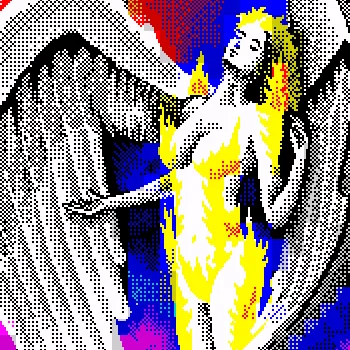
The immersive quality of the album is bolstered by its visual presentation. The cover art for Redux34 was created by Anders Karlsson, a concept artist and painter based in Norrköping, Sweden. Karlsson’s artwork depicts a surreal, alien landscape that mirrors the "strange new worlds" suggested by the music. The collaboration underscores a growing trend in the electronic music industry where visual storytelling is treated as an essential component of the digital and physical release.
The release of Redux34 also highlights the role of the Ubiktune label in the modern electronic landscape. Ubiktune has carved out a niche for "fusion chiptune," supporting artists who refuse to be pigeonholed by the technical limitations of their tools. By releasing Redux34 on physical CD as well as through major digital streaming services and shops, the label is positioning the album for a broader audience beyond the traditional demoscene.

Broader Impact and Implications for the Genre
The release of Redux34 arrives at a time when the boundaries between "chip music" and "mainstream electronic music" are increasingly blurred. For decades, chiptune was viewed as a nostalgic novelty or a technical exercise in working within constraints. However, Sjösvärd’s work suggests a transition toward "post-chiptune" or "chip-fusion," where the 8-bit sound is treated as a legitimate instrument in a composer’s palette rather than the defining limitation of the composition.
From a journalistic perspective, the significance of Redux34 lies in its refusal to adhere to genre purism. By incorporating elements of folk and progressive rock, Sjösvärd challenges the electronic music community to reconsider the emotional range of synthesized sound. The album’s narrative—one of recovery after loss (the LSDJ crash) and the search for roots after artistic excursion—resonates with a generation of listeners who grew up with technology but seek human connection within digital frameworks.
Furthermore, Sjösvärd’s academic background at the Academy of Music and Drama reflects a broader institutional acceptance of electronic and game-related music. As more classically trained composers enter the field, the complexity of arrangements and the sophistication of sound design are expected to rise. Redux34 serves as a case study in this professionalization, proving that the "bleeps and bloops" of the 1980s can support a bachelor-level inquiry into composition and modern music theory.
Distribution and Availability
Redux34 was made available to the public on September 18, 2015. The album is distributed across all major digital platforms, including Spotify, iTunes, and Bandcamp, ensuring global reach. For collectors and audiophiles, a physical CD edition was also produced, featuring the full-resolution artwork by Anders Karlsson. This multi-channel distribution strategy reflects the current state of the music industry, where digital accessibility is balanced with the tangible value of physical media.

As the electronic music scene continues to evolve, the release of Redux34 stands as a testament to the enduring influence of the Swedish demoscene and the innovative spirit of composers like Niklas Sjösvärd. By looking backward to his 8-bit origins while pushing forward into experimental territories, zabutom has crafted a work that is both a tribute to the past and a blueprint for the future of electronic composition.