Chalid Lutfie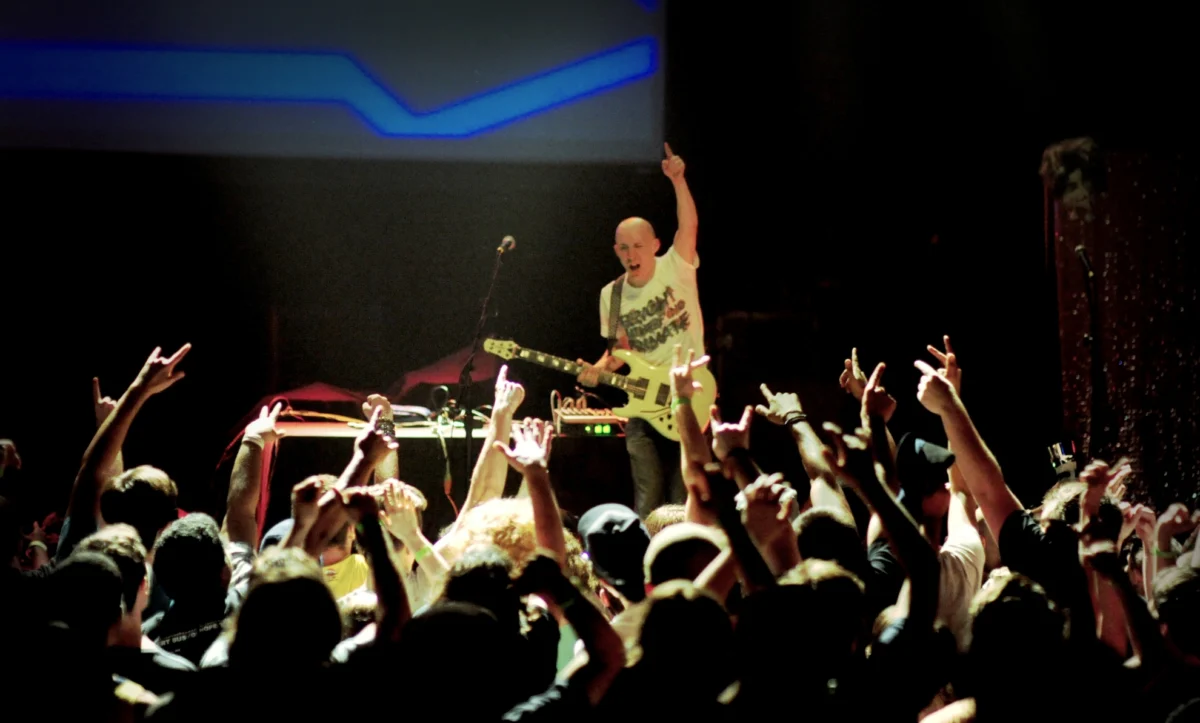
The contemporary chiptune scene is witnessing a significant evolutionary milestone with the announcement of Lunaria, the latest studio effort from Danimal Cannon. Arriving three years after his acclaimed collaboration with Zef on Parallel Processing, this new project marks a definitive shift in the artist’s discography. Known in the industry as Dan Behrens, the musician has spent nearly half a decade refining a specific sonic architecture that merges the technical limitations of 8-bit hardware with the expansive textures of progressive metal and electric guitar. Lunaria is scheduled for a global release on March 11, following a period of intense development that aimed to resolve the technical and aesthetic challenges of marrying digital synthesis with analog instrumentation.
The Evolution of the Danimal Cannon Sound
The trajectory of Danimal Cannon’s career has been defined by a persistent attempt to elevate chiptune—a genre rooted in the sound chips of vintage video game consoles—into the realm of high-level progressive composition. His 2011 debut, Roots, served as an initial experiment in this direction. While that record established his presence within the Ubiktune label and the broader bit-music community, Behrens has since noted that the integration of live guitar was only partially realized during that era.
Between 2011 and 2016, the artist’s live performances became a laboratory for the sound found on Lunaria. While his studio recordings often leaned heavily into the pure pulse of the Nintendo Game Boy’s hardware, his stage presence was defined by virtuosic guitar work layered over those digital foundations. The discrepancy between his live energy and his recorded output became a point of discussion among his fanbase. According to the artist, it took four years of technical refinement to master the art of songwriting for both instruments simultaneously, ensuring that the guitar did not overpower the Game Boy’s four-channel limitations, nor did the digital bleeps render the guitar tracks redundant.
Conceptual Foundations: The Giant Impact Hypothesis
Beyond its technical achievements, Lunaria is a concept album rooted in planetary science and celestial mechanics. The thematic core of the record is the "Giant Impact Hypothesis," a prevailing scientific theory regarding the formation of the Moon. This hypothesis suggests that approximately 4.5 billion years ago, a Mars-sized protoplanet named Theia collided with the early Earth. The resulting debris from this cataclysmic impact eventually coalesced in orbit to form the Moon.
Behrens has personified this cosmic event through the character of "Lunaria," representing the impactor and the resulting celestial body. The title itself serves as a linguistic double entendre, combining "Lunar" with "Aria"—a term for a self-contained piece for one voice, usually with orchestral accompaniment, common in operas. This personification allows the album to transition from the violent, high-energy "impact" of progressive metal to the more ethereal, atmospheric textures associated with the lunar surface. This scientific fascination is a recurring element in Behrens’ creative process, often citing late-night science lectures as a primary source of inspiration for his thematic world-building.
Technical Integration of 8-Bit and Analog Instrumentation
The production of Lunaria represents a significant engineering feat within the chiptune genre. The Game Boy’s sound chip (the Sharp LR35902) offers a limited palette: two pulse wave channels, one custom wave channel for synthesis, and one noise channel for percussion. In traditional chiptune, these channels must handle all melodic, harmonic, and rhythmic duties.
Integrating a high-gain electric guitar into this narrow frequency spectrum requires meticulous EQ management and arrangement. In Lunaria, the guitar is not merely an accompaniment but a foundational element that shares the lead role with the Game Boy. This synergy creates a sound that Behrens describes as a "new band lineup," where the digital and the analog gel into a single, cohesive unit. The progressive music elements—characterized by complex time signatures, rapid tempo changes, and intricate layering—push the hardware to its absolute processing limits, a hallmark of the Ubiktune collective’s output.
Collaborative Contributions and Guest Artistry
To realize the operatic and atmospheric ambitions of the album, Behrens enlisted the talents of two notable collaborators. The vocal components of the record feature Emily Yancey, a professionally trained opera singer. Her inclusion was a strategic choice to represent the "celestial moon goddess" character of Lunaria. By utilizing a singer with operatic timbre, the album bridges the gap between the "quirky" digital nature of the Game Boy and the grand, orchestral scale of the concept. Yancey’s performance provides a human element to the otherwise synthetic and mechanical soundscape.
The album also features a contribution from Samuel Ascher-Weiss, better known in the music community as Shnabubula. A long-time friend and previous collaborator on the Roots album, Ascher-Weiss is recognized for his virtuosic piano skills and his ability to translate complex digital compositions into acoustic arrangements. For Lunaria, he performed a piano rendition of the track "Axis," which Behrens identifies as the most challenging composition on the record. The contrast between the Game Boy version and the piano version highlights the structural complexity of the songwriting, proving that the music retains its emotional and technical weight regardless of the medium of performance.
A Spectrum of Musical Influences
The sonic identity of Lunaria is a mosaic of diverse musical genres. While primarily categorized as "chip-metal," the album draws from a wide array of influences:
- Video Game Music (VGM): The influence of contemporary indie soundtracks, specifically the Shovel Knight OST (composed by Jake Kaufman), is evident in the melodic construction.
- Industrial and Rock: The aggressive, rhythmic textures of Nine Inch Nails and KMFDM inform the album’s darker, more percussive moments.
- Indie Rock: The unconventional instrumentation and rhythmic experimentation of bands like Buke and Gase provided a blueprint for the album’s unique structure.
- Classical and Choral: The harmonic sensibilities of Mozart and the modern choral arrangements of Eric Whitacre are woven into the progressive arrangements, particularly in the tracks featuring Emily Yancey.
By synthesizing these disparate styles, Danimal Cannon avoids the pitfalls of genre-pastiche, instead creating a sound that feels singular and modern.
Market Impact and the Chiptune Renaissance
The release of Lunaria comes at a time when chiptune is moving away from its "novelty" roots and into the mainstream of independent music production. Labels like Ubiktune have been at the forefront of this movement, treating 8-bit hardware as a legitimate instrument rather than a retro gimmick.
The anticipation for Lunaria reflects a growing demand for "high-fidelity" chiptune—music that utilizes the constraints of old hardware to create complex, modern compositions. Industry analysts suggest that the success of artists like Danimal Cannon is paving the way for video game-inspired music to be featured in broader festival circuits and professional recording environments. The hybrid nature of the album makes it accessible to fans of progressive metal, electronic music, and gaming culture alike, broadening the potential demographic for bit-music.
Release Logistics and Visual Identity
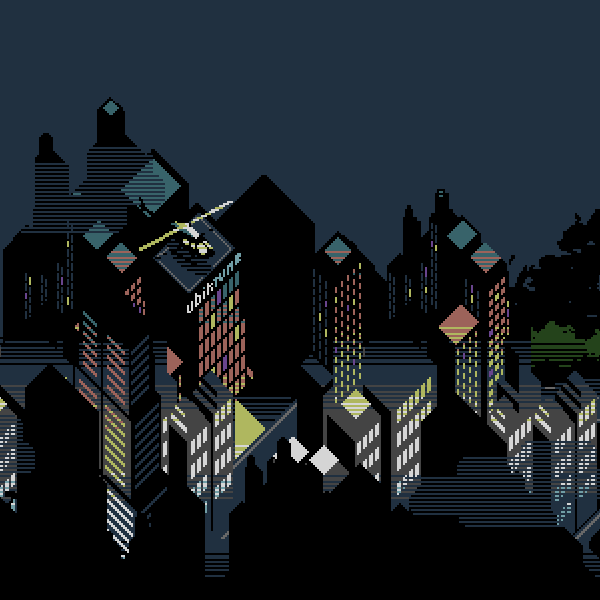
Lunaria is set for a multifaceted release. It will be available digitally via Bandcamp and other major streaming platforms. For collectors and audiophiles, a physical CD release is also planned, featuring high-quality artwork by Minerva Mopsy. The visual aesthetic of the album—portrayed through the cover art and a featured poster—complements the lunar theme, utilizing a color palette and design language that reflects both the "science-geek" origins and the operatic grandeur of the project.
The lead single, "Behemoth," has already been released to provide listeners with a preview of the album’s aggressive yet melodic direction. As the March 11 release date approaches, the project stands as a testament to the creative possibilities that emerge when technical mastery meets conceptual ambition.
Conclusion and Future Implications
With Lunaria, Danimal Cannon has arguably set a new benchmark for the integration of live instrumentation within the chiptune genre. By successfully navigating the five-year development cycle and overcoming the hurdles of "marrying" the Game Boy and the guitar, Behrens has delivered an album that is both a technical showcase and a narrative journey.
The project demonstrates that the limitations of 30-year-old hardware are not barriers to creativity but are instead catalysts for innovation. As the lines between digital and analog music continue to blur, Lunaria serves as a definitive example of how tradition and technology can coexist to form something entirely new. The album not only fulfills a long-standing request from the artist’s fanbase but also positions Danimal Cannon as a central figure in the ongoing evolution of progressive electronic music.