Hartono Sudibyo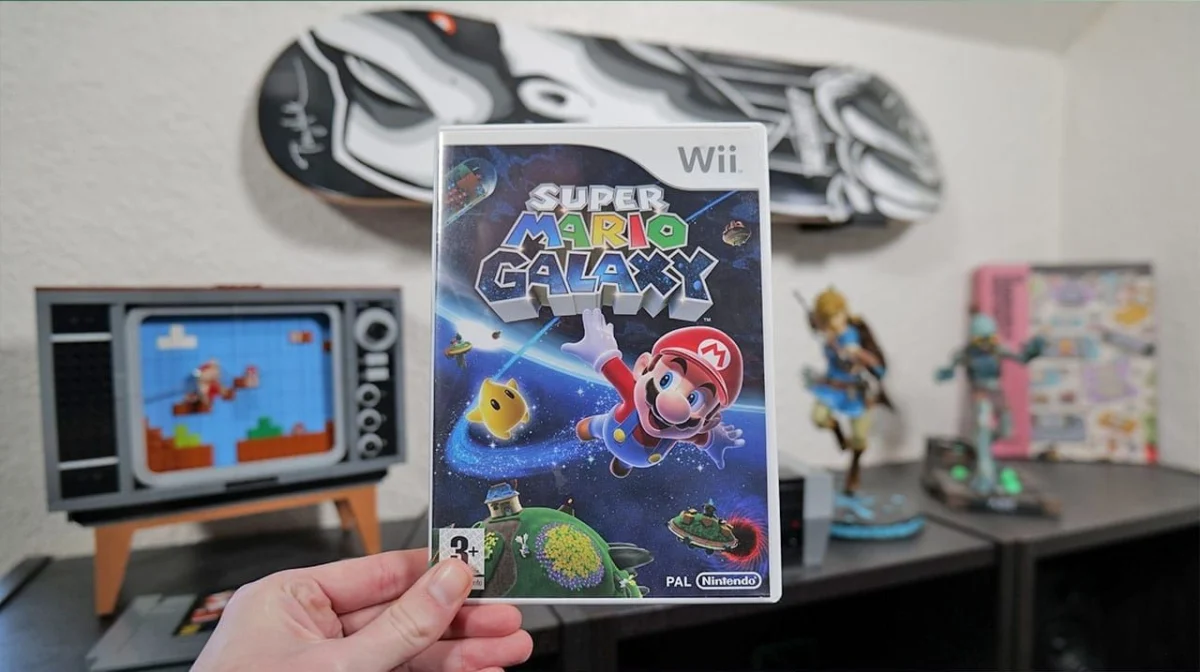
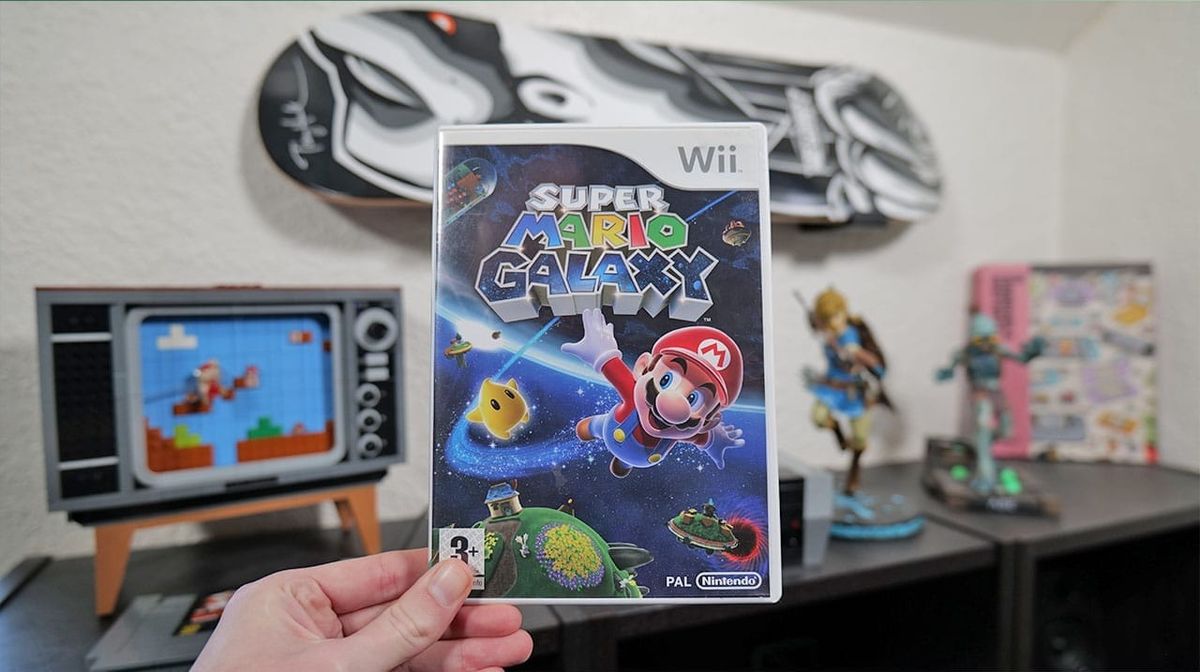
The ongoing efforts to reverse-engineer and decompile classic Nintendo titles have reached a significant milestone with Super Mario Galaxy, the beloved Wii installment of the iconic platformer. The project, which aims to create a native PC port of the game, has officially surpassed the 50% decompiled mark, a crucial step forward in making the game accessible on modern platforms and fostering a vibrant modding community. This development, announced by the decompilation team, signifies a substantial advancement in the preservation of Nintendo’s rich gaming history and opens up exciting possibilities for players and developers alike.
A Growing Trend in Game Preservation
The decompilation of Super Mario Galaxy is part of a larger, burgeoning movement within the gaming community dedicated to preserving legacy titles. In recent years, several prominent Nintendo games have become the subject of similar reverse-engineering efforts. Notable examples include The Legend of Zelda: Majora’s Mask, which has seen the release of a functional native PC port, and Super Smash Bros. Brawl, where decompilation work is also underway. These projects, often driven by dedicated fans and developers, aim to recreate games from their source code, allowing them to run on platforms other than their original hardware.
While these efforts are celebrated by many for their contribution to game preservation and accessibility, they also represent a complex legal landscape for Nintendo. The company has historically been protective of its intellectual property, and the creation of unofficial ports and modifications can present challenges to its established distribution models and copyright protections. However, the increasing success of these decompilation projects suggests a growing demand for players to experience classic games on contemporary hardware, with enhanced features and greater freedom for creative expression.
The Journey to 50% Decompilation
The decompilation of Super Mario Galaxy is not a new endeavor. The project has been in development for several years, with a dedicated community of programmers and enthusiasts meticulously working to understand and reconstruct the game’s underlying code. Reaching the 50% decompiled stage is a testament to the sustained effort and technical expertise involved. This means that approximately half of the game’s original code has been successfully reverse-engineered and translated into a human-readable format.
The announcement of this milestone was shared via social media, with a notable tweet from user RareSun (@RareSun_) stating: "SUPER MARIO GALAXY NOW 50% DECOMPILED." This simple declaration, accompanied by a visual representation of the progress, quickly garnered attention within the retro gaming and emulation communities. The tweet, dated May 21, 2026, indicates the ongoing and active nature of this significant project.
Implications of a 50% Decompilation
The achievement of the 50% decompiled mark carries substantial implications for the future of Super Mario Galaxy. The most immediate and exciting prospect is the potential for a native PC port. A native PC port would allow the game to run on Windows, macOS, and Linux systems without the need for complex emulation software, offering improved performance, higher resolutions, and greater stability. This would democratize access to the game, making it playable for a much wider audience who may not have access to a Nintendo Wii console or the technical expertise to set up emulators.
Furthermore, a native PC port is the foundation for extensive modding capabilities. Historically, games that have been successfully decompiled and ported to PC have seen an explosion of creativity from their fan bases. Titles like The Legend of Zelda: Ocarina of Time and Super Mario 64 have benefited from a wealth of fan-made mods that introduce new levels, gameplay mechanics, graphical enhancements, and even entirely new story elements.
For Super Mario Galaxy, this could translate into a variety of exciting possibilities. Fans might develop graphical overhauls, introducing modern visual fidelity with higher-resolution textures and advanced lighting effects. Gameplay modifications could range from minor tweaks to core mechanics to entirely new challenges and objectives. The potential for fan-created content is vast, and a successful PC port would undoubtedly unlock a new era of innovation and engagement for Super Mario Galaxy.
The inspiration for this kind of fan-driven enhancement can be seen in projects like Dusk, a mod for The Legend of Zelda: Twilight Princess. While not a decompilation in the same vein, Dusk demonstrates the power of the modding community to bring classic games to new platforms and offer significant improvements. A similar level of dedication and ingenuity could be applied to Super Mario Galaxy, further solidifying its legacy as a timeless gaming experience.
The Road Ahead: Challenges and Expectations
While the 50% decompiled milestone is a cause for celebration, it is important to acknowledge that the journey is far from over. Decompiling a complex, modern 3D game like Super Mario Galaxy is an intricate and time-consuming process. The remaining 50% of the code still needs to be meticulously reverse-engineered, understood, and translated. This often involves deciphering proprietary algorithms, understanding hardware-specific optimizations, and ensuring compatibility with modern operating systems.
The development timeline for the complete decompilation and the subsequent release of a stable PC port remains uncertain. The project has been ongoing for a couple of years, and it is plausible that it could take additional time before fully playable ports become available for other consoles or PC. However, the progress made so far is highly encouraging.
The community behind the Super Mario Galaxy decompilation project, often referred to as the SMG Community, actively shares updates and progress reports on platforms like decomp.dev. This website serves as a central hub for various decompilation projects, allowing enthusiasts to track the percentage of completion, contribute to the effort, and engage with fellow developers. The mention of checking decomp.dev regularly highlights the keen interest and anticipation surrounding the project’s continued development.
Nintendo’s Stance and the Future of Classic Games
Nintendo’s historical approach to intellectual property has been characterized by a strong desire to control its franchises and maintain the integrity of its original releases. The company has, in the past, taken legal action against projects that it deems to infringe on its copyrights. This includes emulation efforts and the distribution of ROMs.

However, the rise of fan-driven decompilation projects presents a nuanced challenge. These efforts are often framed as acts of preservation, ensuring that beloved games remain accessible in an era where original hardware can degrade and become scarce. The creation of native PC ports, while potentially seen as competition to official re-releases or digital storefront offerings, also introduces games to new audiences and can reignite interest in classic franchises.
The success of the Super Mario Galaxy decompilation could influence Nintendo’s broader strategy regarding its classic game library. While the company has experimented with services like Nintendo Switch Online to offer retro titles, these often come with limitations or are tied to subscription models. The potential for high-quality, community-driven ports could put pressure on Nintendo to provide more accessible and enhanced ways for players to enjoy its back catalog.
Community Engagement and Support
The progress of the Super Mario Galaxy decompilation project underscores the power of dedicated fan communities. These initiatives are often fueled by passion, technical skill, and a shared love for video games. The continuation of such projects relies heavily on community engagement, not only through direct contributions to the development but also through broader support for the platforms and individuals involved.
For readers interested in supporting such endeavors, options often include direct financial contributions, participation in development forums, or simply spreading awareness about the projects. The article’s mention of becoming a member, tipping, or supporting companies like GAMENOOK highlights a broader ecosystem of fan support that enables independent creators and publications to continue their work without solely relying on algorithmic promotion or intrusive advertising. This model emphasizes the value of human-driven content and a commitment to preserving the spirit of gaming culture.
A New Era for Super Mario Galaxy
The 50% decompiled mark for Super Mario Galaxy is more than just a technical achievement; it represents a significant step towards a future where classic games can be experienced in new and exciting ways. The prospect of a native PC port, coupled with the potential for extensive modding, promises to breathe new life into this critically acclaimed title. As the decompilation project continues its march towards completion, the gaming world watches with anticipation, eager to see the full realization of a beloved masterpiece on modern platforms. This development serves as a powerful reminder of the enduring appeal of classic games and the dedication of the communities that strive to keep them alive and thriving for generations to come.