Hartono Sudibyo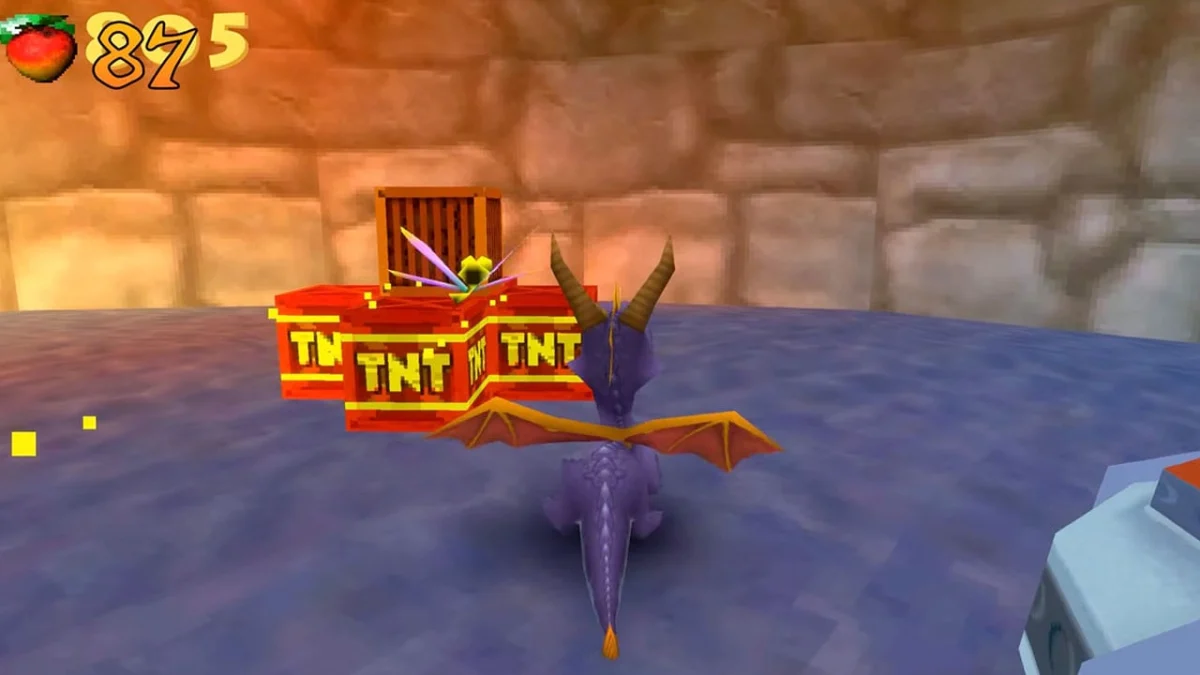
The gaming landscape of the late 1990s was dominated by iconic mascots, and among the most beloved were Spyro the Dragon and Crash Bandicoot. These characters, instrumental in establishing the PlayStation as a powerhouse, carved out separate but equally impactful legacies. For a generation of gamers, the prospect of seeing these two titans collaborate in a single, definitive adventure was a fervent wish, a scenario that fueled playground discussions and ignited imaginations. While both franchises enjoyed immense success on the original PlayStation, Sony’s strategic decisions largely kept their star players in their respective arenas. Spyro’s appearances in titles like Crash Team Racing: Nitro-Fueled offered a tantalizing glimpse of cross-franchise interaction, but a true, integrated co-operative experience remained elusive, leaving a void in the hearts of many who grew up with these digital heroes.
The Genesis of a Fan-Driven Collaboration
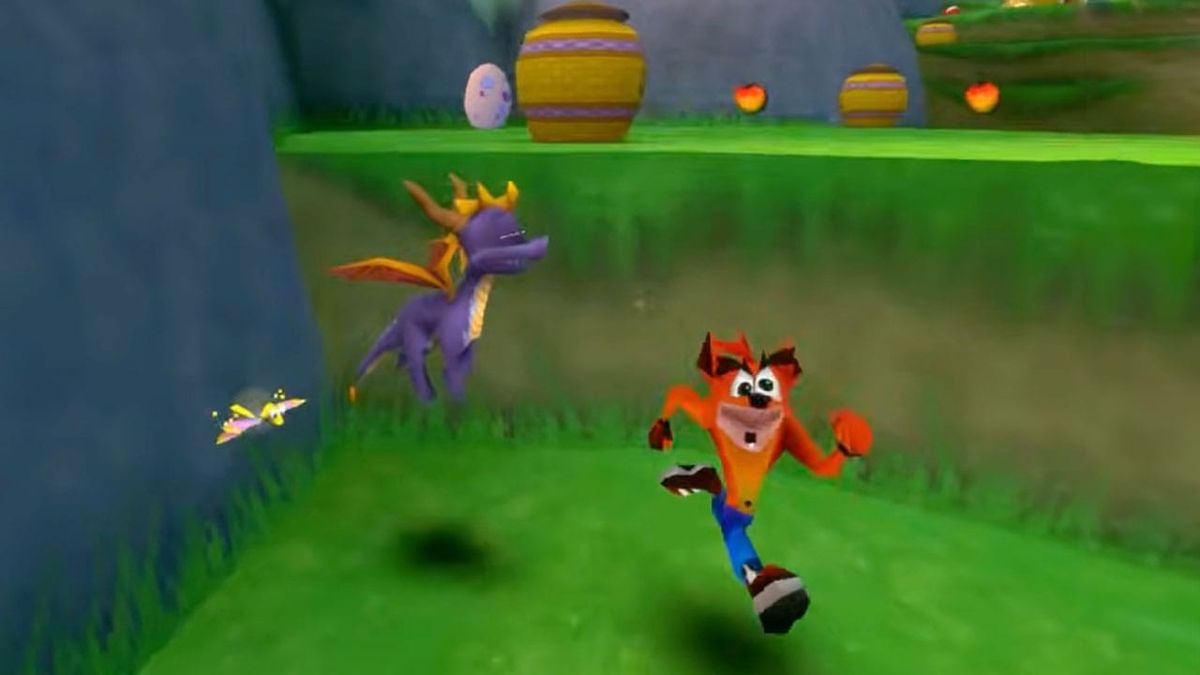
The enduring appeal of these characters, coupled with the unmet desire for their joint adventure, has now spurred a remarkable fan-driven project. Developed by an individual known as qtderg, this ambitious endeavor brings the worlds of Spyro and Crash Bandicoot together, offering a playable co-operative experience that reimagines classic PlayStation gameplay. This project, built upon Bunbaroness’s Spaghetti UE4 framework, is not merely a cosmetic crossover; it represents a deep dive into fan-made innovation, breathing new life into beloved IPs and delivering on a long-held collective dream.
The initiative has garnered significant attention, exemplified by its enthusiastic reception on social media platforms. Tweets from users like "Cynical" (@thegamersjoint) have highlighted the project, with one post on May 21, 2026, stating, "A childhood dream finally realized, Crash Bandicoot in a PS1 Spyro game. This S3 recreation project not only brings Crash into Spyro’s world, but also introduces 4 player Co-op and a bunch of new features. Built using the ‘Spaghetti Spyro’ UE Framework." Such reactions underscore the potent nostalgia and excitement this fan project has generated, tapping directly into the emotional connection gamers have with these characters and their formative gaming experiences.
A Demo Unveiling a Fusion of Worlds
The current iteration of qtderg’s project is presented as a demo, offering a taste of what a full-fledged Spyro and Crash co-operative game could entail. This playable demonstration focuses on Spyro 3: Year of the Dragon, allowing players to experience a collaborative playthrough across three distinct levels: Sunrise Spring Home, Sunny Villa, and Sheila’s Alp. The demo meticulously weaves elements from both franchises, creating a cohesive and engaging experience.
Key features within the demo include:
- Cross-Franchise Integration: Players will encounter elements such as Aku Aku, the iconic mask from the Crash Bandicoot series, integrated into the gem collection mechanics of Spyro.
- Expanded Roster: Characters like Coco Bandicoot, Crash’s intelligent younger sister, are introduced as playable characters, further diversifying the cooperative gameplay.
- Thematic Amalgamation: Items and motifs from Crash Bandicoot games are seamlessly incorporated into Spyro’s familiar environments, creating a unique aesthetic fusion.
- Multiplayer Functionality: The project supports local and online multiplayer for up to four players, significantly enhancing the cooperative aspect and enabling friends to relive their childhood gaming memories together.
- Enhanced Features: Beyond core gameplay, the demo includes modern amenities such as a photo mode, allowing players to capture and share their cross-franchise adventures, and the ability to enter cheat codes, a nod to the classic cheat culture of the era.
The technical foundation for this ambitious project is Bunbaroness’s Spaghetti UE4 framework. This robust engine provides the necessary tools and flexibility for qtderg to implement complex features like multiplayer networking and character integration, demonstrating the power of modern game development tools in empowering independent creators.
The Enduring Legacy of PlayStation’s Golden Age
The late 1990s marked a pivotal era for the video game industry, with the original PlayStation leading the charge in 3D graphics and innovative gameplay. Spyro the Dragon, developed by Insomniac Games, debuted in 1998 and quickly became a critical and commercial success. Its charming protagonist, vibrant worlds, and accessible yet engaging gameplay mechanics resonated with a broad audience. Spyro’s adventures, characterized by exploration, platforming, and collecting, set a high bar for 3D platformers of the time.

Simultaneously, Naughty Dog’s Crash Bandicoot franchise, which launched in 1996, became the de facto mascot for Sony’s console. Crash’s distinct personality, fast-paced linear gameplay, and challenging level design also captivated players worldwide. The rivalry, both perceived and real, between these two mascots defined a generation of console wars and cemented their status as gaming icons.
The fact that these characters, once positioned as competitors for the affections of PlayStation gamers, are now being brought together by a dedicated fan underscores the lasting impact they have had. This project speaks to a community that not only cherishes these games but also possesses the technical acumen and creative drive to extend their lifespan and explore new possibilities.
Analysis of Implications and Broader Impact
The success and reception of qtderg’s Spyro and Crash co-op demo carry several significant implications:
- Validation of Fan Creation: This project serves as a powerful testament to the talent and dedication within the fan game community. It demonstrates that passionate creators can leverage accessible tools to produce high-quality content that rivals, in spirit if not in official backing, the original works.
- Market Potential for Nostalgia-Driven Content: The overwhelming positive response indicates a strong market demand for games that tap into 90s nostalgia. This suggests that official studios and publishers might find success in revisiting beloved IPs with modern interpretations or collaborations, provided they are executed with authenticity and respect for the source material.
- The Power of Collaborative Fan Projects: The multi-player aspect of this demo is particularly noteworthy. It highlights the social dimension of gaming and the desire for shared experiences, especially when recreating cherished childhood memories. This could inspire future fan projects to focus on cooperative gameplay.
- Technological Accessibility: The use of the Spaghetti UE4 framework exemplifies how advanced game development tools are becoming more accessible, lowering the barrier to entry for aspiring game creators. This democratization of game development empowers individuals to bring their unique visions to life.
- A Precedent for Official Crossovers: While official crossovers between major IPs can be complex due to licensing and corporate strategies, this fan project provides a compelling case study. It showcases the potential appeal of such collaborations and might influence future official decisions regarding character interactions and franchise synergies.
While official statements from Activision (the current rights holder for Crash Bandicoot) or Microsoft (which acquired Activision Blizzard) regarding this specific fan project have not been publicly released, the general stance of major publishers towards fan-made games often involves a delicate balance between acknowledging fan creativity and protecting intellectual property. Historically, many such projects, especially those that do not seek commercial gain and are clearly non-profit endeavors, are often tolerated or even quietly supported by rights holders, provided they do not infringe on trademark or copyright in a way that directly harms the IP. The nature of this demo, being a non-commercial fan recreation, likely falls into this category.
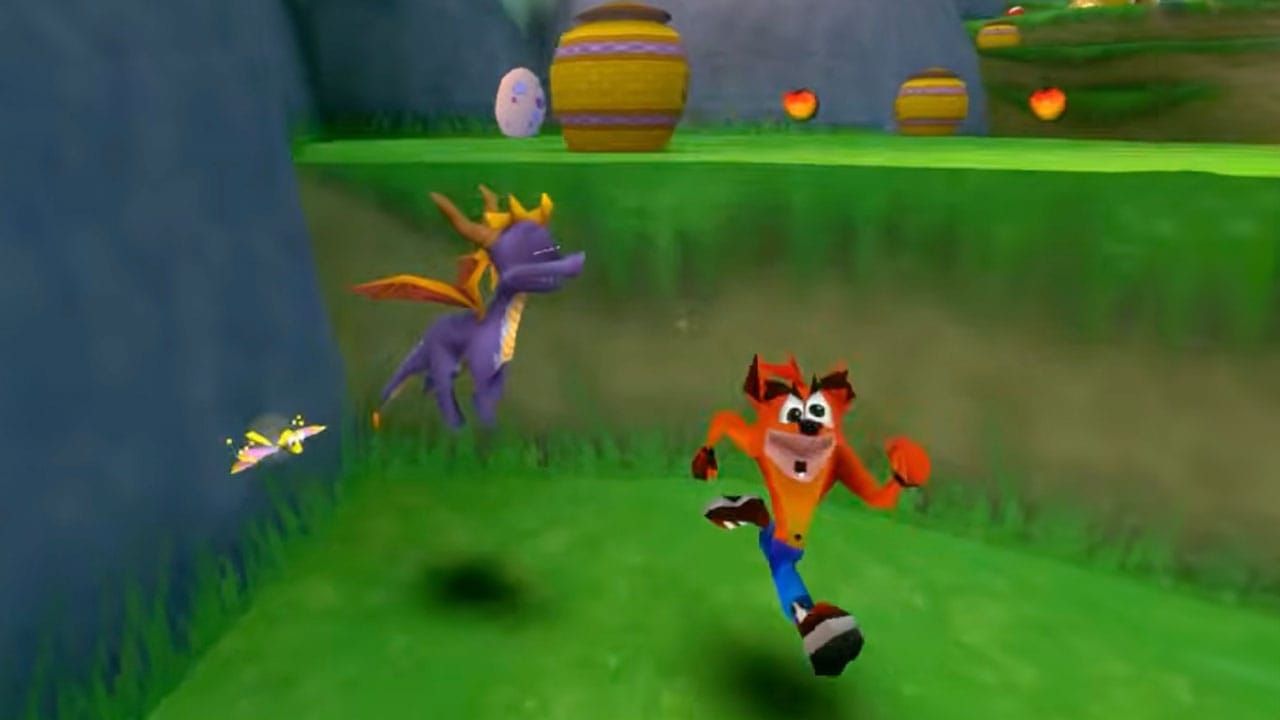
The project’s existence and its enthusiastic reception serve as a vibrant reminder of the enduring cultural significance of Spyro the Dragon and Crash Bandicoot. For many, this fan-made demo is more than just a game; it’s a journey back to a cherished era, a fulfillment of a childhood fantasy, and a celebration of the creativity that gaming continues to inspire. As the demo continues to be explored and potentially expanded, it solidifies its place as a landmark achievement in fan game development, proving that sometimes, the most magical collaborations are born from the dreams of the fans themselves.