Chalid Lutfie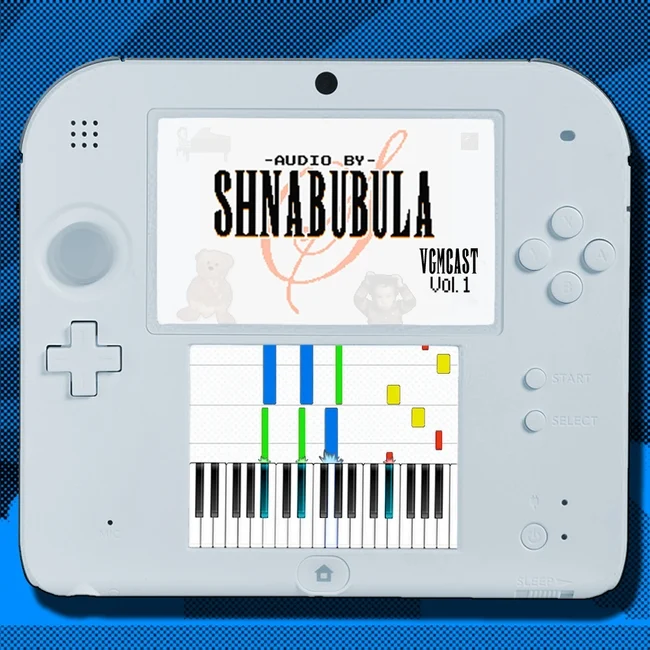
The prominent chiptune composer and virtuoso pianist Samuel Ascher-Weiss, professionally known as Shnabubula, has officially inaugurated a rigorous new musical initiative centered on the real-time acquisition and performance of video game music (VGM). This project, which integrates high-stakes live streaming with rapid-fire musical transcription, represents a significant evolution in the way independent musicians engage with their audiences through digital platforms. Operating on a weekly schedule, the project challenges the artist to master a diverse array of fan-requested compositions within a strictly defined timeframe, culminating in a structured concert performance every Sunday. This initiative is designed not only as a creative outlet but as a pedagogical exercise intended to expand the artist’s repertoire and refine his improvisational and technical capabilities.
The Mechanics of the Weekly Request and Performance Cycle
The operational structure of the project is divided into two distinct phases, leveraging the low-latency capabilities of the Hitbox.tv streaming service. The first phase occurs every Friday, beginning at 12:00 PM EST and concluding at 8:30 PM EST. During this eight-and-a-half-hour window, Ascher-Weiss accepts requests directly from a live audience. The primary objective of this session is the immediate transcription and memorization of these works. Unlike traditional practice sessions, which often occur behind closed doors, these sessions are broadcast in their entirety, providing a transparent look at the cognitive and technical processes involved in learning complex musical arrangements by ear.
The second phase of the cycle takes place on Sunday at 4:00 PM EST. This session serves as the formal recital, where the songs learned during the Friday marathon are performed as a cohesive setlist. This two-day turnaround necessitates a high degree of musical fluency, as the compositions requested often span various genres—from the 8-bit melodic structures of the NES era to the complex, orchestral-influenced scores of modern gaming. By separating the learning phase from the performance phase, the project creates a narrative arc for the viewers, who witness the transition from initial exposure to polished execution.
Analysis of the Debut Session and Technical Achievements
The viability of this ambitious schedule was demonstrated during the project’s inaugural week in mid-May 2015. During the first Friday session, Ascher-Weiss successfully processed 14 distinct musical requests. These compositions were documented and subsequently performed in a single, continuous recording. The breadth of the material covered during this initial trial highlighted the artist’s ability to navigate different harmonic languages and rhythmic complexities under pressure.
Following the performance, the audio was archived and formatted for public consumption. In an effort to make the project’s output accessible to a wider audience, the individual tracks from the Sunday performance were compiled into a digital album. This distribution model ensures that the ephemeral nature of a live stream is captured in a permanent format, allowing for retrospective analysis and high-fidelity listening. The 14-song set serves as a baseline for the project’s future output, establishing a high standard for productivity and technical accuracy.
Profile of the Artist: Samuel Ascher-Weiss and the Chiptune Tradition
To understand the significance of this project, it is necessary to examine the background of Samuel Ascher-Weiss. A mainstay in the video game music arrangement community for over a decade, Shnabubula has earned a reputation for his unique fusion of ragtime, jazz, and classical techniques with the aesthetic of vintage synthesis. His previous works, such as the critically acclaimed album Game Theory, demonstrated a profound ability to reinterpret classic video game themes through the lens of sophisticated music theory.
Ascher-Weiss is noted for his proficiency in "chiptune" music—audio composed for the sound chips of vintage computers and gaming consoles. However, his work often transcends the limitations of the hardware, incorporating live piano performances that bridge the gap between digital synthesis and acoustic instrumentation. This new project on Hitbox represents a synthesis of these interests, utilizing modern streaming technology to revitalize the tradition of the musical salon, where virtuosic display and audience interaction are paramount.
The Strategic Use of the Hitbox Streaming Platform in 2015
The choice of Hitbox.tv as the primary broadcast medium is a noteworthy aspect of the project’s logistical framework. In 2015, Hitbox was positioned as a major competitor to Twitch, the dominant force in the live-streaming industry. For musicians, Hitbox offered several perceived advantages, including a reputation for lower latency and a community-focused interface. Lower latency is particularly critical for a project based on real-time requests, as it allows for a more fluid dialogue between the artist and the chat participants.
Furthermore, the "VGMcast" branding associated with these streams aligns with a broader trend in the mid-2010s: the professionalization of niche content creation. By establishing a fixed schedule and a clear objective, Ascher-Weiss transitioned from a sporadic uploader to a structured broadcaster. This shift reflects the changing landscape of the music industry, where independent artists must increasingly act as their own promoters, engineers, and distributors.
Pedagogical Value and the Art of Ear Training
Beyond the entertainment value, the Friday learning sessions offer significant pedagogical insights into the art of ear training and transcription. In a standard academic setting, the process of transcribing a piece of music can take days or weeks. Ascher-Weiss’s ability to condense this process into a few hours—while being observed by a live audience—highlights a specialized skill set.
For aspiring musicians and composers, these streams serve as a masterclass in functional harmony and melodic analysis. By deconstructing the requested songs in real-time, the artist reveals the underlying structures that make video game music memorable. This "work-in-progress" transparency demystifies the creative process, showcasing the trial-and-error, the repetition, and the analytical thinking required to master a new piece of music without the aid of sheet music.
Broader Impact on the Video Game Music (VGM) Community
The VGM community is characterized by a high degree of passion and a deep archival interest in gaming history. Projects like this contribute to the community by breathing new life into obscure or forgotten soundtracks. When a viewer requests a deep-cut track from a 1990s Japanese RPG or a niche indie title, and that track is subsequently performed at a high technical level, it validates the cultural importance of the original work.
Moreover, the project fosters a sense of communal participation. The audience members are not merely passive observers; they are active curators of the Sunday setlist. This collaborative element is a hallmark of the modern digital music scene, where the barrier between the creator and the consumer is increasingly porous. The project reinforces the idea of music as a shared experience, even when mediated through screens and digital interfaces.
Implications for Live Musical Performance in the Digital Age
The Shnabubula Hitbox project serves as a case study for the future of live musical performance. As traditional venues for independent music face economic challenges, digital stages provide a viable alternative for artists with specialized skills. The "request-and-learn" model is a format that is uniquely suited to the internet, where the global reach of the platform ensures a constant stream of diverse input.
From a technical standpoint, the project also highlights the necessity of multi-disciplinary expertise. Ascher-Weiss is not only performing the music but is also managing the broadcast hardware, interacting with a digital community, and overseeing the post-production of the audio for album release. This holistic approach to music production is becoming the standard for successful independent artists in the 21st century.
Conclusion and Future Outlook
The launch of this project by Shnabubula marks a significant moment in the intersection of live streaming and musical virtuosity. By committing to a grueling schedule of learning and performing, Samuel Ascher-Weiss has created a unique platform for artistic growth and community engagement. The success of the initial 14-song session suggests that there is a substantial appetite for high-quality, long-form musical content that prioritizes technical skill and transparency.
As the project continues, it will likely serve as a benchmark for other musicians looking to leverage streaming technology for professional development. The archives of these sessions will provide a rich resource for fans of video game music and students of piano performance alike. In an era where digital content is often criticized for its brevity and lack of depth, this initiative stands as a testament to the enduring value of disciplined practice and the pursuit of musical excellence. The ongoing Friday and Sunday sessions remain a focal point for the Hitbox community, promising a steady stream of innovative arrangements and virtuosic performances in the months to come.