Cecilia Chamidah Nur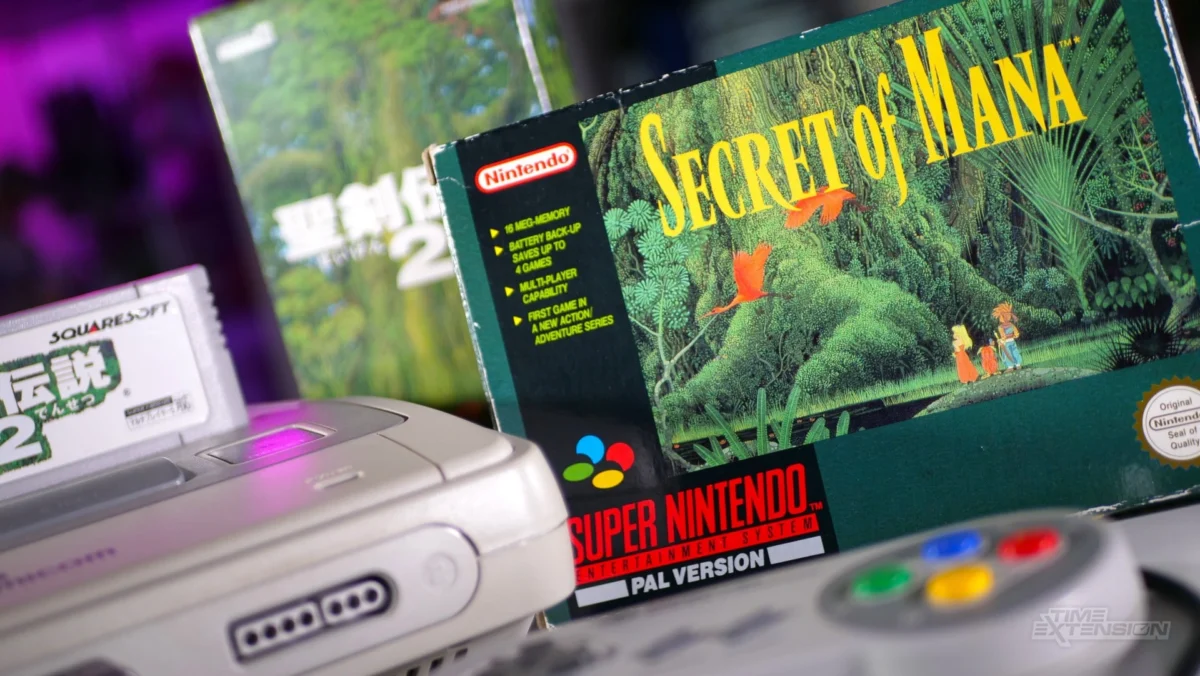
The release of Secret of Mana, known in Japan as Seiken Densetsu 2, occupies a unique position in the history of interactive entertainment, serving as a bridge between the peak of 2D sprite-based artistry and the burgeoning transition toward 3D console architecture. Published by Square and released for the Super Nintendo Entertainment System (SNES), the title arrived in Japan in August 1993, followed by a North American release in October 1993 and a European launch in November 1994. Its development coincided with a pivotal shift in the gaming industry, as hardware manufacturers began prioritizing the shift toward 32-bit platforms, most notably the Sony PlayStation, which debuted in Japan in December 1994.
Chronology of a Genre-Defining Release
The development of Secret of Mana was marked by high ambition and significant technical hurdles. Directed by Koichi Ishii and produced by Hiromichi Tanaka, the project was intended to be an ambitious expansion of the Mana series, which had begun with the 1991 Game Boy title Final Fantasy Adventure.
The timeline of the game’s global rollout highlights the logistical disparities of the early 1990s:
- August 6, 1993: Initial release in Japan. The title was highly anticipated, as it offered a departure from the traditional turn-based combat systems popularized by the Final Fantasy franchise.
- October 3, 1993: North American release. The title was heavily marketed for its innovative three-player cooperative gameplay, a feature made possible by the SNES Multitap peripheral.
- November 24, 1994: European release. British and European consumers faced a significant delay compared to their international counterparts, often exacerbated by regional distribution challenges and the limited penetration of Japanese-developed RPGs in the UK market.
Technical Innovations and Artistic Direction
Secret of Mana was widely lauded for its aesthetic sophistication, utilizing the SNES’s Mode 7 graphics capabilities and a rich, vibrant color palette that allowed for complex environmental design. The game’s visual identity was defined by detailed sprite work and intricate incidental animations, which provided a sense of depth and life to the world of Potos and beyond.
Central to the game’s success was the musical score composed by Hiroki Kikuta. The soundtrack, characterized by its use of ethereal melodies and rhythmic, synth-heavy arrangements, is frequently cited by musicologists and industry critics as a benchmark for 16-bit audio. Kikuta’s departure from the traditional orchestral style of the era allowed for a more atmospheric experience, which directly influenced the player’s immersion.
From a mechanical perspective, the combat system represented a fusion of real-time action and menu-driven strategy. By implementing a "Ring Command" system, Square allowed players to pause the action briefly to navigate menus without completely removing the player from the flow of combat. This hybrid approach distinguished the game from contemporaries like The Legend of Zelda: A Link to the Past, which focused primarily on real-time combat, and Final Fantasy, which relied on static, turn-based encounters.
The 32-Bit Transition and Market Context
The mid-1990s represented a period of extreme volatility for hardware manufacturers. As the 16-bit era reached its saturation point, the introduction of the Sony PlayStation and the Sega Saturn began to dominate the media discourse. In early 1995, consumers were increasingly exposed to early 3D rendering demonstrations, such as Ridge Racer. This shift in public perception created a "wait-and-see" environment for many gamers.
The retail landscape in the United Kingdom during this period was particularly illustrative of this transition. Small, independent gaming stores served as the primary hubs for enthusiasts to view imported Japanese hardware, often months before official domestic releases. The contrast between the saturated colors of Secret of Mana and the smooth-rendered, albeit primitive, 3D polygons of the nascent PlayStation created a distinct dichotomy in the marketplace. While Secret of Mana demonstrated the absolute ceiling of 2D performance, the industry narrative was already pivoting toward the polygonal future.
Regional Disparities and Localization Challenges
The distribution of Japanese role-playing games (JRPGs) in the West during the 1990s was inconsistent. In the United Kingdom, the genre faced a uphill battle against the popularity of action, sports, and fighting titles like Street Fighter II and FIFA. Specialized publications such as Super Play and EDGE were instrumental in cultivating an audience for titles like Secret of Mana, as they provided the necessary context for complex narrative-driven games that mainstream outlets often overlooked.
The failure to release Final Fantasy III (Final Fantasy VI in Japan) in the UK further underscored the perceived risk of importing "text-heavy" Japanese titles. Square’s decision-making regarding which games to localize was driven by rigorous cost-benefit analyses, which often excluded titles that required extensive translation and re-coding for PAL television standards. This resulted in the exclusion of Seiken Densetsu 3 from the Western market during the mid-90s, a decision that would not be rectified until the 2019 release of the Collection of Mana on the Nintendo Switch.
Broader Impact and Historical Legacy
The legacy of Secret of Mana is not merely defined by its sales figures, but by its long-term influence on action-RPG design. The implementation of local co-op, while technically demanding for the SNES hardware, set a precedent for future multiplayer role-playing experiences. Furthermore, the game’s success helped validate the viability of the genre in Western markets, paving the way for the eventual mainstream success of Final Fantasy VII and subsequent titles.
Industry analysts have noted that the game’s endurance is a result of its "timeless" design philosophy. By prioritizing artistic direction—such as the lush, hand-drawn environments—over hardware-specific gimmicks, Secret of Mana has aged more gracefully than many of its early 3D counterparts.
Today, the title serves as a primary case study in how developers successfully managed the transition between console generations. It remains a fixture in the history of game design, frequently featured in academic retrospectives regarding the artistic potential of the 16-bit era. With the advent of digital preservation and collections like the Collection of Mana, the title continues to reach new generations of players, maintaining its status as a foundational pillar of the role-playing genre.
The evolution of the series, from the original Seiken Densetsu to the modern remakes and sequels, reflects the broader trajectory of Square Enix’s development strategies. By balancing technological experimentation with the core gameplay loops that defined its success in 1993, the Mana series continues to bridge the gap between historical nostalgia and modern gameplay standards.