Vera Clarissa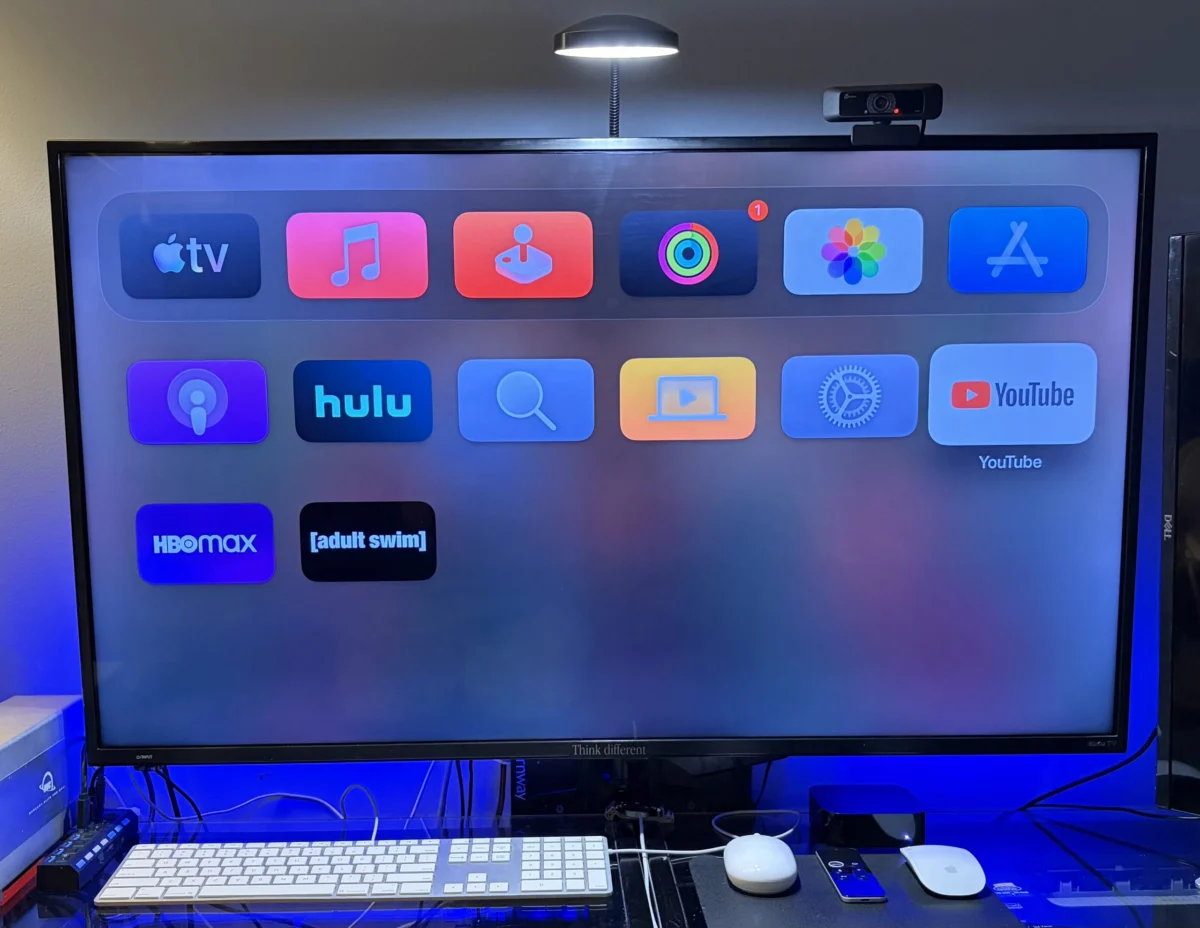
With the anticipated launch of the 2026 iteration of the Apple TV 4K scheduled for October 30, the technology industry has officially reclassified the first-generation Apple TV 4K as "vintage." This designation follows a five-year window since the device was last available through official retail channels in 2021. For many users, this transition marks the conclusion of a significant chapter in home entertainment technology, as the original 4K model served as a cornerstone of the modern "smart" living room ecosystem since its debut.

The Evolution of the Apple TV 4K
Released originally in 2017, the first-generation Apple TV 4K represented a major leap forward for Apple’s living room strategy. Equipped with the A10X Fusion chip—the same processor that powered the iPad Pro of that era—the device brought high-dynamic-range (HDR) video and 4K resolution to the Apple ecosystem. For many consumers, the device served as a vital bridge between traditional television sets and the modern, internet-connected landscape.
By keeping the television set itself offline, users were able to mitigate concerns regarding privacy and the data-tracking capabilities inherent in many "smart" television operating systems. The Apple TV 4K offered a sandbox environment that allowed for robust AirPlay mirroring, high-speed Gigabit Ethernet connectivity, and a consistent, privacy-focused interface that effectively shielded the underlying television hardware from the external network.

Chronology of a Market Standard
The transition of the first-generation model to "vintage" status follows a predictable life cycle for Apple hardware. When a product has not been sold by Apple for more than five years but less than seven years, it is classified as vintage. Once a device exceeds seven years of discontinuation, it is classified as obsolete.
- September 2017: The first-generation Apple TV 4K is released, marking Apple’s first foray into 4K HDR streaming.
- May 2021: Apple releases the second-generation Apple TV 4K, leading to the gradual phase-out of the original model.
- November 2022: The third-generation Apple TV 4K arrives, featuring the A15 Bionic chip, further distancing the first-generation model from current performance standards.
- October 2026: As the fourth-generation Apple TV 4K prepares to enter the market, the original model officially enters the "vintage" category.
Technical Performance and Longevity
Data indicates that the first-generation Apple TV 4K has demonstrated exceptional longevity compared to its competitors. The A10X Fusion chip, while now considered dated by modern mobile processing standards, continues to handle the tvOS 26 interface with surprising fluidity. However, the disparity in performance becomes apparent when compared to contemporary hardware.

Recent benchmarking analysis shows that while the A10X can manage modern animations, it struggles with the memory-intensive requirements of newer applications. Loading times for high-demand streaming platforms and complex interactive applications are significantly slower on the first-generation model than on the third-generation A15-powered units. The expected introduction of the fourth-generation model, rumored to house either an A19 or an A19 Pro chipset, is projected to widen this gap further, potentially relegating the first-generation model to light-duty usage.
The Role of User Experience and Peripheral Hardware
A recurring topic in the lifecycle of the first-generation Apple TV 4K has been the evolution of the Siri Remote. The original remote, characterized by its glass-topped touch surface, was lauded for its innovation but criticized for its ergonomic and functional inconsistencies. Over the years, users reported intermittent connectivity issues, phantom inputs, and erratic volume control.

These hardware challenges highlighted the limitations of early-generation input devices designed for a touch-centric television interface. Apple’s subsequent iterations of the remote—which reintroduced physical navigation buttons—represented a clear shift in design philosophy, moving away from pure touch interfaces in favor of improved tactile reliability. This shift underscored the importance of user feedback in refining the living room experience.
Broader Implications for Home Entertainment
The classification of the first-generation Apple TV 4K as vintage carries implications for both consumers and the broader streaming market. As the device moves toward obsolescence, it signals a shift in how long users should expect their media-streaming hardware to remain "cutting edge."

The ability of the first-generation device to remain functional for nearly a decade—from 2017 to 2026—suggests that the market for dedicated streaming boxes is stabilizing. Unlike smartphones, which often face software-induced obsolescence within four to five years, streaming media hardware has proven to be more resilient, largely because the demands of video decoding have remained relatively static compared to the rapid evolution of mobile software applications.
Future-Proofing the Living Room
As the industry prepares for the 2026 update, the primary focus for manufacturers is no longer just video resolution, but the integration of AI-driven content recommendations and more sophisticated gaming capabilities. With the advent of more powerful processors like the rumored A19 series, the Apple TV 4K is expected to transition further into a multi-purpose gaming and computing hub.

For the user, the decision to replace a vintage device often comes down to a trade-off between the cost of the new unit and the incremental improvements in speed and efficiency. For those who utilize the device solely for streaming, the first-generation unit remains a viable, albeit slower, option. However, for those who leverage the device for advanced features such as high-frame-rate gaming via services like Dolphin or complex home automation tasks, the upgrade to the 2026 model will likely be a necessity rather than a luxury.
Market Response and Analyst Outlook
Industry analysts suggest that Apple’s continued support for older hardware through software updates is a critical component of its brand loyalty. By providing tvOS updates to the first-generation 4K model for nearly a decade, Apple has established a high bar for software longevity. This creates a challenging environment for competitors, who often struggle to provide the same level of long-term software support for their streaming dongles and set-top boxes.

As the October 30 launch approaches, the retail sector is bracing for a cycle of trade-ins and recycling initiatives. Environmental programs are expected to take center stage, as the influx of vintage devices entering the waste stream prompts renewed discussions regarding the sustainability of consumer electronics.
Conclusion
The retirement of the first-generation Apple TV 4K marks the end of an era defined by the democratization of 4K HDR content. While the hardware will soon be categorized as vintage, its impact on how consumers interact with their living room displays remains undeniable. By proving that a dedicated streaming device could function as a long-term, reliable hub for both media consumption and light computing, Apple set a precedent for the industry. As the next generation of Apple TV technology prepares to debut, the legacy of the original 4K model will persist in the countless households where it continues to provide a responsive and reliable interface for the modern digital age. The transition to vintage status is not merely a technical classification, but a testament to the durability and enduring value of well-engineered consumer technology.