Cecilia Chamidah Nur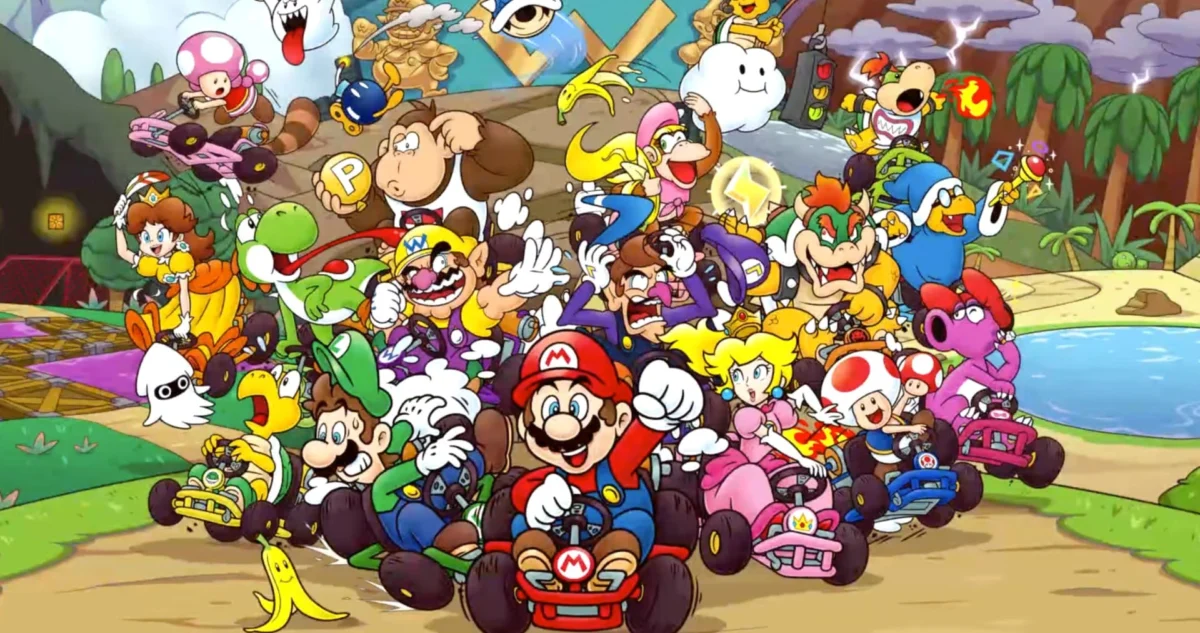
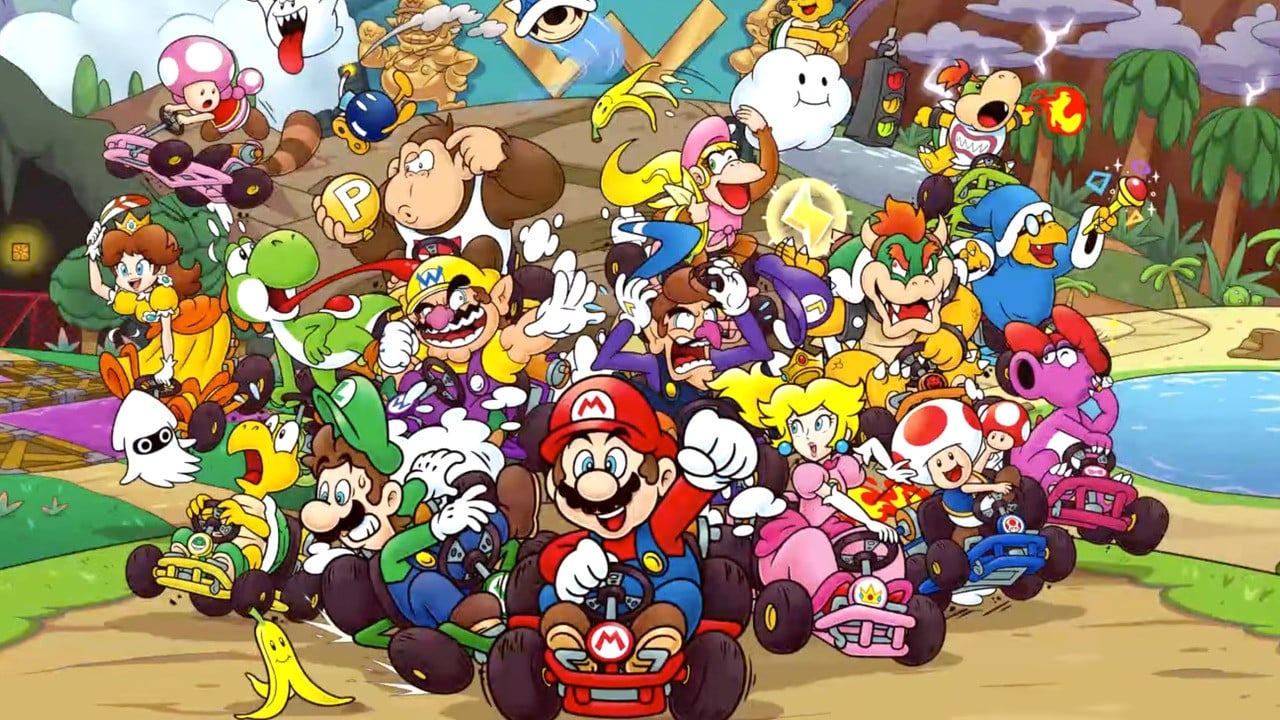
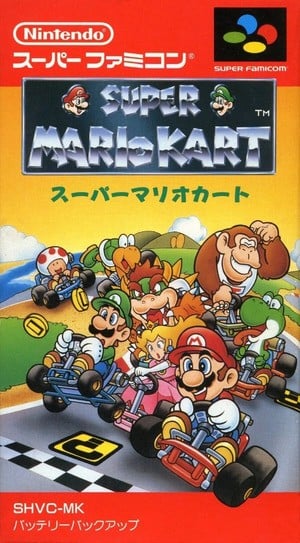
After years of exhaustive development, the retro gaming community has received confirmation that Super Mario Kart Deluxe, an expansive modification of the original 1992 Super Nintendo classic, is scheduled for public release on December 25, 2026. This project represents one of the most technically demanding ROM hacks in the history of the SNES console, aiming to modernize the iconic kart racer while strictly adhering to the limitations of original hardware. Led by developers MrL314 and ScouB, the project serves as a comprehensive expansion of the base game, integrating new character rosters, novel game modes, and intricate track designs without compromising the integrity of the original software.
The Genesis of a Monumental Project
The roots of Super Mario Kart Deluxe trace back to late 2021, when two separate fan-driven initiatives converged. MrL314, a developer focused on engine optimization and the restoration of cut content—such as the elusive "Gate Race" prototype mode—was already pushing the boundaries of what the SNES hardware could handle. Concurrently, ScouB was engaged in an effort to restore prototype tracks and modernize the visual aesthetic of the classic title.
The collaboration officially commenced in December 2021. The two developers recognized a synergy between their respective skill sets: ScouB provided the creative direction, graphic design, and artistic vision, while MrL314 supplied the deep-level programming required to implement complex systems like a 300cc speed mode and an expanded character roster. This partnership allowed the project to evolve from a simple track restoration mod into a "deluxe" reimagining of the foundational karting experience.
Technical Challenges and Hardware Constraints
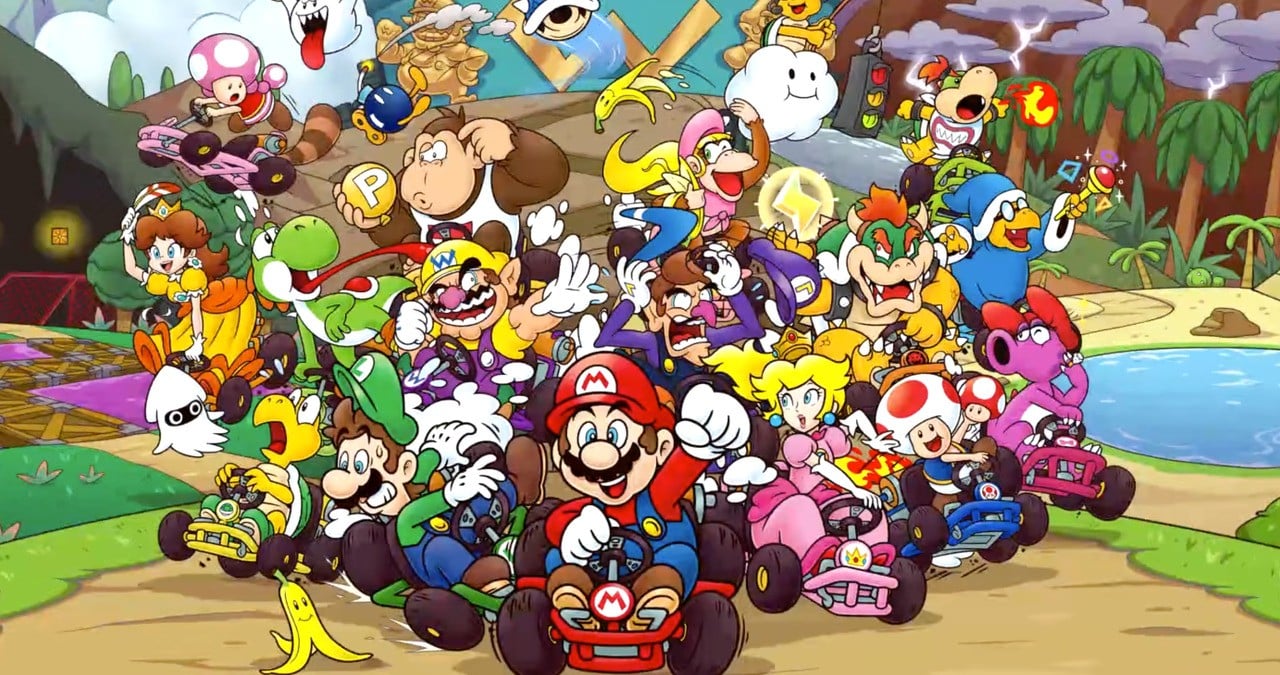
Modifying a 16-bit title like Super Mario Kart requires a profound understanding of the SNES’s internal architecture. The team faced significant hurdles, particularly regarding the game’s palette management system. In the original 1992 release, the game utilizes only four shared palettes for its eight characters, which efficiently manages memory usage. Introducing new characters—such as Waluigi, Daisy, and Bowser Jr.—required the team to engineer a dynamic selection system that ensures the hardware never exceeds its palette capacity during a race.
Further technical complexity arose from the way the original engine handles player rendering. The player’s character is not a true 3D object in the traditional sense; rather, it is a 2D sprite that is rendered statically to simulate presence within the game world. To implement new features or modify camera angles—a necessity for the project’s new campaign mode—MrL314 had to override these fundamental rendering protocols, a process that necessitated the creation of custom development tools to ensure the game remained compatible with both emulators and original SNES consoles.
Content Expansion and Gameplay Innovations
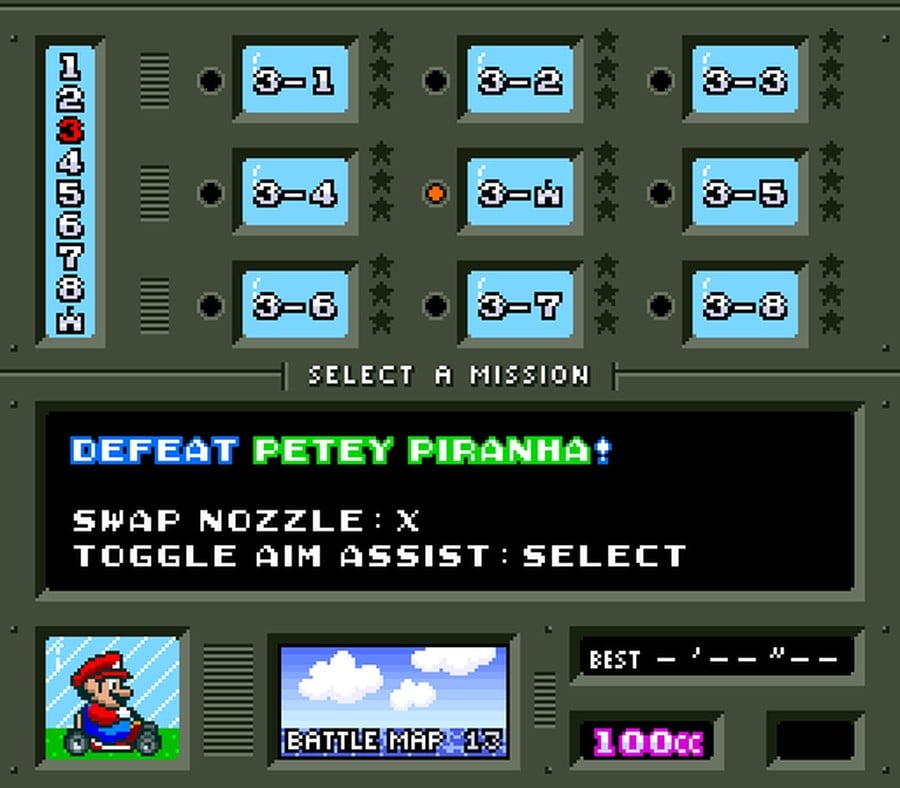
Super Mario Kart Deluxe is not merely a collection of cosmetic changes. The developers have implemented a robust campaign mode heavily inspired by the structure of later series entries like Mario Kart DS. This mode features a series of structured missions and boss encounters designed to refine player skill. These missions introduce players to advanced mechanics, such as navigating hidden track sections and optimizing item usage.
The item system has also been overhauled. The developers have successfully integrated previously unusable items from the original game’s code—such as the blue shell and the CPU-only egg—alongside iconic items from later series entries, including the Blooper, Bob-omb, and the Boomerang Flower. To ensure balance, the team utilized a "double item" system, bypassing the hardware limitation that prevents more than two field items from appearing on the track simultaneously.
The track selection in the hack pays homage to both the series’ history and the creative potential of the modding scene:
- Daisy Garden: A thematic successor to Mario Circuit, drawing inspiration from Peach Gardens and Daisy Circuit.
- Fiery Volcano: A complex course that incorporates dynamic elements where parts of the track collapse into lava as the race progresses.
- Stormy Jungle: An aesthetically driven track featuring weather-based gimmicks that shift from rain to sunshine, mirroring the environmental transitions seen in Donkey Kong Country.
A Collaborative Effort
The development of Super Mario Kart Deluxe has grown significantly beyond its two founders. The team now includes a diverse group of specialists, including programmers like Icesan, who focused on code optimization to reduce frame-rate drops, and Ramon, who built the conversion tools necessary to bridge external track editors with the game’s internal build system.
The project’s visual and auditory identity is bolstered by a team of artists and composers, including Cajarito, who designed the box art and character manuals, and musicians Pinci and Random, who have composed a bespoke soundtrack for the release. This professional approach to project management—including the use of trailer consultants and dedicated website developers—underscores the seriousness with which the community approaches these "passion projects."
Broader Implications for the Retro Gaming Scene
The release of Super Mario Kart Deluxe reflects a growing trend in the emulation and preservation community: the transition from simple texture or track hacks to full-scale game development within established engines. By maintaining compatibility with original hardware, the project serves as a functional demonstration of the SNES’s longevity.
For the developers, the project is reaching its conclusion. With the core functionality finalized, the team is currently engaged in "final polishing," addressing stubborn bugs and finalizing the documentation that will accompany the release. MrL314 has emphasized a desire to release the game as a complete package, echoing the 1990s philosophy of a finished product that does not require indefinite post-launch support.
As the December 25, 2026, release date approaches, the impact of Super Mario Kart Deluxe is already being felt in the speedrunning and modding communities. By proving that the original Super Mario Kart engine can support modern design philosophies, the developers have provided a blueprint for future creators. Once released, the project will be available for players who possess a legal copy of the original ROM, marking the end of a five-year development cycle and setting a new benchmark for what can be achieved through community-led software engineering. The project stands as a testament to the enduring appeal of the 16-bit era and the technical ingenuity of fans dedicated to expanding the horizons of classic gaming.