Johny Imanuel
Square Enix has officially announced the upcoming release of a new musical arrangement project titled FFX – House Grooves, marking the second installment in a series that reimagines classic video game scores through the lens of modern electronic dance music. Scheduled for a worldwide launch on July 22, 2026, the album follows the template established by its predecessor, which focused on the music of Final Fantasy IX. This new collection will be available in both a physical CD format and as a digital download across major global platforms, ensuring accessibility for the franchise’s expansive international fanbase.
The announcement signals a continued effort by Square Enix to revitalize its extensive back catalog of legendary soundtracks. By applying "House" and "Electronic" aesthetics to the works of iconic composers, the publisher aims to bridge the gap between nostalgic melodies and contemporary auditory trends. While the original score for Final Fantasy X is celebrated for its emotional depth and traditional orchestration, this arrangement promises a shift toward high-energy, danceable rhythms designed for a broader lifestyle application.
Reimagining a Classic: The House Grooves Aesthetic
The House Grooves series is characterized by its transformation of melodic JRPG themes into tracks suitable for club environments, lounges, or energetic listening sessions. Based on the precedent set by the Final Fantasy IX – House Grooves album, listeners can expect the Final Fantasy X iteration to feature prominent electronic synthesizers, steady four-on-the-floor beats, and potentially, the addition of contemporary vocal layers.
The previous album in the series utilized a blend of deep house, tech-house, and ambient electronic influences to reconstruct tracks like "Melodies of Life" and "Vamo’ Alla Flamenco." For FFX – House Grooves, the arrangement philosophy is expected to lean into the tropical and ethereal atmosphere inherent in the world of Spira. While Square Enix has not yet released specific audio samples for the FFX album, the stylistic direction of the FFIX project—which saw tracks gain significant traction on platforms like YouTube and Spotify—serves as a definitive blueprint.
The inclusion of vocals is a particularly notable trend for this series. In the previous installment, several instrumental tracks from the original 2000 release were updated with modern vocal performances, providing a fresh narrative layer to the music. Industry analysts suggest that this approach helps the music transcend its original context as background accompaniment for gameplay, positioning it instead as a standalone product within the global electronic music market.
Chronology of Final Fantasy X Musical Iterations
The journey of the Final Fantasy X soundtrack has been one of constant evolution since its debut on the PlayStation 2 in 2001. The original score was a collaborative effort between Nobuo Uematsu, Masashi Hamauzu, and Junya Nakano. It represented a significant departure from previous entries in the series, incorporating more varied instrumentation and experimental sounds that reflected the game’s unique Pan-Pacific aesthetic.
In 2013, with the release of Final Fantasy X | X-2 HD Remaster, the soundtrack underwent its first major overhaul. Approximately 60 tracks were rearranged and remastered to take advantage of superior audio hardware on the PlayStation 3 and PlayStation Vita. This 2013 version polarized some fans who preferred the original MIDI-based synthesis of the PS2 era, but it ultimately succeeded in bringing the game’s audio fidelity into the modern age.

The announcement of FFX – House Grooves in 2026 represents the next logical step in this timeline. By moving away from "remastering" and toward "reimagining," Square Enix is catering to a demographic that values the intellectual property (IP) but seeks new ways to consume it. This timeline reflects a broader industry trend where legacy game soundtracks are treated as living compositions rather than static artifacts.
Visual Identity and Marketing Strategy
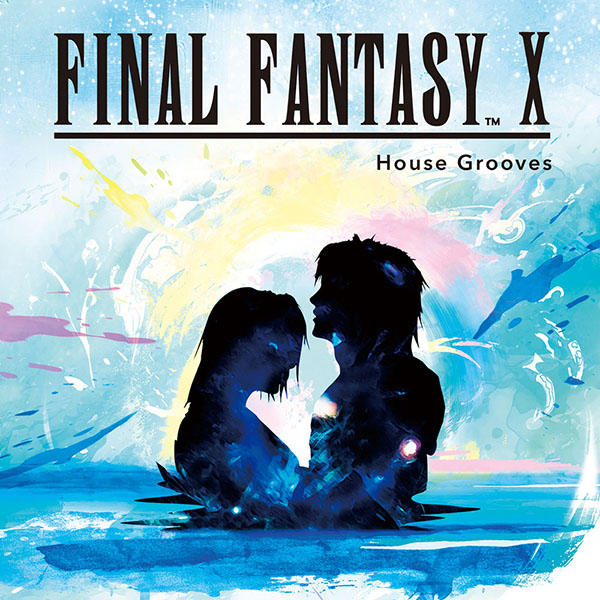
The album art for FFX – House Grooves features a striking illustration of the protagonists, Tidus and Yuna, during the iconic "Suteki Da Ne" sequence in the Macalania Spring. This visual choice is significant, as the scene is arguably the most recognizable moment in the game’s history. However, in a move that has sparked discussion among the community, Square Enix confirmed that the song "Suteki Da Ne" itself is not included in the tracklist for the House Grooves arrangement.
This marketing strategy—using iconic imagery to promote a collection of different tracks—is common in the Japanese music industry. It leverages the emotional weight of the game’s narrative to draw attention to the new arrangements. The focus of this specific album remains on the rhythmic and atmospheric tracks that lend themselves more naturally to the House genre, such as battle themes and environmental music from locations like Zanarkand or Besaid.
The Global Reach of Square Enix Music
Square Enix’s decision to launch the album worldwide on the same day reflects the changing landscape of game music distribution. Historically, arrangement albums were often exclusive to the Japanese market or saw delayed releases in North America and Europe. In the current digital-first era, Square Enix has transitioned to a "Global Simultaneous Release" model, acknowledging that a significant portion of their revenue for music and merchandise now comes from overseas markets.
The digital album drop will occur on platforms such as iTunes, Amazon Music, and likely streaming services like Spotify and YouTube Music. The physical CD release remains a staple for the Japanese market, where physical media retains a higher cultural and collector value, but it will also be made available through international storefronts for dedicated collectors.
Technical Analysis of the Arrangements
While the full technical credits for the arrangers have not been detailed in the initial announcement, the House Grooves series typically employs professional DJs and electronic music producers rather than traditional orchestral conductors. The goal is to maintain the "soul" of the original melody—the recognizable hooks and motifs—while stripping away the original orchestral or rock-inspired backing.
For Final Fantasy X, this presents unique opportunities. The game’s soundtrack already contains elements of techno and trance (most notably in the "Blitzball" themes and the "Seymour Battle" music). These tracks are expected to serve as the foundation for the House Grooves project, as their rhythmic structures are already compatible with electronic dance music. Conversely, the challenge for the producers will be adapting the more somber, piano-driven tracks, such as "To Zanarkand," into a format that fits a "Groove" album without losing the emotional resonance that fans expect.
Supporting Data: The Longevity of Final Fantasy X
The decision to focus the second House Grooves album on Final Fantasy X is supported by the game’s enduring commercial and critical success. Since its launch in 2001, Final Fantasy X has sold over 21 million units worldwide (when combined with its sequel, X-2). It consistently ranks in the top three of "Greatest Final Fantasy Games" polls conducted by media outlets and fan organizations globally.
Furthermore, the game’s presence on modern platforms—including the Nintendo Switch, PlayStation 4, Xbox One, and PC—ensures that the music remains relevant to younger generations of gamers. By releasing a House-style album in 2026, Square Enix is tapping into a market of players who may have first experienced the game via the HD Remaster and are now looking for contemporary ways to engage with the brand.
Official Responses and Market Implications
While official statements from the original composers have been limited, Square Enix Music’s social media channels have emphasized that these albums are intended to "provide a new perspective" on beloved classics. The company has seen a positive response to its recent "LOFI" and "Chill" arrangement series, which suggests a high demand for genre-specific reinterpretations of game music.
From a business perspective, the FFX – House Grooves album serves as a low-risk, high-reward venture. It allows the company to monetize existing IP with relatively low production costs compared to developing a new game. It also keeps the Final Fantasy X brand active in the public consciousness, fueling ongoing speculation regarding potential future projects, such as a rumored remake or further sequels.
Broader Impact on the Game Music Industry
The House Grooves series is part of a larger movement where game music is increasingly recognized as a legitimate genre of contemporary music. No longer confined to the consoles, these soundtracks are becoming fixtures in the broader music industry. The success of these albums encourages other developers to explore similar experimental arrangements of their own libraries.
As the release date of July 22, 2026, approaches, Square Enix is expected to release promotional snippets and "behind-the-scenes" looks at the production process. For fans of Final Fantasy X, the album represents a chance to revisit the world of Spira through a different auditory lens, celebrating the timeless nature of the game’s compositions while embracing the evolving sounds of the modern era.
The continued availability of Final Fantasy X on all major current-gen platforms ensures that the source material is never more than a click away, providing a solid foundation for this new musical exploration. Whether for long-time fans who played the original on the PlayStation 2 or newcomers who discovered the story on the Switch, FFX – House Grooves aims to provide a rhythmic tribute to one of the most influential titles in the history of the JRPG genre.