Farhan hamdan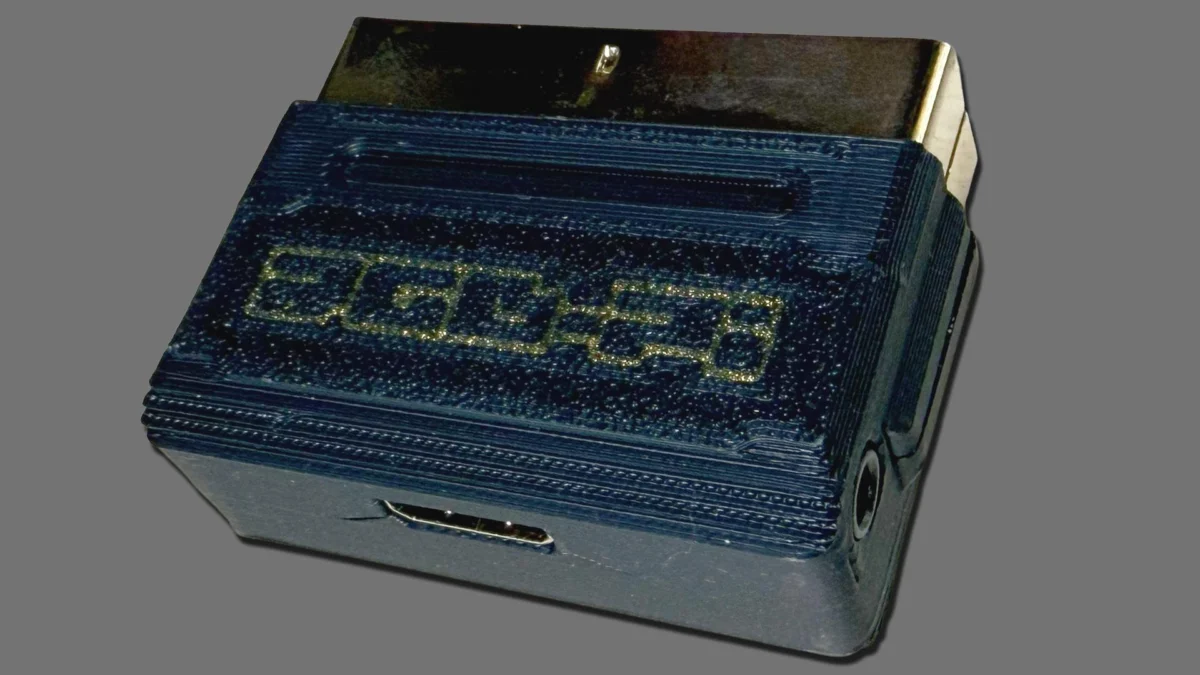
The highly anticipated RGB-Pi 2, a compact device designed to convert MiniHDMI signals to RGB SCART for retro gaming enthusiasts, has received a strongly negative review from prominent retro hardware analyst Bob from RetroRGB. The review, based on extensive testing documented in two public livestreams, revealed critical performance issues, including persistent signal dropouts and a significant imbalance in color output, leading to a current non-recommendation for the device. This assessment casts a shadow over what was hoped to be a convenient and space-saving solution for connecting modern retro computing platforms to classic CRT displays.
A Promising Concept Plagued by Fundamental Flaws
The RGB-Pi 2 arrived on the scene with considerable interest from the retro gaming community. Its primary function is to accept a MiniHDMI input, typically from single-board computers like the Raspberry Pi or FPGA-based systems such as the MiSTer, and output a high-quality analog RGB SCART signal. The integration of audio and its notably small form factor, even more compact than existing solutions like the HD15-2-SCART adapter, positioned it as an ideal candidate for streamlined retro setups. Furthermore, specific optimizations for RePlayOS, including alternative sync combining options for enhanced display compatibility and a dedicated port for light guns, suggested a well-thought-out design aimed squarely at the enthusiast market.
However, despite these promising features, the device’s actual performance during rigorous testing proved deeply problematic. The most glaring issue identified was its inability to maintain a stable signal across various tested displays. Reviewer Bob initially misattributed these dropouts to potential monitor compatibility issues with specific arcade ROMs during his first livestream, but subsequent, more focused testing unequivocally demonstrated that the fault lay with the RGB-Pi 2 itself. The device consistently failed to stay synchronized, rendering it unreliable for any practical use. This instability is a critical flaw, as consistent synchronization is fundamental for any video output device, particularly one intended for demanding retro gaming applications where timing and signal integrity are paramount.
Adding to the device’s woes, further technical analysis uncovered a significant color imbalance. Detailed voltage measurements revealed that the green channel’s output was over one hundred millivolts dimmer than both the red and blue channels. This discrepancy means that, regardless of calibration attempts, the colors output by the RGB-Pi 2 will inherently be inaccurate, resulting in a visibly skewed image. For a community that places a high premium on visual fidelity and accurate color reproduction – often striving for pixel-perfect representations of classic games – such a fundamental flaw in color output is a major detriment. Bob verified this issue with multiple sources and cross-referenced the results with two other digital-to-analog converters (DACs), confirming the RGB-Pi 2’s unique and problematic color profile. The combination of chronic signal instability and inaccurate color rendition led to the firm conclusion that the device, in its current iteration, is functionally broken.
Chronology of Discovery and Community Validation
The issues with the RGB-Pi 2 were uncovered through a methodical testing process, publicly documented, which is a hallmark of transparent hardware reviews within the retro gaming niche.

Initial Assessment (First Livestream): Bob’s initial livestream session, intended as a preliminary look at the RGB-Pi 2 alongside other devices, brought the first hints of trouble. While testing various arcade ROMs, intermittent signal dropouts were observed. At this stage, the reviewer’s working hypothesis leaned towards potential compatibility quirks between the specific ROMs and the test monitors, rather than an inherent flaw in the RGB-Pi 2 hardware. This initial misdiagnosis highlights the complexity of troubleshooting in a multi-component retro setup, where numerous variables can influence performance.
Focused Investigation (Second Livestream): Recognizing the persistent nature of the issues, a dedicated follow-up livestream was conducted. This session specifically zeroed in on the RGB-Pi 2, allowing for more controlled and detailed examination. It was during this second, more focused stream that the pervasive signal instability was definitively attributed to the device itself. The constant loss of synchronization, irrespective of the source or display, became undeniably evident. Crucially, it was also during this period that the omission of output voltage testing in the first stream was rectified. This critical step revealed the severe imbalance in the RGB color channels, solidifying the understanding of the device’s fundamental hardware shortcomings.
Community Confirmation: A vital aspect of the review process, particularly in niche communities, is external validation. During the second livestream, a viewer confirmed experiencing similar issues with their own RGB-Pi 2 unit. This immediate corroboration was significant, moving the assessment beyond the possibility of a single defective unit and suggesting a widespread manufacturing or design flaw affecting the product line. This collective experience underscores the importance of community feedback in identifying systemic hardware problems.
The progression from initial observation to conclusive diagnosis, publicly documented through detailed testing, provided a robust foundation for the negative recommendation. The transparency of this process allows other enthusiasts to follow the methodology and understand the basis of the conclusions drawn.
Background: The Enduring Appeal of Analog Video in Retro Gaming
To fully appreciate the significance of the RGB-Pi 2’s failure, it’s essential to understand the context of analog video in the retro gaming landscape. Modern displays primarily operate using digital signals like HDMI, while classic gaming consoles and arcade machines were designed for analog outputs, predominantly composite, S-Video, or the superior RGB. For European retro enthusiasts, SCART (Syndicate of Constructors of Apparatus for Television and Related equipment) became the de facto standard for high-quality RGB connections to CRT televisions.
The resurgence of interest in retro gaming has led to a dilemma: how to best connect these classic systems, or modern emulators/FPGA implementations of them, to both original CRT displays and contemporary flat-panel TVs. While digital upscalers exist for modern displays, many purists argue that CRTs offer the most authentic visual experience, free from input lag and scaling artifacts inherent in digital conversion. This is where devices like the RGB-Pi 2 come into play.

The Role of HDMI to SCART Converters:
Platforms like the Raspberry Pi, popular for emulation, and the MiSTer FPGA, lauded for its hardware accuracy, typically output via HDMI. To connect these digital sources to an analog RGB SCART input on a CRT, a reliable digital-to-analog converter (DAC) is indispensable. These converters must accurately translate the digital video signal into its analog components (Red, Green, Blue, and Sync), maintaining precise timing and voltage levels. Any deviation in these parameters can lead to image degradation, synchronization problems, or incorrect colors, precisely the issues identified with the RGB-Pi 2.
The Quest for "Direct Video" Solutions:
Within the MiSTer community, there’s a strong preference for "direct video" solutions. This refers to adapters that connect directly to the MiSTer’s I/O board, bypassing standard HDMI video processing in favor of a raw, low-latency analog output. While the RGB-Pi 2 isn’t a direct MiSTer I/O board adapter in the strictest sense, its MiniHDMI input and direct SCART output aimed to offer a similar streamlined, high-quality experience for both MiSTer and Raspberry Pi users. The compact nature of the RGB-Pi 2 further appealed to this desire for minimalist, efficient setups.
RePlayOS and Light Gun Support:
The mention of RePlayOS integration highlights another specific niche the RGB-Pi 2 aimed to serve. RePlayOS is a custom operating system designed for the Raspberry Pi, focusing on optimized retro gaming and arcade experiences. The promise of different sync combining options within RePlayOS could have addressed compatibility challenges with certain "picky" CRT displays, a common headache for retro enthusiasts. Furthermore, dedicated light gun support is a significant feature, as accurately emulating classic light gun games on modern displays is complex, often requiring specialized hardware. A direct-to-CRT solution with light gun compatibility would have been a substantial draw.
The RGB-Pi 2 was positioned to fill a crucial gap, offering a compact, integrated solution that married modern retro computing platforms with the authentic analog experience of CRTs. Its failure to deliver on fundamental performance metrics is therefore a significant disappointment for a community always on the lookout for reliable and high-quality hardware.
Implications and the Demand for Quality Hardware
The findings regarding the RGB-Pi 2 carry several implications for both consumers and manufacturers within the niche retro gaming hardware market.
Impact on Consumers: For individuals who have already purchased the RGB-Pi 2, the review serves as a stark warning. The identified issues — constant signal drops and inaccurate colors — severely compromise the device’s utility, potentially rendering it unusable for its intended purpose. This represents a financial loss and a source of frustration for users seeking a reliable solution. The corroboration from another user suggests that this isn’t an isolated incident, increasing the likelihood that many units in circulation may suffer from the same defects.

The Importance of Quality Control: The RGB-Pi 2’s performance issues underscore the critical importance of rigorous design, testing, and quality control in hardware development, especially for specialized devices catering to discerning enthusiasts. In a market where users are often technically savvy and highly sensitive to performance nuances, a product with such fundamental flaws can quickly erode trust and damage a brand’s reputation. The technical details of the flaws – specifically the voltage imbalance in color channels – point towards potential oversights in component selection, circuit design, or manufacturing calibration.
Market Demand for Reliable Solutions: Despite this setback, the demand for high-quality HDMI to RGB SCART converters remains robust. The retro gaming community continues to grow, and with it, the need for reliable bridges between modern digital sources and classic analog displays. Devices that can achieve this conversion accurately, stably, and with minimal latency are highly sought after. The RGB-Pi 2’s compact size and integrated features (like light gun support) were strong selling points, illustrating the market’s appetite for innovative, well-engineered solutions. Its failure leaves a void that other manufacturers may seek to fill, or it may prompt the original creator to address the issues comprehensively.
The Role of Independent Reviewers: Reviews like Bob from RetroRGB’s are invaluable in this niche. Independent testing provides unbiased assessments, protecting consumers from purchasing flawed products and holding manufacturers accountable. The detailed technical analysis, including voltage measurements and public livestreaming of the testing process, lends significant credibility to the findings. This transparency is crucial for a community that often relies on word-of-mouth and detailed technical discussions to make informed purchasing decisions.
Manufacturer Response and Future Outlook
As of the review’s publication, there has been no official statement from RGB-Pi or Mortaca (the distributor) regarding the identified issues. However, the review concludes with a clear expression of hope for a future revision. Bob explicitly states, "I WANT it to be awesome! If the creator comes back with an ‘RGB-Pi 3’ (or something) with these issues fixed, it will absolutely be my go-to for anyone looking for a basic HDMI to RGB SCART solution." This sentiment reflects a broader desire within the community for the concept to succeed, given its potential.
Should the developers choose to address these fundamental flaws, a revised version, perhaps dubbed "RGB-Pi 3" or similar, would need to demonstrate significant improvements in several key areas:
- Signal Stability: The primary concern of constant dropouts must be entirely eliminated, ensuring rock-solid synchronization across a range of displays and input sources.
- Color Accuracy: The voltage imbalance in the RGB channels needs to be precisely corrected, ensuring that all colors are output at their correct levels, leading to accurate and vibrant image reproduction.
- Thorough Testing: Any future iteration would benefit from more extensive internal testing before release, potentially involving a wider array of displays and source devices to catch such critical flaws pre-production.
The fact that the device is even smaller than the HD15-2-SCART, a well-regarded adapter, highlights its potential for integration into diverse setups, from portable MiSTer builds to dedicated retro gaming cabinets. The current iteration’s shortcomings are therefore particularly disappointing, as the underlying concept and form factor hold significant promise. The retro gaming community, while currently advised against purchasing the RGB-Pi 2, will likely remain hopeful that the creators will take the feedback onboard and deliver a fully functional and reliable product in the future. The market is ready for a compact, high-quality HDMI to RGB SCART solution, and the RGB-Pi 2 had the blueprint, but not the execution.