Cecilia Chamidah Nur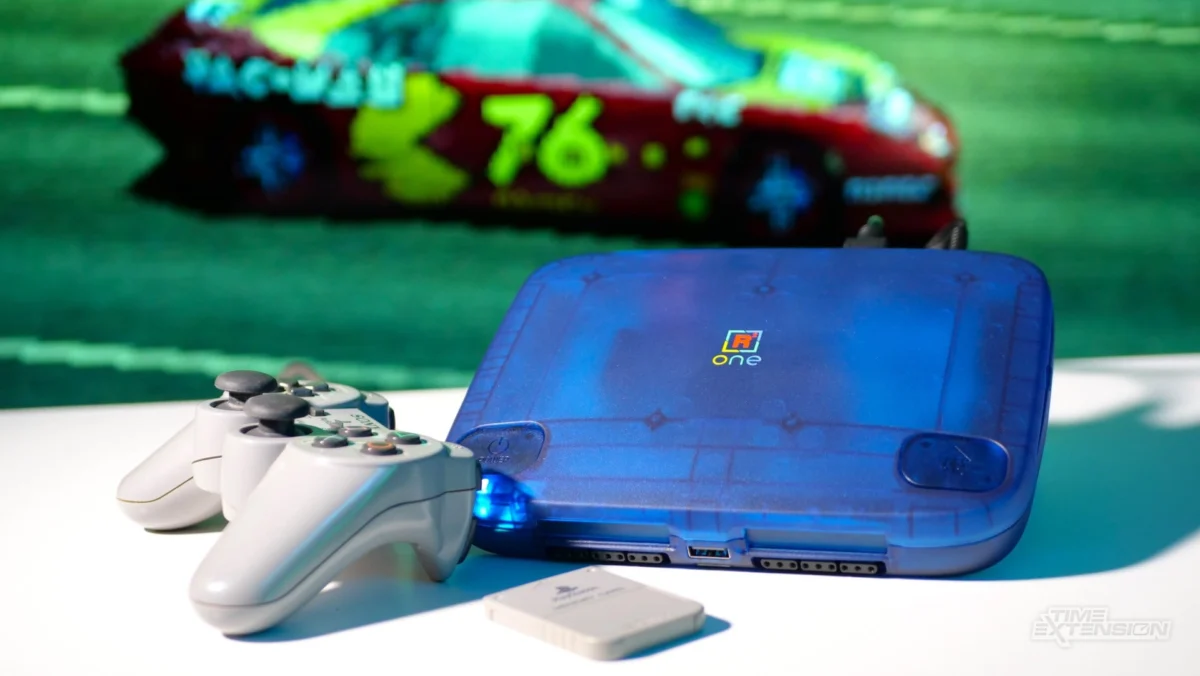
The landscape of retro gaming hardware has undergone a significant transformation in recent years, presenting enthusiasts with a diverse array of options for revisiting classic titles. From officially sanctioned micro-consoles to sophisticated Field-Programmable Gate Array (FPGA) based systems, the market caters to varying degrees of authenticity, convenience, and technical prowess. Amidst this evolving ecosystem, the SuperStation One emerges as a compelling new entrant, aiming to bridge the gap between user-friendly design and uncompromising hardware-level accuracy. Developed by Taki Udon, known for the cost-effective MiSTer Pi, the SuperStation One integrates advanced FPGA technology within a nostalgic form factor, offering a unique blend of modern convenience and vintage fidelity.
The Evolving Landscape of Retro Console Recreations
For years, the desire to experience classic video games on modern displays has driven innovation in hardware development. Initially, major console manufacturers like Nintendo, Sony, and Sega responded to this demand with their own takes on miniature retro consoles. Devices such as the Nintendo SNES Classic Mini, the PlayStation Classic, and the Sega Mega Drive Mini 2 utilized software emulation to run pre-loaded games. While these offerings provided accessible nostalgia, they often faced criticism for varying levels of emulation accuracy, input lag, and a lack of support for original game cartridges or accessories. These systems, while popular, largely served as curated, self-contained experiences rather than comprehensive retro gaming platforms.
Parallel to these official releases, the open-source community began to champion more technically advanced solutions. The MiSTer FPGA project, in particular, gained significant traction among hardcore retro gamers. FPGA technology differs fundamentally from software emulation. Instead of emulating a console’s behavior through software running on a general-purpose processor, an FPGA chip is reconfigured at a hardware level to mimic the original console’s circuitry. This allows for cycle-accurate reproductions of vintage systems, significantly reducing input latency and virtually eliminating graphical glitches often associated with software emulation. The MiSTer FPGA ecosystem, supported by a vibrant community of developers, has expanded to support a vast library of systems, including arcade machines, home computers, and various consoles up to and including the PlayStation 1, Sega Saturn, and Nintendo 64.
Further elevating the FPGA experience, companies like Analogue have carved a niche by producing premium, dedicated FPGA consoles such as the Analogue Pocket (for handhelds), Analogue 3D (for Nintendo 64), and Analogue Duo (for PC Engine/TurboGrafx-16). These systems typically focus on a specific console family, offering pristine output, support for original cartridges and accessories, and a high-end build quality. They represent the pinnacle of consumer-grade FPGA hardware, often commanding premium prices.
The SuperStation One, priced at $210, enters this competitive market by drawing inspiration from both the open-source MiSTer philosophy and the user-centric design of dedicated FPGA devices. It leverages the robust and continuously updated MiSTer FPGA cores, ensuring a high degree of performance faithfulness, while incorporating a range of features designed to enhance accessibility and provide a truly authentic retro experience without requiring extensive technical expertise from the user.
SuperStation One: A Hybrid Approach to Authenticity
At its core, the SuperStation One can be understood as a highly refined and purpose-built MiSTer FPGA system. Developed by Taki Udon, the visionary behind the MiSTer Pi, a more affordable gateway to FPGA retro gaming, the SuperStation One aims to package the complex MiSTer ecosystem into a streamlined, console-like experience. This integration is particularly noteworthy for its blend of hardware accuracy with user-friendly features, addressing some of the common hurdles faced by newcomers to the MiSTer platform.
One of the SuperStation One’s most significant differentiators is its comprehensive support for legacy Audio/Video (AV) connections. Beyond standard HDMI output, the system boasts a 24-bit digital-to-analog converter (DAC) that enables connectivity via VGA, RGB, S-Video, Component, and Composite outputs. This extensive array of options is a boon for retro enthusiasts who prefer to play on period-accurate Cathode Ray Tube (CRT) televisions, which can display classic games with an authenticity unmatched by modern flat-panel displays. The ability to connect to virtually any old-school television ensures that the visual fidelity, often a critical component of the retro experience, is preserved.
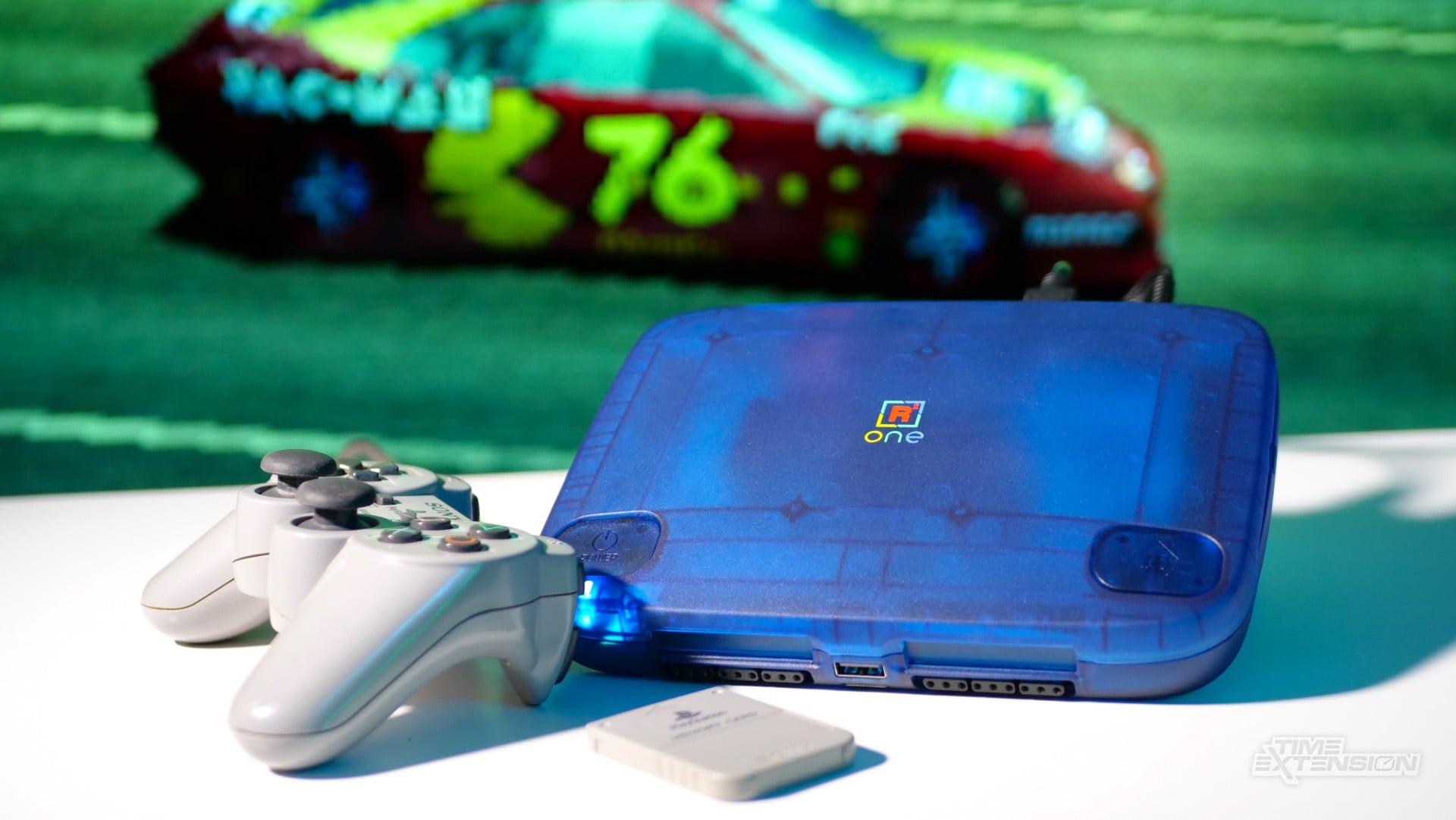
Moreover, the SuperStation One prioritizes the use of original peripherals. Through its Serial Native Accessory Convertor (SNAC) module, the system supports original PlayStation accessories, including controllers, memory cards, and even light guns. This feature is particularly appealing for players who cherish the tactile feedback of a genuine DualShock controller or wish to continue save games from decades past using their original memory cards. The inclusion of SNAC, which typically requires separate add-ons for standard MiSTer setups, simplifies the process of achieving a truly authentic gameplay experience, allowing users to interact with games exactly as they did upon their initial release.
Looking ahead, the SuperStation One is poised to further enhance its authenticity with the optional SuperDock. This add-on, teased by Taki Udon, is designed to support original PlayStation 1 media. This capability would allow users to insert and play their physical PS1 game discs, offering what could arguably be the most authentic reproduction of the 32-bit PlayStation experience available outside of an original console, even without official sanction from Sony. Furthermore, future updates anticipate support for optical media from other CD-based systems like the Sega CD and Sega Saturn, a truly exciting prospect for collectors of physical media.
Design and User Experience: A Nod to Nostalgia
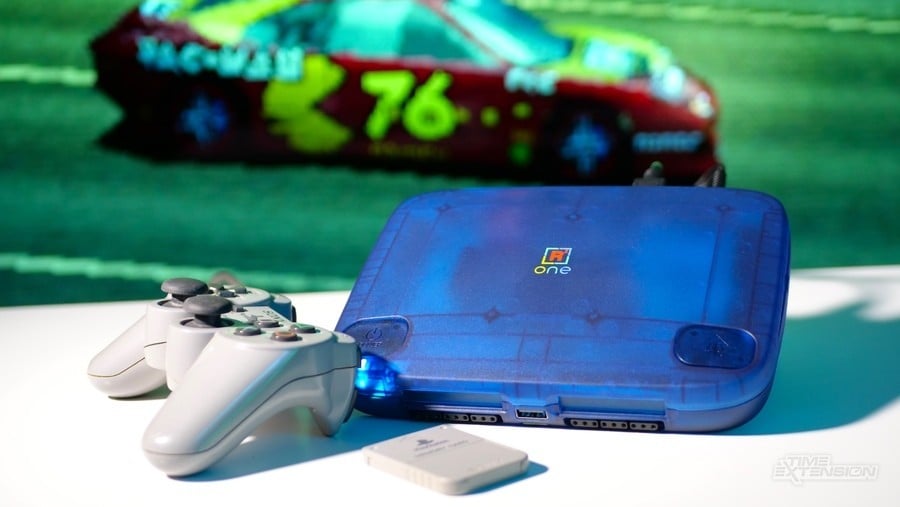
The physical design of the SuperStation One is a clear homage to Sony’s iconic PSOne, the compact redesigned version of the original PlayStation. This choice of form factor immediately resonates with fans of the console, offering a familiar aesthetic that blends seamlessly into existing gaming setups. The unit reviewed featured a transparent blue casing, a popular choice among retro modders, though a more authentic grey plastic version is also available, catering to purists. The compact nature of the SuperStation One contrasts sharply with the often modular and sometimes visually utilitarian appearance of typical MiSTer FPGA setups, which can deter users seeking a more polished, console-like presentation.
Upon unboxing, the SuperStation One presents itself in packaging reminiscent of 1990s Sony products, further tapping into nostalgic sentiments. The package includes the SuperStation One unit, a USB-C-to-USB-C cable, and a generic HDMI lead. Notably, a power brick is not included, though the system is compatible with any standard USB-C Power Delivery (PD) power supply. While a controller is also absent, the inclusion of a pre-configured 64GB MicroSD card loaded with a selection of homebrew games is a thoughtful touch, enabling users to dive into gaming immediately without the typical MiSTer setup complexities.
A significant design philosophy behind the SuperStation One is its user-serviceability. Taki Udon has confirmed that the unit is designed to be easily repaired by the end-user, a welcome feature in an era of increasingly sealed and proprietary electronics. This commitment to repairability not only extends the potential lifespan of the device but also aligns with the DIY spirit often found within the retro gaming community. Furthermore, the system incorporates dedicated power and MiSTer menu buttons, a convenience often lacking in custom MiSTer builds, enhancing the overall user experience.
Technical Deep Dive: Connectivity and Integrated Features
While the aesthetic and accessory support are compelling, the SuperStation One also excels in its integrated technical features. Beyond the aforementioned legacy AV outputs, the system incorporates wireless connectivity as standard. Both Bluetooth and Wi-Fi are built directly into the unit, eliminating the need for external USB dongles that are often required for standard MiSTer FPGA setups. This streamlines the user experience, reduces cable clutter, and ensures seamless integration with modern wireless peripherals and network services for updates or file transfers.
Another innovative feature is the integrated Near Field Communication (NFC) reader. This allows the SuperStation One to interface with the Zaparoo system, a novel method for loading games. Users can tap rewritable NFC cards, which, rather than storing the game data itself, trigger the loading process from the MicroSD card. This clever implementation provides a tangible, physical interaction for selecting games, mimicking the experience of inserting a cartridge or disc and further enhancing the sense of nostalgic play.
The system also includes support for real-time clocks (RTC), a crucial feature for games like Pokémon that incorporate time-based events. While the necessary CR1220 cell battery for the RTC is not included in the box, its installation is designed to be straightforward. Users need only remove the rubber pads and four screws to access the internal compartment, where the battery easily pops into place. This optional step ensures that those who value full game functionality have the means to achieve it, while those less concerned can bypass it without impacting core performance.
A minor, yet important, detail regarding connectivity concerns the 10-pin mini DIN socket. While visually similar to the Sega Saturn’s AV port, Retro Gaming Cables, a reputable manufacturer of aftermarket retro gaming cables, has confirmed it is subtly different. The company is actively developing a SuperStation One-compatible cable, highlighting the demand for bespoke connectivity solutions that cater to specific hardware requirements and the system’s focus on authentic video output.
Performance and Software Ecosystem: Leveraging MiSTer’s Strengths
In terms of raw performance, the SuperStation One is functionally identical to a standard MiSTer FPGA. This means users are afforded the same exceptional level of accuracy and low latency that the MiSTer platform is celebrated for. The system supports a wide array of classic consoles, including those as demanding as the Sega Saturn and Nintendo 64, offering an experience that is difficult to rival with software emulation due to its cycle-accurate hardware reproduction.
The SuperStation One directly benefits from the vibrant and dedicated FPGA community that has grown around the MiSTer project. This community continually develops and refines FPGA cores, expanding the library of supported systems and improving the fidelity of existing ones. However, the cores pre-loaded on the SuperStation One have been specifically tweaked to fully leverage its unique legacy AV support. While Retro RGB, a prominent technical resource in the retro gaming community, has indicated that these enhancements may eventually be integrated into the main MiSTer distribution, for the time being, the SuperStation One should be considered a distinct, standalone platform rather than a plug-and-play extension of a pre-existing MiSTer ecosystem.
Acknowledging that the MiSTer FPGA’s user interface can be daunting for newcomers, Taki Udon and his team at Retro Remake are developing "Console Mode." This forthcoming feature, also planned for MiSTer and MiSTer Pi units, promises a simplified, more intuitive interface. Console Mode aims to streamline navigation, facilitate the loading of cover artwork, and simplify the system update process, effectively transforming the MiSTer experience into something akin to a modern console’s user interface. This development is crucial for making the advanced capabilities of FPGA accessible to a broader audience beyond seasoned enthusiasts.
To further ease the transition for new owners, the SuperStation One includes a quick setup guide, accessible via a QR code in the box, providing step-by-step instructions for initial configuration. A particularly valuable inclusion is the BIOS checker. The SuperStation One ships with open-source BIOS files for all supported systems. The checker allows users to identify any missing official BIOS files and provides a straightforward mechanism to replace them, ensuring the most authentic experience possible while navigating the often complex and legally ambiguous world of proprietary BIOS files.
Addressing Concerns and Future Outlook
During extensive testing, one minor observation was that the SuperStation One can generate a moderate amount of heat, primarily due to the absence of an internal fan, which is common in many MiSTer FPGA setups. Taki Udon has already confirmed that the SuperStation One supports both "active and passive" cooling solutions, with an active cooling add-on available. While the heat generated did not appear to cause immediate performance issues, it is a factor that users, particularly those in warmer climates or planning extended gaming sessions, might wish to monitor or address with an optional cooling solution.
Despite this minor point, the SuperStation One’s value proposition is exceptionally strong. It delivers the full, uncompromising MiSTer FPGA experience, renowned for its accuracy and low latency, while integrating a suite of highly desirable features. These include comprehensive legacy AV output, native support for original PlayStation accessories, and built-in Bluetooth, Wi-Fi, and NFC. For many, this combination makes the SuperStation One arguably the most attractive and user-friendly entry point into the world of MiSTer FPGA on the market today.
The future of the SuperStation One appears even brighter with the impending arrival of the $50 SuperDock and the "Console Mode" UI. When these enhancements become available, the platform’s capabilities will expand dramatically. The SuperDock’s ability to load optical media for systems like the Sega CD and Saturn is a game-changer for physical media collectors, potentially cementing the SuperStation One as the definitive FPGA platform for a wide range of retro consoles. This evolution represents a significant step towards consolidating diverse retro gaming needs into a single, powerful, and convenient device.
For enthusiasts who have long dreamed of a perfectly preserved PlayStation experience without the need for intricate console modifications, the SuperStation One offers a compelling solution. The system effectively eliminates the need for retro-fitting 30-year-old hardware with modern HDMI outputs or power supply solutions. Instead, it provides a contemporary, reliable, and highly accurate platform that seamlessly blends the best of FPGA technology with user-centric design, fulfilling the long-standing desire for an authentic, yet accessible, journey back to the golden age of gaming.
The SuperStation One thus represents a significant milestone in the retro gaming hardware market. By combining the unparalleled accuracy of FPGA with thoughtful design, extensive connectivity, and a commitment to user experience, it carves out a unique and highly appealing niche. It stands as a testament to the ongoing innovation within the retro gaming community, offering a sophisticated yet approachable path for both seasoned veterans and new converts to experience the magic of classic video games with unprecedented fidelity.