Johny Imanuel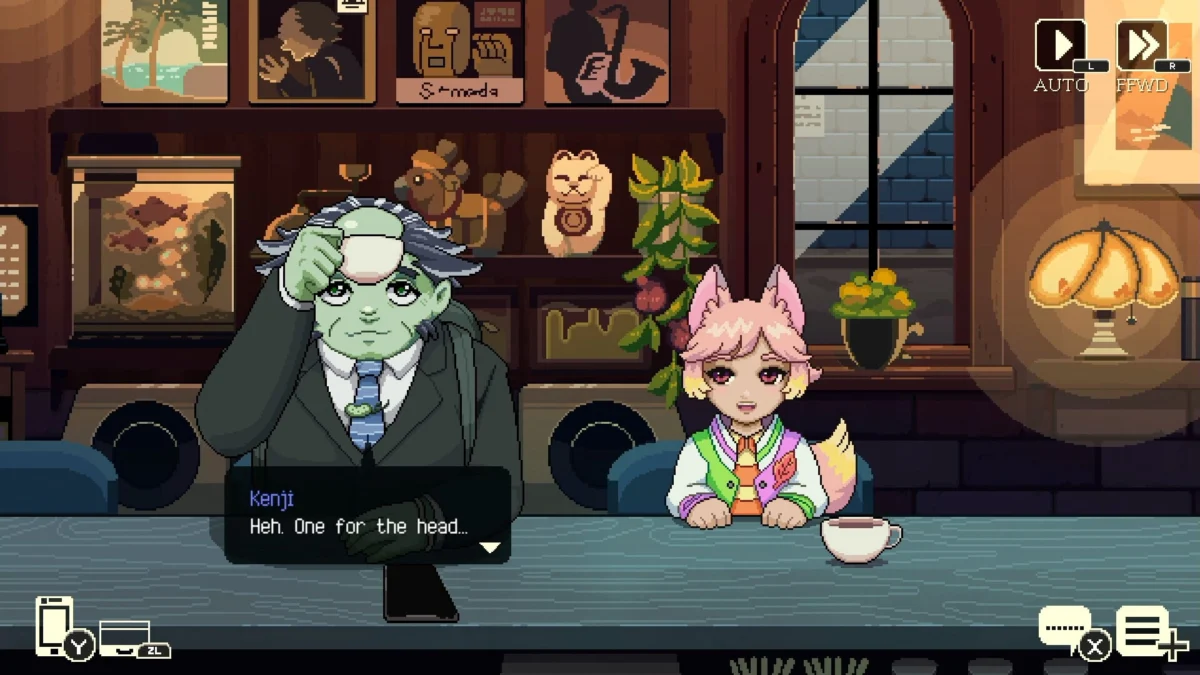
The Evolution of the Coffee Talk Franchise
The original Coffee Talk, released in January 2020, arrived at a pivotal moment for the indie gaming industry. It popularized a specific blend of urban fantasy, pixel art aesthetics, and low-stress gameplay that prioritized atmosphere over traditional conflict. Its success—evidenced by "Overwhelmingly Positive" reviews on platforms like Steam and its widespread adoption by the "cozy gaming" community—paved the way for a wave of similar titles. Games such as Tavern Talk and Disney Villains Cursed Cafe owe a significant debt to the groundwork laid by Toge Productions.
Following the 2023 release of Coffee Talk Episode 2: Hibiscus & Butterfly, which expanded on the original’s mechanics with new ingredients and item-giving systems, Coffee Talk Tokyo shifts the geographic and cultural focus. This move to Japan allows the developers to explore different societal pressures, such as the rigid work culture of Tokyo, generational shifts in Japanese families, and the integration of traditional folklore into a modern, high-tech society.
Narrative Framework and Setting: Tokyo 2026
The narrative of Coffee Talk Tokyo is anchored by a new protagonist—a barista operating a late-night cafe in the heart of Tokyo. In this alternate version of 2026, the world is inhabited not only by humans but by a diverse array of fantasy races including elves, orcs, and banshees, all coexisting within a modern urban environment.
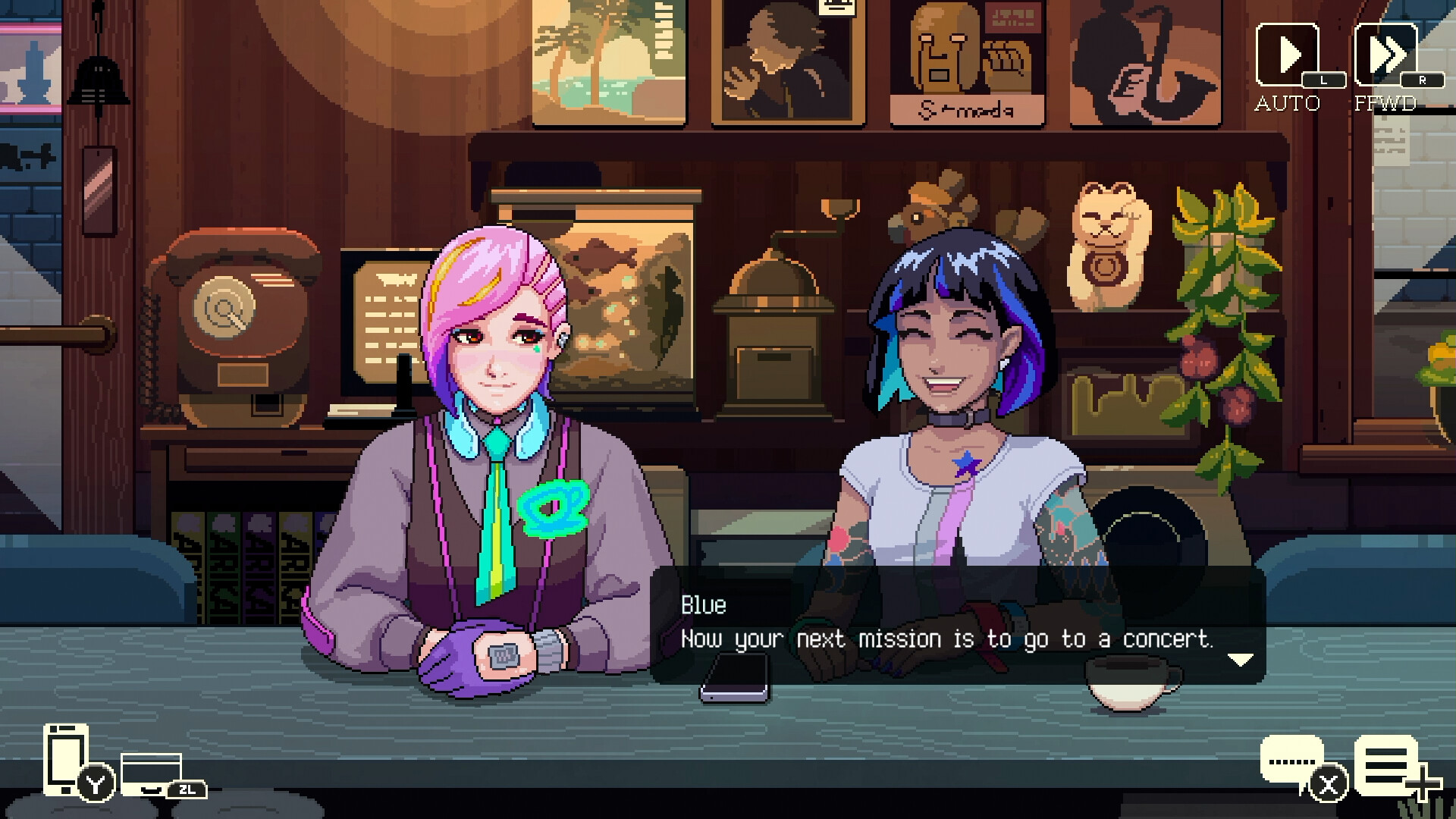
A central figure in this installment is Vin, the barista’s assistant and a key narrative foil. Vin is a character defined by resilience, currently recovering from a major accident. His storyline introduces themes of transhumanism and the socio-economic realities of medical technology; he navigates life with prosthetic limbs that are becoming outdated and prone to failure. Through Vin, the game addresses the "right to repair" and the emotional toll of physical disability in a fast-paced metropolis.
The game unfolds over a period of approximately two weeks. During this time, players encounter nine "regulars," each representing a different facet of life in Tokyo. The script delves into complex human (and non-human) experiences, including:
- The psychological impact of professional burnout and the "salaryman" culture.
- The navigation of chronic pain and the limitations of modern medicine.
- The processing of grief and the search for closure in a digital age.
- Generational conflicts regarding tradition versus modernization.
Technical Mechanics and Mixology Systems
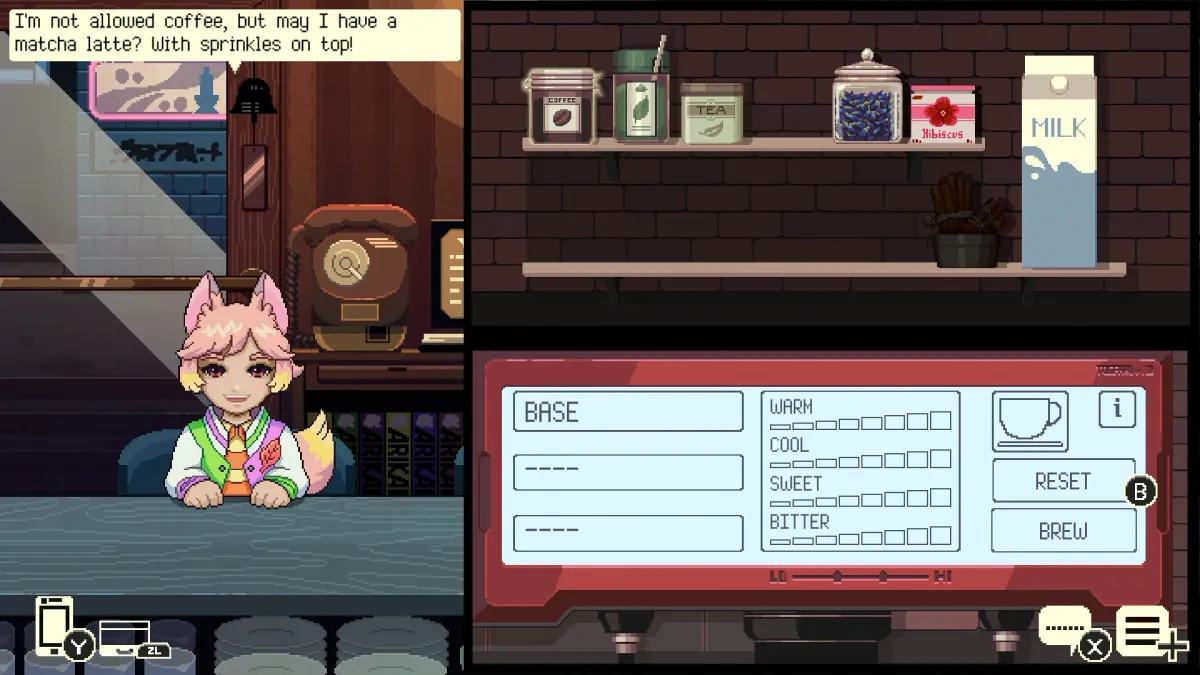
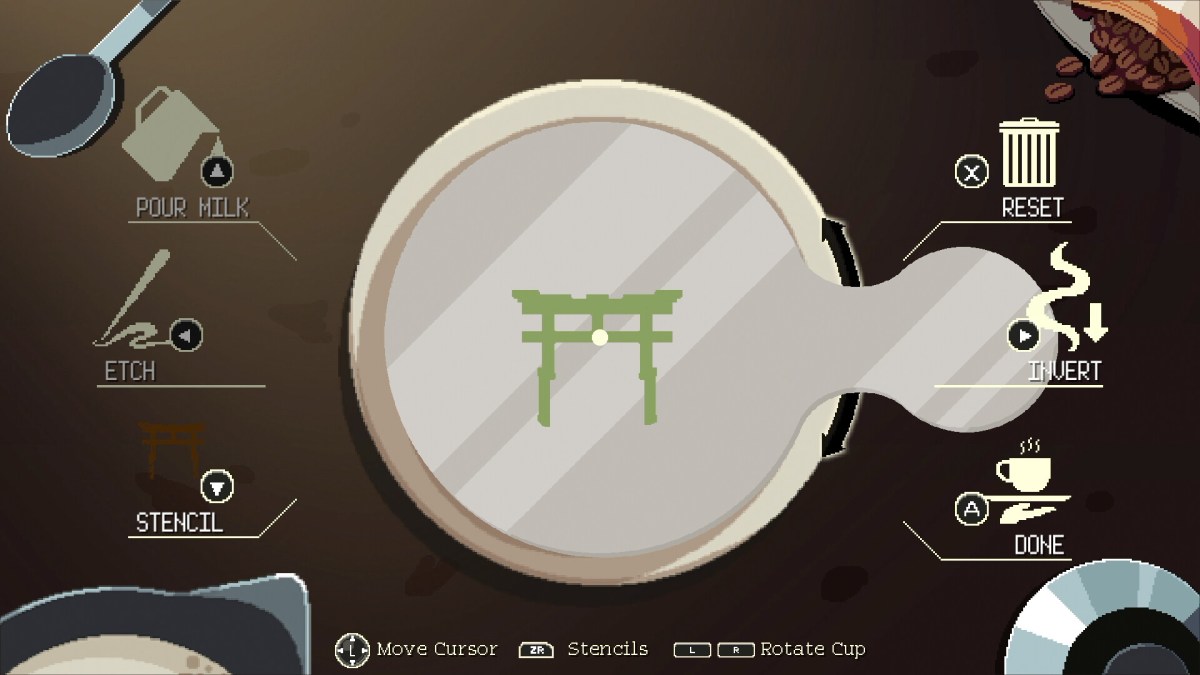
The gameplay in Coffee Talk Tokyo remains focused on the "brewpad," where players craft beverages to satisfy the specific requests or unspoken needs of their customers. The system utilizes a tripartite recipe structure consisting of a base ingredient and two additional flavors.
Brewing Innovations
While the fundamental mechanics remain consistent with previous entries, Coffee Talk Tokyo introduces regional variations in ingredients. The game features a rotating "Daily Specials" board, where certain ingredients like mango may be replaced by lychee on subsequent days, forcing the player to adapt their recipes. The brewing interface provides real-time indicators for four flavor profiles:
- Sweet
- Sour
- Spice
- Bitter
The order in which ingredients are added is critical; a change in the sequence can result in a completely different beverage, such as a Viennese coffee or an Indonesian tubruk. Players are granted a limited number of "toss out" opportunities per night to discard failed experiments, though the game encourages experimentation to unlock the full "brewpad" recipe book.
The Tomodachill Social Network
A significant portion of the player’s interaction with the world occurs through "Tomodachill," an in-game social media platform. By serving the correct drinks, players unlock deeper levels of a customer’s profile. Tomodachill serves several functions:
- Contextual Storytelling: Players can read character feeds to understand the events occurring outside the cafe.
- Recipe Hints: Certain hashtags or posts provide clues for hidden recipes.
- Outcome Tracking: The social network reflects the player’s influence on the characters’ lives, showing how the barista’s intervention (or lack thereof) changes their narrative trajectories.
Chronology of the Series and Development
The development of the Coffee Talk series has been marked by both critical success and internal tragedy. The passing of the original creator, Mohammad Fahmi, in 2022, left a profound impact on the studio. Toge Productions has since dedicated itself to preserving the "Fahmian" spirit of the series—empathy, quiet reflection, and diverse representation—while expanding the scope of the world.
- January 2020: Release of the original Coffee Talk (Seattle setting).
- April 2023: Release of Coffee Talk Episode 2: Hibiscus & Butterfly.
- 2024-2025: Development and announcement of Coffee Talk Tokyo.
- 2026 (In-Game): The chronological setting for the latest installment.
The move to Tokyo represents a strategic expansion of the IP, allowing the studio to tap into a global aesthetic that resonates deeply with the lo-fi hip-hop and "chillhop" communities, which have historically championed the game’s soundtrack and visual style.
Analysis of Market Impact and Implications
The release of Coffee Talk Tokyo occurs within a broader trend of "cozy games" that prioritize emotional intelligence over mechanical skill. Market data from the past five years suggests a growing demand for "non-combative" gaming experiences. According to industry reports, the "wholesome games" segment has seen a significant uptick in player engagement, particularly among demographics that were previously underserved by mainstream AAA titles.
The inclusion of Coffee Talk Tokyo on the "Switch 2" (the anticipated successor to the Nintendo Switch) suggests that developers are preparing for a hardware transition. This positioning ensures that the game’s high-fidelity pixel art and atmospheric lighting effects are optimized for next-generation handheld displays.
From a narrative standpoint, the game’s focus on Tokyo 2026 allows for a subtle critique of contemporary issues. By framing these issues through the lens of fantasy races, the developers can address sensitive topics like immigration, social stratification, and technological dependence in a way that is accessible yet thought-provoking.
Supporting Data and Technical Specifications
- Visual Style: Enhanced 32-bit inspired pixel art with dynamic lighting and weather effects (e.g., Tokyo rain).
- Audio: An expanded soundtrack featuring lo-fi, jazz, and ambient tracks designed for long-term listening.
- Modes of Play:
- Story Mode: The primary narrative experience lasting approximately 6-10 hours.
- Endless Mode: A pure barista simulation focusing on timed requests.
- Challenge Mode: A high-difficulty brewing mode for seasoned players.
- Platform Availability: Nintendo Switch, Switch 2, PlayStation 5, Xbox Series X|S, and PC (Steam/Epic Games Store).
Broader Industry Implications
The success of Coffee Talk Tokyo reinforces the viability of the "episodic anthology" model for visual novels. Rather than a direct sequel following the same characters, the series has proven that its "vibe"—the combination of lo-fi music, drink brewing, and urban fantasy—is the true protagonist.
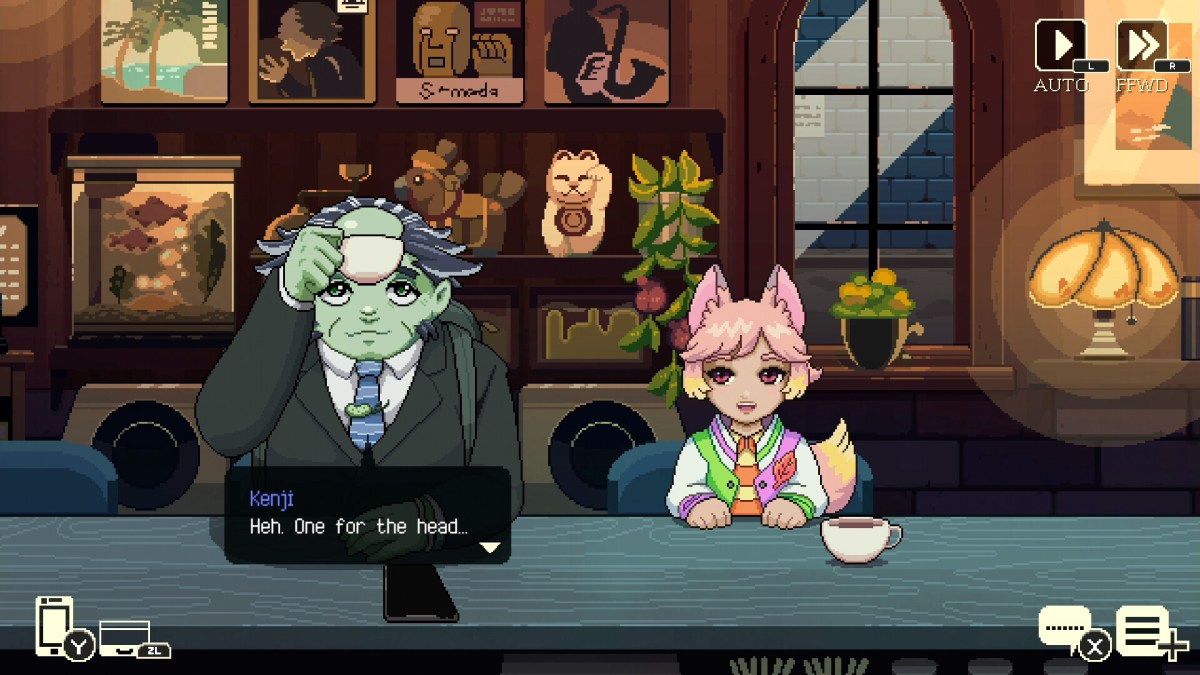
This installment also highlights the importance of cultural specificity in game design. By rooting the game in Tokyo and utilizing Japanese folklore, Toge Productions avoids the pitfalls of generic settings, offering players a sense of "virtual tourism." The game acts as a digital "third place"—a social environment separate from the two usual social environments of home and the workplace—which has become increasingly popular in post-pandemic digital culture.
In conclusion, Coffee Talk Tokyo serves as a testament to the enduring appeal of quiet stories. It does not reinvent the wheel, but rather polishes it to a high sheen, providing a familiar yet fresh experience for those seeking a reprieve from the high-stakes nature of modern gaming. As the industry moves toward 2026, the Coffee Talk franchise remains a cornerstone of the lo-fi movement, proving that sometimes, the most impactful thing a player can do is simply listen and pour a warm cup of coffee.