Johny Imanuel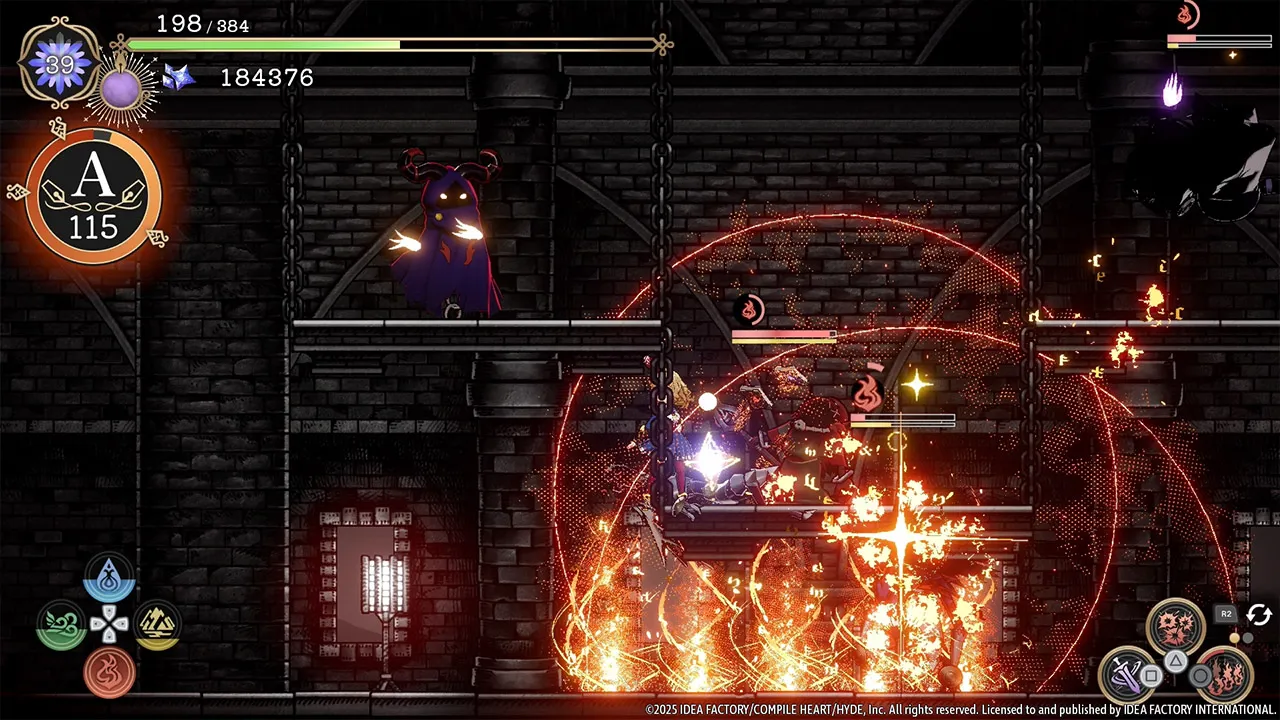
Idea Factory International has officially expanded its portfolio with the release of Ariana and the Elder Codex, a side-scrolling action-adventure title that seeks to find its footing within the crowded Metroidvania genre. Available across the PlayStation 5, Nintendo Switch, and PC platforms, the game introduces a narrative centered on the preservation of knowledge and the restoration of a world’s lost magical heritage. While the title adheres closely to established genre conventions, it offers a refined mechanical experience tailored toward accessibility, positioning itself as a potential entry point for players unacquainted with the complex navigation and high-difficulty ceilings often associated with titles like Hollow Knight or Metroid Dread.
Narrative Framework and World-Building
The premise of Ariana and the Elder Codex is rooted in a high-fantasy setting where humanity’s mastery over magic was once facilitated by seven ancient tomes: four Elemental Codices representing the fundamental forces of nature and three Phenomena Codices governing more abstract existential concepts. According to the game’s lore, an act of unprecedented vandalism led to the corruption of these texts, causing magic to vanish from the physical realm.
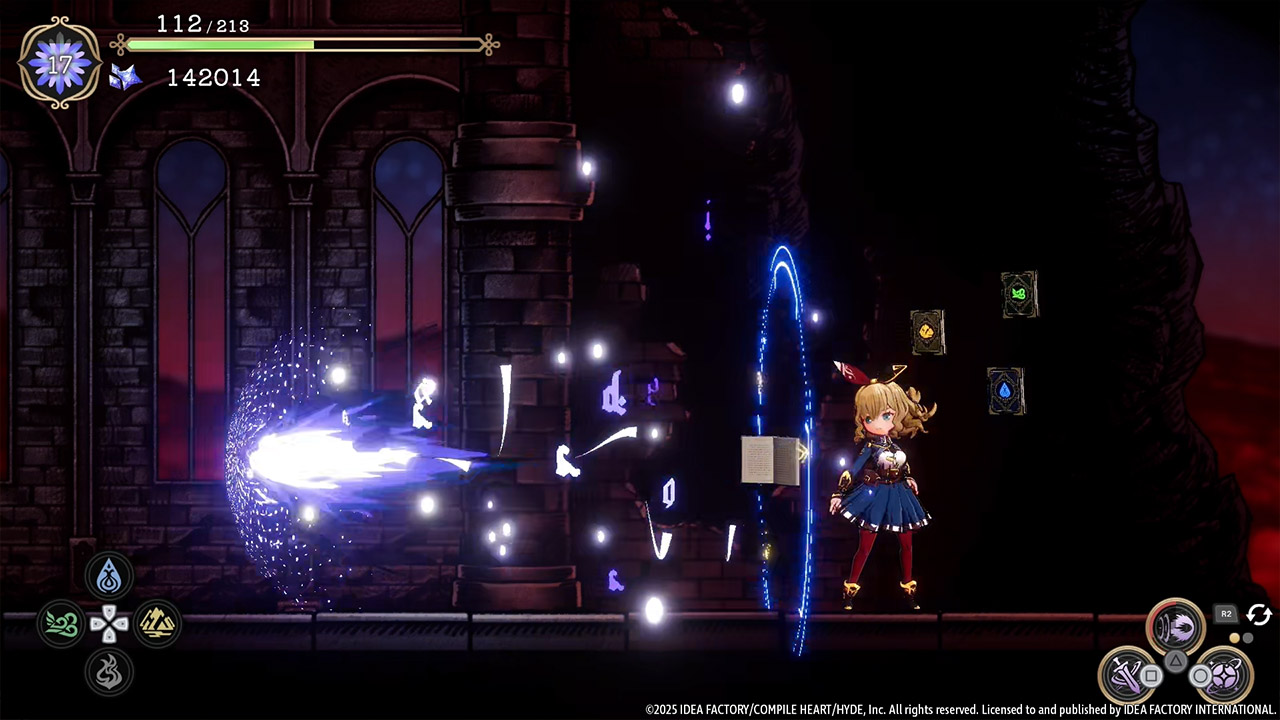
Players assume the role of Ariana, a specialized Librarian within the Great Library. Ariana possesses a rare cognitive ability that allows her to physically manifest within the narratives of these damaged books. By entering these literary realms, she must witness historical events, purge the manifestations of corruption—represented as monsters—and systematically repair the prose to restore magical functionality to the world. The narrative structure follows a cyclical pattern: as Ariana restores chapters of a Codex, she recovers lost spells, which in turn serve as the "keys" required to bypass environmental obstacles in previously explored sections of the library’s archives.
Core Gameplay Mechanics and Customization Systems
The gameplay loop of Ariana and the Elder Codex is defined by its "Magical Loadout" system, which distinguishes it from more traditional melee-focused Metroidvanias. Ariana’s primary offensive capabilities are derived from the spells she recovers within the Codices.
Combat and Elemental Synergy
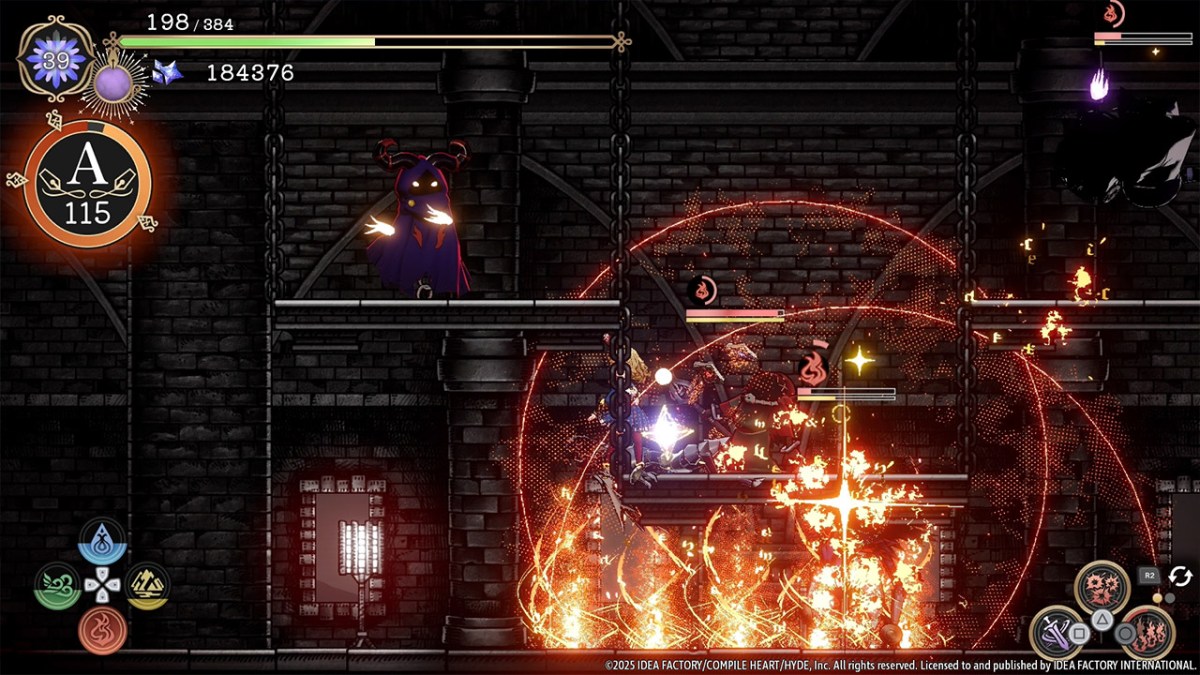
The combat system utilizes an active battle framework where players can equip up to three spells per loadout, with the ability to cycle between two active loadouts in real-time. This allows for the creation of complex chain reactions. The system incorporates several key tactical layers:
- Launching and Juggling: Certain spells are designed to lift enemies into the air, allowing for aerial follow-up attacks.
- Stun Gauges: Enemies possess a secondary health bar that, when depleted through sustained pressure, leaves them vulnerable to high-damage "Finishers."
- Elemental Bursts: By focusing on a specific element—such as Water or Fire—players can trigger a "Burst" effect, causing elemental damage to chain between adjacent enemies.
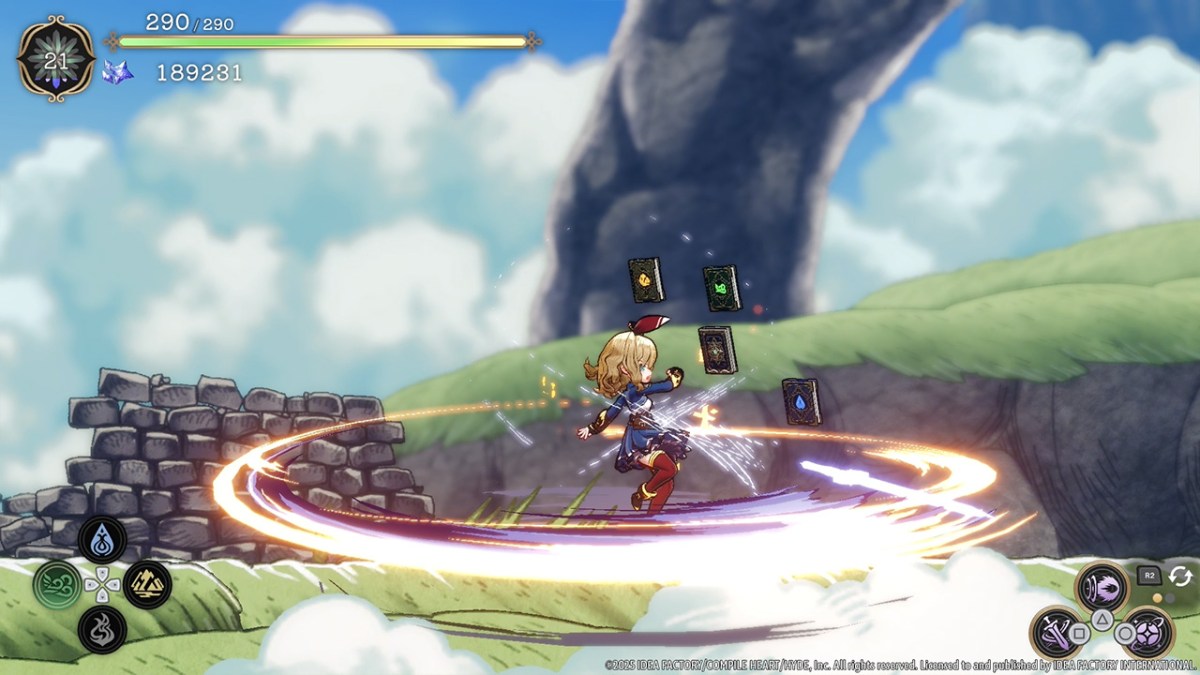
Furthermore, Ariana’s standard physical attack, the "Story of the Sword," is not static. As players progress, they can imbue this neutral attack with elemental properties gained from "Elemental Advents," ensuring that even basic maneuvers contribute to the game’s elemental synergy mechanics.
Progression and Crafting
Character growth is managed through two primary avenues: the Divina system and equipment crafting. Within the Great Library hub, players can utilize a resource known as Divina to permanently enhance the potency, range, or cooldown speed of their spells. Complementing this is a crafting system that requires materials harvested from the monsters defeated within the Codices. This equipment provides passive stat boosts and elemental resistances, allowing players to build Ariana into a glass-cannon mage or a more resilient frontline fighter.
A Chronological Perspective on Development and Release
The release of Ariana and the Elder Codex follows a standard industry cycle for mid-tier Japanese-developed titles.
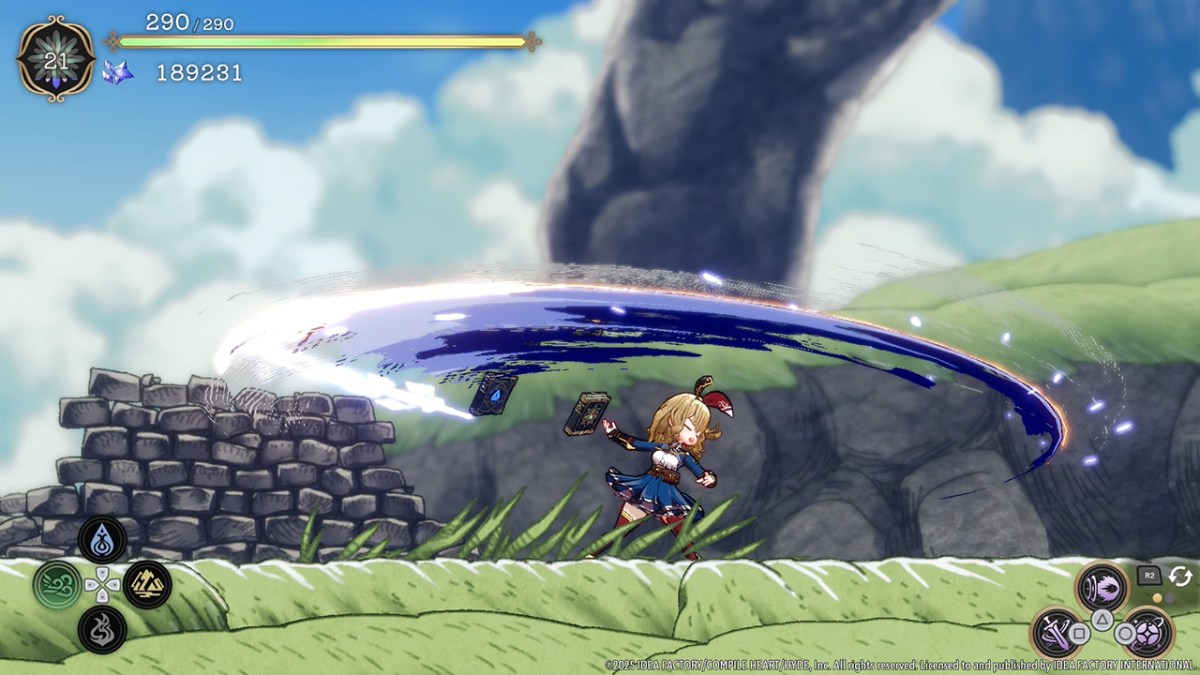
- Initial Announcement: The project was first revealed during a digital showcase by Idea Factory, highlighting the unique "Library" setting and the hand-drawn aesthetic that has become a hallmark of the publisher’s niche titles.
- Demo Phase: Prior to the full launch, a playable demo was released on the PlayStation Store and Nintendo eShop, focusing on the "Codex of Water" segment. This allowed the developers to gather feedback on the "Burst" mechanics and combat fluidity.
- Global Launch: The game saw a simultaneous multi-platform release on March 24, 2026. The localization efforts, managed by Idea Factory International, included full English text support and the retention of the original Japanese voice cast, featuring prominent industry veterans.
Voice Talent and Character Dynamics
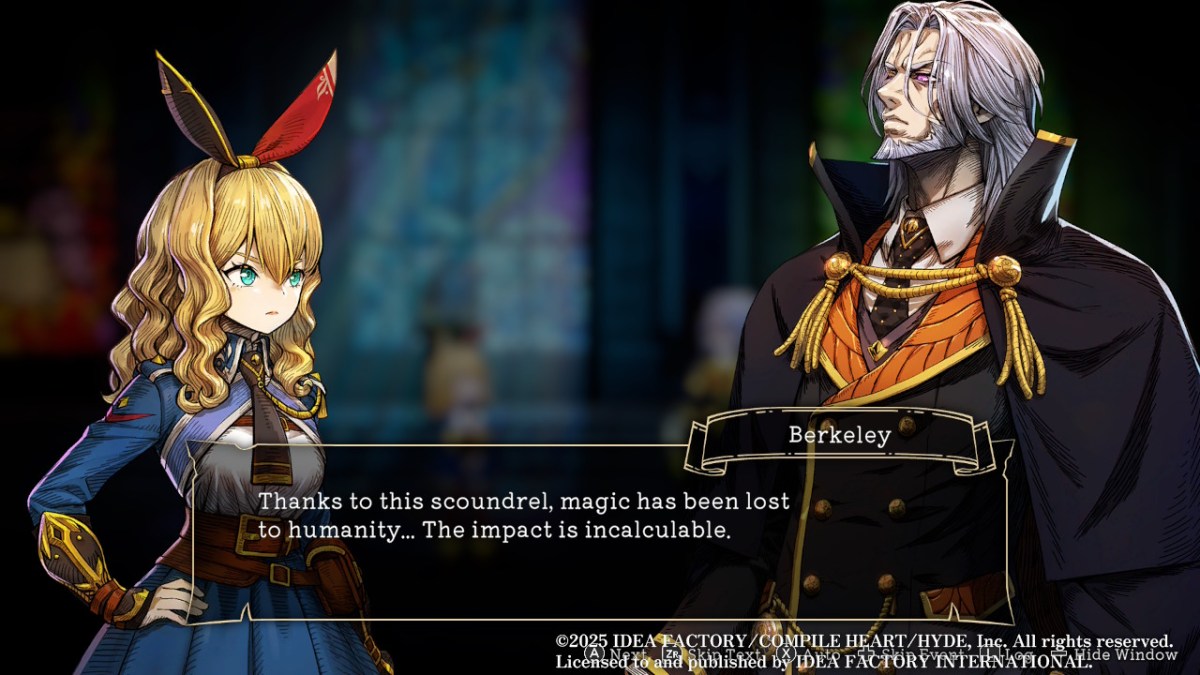
A significant aspect of the game’s presentation is its reliance on high-profile voice acting to elevate a relatively predictable plot. The role of John Berkeley, the Director of the Library and Ariana’s mentor, is voiced by Ryozaburo Otomo. Otomo is a veteran seiyuu known for portraying imposing and often morally ambiguous figures, such as Crocodile in One Piece, Ghadius in Klonoa, and Astaroth in Soulcalibur.
The inclusion of such a recognizable voice for the character of Berkeley serves as a narrative shorthand for experienced players. The authoritative and somewhat sinister tone provided by Otomo has led analysts and players alike to anticipate specific plot twists regarding the character’s true motivations. This use of "archetypal casting" is a common trope in the genre, providing depth to the narrative even when the script follows a conventional trajectory.
Comparative Analysis and Genre Positioning
When placed alongside contemporary Metroidvania titles, Ariana and the Elder Codex occupies a specific niche. Unlike the "Souls-like" subgenre of Metroidvanias—represented by titles like Blasphemous or Ender Lilies—this game opts for a more forgiving difficulty curve.
Map Design and Exploration
The maps within the Codices are described as functional but conservative. While they feature the requisite secret rooms and ability-gated shortcuts, they lack the labyrinthine complexity seen in the Castlevania series. The paths are generally telegraphed, and the game provides significant guidance to ensure players do not become lost or frustrated. This design choice highlights the developer’s intent to prioritize combat flow and story progression over environmental puzzles.
Enemy Variety and AI
One of the primary criticisms noted by genre veterans is the lack of enemy diversity. The standard "minions" found within the early Codices often reappear with minor palette swaps in later stages. Boss encounters, while visually impressive, rely on clearly telegraphed patterns that can be mastered within a few attempts. This stands in contrast to the erratic and punishing AI found in high-skill Metroidvanias, further reinforcing the game’s status as an "entry-level" experience.
Broader Impact and Industry Implications
The release of Ariana and the Elder Codex represents a growing trend in the "AA" gaming space: the refinement of established genres for a broader audience. By taking the Metroidvania framework—traditionally known for its obscurity and difficulty—and applying a layer of modern accessibility, Idea Factory International is targeting a demographic that enjoys exploration without the stress of extreme challenge.
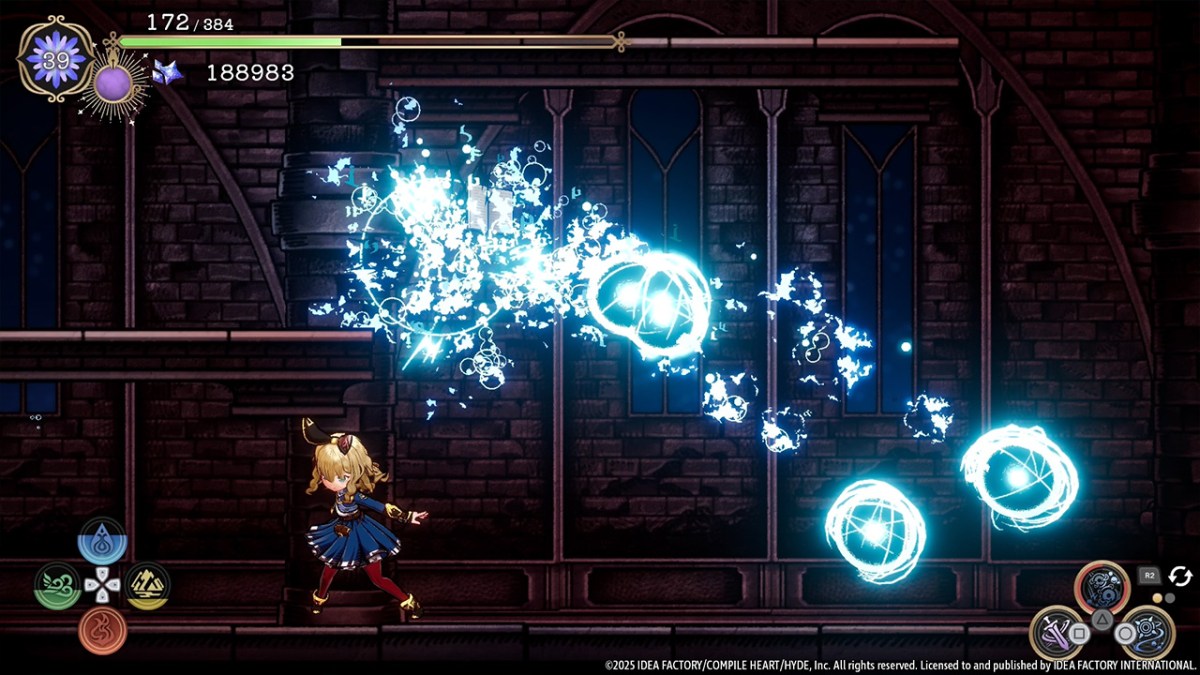
From a market perspective, the title fills a gap in the Switch and PS5 libraries for colorful, narrative-driven action games. While it may not revolutionize the genre or introduce groundbreaking mechanics, its solid execution of the "ability-gate" loop and its robust customization systems provide a satisfying experience for its intended audience.
The game also serves as a testament to the enduring appeal of the "magical girl" and "bibliophile" tropes in Japanese media. By centering the gameplay on the act of "repairing stories," the developers have successfully integrated narrative themes with mechanical progression, a feat that many more complex titles fail to achieve.
Final Assessment of Value
Ariana and the Elder Codex is a competent, well-crafted addition to the Metroidvania landscape. It offers a polished combat system, an engaging—if predictable—story, and a high level of visual charm. For the veteran player who has conquered the genre’s most difficult offerings, the game may feel overly familiar. However, for those seeking a relaxing adventure or a gateway into the world of side-scrolling exploration, it provides a solid foundation.
As the digital marketplace continues to favor high-concept indie titles, Ariana and the Elder Codex proves that there is still a significant place for traditional, well-executed genre pieces that focus on fundamental fun rather than reinvention. The availability of a demo remains a key strategic move by the publisher, allowing the gameplay mechanics to speak for themselves in an era where player time is increasingly fragmented.