Cecilia Chamidah Nur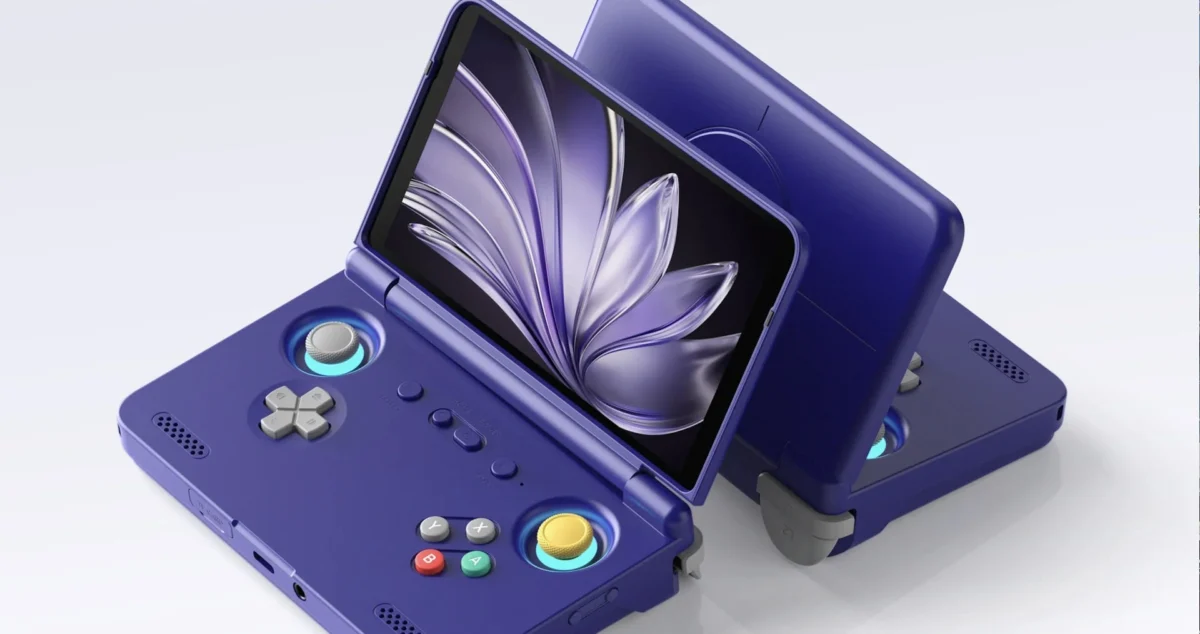
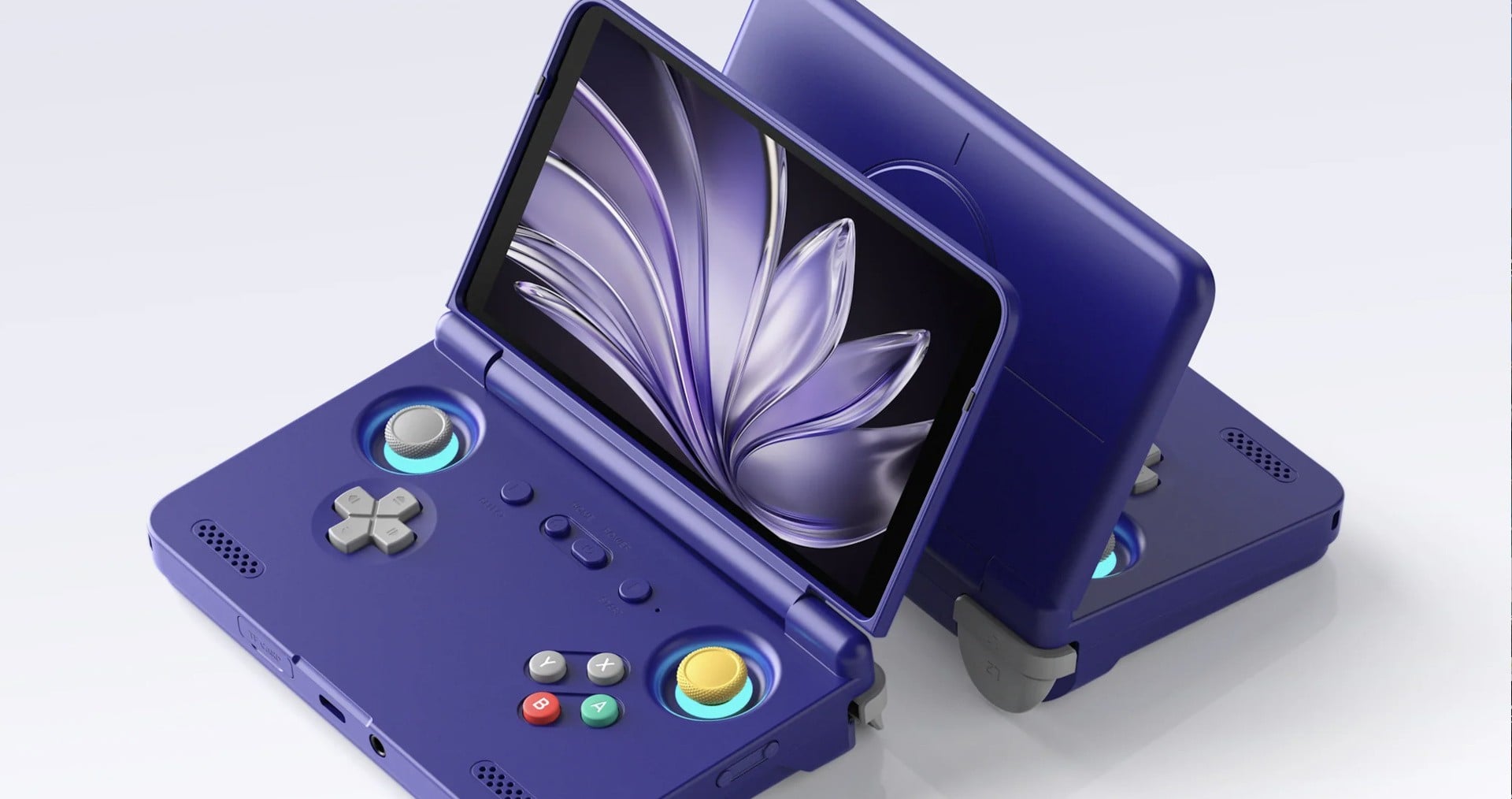
In an unusual turn of events within the competitive landscape of portable gaming devices, Retroid, a notable manufacturer of retro handheld consoles, has announced a complimentary RAM upgrade for a segment of its customers with outstanding orders. This strategic move, communicated via the company’s official Discord channel, affects specific configurations of the Retroid Pocket 5 and the Retroid Pocket Flip 2, elevating their memory specifications without additional cost to the consumer. The decision, while seemingly a benevolent gesture, underscores deeper complexities within the global electronics supply chain, particularly concerning the escalating costs and scarcity of vital components like RAM.
The core of the announcement details an automatic upgrade for customers who had placed orders for the 8 GB + 128 GB configuration of the Retroid Pocket 5 and the 865 version of the Retroid Pocket Flip 2. These customers will now receive the higher-tier 12 GB + 128 GB model. This enhancement represents a significant performance bump, offering improved multitasking capabilities and greater headroom for demanding emulation tasks or modern Android applications, without the usual associated premium. The news was first highlighted by tech outlets such as Retro Handhelds, drawing immediate attention from the retro gaming community.
The Global RAM Market and Its Ripple Effects
To fully comprehend Retroid’s decision, it is imperative to examine the broader context of the global hardware market. The price of Dynamic Random-Access Memory (DRAM), a critical component in virtually all modern electronic devices, has experienced a substantial surge in recent months. Industry analysts and market reports consistently point to a confluence of factors contributing to this inflationary trend and supply constriction.
A primary driver of the current RAM shortage is the unprecedented demand from Artificial Intelligence (AI) data centers. The rapid expansion of AI technologies, from large language models to complex machine learning algorithms, necessitates immense computational power and, consequently, vast quantities of high-performance memory. Hyperscale cloud providers and AI research institutions are aggressively acquiring available DRAM supply, often outbidding other sectors and monopolizing production capacities. This aggressive procurement strategy has created a bottleneck in the supply chain, leaving traditional consumer electronics manufacturers scrambling for components.
Beyond AI, other factors have historically influenced RAM market volatility, including geopolitical tensions affecting manufacturing hubs, natural disasters impacting production facilities, and the inherent cyclical nature of semiconductor production. While the immediate cause is AI-driven demand, the semiconductor industry has long grappled with boom-and-bust cycles, periods of oversupply followed by shortages. The current situation, however, appears to be particularly acute, with some reports indicating a year-over-year increase of over 20% in contract prices for certain DRAM modules in Q1 2024, with projections for further increases throughout the year. This upward trajectory in component costs directly impacts the profitability and production capabilities of device manufacturers across the board.
Retroid’s Operational Imperative: A Strategic Pivot
Retroid’s decision, while beneficial to its customers, is not solely born out of corporate altruism. The company’s official communication subtly hints at an underlying operational challenge: the depletion of its existing stock of 8 GB + 128 GB models. Furthermore, it appears Retroid is currently unable to produce additional units of this specific configuration, likely due to difficulties in sourcing the 8 GB RAM modules at a viable cost or in sufficient quantities.
Faced with a backlog of orders for a configuration they can no longer readily supply, Retroid had two primary options: cancel outstanding orders and issue refunds, or fulfill them with a higher-spec model. Cancelling orders, especially for eagerly anticipated devices in a niche enthusiast market, carries significant risks. It can lead to widespread customer dissatisfaction, negative publicity, and a damaged brand reputation—outcomes that Retroid, like any consumer electronics company, would actively seek to avoid. The handheld gaming community is particularly vocal, and a wave of cancellations could severely erode trust and future sales.

Therefore, the decision to upgrade customers to the 12 GB + 128 GB model emerges as a pragmatic and strategically sound solution. By absorbing the cost difference for the enhanced memory, Retroid avoids the negative repercussions of order cancellations, maintains customer goodwill, and clears its order backlog. This move transforms a potential supply chain crisis into an unexpected bonus for its existing customer base, effectively turning a potential public relations nightmare into a positive, albeit costly, customer service narrative.
Chronology of Changes and Pricing Adjustments
The timeline surrounding this development is crucial for both consumers and market observers. While the exact date of Retroid’s Discord announcement was recent, it sets in motion a series of immediate and future changes.
- Pre-Announcement Phase: Customers had placed orders for the 8 GB + 128 GB configurations of the Retroid Pocket 5 and Flip 2, likely unaware of the impending supply challenges. These devices, known for their ability to emulate a wide range of retro consoles and run Android games, have garnered a loyal following since their respective launches.
- The Announcement: Retroid publicly announced the free RAM upgrade via its Discord server, a common communication channel for niche tech companies to directly engage with their community. This immediate and direct communication helped manage expectations and convey the company’s resolution swiftly.
- New Standard Configuration: Effective immediately for outstanding orders, the 12 GB + 128 GB model becomes the de facto standard configuration for both the Retroid Pocket 5 and Flip 2, replacing the 8 GB variant.
- Impending Price Adjustment: Retroid also announced that new orders placed after July 15th would reflect a $10 price increase for these upgraded standard configurations. This adjustment is likely a measure to partially offset the higher component costs associated with the 12 GB RAM modules.
- The Retroid Pocket 5 (now 12 GB + 128 GB) will be priced at $209.
- The Retroid Pocket Flip 2 (now 12 GB + 128 GB) will be priced at $219.
This phased approach allows existing customers to benefit from the upgrade without additional cost, while future purchasers will pay a slightly higher price for a demonstrably better-specced device. The $10 increase, in the context of global RAM price hikes, appears to be a relatively modest adjustment, suggesting Retroid is absorbing a significant portion of the increased component costs to remain competitive.
Technical Implications for Users: 8GB vs. 12GB RAM
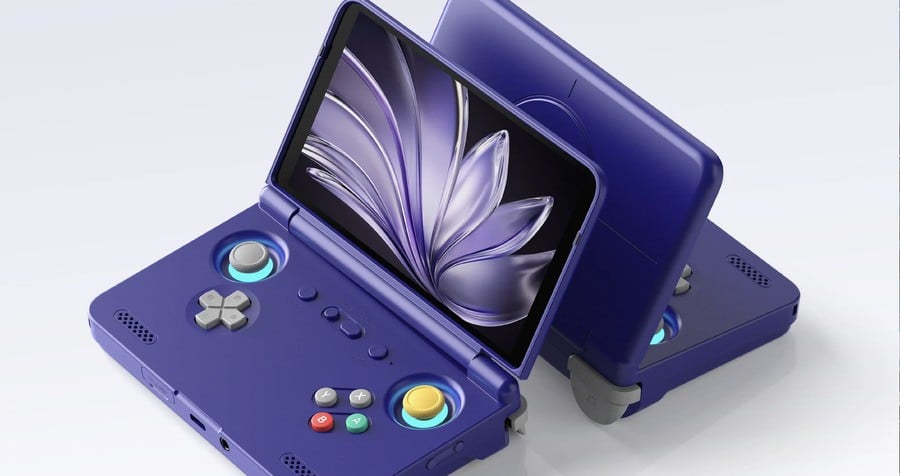
For the average user, the jump from 8 GB to 12 GB of RAM on an Android-based handheld console brings tangible performance benefits, even if 8 GB is often considered sufficient for many retro emulation tasks.
- Enhanced Multitasking: Android, like any modern operating system, benefits from more RAM. Users can run more applications simultaneously, switch between games and other apps (like browsers, messaging, or music players) more smoothly, and experience fewer app reloads.
- Demanding Emulators: While older console emulation (NES, SNES, PS1, N64) typically requires minimal RAM, emulators for more modern systems like the PlayStation 2 (PS2), Nintendo GameCube/Wii, or even experimental Nintendo Switch emulation on Android can be significantly RAM-intensive. 12 GB provides a larger buffer for these demanding applications, potentially reducing stuttering, crashes, and improving overall stability.
- Modern Android Gaming: The Retroid devices are not just for retro gaming; they can run a wide array of native Android games. As mobile games become more graphically sophisticated and resource-intensive, additional RAM ensures a smoother experience, particularly for titles that might push the device’s limits.
- Future-Proofing: With software updates and new emulation cores constantly evolving, having more RAM offers a degree of future-proofing, allowing the device to handle more demanding tasks that may emerge down the line.
Therefore, the upgrade is not merely a technicality but a genuine enhancement to the user experience, making the devices more versatile and robust in the long run.
Broader Implications and Market Outlook
Retroid’s predicament and subsequent resolution offer a microcosm of the challenges facing the broader consumer electronics industry. The immediate benefit to customers receiving the free upgrade is undeniable, fostering positive sentiment within the community. However, the underlying circumstances raise pertinent questions about the long-term stability of component supply for smaller manufacturers and the potential for similar disruptions across the retro handheld market.
- Supply Chain Vulnerability: This incident highlights the inherent vulnerability of manufacturers relying on global component markets. Even established companies can face unexpected shortages, forcing them to adapt quickly. It prompts speculation on whether Retroid might seek to diversify its component suppliers or re-evaluate its product design strategies to incorporate more readily available parts in the future.
- Competitive Landscape: The retro handheld market is increasingly competitive, with players like Anbernic, AYN, and others vying for market share. While a free upgrade might temporarily boost Retroid’s image, consistent supply chain issues could erode confidence if they lead to significant delays or further price hikes for future products. Competitors who manage to secure stable component supplies might gain an advantage.
- Pricing Pressure: The $10 price increase, while modest, reflects the upward pressure on manufacturing costs. If RAM prices continue to escalate, manufacturers will face difficult decisions between absorbing costs (reducing profit margins), passing them on to consumers (potentially impacting sales), or compromising on specifications.
- Impact on Other Models: The original article notes that the 8 GB + 128 GB model of the Retroid Pocket 6 remains unaffected so far. However, this incident casts a shadow of uncertainty over other Retroid products and indeed, any device from any manufacturer that relies on similar memory configurations. Continuous monitoring of component availability will be crucial for these companies.
- Consumer Expectations: While current customers are benefiting, the incident may subtly shift consumer expectations. Future purchasers might become more attuned to potential supply chain issues when considering pre-orders or new releases from niche manufacturers.
In conclusion, Retroid’s decision to offer a free RAM upgrade is a masterful act of crisis management, effectively transforming a potential logistical and public relations setback into a win for its customer base. However, this situation serves as a stark reminder of the volatile nature of the global electronics market, where even seemingly small components like RAM can dictate production capabilities and pricing strategies. As AI’s demand for high-performance memory continues unabated, manufacturers of consumer devices will need to navigate these complex supply dynamics with agility and strategic foresight to maintain their market position and customer trust. The ripple effects of global demand and supply imbalances are now visibly impacting niche markets, signaling a challenging yet adaptive future for the portable gaming device industry.