Cecilia Chamidah Nur
Barely Making Games, the independent developer behind the eagerly anticipated train simulator, has released a significant update addressing widespread criticism and announcing a rebranding of its project, now titled "Retro Rail: Japan!" This move comes after an intense period of online backlash, particularly from Japanese rail fans, who had accused the game, formerly known as "Retro Rail Go!", of being a "rip-off," a "pirate port," and potentially infringing on the intellectual property of Taito’s iconic Densha De Go! series. The update, published on Steam on July 10th, 2026, details several crucial changes, including the removal of all "placeholder AI image assets" and a firm denial of any copyright infringement, as the developer strives to steer the game onto a "healthy and safe path of development" ahead of its planned Steam launch later this year.
A Chronology of Controversy and Course Correction
The journey for Barely Making Games’ train simulator has been anything but smooth since its initial public appearance. The project first garnered attention following the release of a demo in early June 2026. Initially, the game, then known as Retro Rail Go!, received positive coverage from several prominent gaming websites, including Time Extension, which highlighted its potential as a heartfelt tribute to classic Japanese train simulators and a viable alternative to fill the void left by Densha De Go!’s limited presence on modern PC platforms. This positive media spotlight proved highly effective, reportedly boosting the game’s wishlists on Steam from 700 to 2,000 within a mere 48 hours, indicating a significant initial interest from the gaming community.
However, this surge in visibility also brought an unforeseen wave of scrutiny and negativity. As the game gained traction, particularly through Japanese gaming media outlets like GameSpark, a torrent of critical feedback began to emerge. Online forums and social media platforms became hotbeds for accusations, with users labeling the game a "rip-off," a "clone," and even calling for Japanese companies to initiate legal action against the developer to have the project removed from Steam.
On June 18th, 2026, Barely Making Games issued an emotional statement via a Steam update, acknowledging the "big sad side to the story." The developer expressed profound distress over the "online hate and accusations," admitting to seriously considering abandoning the project entirely. In this initial response, the developer clarified the project’s origins, explaining that it was a "tiny passion project made by a single person" from a "developing country" with "very little to no resources." The developer stated that the intention was never to create a "rip-off" or "cash grab," nor to infringe on copyrights, but rather to craft "a tiny experience for a tiny audience" seeking a nostalgic "throwback into simpler times." The motivation stemmed from a personal inability to access many famous Japanese games due to high prices and lack of localization, leading to the identification of a market gap for an affordable, localized, and customizable retro train simulator.
Crucially, this June 18th update also contained a notable admission: the developer confirmed the use of "a few placeholder AI-generated images," a detail not previously disclosed on the main Steam page. While Barely Making Games stated that a human artist had been tasked with replacing these assets for the final game, this revelation further fueled the controversy, particularly given the escalating industry-wide debates surrounding the ethics and legality of generative AI in content creation. Critics specifically targeted the game’s UI and character art, citing clear inspiration from Densha De Go!, alongside concerns about the potential use of real trains and railway companies without proper licensing, culminating in accusations of "a complete violation of copyright law" from some corners of the internet, especially within the Japanese gaming community.
The July 10th Update: A Strategic Overhaul
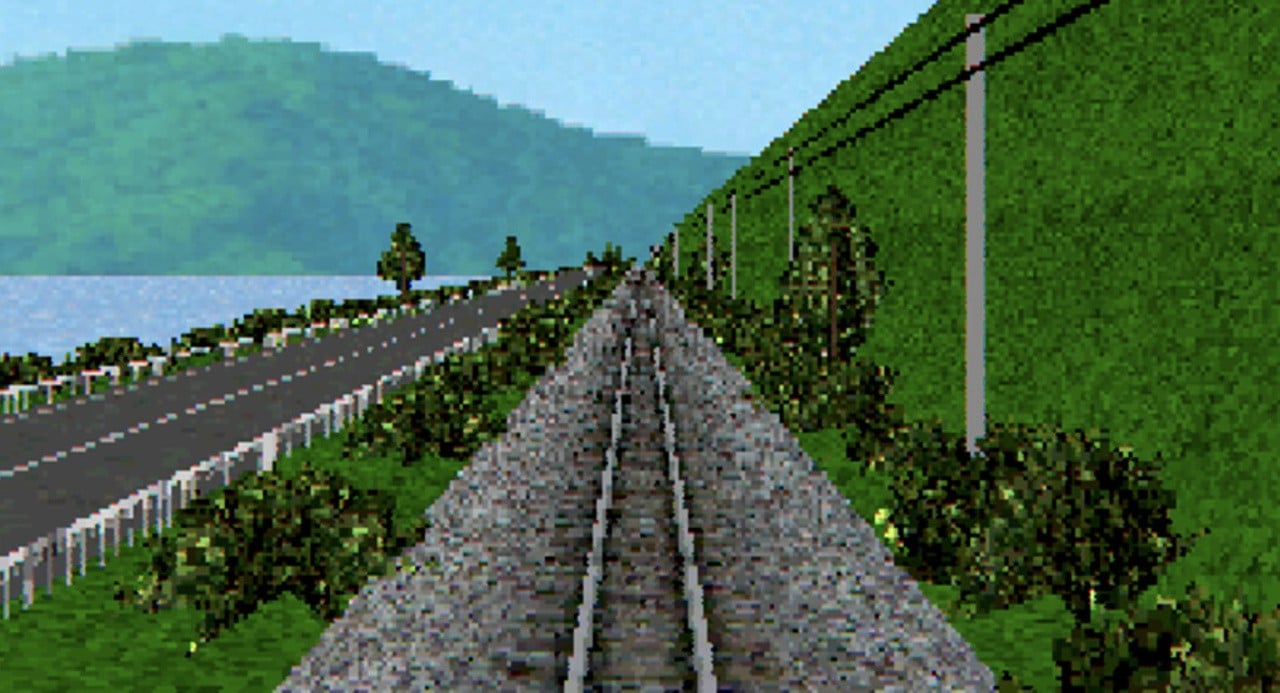
Responding to the sustained pressure and aiming to regain trust, Barely Making Games released its latest, more comprehensive update on July 10th, 2026. This announcement signaled a definitive commitment to the project, despite the earlier contemplation of halting development. The developer outlined a series of strategic changes designed to address the core criticisms and differentiate Retro Rail: Japan! from its perceived inspirations and alleged infringements.
The most prominent change is the game’s rebranding from Retro Rail Go! to "Retro Rail: Japan!" This strategic renaming is a clear effort to distinguish the game from Taito’s renowned Densha De Go! series, mitigating potential trademark confusion and signaling a renewed focus on its unique identity within the broader genre.
In a direct response to the AI asset controversy, Barely Making Games explicitly stated that all "placeholder AI image assets" have now been removed from the game. The developer issued an apology for their initial inclusion and confirmed that these have been replaced with original artwork commissioned from an actual human artist. This move is a significant step in aligning the project with ethical development practices and addressing a major point of contention that had eroded public trust. The integration of AI in game development remains a highly sensitive topic, with many players and creators advocating for transparency and the prioritization of human artistry. This reversal by Barely Making Games demonstrates an awareness of these industry sentiments and a willingness to adapt.
Furthermore, the developer vehemently denied persistent claims that the game constitutes a "pirate port." The statement asserted, "There are no ‘stolen assets’, no copyrighted video usage nor trademark infringement on our game. These are false accusations." To unequivocally demonstrate this commitment to originality and to further distance the project from such allegations, Barely Making Games detailed additional modifications. These include the removal and alteration of "some footage, colour schemes and names" that might have been perceived as too similar to existing intellectual property. A small changelog was released to transparently document these modifications, alongside a new trailer specifically designed to reintroduce "Retro Rail: Japan!" to a global audience, showcasing its refined aesthetic and gameplay.
The Shadow of Densha De Go! and the Indie Developer’s Dilemma
The intense scrutiny faced by Retro Rail: Japan! cannot be fully understood without acknowledging the profound cultural and historical significance of Taito’s Densha De Go! series. Launched in 1996, Densha De Go! revolutionized the train simulation genre, particularly in Japan. Its unique blend of realistic train operation, detailed Japanese railway lines, and accessible arcade-style gameplay captivated millions. The series is celebrated for its authenticity, precision, and immersive experience, making it a beloved franchise with a dedicated fanbase. For many Japanese players, Densha De Go! is more than just a game; it’s a cultural touchstone that embodies a deep appreciation for the country’s intricate railway system.
The relative absence of Densha De Go! titles on PC platforms like Steam, particularly outside of Japan, has created a niche demand for alternatives. It was into this perceived market gap that Retro Rail Go! sought to enter, aiming to offer a "throwback" experience. However, the passion that defines the Densha De Go! fanbase also translates into a strong protective sentiment towards the original intellectual property. Any project perceived as directly copying or infringing upon this legacy is likely to face severe backlash, especially from a community that values authenticity and originality.
This incident also shines a spotlight on the precarious position of independent game developers, particularly those operating with limited resources. Barely Making Games’ candid description of itself as a "single person" developer from a "developing country" highlights the significant challenges faced by such creators. They often operate without the legal teams, marketing budgets, or established frameworks that larger studios possess. The line between "tribute" or "inspiration" and "infringement" can be legally ambiguous and financially ruinous for small developers. Navigating international copyright laws, cultural sensitivities, and the expectations of a global gaming audience becomes an incredibly complex task, especially when initial positive reception can quickly turn into a deluge of negative feedback and legal threats.
Broader Implications: AI, Copyright, and Community Power
The saga of Retro Rail: Japan! serves as a microcosm for several critical issues currently impacting the video game industry.
Firstly, the controversy surrounding the use of AI-generated assets underscores a pivotal ethical and legal debate. While generative AI tools offer potential cost savings and accelerate development, their integration into commercial projects has sparked significant debate regarding originality, copyright ownership of the generated content, and the displacement of human artists. The community’s strong negative reaction to Barely Making Games’ initial admission of using "placeholder AI images" demonstrates a clear preference among many players for human-created art and a demand for transparency from developers. The developer’s decision to remove these assets and commission human artists reflects a growing understanding that ethical considerations and community sentiment often outweigh the perceived efficiencies of AI in the current climate.
Secondly, the incident highlights the ever-present tension between creative inspiration and intellectual property law. Developers often draw inspiration from beloved games, aiming to create homages or spiritual successors. However, when the stylistic choices, UI elements, or core mechanics too closely resemble a copyrighted work, it risks crossing the line into infringement. The accusations leveled against Retro Rail: Japan! – concerning UI, character art, and even potential use of real-world railway elements – exemplify the fine balance developers must strike. For an indie developer, the financial and logistical burden of defending against a copyright claim, even if ultimately baseless, can be catastrophic. This case serves as a stark reminder for all developers to meticulously review their assets and design choices to avoid such pitfalls.
Finally, the powerful role of community feedback and the amplifying effect of social media are evident throughout this narrative. The initial surge in wishlists, driven by positive coverage, quickly gave way to organized backlash once the negative discourse took hold, particularly within specific cultural segments of the gaming community. This demonstrates the immense power of collective fan sentiment to influence a project’s trajectory, even to the point of threatening its existence. While passionate feedback can be invaluable for refining games, it also highlights the potential for "review bombing" or targeted campaigns that can be disproportionately damaging to smaller developers. The developer’s direct engagement with the community’s concerns, including apologies and concrete changes, reflects an understanding of this dynamic and an attempt to rebuild trust.
The Road Ahead
As Barely Making Games persists in its efforts, the future of "Retro Rail: Japan!" remains under observation. The developer has made significant concessions and demonstrated a willingness to adapt in response to community and ethical concerns. The rebranding, the unequivocal removal of AI assets, and the meticulous modifications to distance the game from potential infringement claims are substantial steps.
However, whether these changes will be sufficient to fully appease the game’s most ardent critics, particularly the Japanese rail fan community, is yet to be determined. The deep-seated passion for Densha De Go! and the initial perception of the project as a "rip-off" have created a formidable challenge. The upcoming Steam release will be a critical test, as the game’s ultimate reception will hinge on its ability to demonstrate genuine originality, high-quality gameplay, and a respectful, distinct identity within the train simulation genre. Despite the turbulent journey, Barely Making Games’ continued development signifies a strong commitment to their vision, hoping to eventually deliver the affordable, localized retro train simulator they initially set out to create.