 Vera Clarissa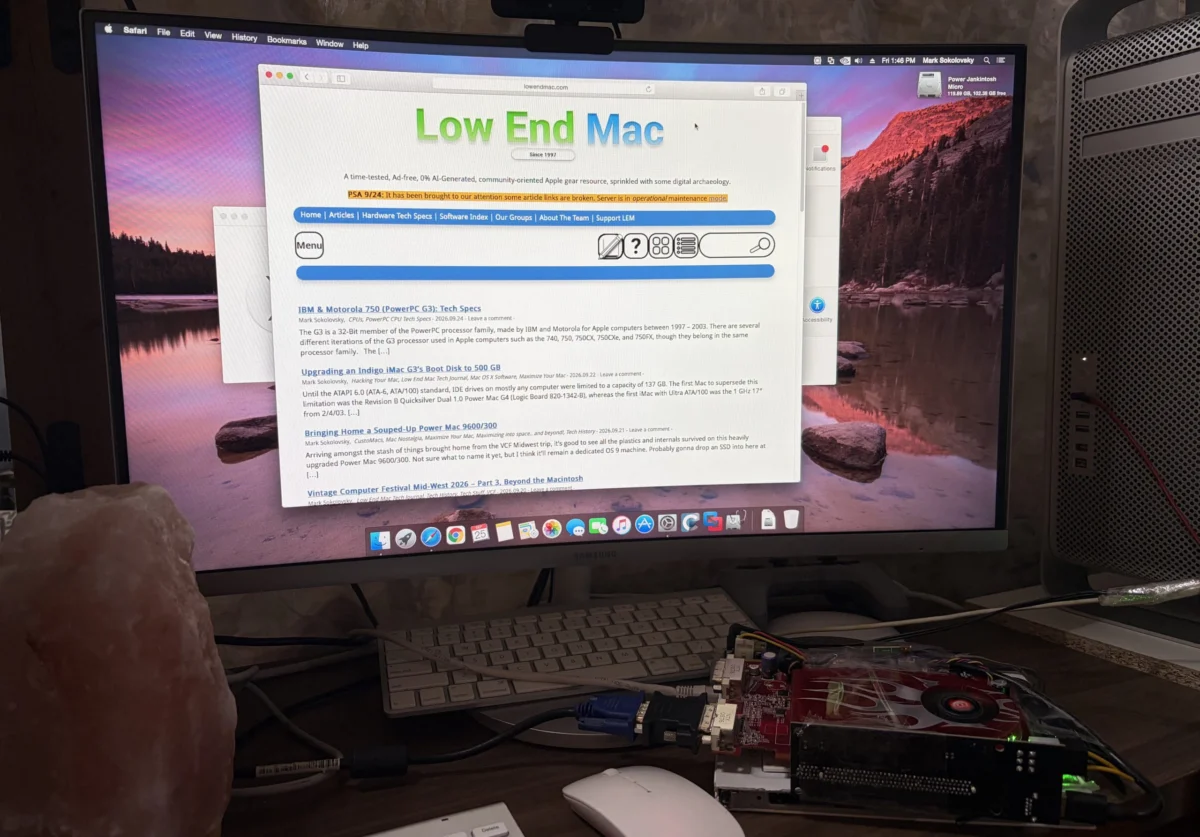
The global retrocomputing community has officially launched the 2026 iteration of the RetroChallenge, a month-long event designed to celebrate historical hardware through preservation, experimentation, and creative engineering. Running concurrently with the Hackaday RetroComputing Contest, this year’s initiative encourages participants to push the boundaries of legacy systems. The event culminates in a live "Show & Tell" presentation on October 31, 2026, at the Australian Computer Museum Society (ACMS), where judges will evaluate entries based on ingenuity, technical difficulty, and the passion displayed by contributors.
The Scope and Significance of RetroChallenge 2026
RetroChallenge is more than a competition; it is a collaborative platform for enthusiasts to document the process of reviving, modifying, or repurposing aging technology. Since its inception, the event has served as a cornerstone for hardware preservation, bridging the gap between historical curiosity and modern technical application. The 2026 event seeks to broaden its reach by inviting participants of all skill levels to join, fostering an environment where novices and experts alike can share findings and overcome the common pitfalls associated with hardware that is now two decades old or older.

The judging criteria for this year’s competition are multifaceted. Judges from both the ACMS and the broader community will review project forums to assess how well participants have documented their progress. This emphasis on documentation serves a dual purpose: it creates a searchable knowledge base for the community and provides a clear narrative of the technical hurdles encountered during the restoration process. Winners will be announced in the six weeks following the October 31 conclusion, with prizes including a $500 AUD voucher, specialized hardware from ZuluSCSI, and commemorative merchandise.
Historical Context: The Rise of Franken-Mac Projects
The interest in "Franken-Mac" projects—the practice of taking modular components from disparate Apple machines and combining them into novel configurations—has seen a resurgence in recent years. These projects are often inspired by hypothetical scenarios, such as the potential for an alternate timeline where Apple’s product design trajectory deviated from historical reality.
One such project, currently being documented for the 2026 challenge, explores the concept of a "Mac Studio" desktop released in 2006, the same year Apple transitioned to Intel-based architecture. This specific project, rooted in the limitations of 2006-era MacBook hardware, highlights the persistent drive to circumvent the thermal and graphical constraints that defined that generation of consumer electronics. By utilizing components like the Intel Core 2 Duo and the GMA 950 chipset, builders are effectively stress-testing the limits of the Mac OS architecture, attempting to achieve native graphical hardware acceleration without relying on software patches.

Chronology of a Custom Build: The Core 2 Duo Experiment
The development process for this specific project serves as a case study in modern hardware modification. The timeline of this build underscores the technical complexity involved in retrofitting obsolete systems:
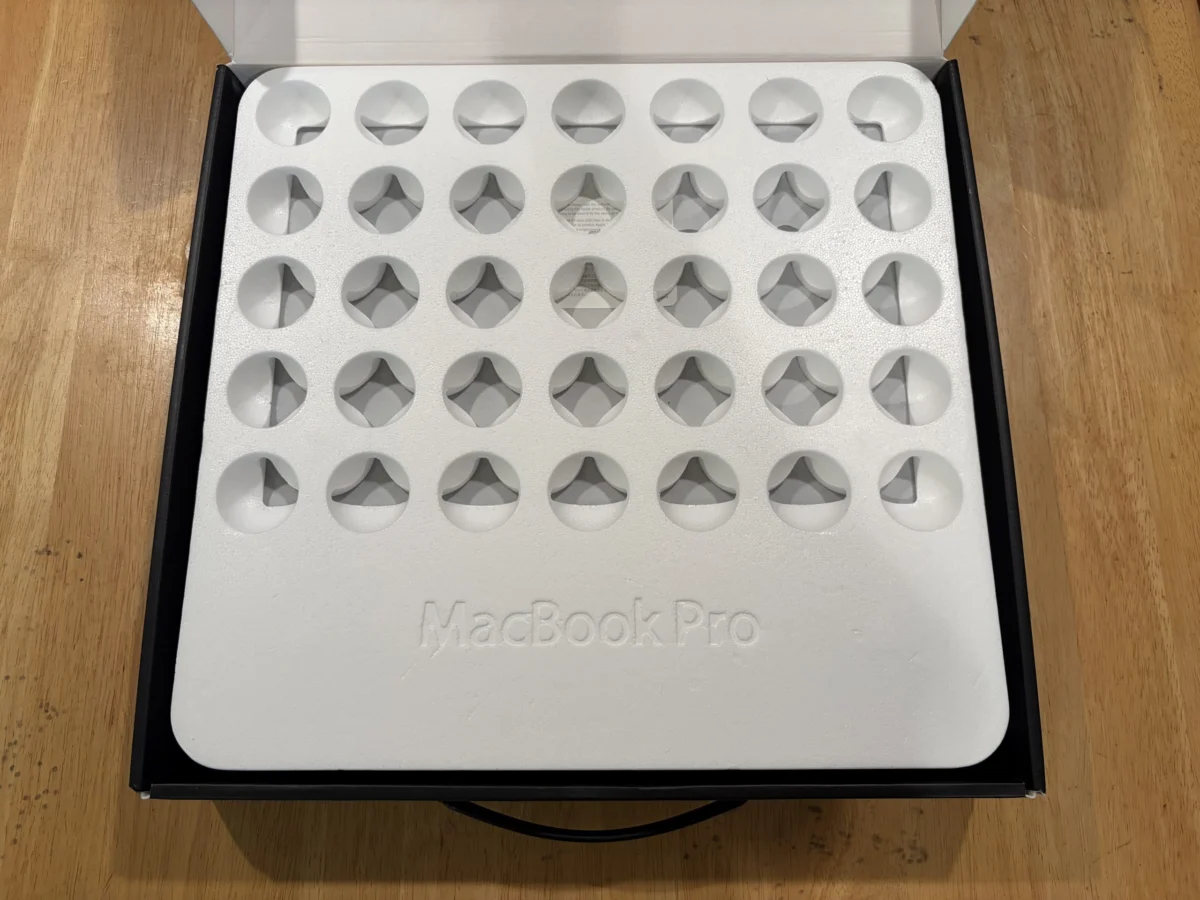
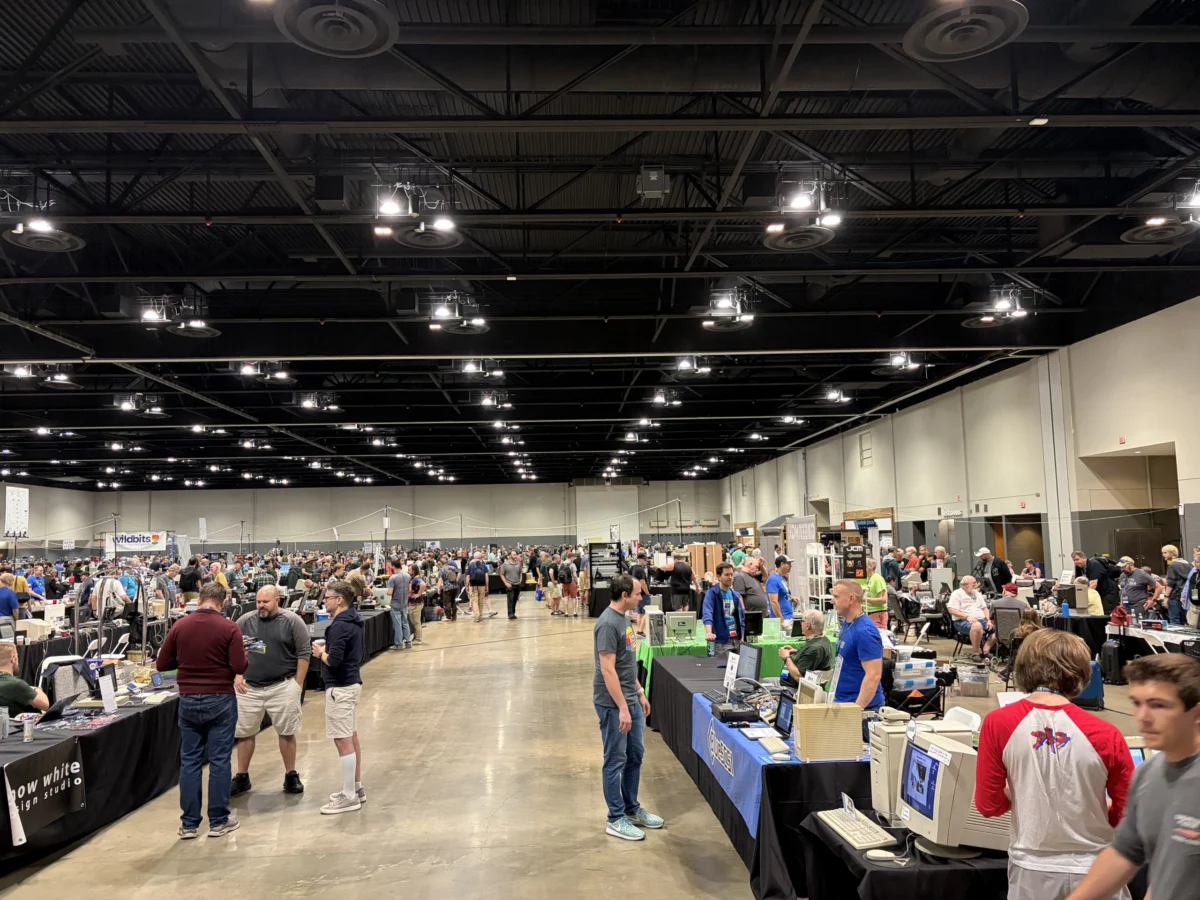
- Initial Procurement (Early September 2026): The project began with the acquisition of two MacBooks at the VCF Midwest event. These units, purchased for a nominal cost from the Wisconsin Computer Club, provided the essential logic boards and structural housing necessary for experimentation.
- Hardware Assessment: Upon testing, the 2006 Core 2 Duo MacBook was selected for its performance overhead. A significant constraint identified early on was the GMA 950 chipset’s memory limitation; the system requires a total RAM footprint under 2.5 GB to prevent address conflicts when interacting with an external graphics processing unit (eGPU).
- Power Architecture Challenges: The primary technical hurdle was the power delivery system. Because the internal SATA power rails of the MacBook could not meet the 12V requirements of a discrete graphics card, the project required an external power source. Initial testing with a 12V 2A barrel jack proved insufficient, leading to system instability during the boot process.
- Optimization and Power Scaling: To resolve the boot failure, the project was upgraded to a 12V 5A power supply. This change enabled the system to successfully initialize a Radeon HD 2600 XT, demonstrating that the logic board could support higher-tier graphics hardware if provided with sufficient, stable current.
- Structural Refinement: Following successful software initialization and the cloning of Piker Alpha OS X Yosemite, the focus shifted toward the physical enclosure. By repurposing the original MacBook chassis, the builder maintained the structural integrity of the logic board while creating a custom footprint for the eGPU configuration.
Technical Implications and Hardware Analysis
The technical success of this project suggests a broader trend in the retrocomputing community: the move from simple restoration to "modernization" of legacy interfaces. The use of Mini PCIe to PCIe adapters to interface with modern graphics cards is a hallmark of this trend. It demonstrates that the architecture of 2006-era Apple hardware remains surprisingly robust, provided that the power and bandwidth bottlenecks are systematically addressed.
Data from the project reveals that even with the overhead of an eGPU, the bottleneck remains the 2006-era logic board. However, for enthusiasts, the performance gain—achieving graphical acceleration on software that would otherwise be unusable—is the primary objective. The successful implementation of the 12V 5A power rail confirms that while these machines were designed for low-power mobile use, their logic boards are capable of interfacing with significantly more demanding hardware if the internal power delivery is bypassed.

Broader Impact on the Computing Community
The implications of the RetroChallenge extend beyond the individual projects. By encouraging the documentation of these builds, the community is creating a repository of "how-to" data that preserves the functional life of legacy devices. As components for older computers become scarcer, the ability to repurpose them using modern, off-the-shelf adapters (such as those for SATA power and PCIe expansion) becomes vital for long-term preservation.
Industry observers note that the community-led nature of these events often leads to the discovery of undocumented hardware behaviors. When builders like those participating in the 2026 challenge share their findings—such as the specific memory limitations of the GMA 950 chipset—they provide valuable insights that were never fully explored by the original manufacturers.
Furthermore, the collaboration between entities like the ACMS and online forums like Hackaday ensures that these projects reach a wider audience. The inclusion of a live "Show & Tell" via digital streaming allows for a global audience to participate in the evaluation process, fostering a collaborative atmosphere that transcends geographical boundaries.

Conclusion and Future Outlook
As the RetroChallenge 2026 progresses, the community expects to see a wide range of projects, from simple restorations to highly complex, custom-engineered modifications. The current trajectory of the "Power Hackintosh Micro" project, as it is being termed, demonstrates that the enthusiasm for 20-year-old hardware is not waning. Instead, it is evolving into a sophisticated practice of digital archaeology, where the goal is to extract maximum performance from legacy systems while honoring the design language of the era.
With the October deadline approaching, the focus will now shift toward refinement—moving the project from a "table-spread" of components to a finished, enclosed, and functional unit. The upcoming presentation at the ACMS will serve as a testament to the dedication of the retrocomputing community, highlighting the intersection of technical prowess, creative design, and historical preservation. For those interested in the future of the event, the continuous updates on the project’s progress serve as a blueprint for what can be achieved through iterative testing and a deep understanding of legacy hardware architectures.