Edi Durjana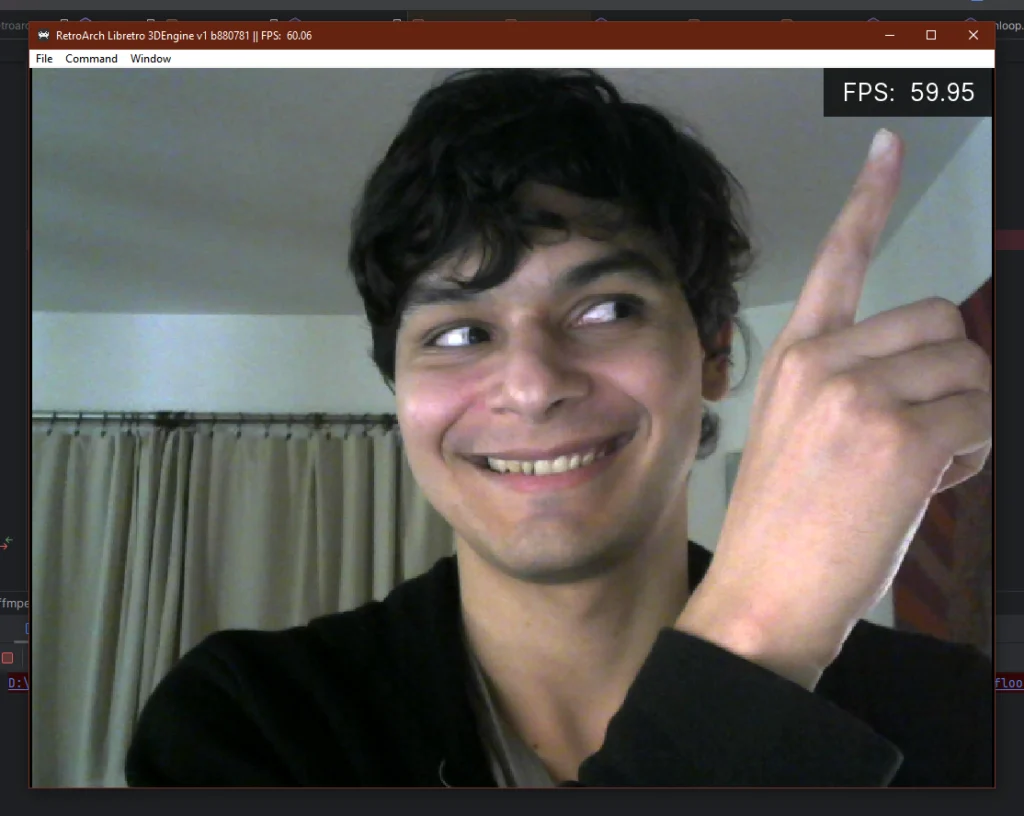
The development team behind RetroArch, a project operating under the broader Libretro ecosystem, has consistently prioritized user benefit and open-source principles. Unlike many modern software applications that integrate in-app advertisements, monetization SDKs, or paywalled features, RetroArch maintains a completely free and open model. This philosophy is fundamental to its operation, with the project relying heavily on community support and voluntary contributions. Users are encouraged to show their support through donations via platforms like Patreon and GitHub Sponsors, or by purchasing official merchandise from their Teespring store, ensuring the continued viability and development of this critical platform. This model stands as a testament to a user-centric approach in an increasingly commercialized digital landscape.
Revolutionary Shader Subframes Elevate Visual Fidelity
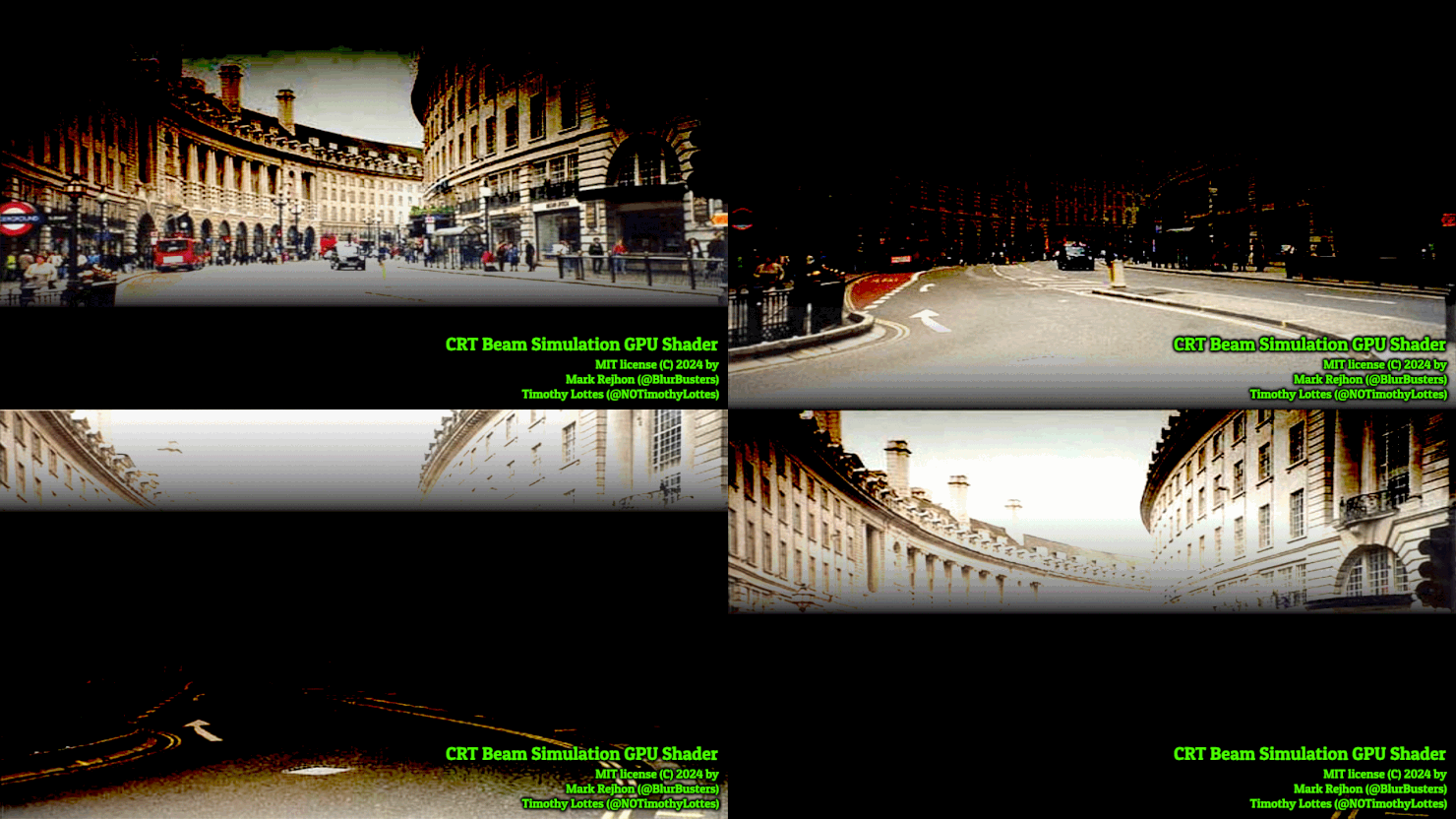
One of the most impactful additions in RetroArch 1.20.0 is the introduction of a sophisticated CRT beam simulation shader. This new shader, developed through a collaboration between Mark Rejhon of BlurBusters—a widely recognized authority on display technology and motion clarity—and Timothy Lottes, the acclaimed creator of the original FXAA shader and the popular crt-lottes shaders, represents a major leap in replicating authentic retro display characteristics. The shader leverages RetroArch’s recently implemented “subframe” shader capabilities, a cutting-edge technique designed to address longstanding challenges in motion clarity on modern flat-panel displays.
Traditional methods for improving motion clarity in emulation, such as Black Frame Insertion (BFI), have historically come with significant drawbacks. While BFI involves inserting a black frame between each rendered game frame to reduce persistence blur and simulate the impulse-driven nature of CRT displays, it often results in a noticeable reduction in brightness, dulled colors, and, critically, an increased risk of image persistence on certain LCD panel types. Image persistence, often mistaken for permanent screen burn-in, can leave temporary ghosting artifacts on the display, a concern for users of sensitive panels like OLEDs and even some LCDs.
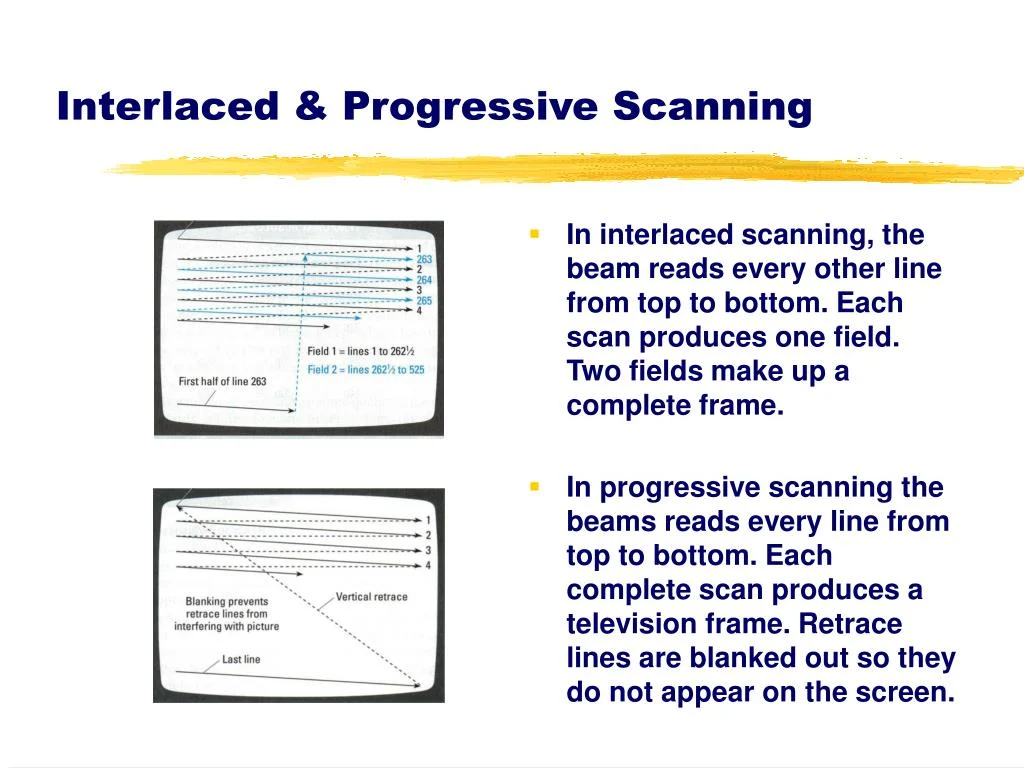
The new CRT beam simulation shader, by utilizing subframe rendering, elegantly sidesteps these issues. Instead of simply inserting a black frame, the subframe technique allows for more granular control over how pixels are refreshed and illuminated within a single frame’s display cycle. This advanced processing enables a more accurate simulation of the dynamic light output of a Cathode Ray Tube (CRT), where electron beams rapidly scan across the screen, briefly illuminating phosphors. The result is a dramatic improvement in perceived motion clarity, providing a visual experience remarkably close to that of original CRT monitors, but without the inherent compromises of BFI. This innovation is particularly significant for retro gaming enthusiasts who strive for the most authentic visual presentation of classic titles on contemporary hardware. Mark Rejhon’s expertise from BlurBusters, a platform dedicated to maximizing display motion clarity, combined with Timothy Lottes’s profound understanding of shader technology, has created a solution that truly bridges the technological gap between vintage and modern displays. For a more detailed technical explanation, users are directed to a dedicated article outlining RetroArch’s support for the BlurBusters CRT Beam Racing Simulator Shader.
Illuminance Sensor Support for Enhanced Game Immersion
Another pioneering feature arriving with RetroArch 1.20.0 is the introduction of illuminance sensor support for Linux, spearheaded by developer Jesse Talavera. This innovative integration allows users to play games that originally relied on ambient light sensors, such as the Boktai series on the Game Boy Advance, with real-world light data. The Boktai games, known for their unique gameplay mechanic where players had to charge their in-game weapon by exposing the Game Boy Advance’s solar sensor to actual sunlight, presented a significant challenge for emulation. Prior to this update, emulated versions often relied on virtual sliders or manual input to simulate light levels, detracting from the original immersive experience.
The implementation of illuminance sensor support directly addresses this challenge, enabling a more authentic and interactive gameplay experience. Jesse Talavera demonstrated this functionality with a clip of Lunar Knights (a spiritual successor to Boktai) running on a Steam Deck, showcasing how adjusting the ambient light in the room directly impacted the game’s mechanics. This feature is particularly exciting for the thriving community of Steam Deck users, as the portable nature of the device makes it an ideal platform for leveraging real-world environmental inputs.
This development not only enhances the playability of specific titles but also represents a broader step forward in preserving the unique hardware-dependent gameplay mechanics of classic systems. The ability to integrate external sensors opens up new avenues for emulation fidelity, ensuring that the complete creative vision of game developers from past eras can be experienced by modern audiences. Looking ahead, the development team has indicated that the melonDS DS core’s next update will include solar sensor support, alongside other enhancements. Furthermore, camera support for additional platforms is also anticipated shortly after the 1.20.0 release, promising even greater interactivity and immersion for a wider range of emulated experiences. This commitment to hardware-level emulation highlights RetroArch’s dedication to comprehensive digital preservation.
General Enhancements and Ongoing Development
While the full changelog for RetroArch 1.20.0 details a multitude of specific improvements, bug fixes, and performance optimizations across various cores and platforms, the core philosophy of continuous improvement remains central. RetroArch, as a universal frontend, integrates hundreds of "cores" – essentially specialized emulators or game engines – each developed by different teams and individuals. Maintaining compatibility, optimizing performance, and ensuring a seamless user experience across this vast ecosystem is an ongoing and complex undertaking.
Typical updates often include:
- Performance Optimizations: Enhancements to rendering pipelines, input latency reduction, and CPU/GPU utilization for smoother gameplay, especially on lower-end hardware or for more demanding emulated systems.
- User Interface and Experience (UI/UX) Improvements: Refinements to the menu system, navigation, accessibility features, and overall visual presentation to make the application more intuitive and user-friendly.
- Platform-Specific Fixes: Addressing bugs or optimizing performance for particular operating systems (Windows, macOS, Linux, Android, iOS, various consoles) and hardware configurations.
- Core Updates: Integration of newer versions of various emulator cores, bringing their own improvements, bug fixes, and enhanced compatibility with game libraries.
- Backend Infrastructure: Updates to video drivers, audio drivers, input drivers, and networking components to ensure stability and compatibility with modern system architectures.
- Shader System Enhancements: Beyond the subframe innovation, general improvements to the shader system’s flexibility, performance, and compatibility.
The omission of a detailed changelog in the immediate announcement typically precedes the full release notes which enumerate these granular improvements, reflecting the ongoing, iterative nature of open-source software development. Each update builds upon previous versions, refining existing features and laying the groundwork for future innovations.
The Broader Impact and Future Trajectory
RetroArch’s continuous development, exemplified by the 1.20.0 release, has profound implications for digital game preservation and accessibility. By providing a unified, feature-rich platform, it democratizes access to historical video games, allowing new generations to experience titles that might otherwise be lost to time or inaccessible due to outdated hardware. The project’s commitment to open-source principles fosters a collaborative environment where developers worldwide contribute to its evolution, ensuring its adaptability and longevity.
The introduction of features like advanced shader techniques and real-world sensor integration pushes the boundaries of what is possible in emulation. It’s no longer just about getting a game to run; it’s about recreating the nuanced experience of playing on original hardware, including visual fidelity, responsive controls, and even environmental interactions. This dedication to authenticity is crucial for preserving the artistic and historical context of video games.
Looking ahead, the trajectory for RetroArch seems to involve deeper integration with external hardware, further refinement of visual and audio fidelity, and continued expansion of its core library. The ongoing work on camera support, for instance, hints at potential future applications for augmented reality elements or motion-controlled gameplay within emulated environments. As technology advances, RetroArch aims to remain at the forefront, adapting to new hardware and software paradigms while staying true to its mission of open-source, user-centric preservation.
The success and sustained development of RetroArch remain intrinsically linked to its community. The project’s reliance on voluntary contributions, both financial and developmental, highlights the power of collective effort in the open-source world. In an era where many software projects lean heavily on subscription models or data monetization, RetroArch stands as a beacon of an alternative, community-driven approach, proving that high-quality, innovative software can thrive through the direct support and belief of its users. The release of RetroArch 1.20.0 is not merely an update; it is a reaffirmation of this ethos, delivering substantial advancements that will undoubtedly enrich the retro gaming experience for countless enthusiasts worldwide.