Cecilia Chamidah Nur
The retro gaming community witnessed a significant week of developments as hardware enhancements, ambitious crowdfunding projects, and crucial preservation efforts continued to shape the landscape of classic entertainment. From major updates to high-end video upscalers and the potential for online play on a 16-bit console, to unexpected entries from tech giants and the uncovering of lost prototypes, the period leading up to May 24th, 2026, underscored the enduring vitality and forward momentum within the retro gaming sphere. Key highlights include a substantial upgrade for the RetroTink 5X, the launch of the MegaWiFi addon for the Sega Genesis/Mega Drive, and hints of a new EverDrive for the notoriously expensive Neo Geo AES, alongside intriguing new hardware from Lenovo and Atari.
RetroTink 5X Receives Significant "Quasi-4K" and HDR10 Update
In a notable move demonstrating ongoing commitment to its product line, Mike Chi, the creator behind the acclaimed RetroTink series of video upscalers, has released a substantial firmware update for the RetroTink 5X. This update introduces "Quasi-4K" output capabilities and HDR10 support, features previously exclusive to its more advanced and pricier successor, the RetroTink 4K. The RetroTink 5X, lauded since its initial release as a cornerstone device for connecting vintage gaming consoles to modern high-definition displays, faced some overshadowing with the advent of the 4K model, which offered native 4K scaling and enhanced processing power.
However, Chi’s decision to "back-port" these advanced functionalities to the 5X is a significant development. For enthusiasts, this means the 5X, which typically retails at a more accessible price point than the 4K, now offers a remarkably enhanced visual experience without requiring an upgrade to the flagship model. The "Quasi-4K" designation implies a highly effective scaling solution that approximates 4K resolution, providing sharper pixels and improved clarity for retro games on contemporary ultra-HD televisions. The addition of HDR10 support further elevates the visual fidelity, allowing for a broader range of colors and greater contrast, bringing a modern cinematic quality to classic 8-bit, 16-bit, and 32-bit titles. This strategic update is expected to significantly extend the lifespan and perceived value of the RetroTink 5X, reinforcing its position as a top-tier solution for retro video signal processing and ensuring that a wider segment of the retro gaming community can enjoy high-quality output.
MegaWiFi Addon Brings Online Play to the Sega Genesis/Mega Drive
A groundbreaking crowdfunding campaign has commenced for the MegaWiFi Addon, a peripheral designed to introduce online multiplayer capabilities to the venerable Sega Genesis/Mega Drive console. This innovative device, currently featured on Kickstarter, promises to bridge the technological gap of nearly three decades, allowing Sega’s iconic 16-bit system to connect to the internet for competitive play. The Kickstarter video prominently showcases a custom port of Namco’s classic arcade title, Battle City, demonstrating the addon’s functionality in facilitating online matches.
The Sega Genesis/Mega Drive, released in 1988 in Japan and 1989 in North America, predated widespread consumer internet access by many years, with its multiplayer experiences typically confined to local couch co-op. The MegaWiFi Addon, developed by a dedicated team, represents a significant community-driven effort to expand the console’s capabilities beyond its original design parameters. This project taps into a growing trend within the retro gaming community to enhance classic hardware with modern connectivity, providing new ways to experience beloved titles. The potential implications are vast, as developers and enthusiasts could create or adapt existing games for online play, fostering a renewed sense of competition and community around a console that has long been a staple of retro collections. Success of this campaign could inspire similar projects for other vintage consoles, further blurring the lines between classic and contemporary gaming experiences.
Neo Geo AES Might Receive EverDrive Flash Cart Treatment
Krikzz, the renowned developer behind the popular EverDrive series of flash cartridges, has announced that he is "considering" the production of an EverDrive for the Neo Geo Advanced Entertainment System (AES). The Neo Geo AES, known for its exorbitant price tag upon release and its status as the "Rolls-Royce" of home consoles, offered arcade-perfect ports of SNK’s celebrated fighting games and action titles. However, its original cartridges were prohibitively expensive, making its extensive library largely inaccessible to most gamers.
An EverDrive for the AES would be a monumental development for the system’s enthusiasts. These flash carts allow users to load ROM images of games onto a single cartridge, providing instant access to an entire console’s library without the need for multiple, costly physical cartridges. Krikzz, known for his high-quality and reliable EverDrive products across various consoles, stated that if he proceeds with development and production, the device could be available by the end of the current year. This prospect has generated considerable excitement, as it would democratize access to the Neo Geo AES library, significantly lowering the barrier to entry for collecting and playing games on the console. It would also serve as a crucial tool for game preservation, ensuring that the full breadth of the AES’s catalog remains playable for future generations, irrespective of the fluctuating market value of original cartridges.
Sega Rally Nintendo DS Prototype Discovered and Documented
A significant find for video game history and preservation has emerged with the publication of footage showcasing a prototype of Sega Rally for the Nintendo DS. The footage was released by Prototopia, formerly known as Obscure Gamers, a dedicated game preservation group committed to unearthing and archiving unreleased or early versions of video games. This particular prototype was developed by DC Studios and was reportedly created as a pitch demo for Sega, aiming to secure development rights for a Sega Rally title on Nintendo’s dual-screen handheld.
Alongside the Sega Rally footage, Prototopia also shared a separate pitch demo from the same studio, focusing on street racing. These discoveries offer invaluable insights into the development process of console games and the often-unseen negotiations between developers and publishers. Sega Rally, with its rich arcade heritage and reputation as a premier racing franchise, would have been a significant addition to the DS library. While the game ultimately did not materialize in this form, the prototype footage provides a rare glimpse into what could have been. Such preservation efforts are vital for documenting the industry’s history, understanding technological limitations and creative decisions of the time, and ensuring that potential lost works are made available for scholarly and enthusiast review.
Lenovo Confirms G02 Emulation Handheld Amidst Copyright Concerns
Eyebrows were raised recently when an inexpensive emulation handheld, priced at approximately $63 and pre-loaded with numerous ROMs, appeared on AliExpress bearing the Lenovo brand. Lenovo, a Hong Kong-based multinational technology company renowned as one of the world’s largest personal computer vendors, is not typically associated with such budget-friendly, pre-loaded emulation devices. The unexpected appearance prompted speculation regarding the authenticity of the product and Lenovo’s involvement.
Further investigation by technology reviewers, including those at Retro Dodo, confirmed that the Lenovo G02 handheld is indeed an official product, despite its low price point and the controversial inclusion of copyrighted ROMs. Review units ordered by Retro Dodo arrived pre-loaded with hundreds of games, a common practice among many Chinese-manufactured emulation devices, but one that operates in a legally ambiguous area concerning intellectual property rights. While these devices are popular among consumers seeking convenient access to retro game libraries, the official endorsement by a major brand like Lenovo raises significant questions. This move marks an intriguing, if ethically complex, entry by Lenovo into the booming retro gaming handheld market, a segment currently dominated by companies like Anbernic, Miyoo Mini, and more premium offerings from Ayaneo and Valve’s Steam Deck. The company’s decision to launch such a product with pre-loaded copyrighted content could have broader implications for how established tech brands navigate the often-grey legal landscape of emulation hardware.
New Atari Trademark Application Hints at 800XL Hardware Refresh
The modern iteration of Atari has continued its strategy of leveraging its iconic brand through a series of revived games and new hardware releases, often in collaboration with partners like Retro Games Ltd and My Arcade. Following successful ventures such as the Atari GameStation Go and the Atari 400 Mini, the company appears to be laying the groundwork for another nostalgic hardware revival.
Atari has recently filed a trademark application for the "800XL," explicitly noting its relation to ‘home video game machines.’ The Atari 800XL was a prominent model in Atari’s line of 8-bit home computers, originally released in 1983. These computers were significant for their advanced graphics and sound capabilities for the era, preceding the mainstream adoption of console gaming in many households and fostering a vibrant community of programmers and gamers. The trademark application strongly suggests that Atari plans to release a new hardware product centered around the 800XL, potentially a miniature console similar to the 400 Mini, or perhaps a more ambitious recreation of the original computer. This initiative aligns with Atari’s ongoing efforts to capitalize on its legacy and appeal to both veteran enthusiasts and a new generation of gamers interested in the origins of personal computing and video games. The move signifies a continued commitment to reintroducing classic Atari platforms to the modern market, solidifying its position within the retro hardware revival trend.
DSpico: An Insanely Cheap Open-Source Nintendo DS Flash Cart Becomes Essential
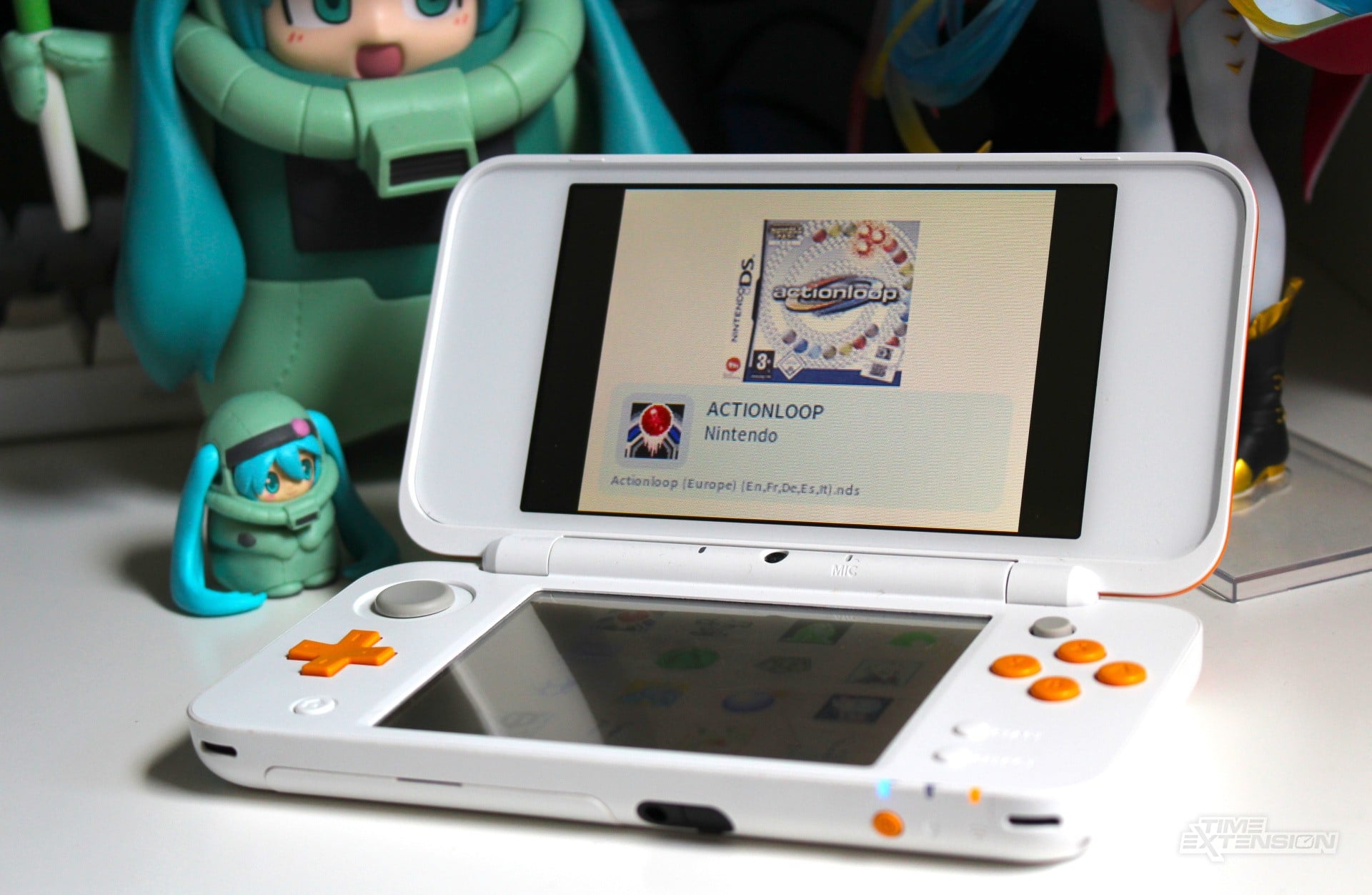
A new contender has emerged in the realm of Nintendo DS flash cartridges, quickly earning a reputation as an essential piece of kit for enthusiasts: DSpico. Developed by the LNH team, DSpico distinguishes itself through its open-source nature, a significant departure from many proprietary and often legally dubious flash carts of the past, such as the infamous R4 series. DSpico comprises both a dedicated DS flash cart and an accompanying app launcher, with the latter notably compatible with many existing flash carts, offering versatility to users who may already own similar hardware.
The open-source philosophy behind DSpico is its most compelling feature. This means that its code is freely available for examination, modification, and improvement by the community. This transparency fosters trust, allows for continuous development and bug fixes, and mitigates concerns about hidden functionalities or potential security risks often associated with closed-source alternatives. For the Nintendo DS and DS Lite communities, DSpico represents a legitimate and robust platform for homebrew applications, game backups, and fan translations. Its affordability, combined with the power of community-driven development, positions DSpico as a highly recommended tool for preserving and enhancing the Nintendo DS gaming experience, offering a responsible and future-proof alternative for accessing the console’s vast library.
Feature: Investigating the Origin of Resident Evil’s "Mr. X" Nickname
A deeper dive into the cultural phenomena surrounding iconic video game characters has explored the curious origin of "Mr. X," the universally adopted fan nickname for the T-00 Tyrant from Resident Evil 2. This investigation stemmed from a casual comment received during a previous Resident Evil-related story, highlighting how organic community discourse can shape game lore and terminology.
The T-00 Tyrant, a relentless bioweapon pursuing players throughout Raccoon City’s police station, was designed to evoke dread and constant pressure. While officially designated T-00, the moniker "Mr. X" became a shorthand among players, reflecting his enigmatic, unstoppable presence. This phenomenon is not unique to Resident Evil, as fan communities frequently create nicknames for characters or elements within games that resonate with their collective experience. The investigation delves into how such a nickname gains traction, spreads through forums and social media, and ultimately becomes an inseparable part of a character’s identity, even without official endorsement. It underscores the powerful role of player communities in shaping the narrative and cultural impact of video games, demonstrating how a simple, descriptive nickname can become an iconic identifier that transcends official designations.
The Ongoing Evolution of Retro Gaming
This past week’s developments collectively paint a vivid picture of a retro gaming landscape that is anything but static. Instead, it is a dynamic ecosystem driven by technological innovation, community passion, and a growing recognition of gaming history’s importance. From sophisticated video upscalers breathing new life into classic visuals, to ambitious projects enabling online play on vintage hardware, and critical efforts in game preservation, the retro gaming movement continues to evolve. The entry of major brands like Lenovo, albeit with some controversy, and Atari’s consistent efforts to refresh its legacy, further indicate the mainstream appeal and economic viability of this niche. As hardware becomes more capable and communities more connected, the line between past and present in gaming continues to blur, promising an even richer future for the exploration and enjoyment of classic titles.