Cecilia Chamidah Nur
Japanese independent developer BeXide has officially announced plans to port KAZe Co., Ltd.’s acclaimed 1995 pinball classic, Digital Pinball: Last Gladiators, to a range of contemporary platforms later this year. The eagerly anticipated re-release will bring the vintage title to Nintendo Switch, the anticipated Nintendo Switch 2, PC, and Mac, introducing a crucial new online ranking feature to its competitive gameplay. This initiative marks a significant moment for fans of classic arcade simulations and digital preservation, as the game makes its return nearly three decades after its original debut on the Sega Saturn. The announcement, initially reported by 4Gamer and Denfaminicogame, has ignited considerable interest within the retro gaming community, underscoring the enduring appeal of well-crafted vintage titles.
A Classic Reborn: The Legacy of Last Gladiators
Digital Pinball: Last Gladiators stands as a seminal entry in the pantheon of 1990s pinball simulators, a genre that flourished as developers sought to replicate the tactile thrill of physical pinball tables within the digital realm. KAZe Co., Ltd., the original developer, was a prolific studio during this era, known for its commitment to high-fidelity pinball experiences. Beyond Last Gladiators, their portfolio includes its direct sequel, Necronomicon, and earlier titles for the Super Famicom/SNES such as Super Pinball: Behind the Mask and Super Pinball 2: The Amazing Odyssey. These games were instrumental in defining the digital pinball landscape of their time, offering complex table designs, realistic physics, and immersive audio-visual presentations that pushed the boundaries of 16-bit and 32-bit console capabilities.
The original Digital Pinball: Last Gladiators was particularly notable for its release on the Sega Saturn, a console that, despite its intense rivalry with the PlayStation, garnered a dedicated fanbase for its unique architecture and strong lineup of arcade-perfect ports and niche titles. Pinball simulators like Last Gladiators showcased the Saturn’s graphical prowess, particularly its ability to handle detailed 2D sprites and full-motion video (FMV) sequences, which were cutting-edge at the time. The game quickly established a reputation for its challenging gameplay and distinctive aesthetic, solidifying its place as a cult classic among pinball aficionados.
The Visionary Behind the Flippers: Norio Nakagata’s Quest
At the helm of Digital Pinball: Last Gladiators‘s development was Norio Nakagata, a figure whose contributions to the gaming industry span both music composition and game direction. A former Namco composer, Nakagata served as KAZe’s head of development, bringing a unique blend of artistic sensibility and technical expertise to the project. Nakagata openly identified himself as a member of the "pinball generation," a cohort deeply influenced by the golden age of arcade pinball. His personal mission, as he articulated, was to "find a way to bring pinball into the home," thereby democratizing an experience often confined to arcades and entertainment venues.
This ambition drove KAZe’s approach to Last Gladiators. Nakagata and his team aimed not just to simulate pinball, but to elevate it, integrating elements that were uniquely possible in a digital format. This included the use of elaborate FMV visuals and sophisticated audio, which were consciously produced overseas. This strategic decision was made with a clear objective: to enhance the game’s appeal to a Western market, where pinball maintained a significantly stronger cultural foothold and commercial presence compared to Japan. The investment in international production for these elements highlighted KAZe’s global aspirations for the title, a forward-thinking approach for a Japanese developer in the mid-90s.
Crafting the Sound: Doug Aldrich and the Heavy Metal Soundtrack
A key component of Last Gladiators‘s international appeal and distinctive identity was its heavy metal soundtrack. To achieve this, KAZe brought in American hard rock guitarist Doug Aldrich as one of the game’s music producers. In the mid-1990s, Aldrich was primarily recognized for his work with bands such as Lion and Bad Moon Rising, having already established a formidable reputation in the hard rock and metal scenes. His involvement was a testament to KAZe’s dedication to authenticity and their understanding of what resonated with Western audiences.
Aldrich, alongside Emi Akimoto and Yusuke Takahama (who also composed the soundtrack with Naoto Shibata), crafted a score that perfectly complemented the game’s high-octane action and fantastical themes. The decision to employ a prominent Western rock musician for the soundtrack was groundbreaking for a Japanese pinball simulator, injecting an energetic, driving force into the gameplay that was distinct from many of its contemporaries. This collaboration underscored the game’s cross-cultural ambitions and contributed significantly to its memorable atmosphere, making the intense flipper action feel even more visceral and engaging.
Thematic Depth: Interdimensional Battles on Four Tables
Beyond its technical and auditory achievements, Digital Pinball: Last Gladiators was lauded for its imaginative thematic content. Norio Nakagata described the overarching theme as "a battle between interdimensional warriors," a narrative framework that allowed for immense creative freedom in table design. The game originally featured four distinct tables, each meticulously crafted with unique visual aesthetics, challenging layouts, and thematic elements that contributed to the grand interdimensional conflict.
These tables included:
- A Roman-themed setting: Evoking the grandeur and gladiatorial combat of ancient Rome, featuring classical architecture and historical motifs.
- A scene depicting a knight of roses and a princess: A more fantastical, romanticized medieval setting, possibly hinting at a quest or a heroic rescue.
- A table based on a battle in the "Eastern world": Introducing cultural diversity and martial arts aesthetics, providing a stark contrast to the Western-inspired themes.
- A final table modelled after an interdimensional being named Warlock: The ultimate challenge, representing the cosmic antagonist of the game’s narrative, likely featuring otherworldly and menacing designs.
Each table offered a unique set of challenges, bonus objectives, and visual flair, ensuring high replayability and keeping players engaged with the overarching "interdimensional warriors" concept. This thematic richness set Last Gladiators apart from more generic pinball simulators, imbuing it with a narrative depth rarely seen in the genre.
Technical Resurrection: Source Code Port vs. Emulation
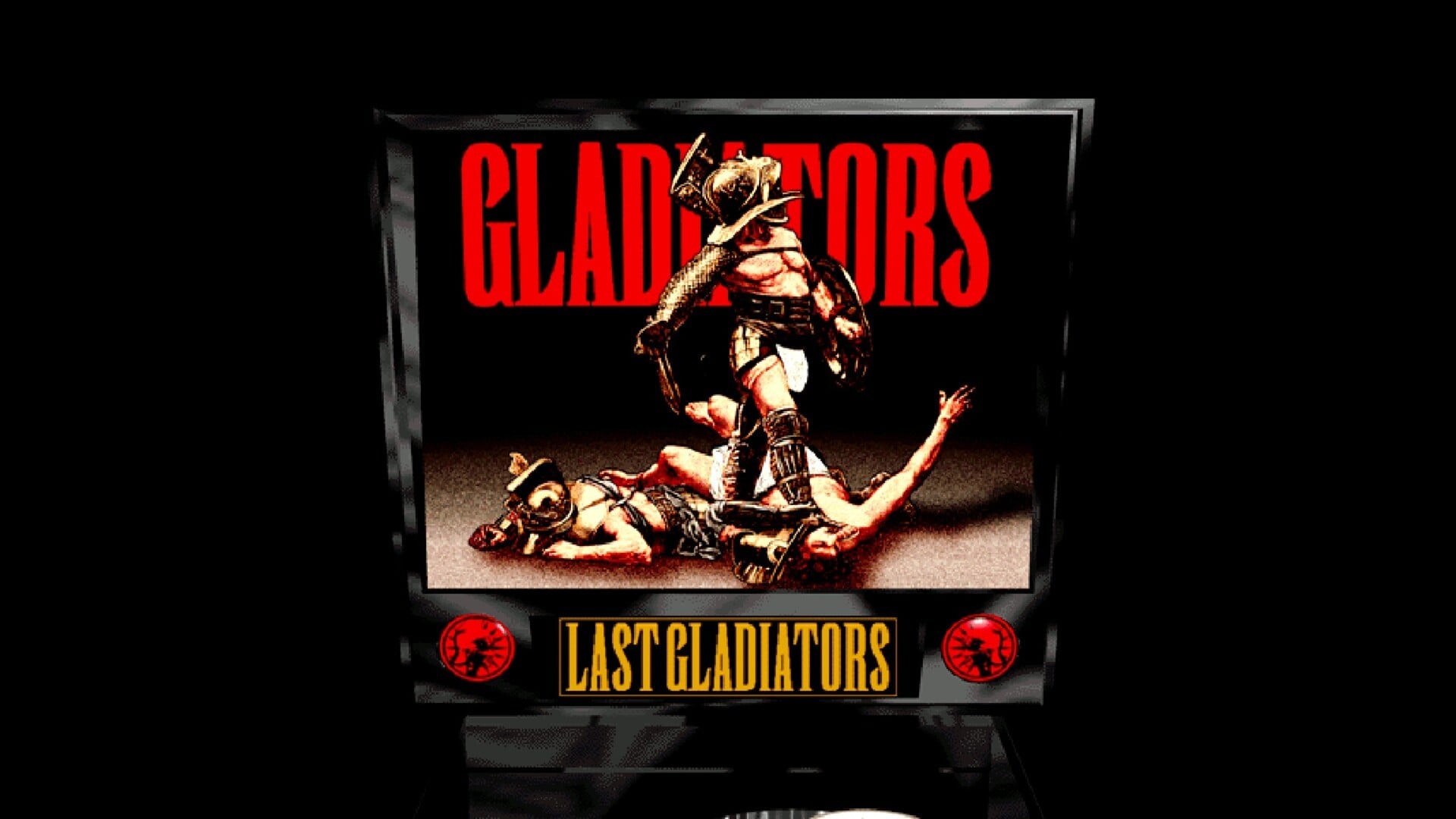
One of the most significant revelations from BeXide’s announcement pertains to the technical approach for this modern re-release. Unlike many retro game re-releases that rely on emulation, this new version of Digital Pinball: Last Gladiators will be a direct port from the game’s original source code. Specifically, it will be based on the 1997 update, Ver9.7. This is a critical distinction that holds profound implications for the quality and authenticity of the final product.
Emulation, while a common and often effective method for bringing older games to new platforms, involves running a software layer that mimics the original hardware. While convenient, it can sometimes introduce inconsistencies, input lag, or graphical glitches if not meticulously handled. A source code port, on the other hand, involves rebuilding the game directly from its original programming instructions for the new target platforms. This process allows developers to optimize performance, integrate native features of modern systems (such as higher resolutions, frame rates, and advanced rendering techniques), and address any long-standing bugs or technical limitations present in the original release.
The fact that KAZe Co., Ltd. "miraculously held on to" the source code for Ver9.7 is indeed remarkable. Source code for many older games has been lost to time, defunct storage media, or company dissolutions, making direct ports impossible. Its preservation speaks to KAZe’s foresight or perhaps sheer luck, and it provides BeXide with an invaluable foundation for creating a definitive modern version of the game. This approach promises a much more faithful, stable, and polished experience, leveraging the original developers’ intent while harnessing the power of contemporary hardware.
Modern Enhancements: Online Rankings and Optimized Controls
Beyond the foundational technical approach, BeXide’s port will introduce several key enhancements designed to modernize the Last Gladiators experience for a new generation of players and rekindle competitive spirit among veterans. Chief among these is the inclusion of online rankings. Pinball, at its core, is a game of high scores and competitive prowess. The original game, like most titles of its era, was limited to local scoreboards. The addition of online rankings transforms this experience, allowing players worldwide to compete for global supremacy on each of the four tables. This feature significantly extends the game’s longevity and replayability, fostering a vibrant community around the title.
Furthermore, the port will feature "optimized controls." This enhancement is crucial for ensuring that the game plays smoothly and responsively across diverse modern input devices. Original console games often had control schemes tailored to specific gamepads. For PC, Mac, and Switch, BeXide will likely fine-tune input mapping, responsiveness, and perhaps offer customization options to cater to various preferences, ensuring that the critical precision required for pinball is maintained or even improved. This optimization is vital for delivering a satisfying and authentic pinball experience on platforms unforeseen during the game’s initial development.
Anticipation Builds: BitSummit PUNCH and Future Prospects
While a definitive release date for Digital Pinball: Last Gladiators has yet to be shared, the anticipation for its launch is steadily building. BeXide has confirmed that the game will be playable at BitSummit PUNCH, a prominent independent game development festival held at the Kyoto International Exhibition Hall in the Miyako Messe convention center from May 22nd to 24th. This event serves as an early showcase, offering attendees a hands-on preview of the revitalized classic. As an incentive, those who try the game at BitSummit PUNCH will receive an exclusive original postcard, a gesture that blends retro charm with modern promotional tactics.
The decision to feature the game at BitSummit PUNCH highlights its appeal to both indie game enthusiasts and retro gaming fans, positioning it as a significant re-release. Public demonstrations at such events provide invaluable feedback for developers and generate crucial buzz ahead of a full launch. Concurrently, a Steam page for Digital Pinball: Last Gladiators is already live, allowing interested players to wishlist the title. Wishlisting is a vital metric for developers on PC platforms, signaling player interest to retailers and helping to boost visibility upon release.
The Broader Context: Retro Gaming’s Enduring Appeal
The revival of Digital Pinball: Last Gladiators is indicative of a broader trend within the video game industry: the surging demand for retro titles on modern platforms. This phenomenon is driven by several factors. For older players, it offers a powerful dose of nostalgia, allowing them to revisit cherished memories and experiences from their youth. For newer generations, it provides an opportunity to discover influential classics that shaped the industry and understand gaming’s historical evolution.
Moreover, the accessibility of digital storefronts on platforms like the Nintendo Switch, PC, and Mac has made it easier than ever for developers to bring older games to a wider audience. This has led to a proliferation of remasters, remakes, and direct ports, catering to a diverse demographic eager to explore gaming’s rich past. The "Switch 2" mention also signals a forward-looking strategy, ensuring the game’s longevity on future hardware and potentially expanding its reach even further as new console generations emerge.
Implications for Digital Preservation and Future Releases
The successful porting of Digital Pinball: Last Gladiators from its original source code carries significant implications for digital preservation. The act of retaining and utilizing source code for older titles is a monumental task, often hampered by technological obsolescence, corporate mergers, or simply the passage of time. KAZe’s ability to safeguard Ver9.7‘s source code sets a commendable precedent and demonstrates the potential for more accurate and robust re-releases compared to emulation-based approaches.
This project could also pave the way for other KAZe titles, such as Necronomicon or the Super Pinball series, to receive similar treatment. If Last Gladiators proves to be a commercial and critical success, it may encourage BeXide or other studios to delve deeper into KAZe’s catalog, resurrecting more forgotten classics with the same dedication to authenticity and modern enhancements. The move reinforces the idea that well-designed games, regardless of their age, can find new life and relevance in the contemporary gaming landscape, provided they are handled with care and respect for their original vision. The confluence of historical significance, technical fidelity, and modern features positions Digital Pinball: Last Gladiators not merely as a nostalgic re-release, but as a definitive version poised to captivate both seasoned pinball wizards and newcomers alike.