Cecilia Chamidah Nur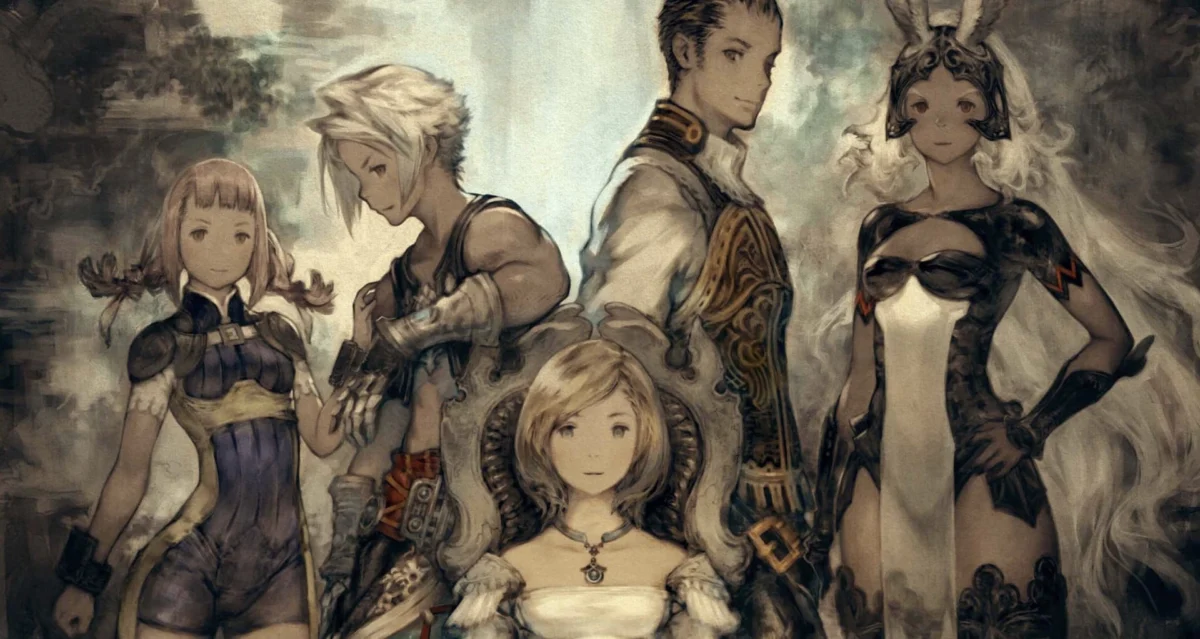
In a recent wave of digital archaeology and technical prowess, the retro gaming community has witnessed an unprecedented surge in fan-made ports, bringing iconic titles to consoles they were never originally intended for. This phenomenon, while celebrated by many as a testament to engineering skill and passion, has also drawn criticism, with some observers labeling these endeavors as "pointless" or a "waste of time." However, two prominent figures within this vibrant homebrew scene, Falco Girgis and "infidelity," have robustly defended their work, emphasizing personal validation and the intrinsic joy of creation over external critique. Their statements illuminate a fascinating debate at the intersection of technical achievement, artistic expression, and community perception within the world of retro gaming.
The Unofficial Porting Phenomenon: A Testament to Technical Skill
The past few years have seen a remarkable proliferation of unofficial game ports, transforming the landscape of retro gaming. Highly ambitious projects have successfully demonstrated games like Hideo Kojima’s seminal Metal Gear Solid running on the Sega Saturn, Konami’s gothic masterpiece Castlevania: Symphony of the Night reimagined for the Sega Mega Drive, and even Rockstar’s sprawling urban epic Grand Theft Auto III being showcased on the Sega Dreamcast. Beyond these, the fighting game classic Virtua Fighter 4 has been teased on the Dreamcast, alongside numerous other titles making their way to platforms once considered technically incompatible or simply overlooked for official releases.
These projects are not mere curiosities; many represent significant feats of reverse engineering, custom toolchain development, and deep understanding of console architecture. While some remain tech demos, illustrating proof-of-concept rather than fully playable experiences, they invariably stem from the efforts of exceptionally talented individuals and teams. The dedication required to dissect proprietary code, adapt it to a foreign hardware environment, and overcome countless technical hurdles underscores the profound skill sets possessed by these developers. Their work often involves creating custom renderers, memory managers, and even re-implementing core game logic to function on the target system, a process that can span hundreds, if not thousands, of hours.
The Spark of Controversy: A "Creative Abyss" Accusation
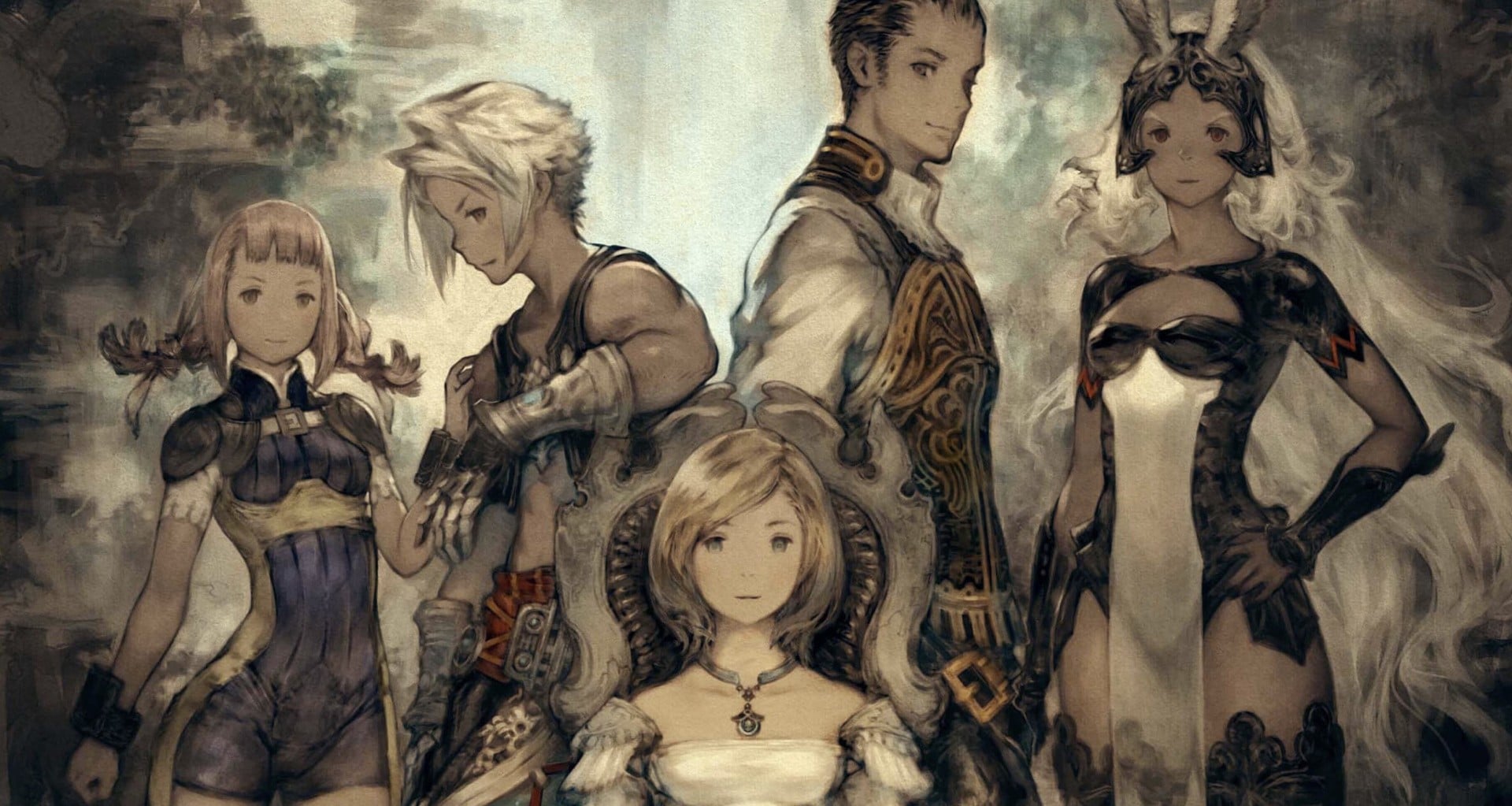
The recent public discourse erupted following a specific development in the Dreamcast homebrew scene. Esppiral, another highly regarded developer, shared footage showcasing an ambitious project to get the PlayStation 2 version of Final Fantasy XII running on the Sega Dreamcast. This demonstration, while technically impressive, prompted a user on X (formerly Twitter), identified as Spiders_STG, to provocatively describe the homebrew scene as a "creative abyss." This comment struck a nerve, particularly with developers who invest significant personal time and resources into these intricate projects.
The accusation of pointlessness is not new to the homebrew community, but its public articulation often reignites a broader debate about the value of such endeavors. Critics often argue that with modern emulation readily available across various platforms, and many classic games receiving official remasters or re-releases, the effort to port them to technically inferior or less accessible retro hardware is redundant. They might suggest that such talent could be better directed towards creating original homebrew titles or contributing to more "useful" software development.
Developers Respond: Validation from Within
The "creative abyss" comment served as a catalyst for Falco Girgis, a renowned Dreamcast expert, to articulate his perspective. Girgis, known for his work in bringing a multitude of titles to the Dreamcast, directly addressed the criticism on social media. He recounted a specific instance: "Someone said that our Sega Dreamcast ports were a pointless waste of time today and that nobody will play them."
In a poignant rebuttal, Girgis shared a photograph of his son engrossed in playing The Legend of Zelda: Ocarina of Time on a Sega Dreamcast. This image served as a powerful visual counter-argument to the notion of "pointlessness." Girgis elaborated on the personal significance of his work: "Meet my son, who was the first kid to ever play Mario 64, Doom 64, Mario Kart 64, Starfox 64, Sonic Mania, Grand Theft Auto 3 and Vice City, and now The Legend of Zelda: Ocarina of Time—some of my all-time favorite games from childhood—on my favorite console, the Sega Dreamcast, for his first play-throughs… and his little sister plays with us as well."
For Girgis, the joy and experience of his children playing these classic titles on his favorite console, often for their very first time, represents the ultimate form of validation. He unequivocally stated, "despite the fact that we actually do have a thriving homebrew scene of people playing and supporting us, I could not give less of a shit if anyone else plays them or appreciates the work… This is all the validation I need." This statement underscores a core tenet of many passion projects: the creator’s personal fulfillment often outweighs external praise or utility.
A Shared Sentiment: "Do Whatever Makes You Happy"
Girgis’s sentiments resonated deeply with infidelity, another prominent homebrew developer specializing in porting NES classics to the Super Nintendo Entertainment System (SNES). Infidelity has garnered significant recognition for his work, including successful ports of Mega Man and the original Castlevania to the SNES, often incorporating enhancements like rumble support.
Re-sharing Girgis’s post, infidelity offered his own corroborating perspective: "I’ve gotten the ‘pointless/waste/underwhelming/etc’ comments, with my NES to SNES ports over the past 5 years. Do whatever makes you happy, brings you joy. You can’t please everyone, not everyone will see eye to eye with you, with anything you do in life. If people like the work you do, that’s great, if not, well, that’s fine too. I’m a family man as well, and my kids have played every single port, and play them over their original NES versions, heh."
This echoed sentiment from two distinct corners of the homebrew community highlights a shared philosophy: the act of creation, the technical challenge, and the personal satisfaction derived from it are paramount. The "family man" aspect, where developers share their creations with their children, adds another layer of profound personal meaning, transforming these technical projects into cherished family experiences.

The Broader Implications: Defining Value in Digital Creation
The debate surrounding "pointless" ports touches upon fundamental questions regarding the value and purpose of creative and technical endeavors, particularly within a niche community like retro homebrew.
Arguments for the Value of Unofficial Ports:
- Technical Prowess and Learning: These projects serve as advanced exercises in computer science, reverse engineering, and low-level programming. Developers hone critical skills that are highly valued in various tech industries. The process often involves creating custom tools, understanding complex hardware limitations, and optimizing code in ways that push the boundaries of what was thought possible for a given system.
- Historical Curiosity and "What If" Scenarios: Unofficial ports allow enthusiasts to explore alternative timelines, imagining what it might have been like if a game had been released on a different platform. For example, The Legend of Zelda: Ocarina of Time on Dreamcast taps into a "what if Sega made a 64-bit console instead of Nintendo?" fantasy. This intellectual curiosity adds a rich layer to gaming history.
- Preservation and Documentation: While not official preservation, the deep dives into game code and hardware architecture required for porting often uncover new insights into how these games and consoles function. This knowledge can be invaluable for future emulation efforts, archival, and understanding the nuances of vintage technology.
- Community Building and Inspiration: The homebrew scene thrives on shared projects, discussions, and mutual support. These ambitious ports generate significant excitement, encourage aspiring developers, and foster a sense of collective achievement. They demonstrate the enduring passion within the retro gaming community.
- Artistic and Personal Expression: For many, these projects are pure passion. The satisfaction of overcoming a daunting technical challenge, seeing a favorite game run on a beloved console, or sharing that experience with family members constitutes a profound personal reward. This aligns with any artistic endeavor where the process and personal outcome are as significant as, if not more important than, external utility.
- Accessibility (Indirectly): While not the primary goal, sometimes these ports can offer new ways for people to experience games, especially if certain original hardware or official re-releases are prohibitively expensive or difficult to acquire.
Arguments Against (Critiques Re-examined):
- Redundancy: Critics often point out that most of these games are already available on their original platforms, via robust emulation on modern PCs, or through official re-releases on contemporary consoles. From a purely utilitarian perspective, creating a new, often less perfect, version on different hardware might seem redundant.
- Resource Allocation: The immense time and effort invested in porting a game could, theoretically, be channeled into creating entirely new homebrew games or other innovative projects that expand the library of retro consoles rather than replicating existing experiences.
- Performance and Compatibility: Unofficial ports often come with compromises. They might not run perfectly, exhibit graphical glitches, or lack certain features of the original, leading to a potentially inferior experience compared to official versions or high-quality emulation.
- Legal Grey Areas: These projects exist in a legal limbo, relying on the fact that they are non-commercial fan creations. However, they technically involve copyrighted material, raising potential concerns if they gain too much prominence or are monetized.
The Future of Homebrew: Passion Over Pragmatism
The ongoing dialogue sparked by Falco Girgis and infidelity underscores the fundamental motivations driving the homebrew community. It highlights that for many creators, the impetus is not necessarily to fulfill a market demand or achieve widespread utility, but rather to pursue personal passion, technical curiosity, and the sheer joy of creation. The validation derived from seeing their children engage with their work, or simply the satisfaction of having conquered a complex technical challenge, often serves as the most potent reward.
The vibrant ecosystem of retro gaming continues to evolve, fueled by a dedicated community of enthusiasts, developers, and preservationists. Social media platforms like X have become crucial arenas for showcasing these projects, fostering discussion, and occasionally igniting debates that delve into the philosophical underpinnings of digital creation. As technology advances and retro consoles become increasingly understood and accessible to skilled individuals, the unofficial porting scene is likely to continue flourishing, pushing the boundaries of what is possible and challenging conventional notions of "pointless" versus "purposeful" endeavors in the digital realm. The legacy of these developers will not solely be in the games they bring to new platforms, but also in the inspiration they provide and the profound personal stories embedded within their remarkable technical achievements.