 Indra Gunadi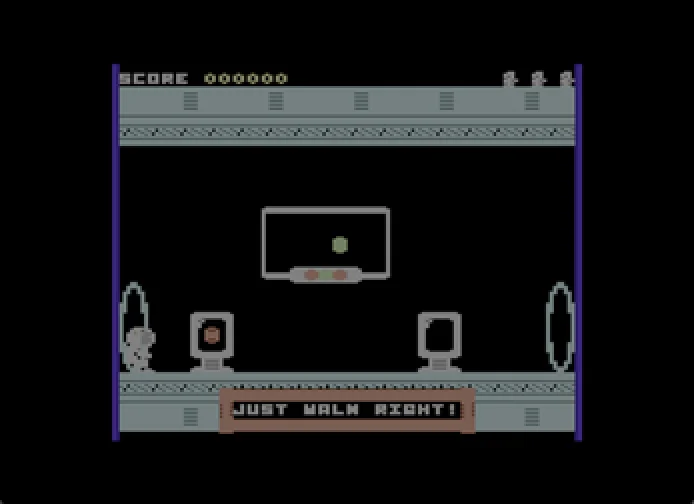
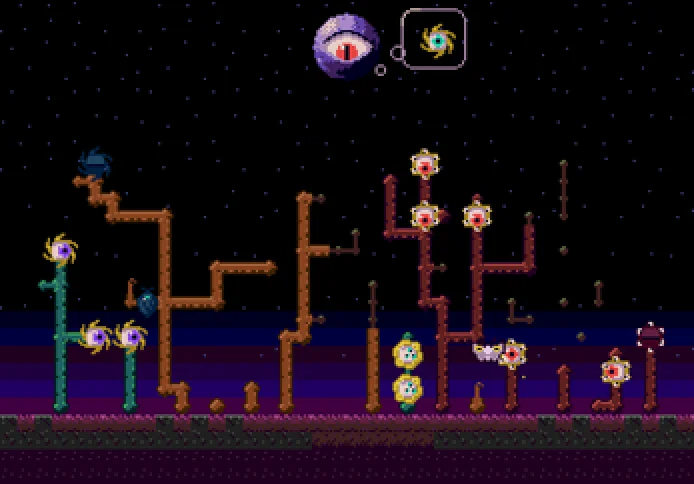
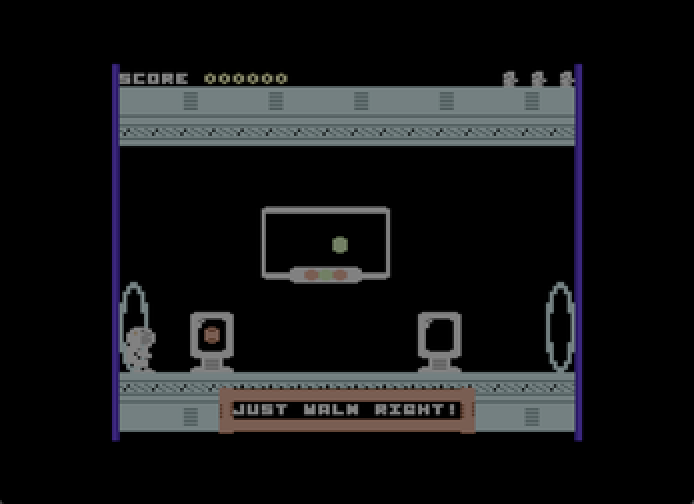
The Amstrad CPC platform, a cornerstone of the 1980s 8-bit home computing revolution, continues to see active software development in 2026, as evidenced by the recent release of Quantum Hop by Tonsomo Entertainment. This new title, a puzzle-oriented platformer, underscores the enduring appeal of the Zilog Z80-based architecture among modern hobbyists and independent developers. Released in October 2026, the game challenges players to navigate a series of twelve distinct screens, utilizing elevator mechanics and avoiding hazardous obstacles—specifically "mutant chickens"—to activate terminals and secure an exit portal.
The Evolution of Retro-Computing Development
The release of Quantum Hop is part of a broader phenomenon known as the "homebrew" scene, where developers create new content for systems that have long been discontinued by their original manufacturers. Amstrad, which launched the CPC (Colour Personal Computer) series in 1984, ceased hardware production in the early 1990s. Despite this, the community surrounding the platform has grown increasingly sophisticated.
Modern development for the Amstrad CPC often utilizes cross-compilation tools, allowing developers to write code on contemporary PCs and assemble it into machine-readable files for the Z80 processor. This methodology has lowered the barrier to entry, allowing small studios like Tonsomo Entertainment to produce titles that exceed the technical constraints typically associated with the platform’s original commercial era.
Game Mechanics and Design Philosophy
Quantum Hop follows a structured, puzzle-centric design philosophy. Spanning twelve levels, the game emphasizes spatial awareness and timing. The core loop requires the player to operate elevator systems to reach elevated platforms while dodging hostile entities. The "mutant chicken" enemies function as a primary obstacle, forcing the player to calculate movement patterns precisely.
The final objective of each screen—activating two terminals to manifest an escape portal—introduces a multi-stage goal structure. This design choice shifts the game from a simple reaction-based platformer to a strategic exercise. By limiting the scope to twelve screens, Tonsomo Entertainment has opted for a "quality over quantity" approach, ensuring that each level presents a unique configuration of obstacles rather than relying on procedural generation or excessive repetition.
The Amstrad CPC Hardware Context
To understand the significance of a 2026 release like Quantum Hop, it is necessary to examine the hardware constraints the developers must navigate. The Amstrad CPC typically featured 64KB of RAM and a screen resolution of 160×200 pixels in its 16-color mode. These limitations require developers to employ highly optimized assembly code to maintain a fluid frame rate while managing screen updates and sprite collisions.
The continued existence of such games serves as a stress test for modern emulators, such as WinAPE or SugarPi, which strive for cycle-accurate precision. When a new game is released, the community often evaluates it not only on gameplay merit but also on its technical compliance with the original machine’s architecture. By releasing on the Itch.io platform, Tonsomo Entertainment is utilizing modern digital distribution channels to bring retro-hardware software to a global audience, effectively bridging the gap between 1980s computing and 21st-century distribution.
Chronology of the 8-Bit Renaissance
The resurgence of interest in 8-bit systems is not a sudden trend but the culmination of a decade-long shift in digital preservation and enthusiast activity.
- 2014–2018: The "discovery" phase, where major archives like the CPC-Power database reached maturity, making documentation and source code easier to access.
- 2019–2022: The rise of specialized hardware interfaces, such as the M4 Board and various SD-card-based disk emulators, which allowed users to run new software on original, restored hardware without the need for fragile floppy disks.
- 2023–2026: The current "professionalization" era. Development tools like CPCRSLib and various C-to-ASM compilers have allowed independent studios to produce commercial-grade aesthetics that surpass the original software libraries of the 1980s.
Quantum Hop represents the current state of this timeline, where developers now possess the tools to create refined experiences that honor the limitations of the platform while providing the accessibility expected by modern gamers.
Broader Impact and Industry Implications
The release of Quantum Hop carries implications for both software preservation and the indie game market. First, it demonstrates that "obsolete" hardware remains a viable medium for creative expression. For many developers, the challenge of working within the constraints of a Z80 processor is an attractive intellectual exercise that fosters innovation.
Second, the economic model for these releases has shifted. Unlike in the 1980s, where physical distribution through retailers was mandatory, the current model relies on "pay-what-you-want" or fixed-price digital downloads. This eliminates the overhead costs of manufacturing, packaging, and logistics, allowing projects with niche appeal to remain financially sustainable.
Furthermore, the longevity of these games depends on the stability of the software environment. As long as emulators are maintained and the community continues to share documentation, titles like Quantum Hop will remain playable indefinitely. This stands in contrast to many contemporary mobile games, which may become unplayable within a few years due to server closures or compatibility updates.
Community Reception and Technical Analysis
While specific sales figures for independent retro titles are rarely disclosed, community engagement—measured by forum activity on platforms like the CPCWiki—suggests a stable and dedicated user base. Analysis of the game’s footprint indicates that Quantum Hop is optimized to run on all standard CPC models, including the 464, 664, and 6128 variants.
The decision to focus on a 12-screen structure is a pragmatic one. In the context of 8-bit development, managing the memory footprint of a game is critical. By keeping the map data and sprite sheets compact, Tonsomo Entertainment ensures that the game does not suffer from loading lag or memory overflow, which were common issues in original 1980s software.
Future Outlook for Retro Development
The release of Quantum Hop serves as a reminder that software development is not inherently tied to the latest hardware. As long as there is an interest in understanding how early computers functioned, developers will continue to create software for them. The Amstrad CPC, with its unique color palette and distinct sound chip (the General Instrument AY-3-8912), provides a specific "aesthetic fingerprint" that modern platforms struggle to replicate authentically.
Looking forward, it is likely that the frequency of these releases will remain consistent. As artificial intelligence and automated tools continue to assist in sprite design and map generation, the time required to develop a high-quality 8-bit game may decrease, potentially leading to a more diverse catalog of titles for systems like the Amstrad CPC.
Conclusion
Quantum Hop by Tonsomo Entertainment is more than just a puzzle game; it is a testament to the persistent vitality of the retro-computing community. By adhering to the spirit of the original Amstrad CPC hardware while implementing modern design sensibilities, the developers have contributed to a growing library of software that keeps 40-year-old machines relevant. Whether played on an original CRT monitor or through a modern high-definition emulator, the game serves as a bridge between generations, illustrating that the core principles of compelling game design remain independent of processing power or memory capacity. As the retro-development scene continues to mature, it will undoubtedly remain a significant sector for those interested in the intersection of history, technology, and interactive art.