Cecilia Chamidah Nur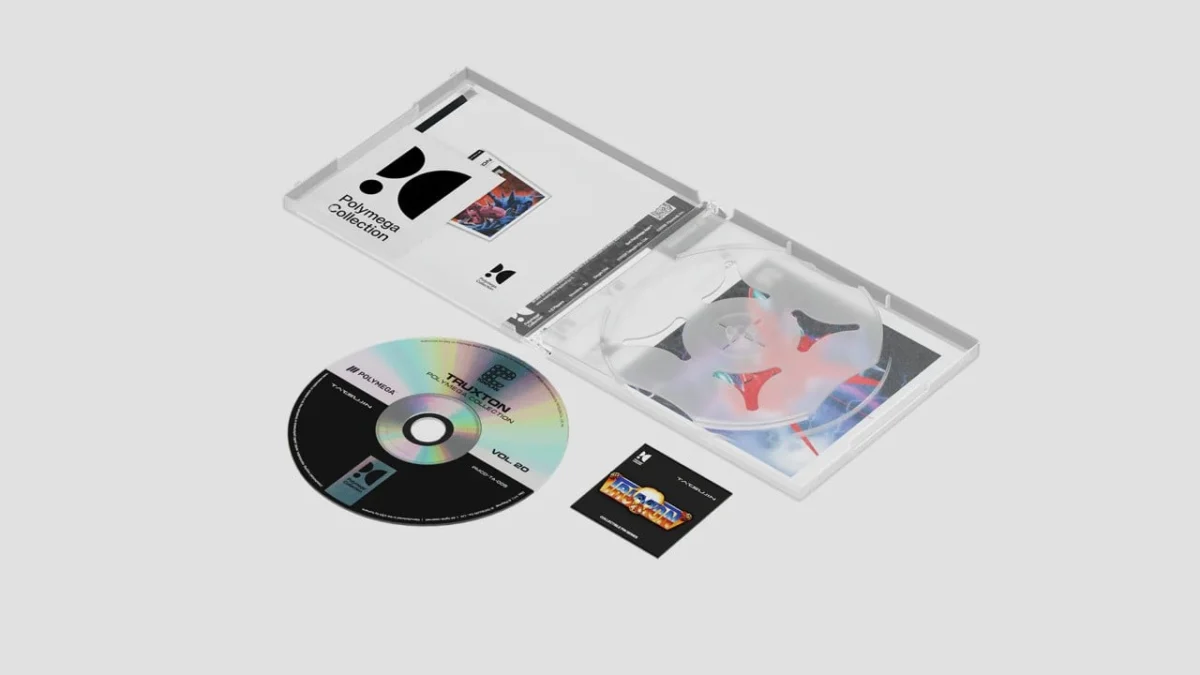
Following an initial announcement earlier this week regarding "Polymega Collection Vol. 19 – BATSUGUN," Polymega has significantly broadened its commitment to preserving the legacy of Japanese arcade developer Toaplan, revealing three additional comprehensive collections. These new releases, "Polymega Collection Vol. 20: TRUXTON," "Polymega Collection Vol. 21 – FIXEIGHT," and "Polymega Collection Vol. 22 – SNOW BROS," collectively bring a substantial portion of Toaplan’s revered back catalogue to the modern retro gaming platform. The staggered announcements underscore Polymega’s strategic approach to engaging the retro gaming community and highlight the enduring appeal of these arcade classics.
The initial revelation of "Polymega Collection Vol. 19 – BATSUGUN," featuring four seminal shoot ’em up titles from Toaplan, set the stage for a broader initiative. What was initially perceived as a singular release has rapidly expanded into a multi-volume series, affirming Polymega’s dedication to providing a curated and accessible experience for fans of vintage arcade gaming. This series of announcements is a testament to the continued relevance of Toaplan’s pioneering work and the growing market for meticulously preserved retro titles.
Toaplan’s Enduring Legacy: A Pioneer in Arcade Gaming
Toaplan Co., Ltd. was a highly influential Japanese video game developer primarily active from 1984 to 1994. Renowned for its contributions to the shoot ’em up (shmup) genre, Toaplan was instrumental in shaping the conventions and mechanics that would define arcade action for decades. Their innovative designs, challenging gameplay, and memorable sprite work earned them a dedicated following and left an indelible mark on game development. Many former Toaplan employees went on to establish other prominent companies, such as Cave (known for its "bullet hell" shmups), Raizing (later Eighting), and Takumi Corporation, carrying forward the spirit of arcade excellence. The dissolution of Toaplan in the mid-1990s marked the end of an era, but its games continued to be celebrated and sought after by enthusiasts, underscoring the importance of preservation efforts like those undertaken by Polymega and Evercade.
Toaplan’s impact wasn’t limited to shmups; the company also produced notable titles across various genres, including platformers, run ‘n guns, and puzzle games, demonstrating a versatility often overlooked amidst their shooting game prowess. This diverse output is well-represented in Polymega’s newly announced collections, offering a broader perspective on Toaplan’s creative range.
Deep Dive into the New Polymega Collections
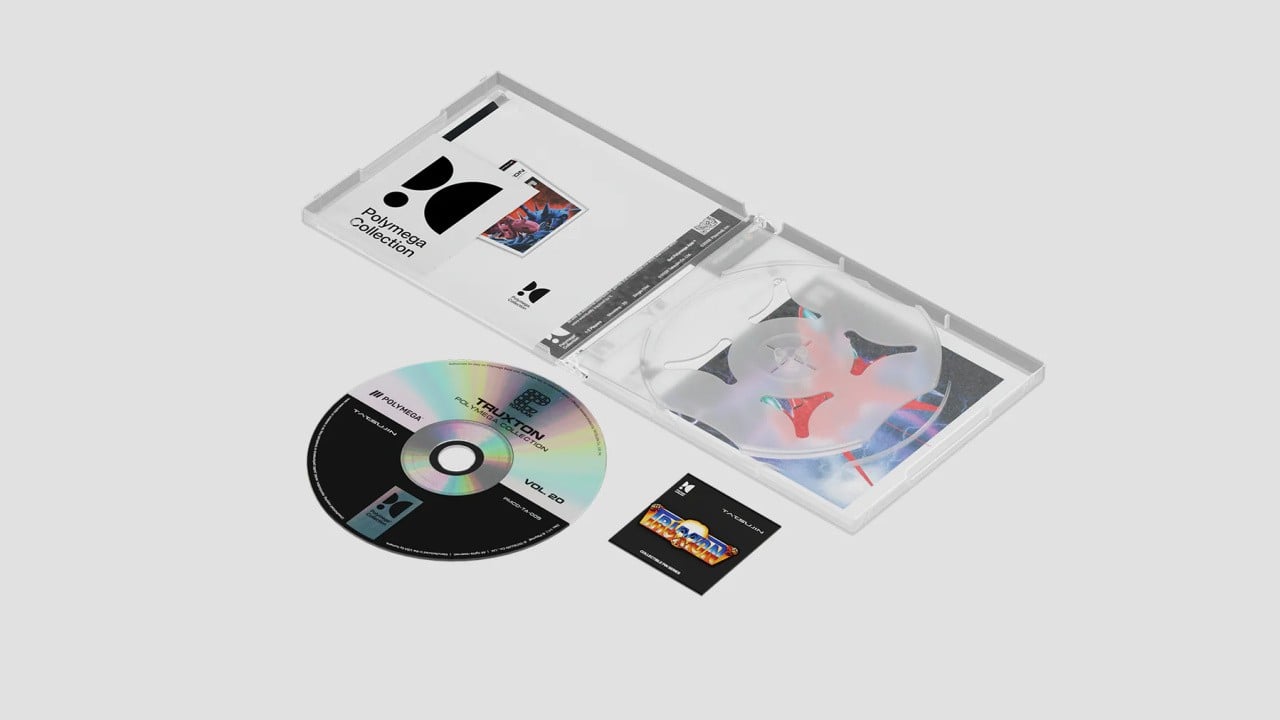
The four collections, now available for pre-order, each encapsulate a distinct facet of Toaplan’s creative output, priced at £30.13 with shipping anticipated to commence next month. Each physical collection includes a Polymega Game DVD, a visual companion, a controller reference guide, a Polymega Collection Sticker, and a unique pin related to the featured games. This emphasis on physical collectibles and supplementary materials caters to the discerning retro enthusiast who values tangible artifacts alongside digital access.
Polymega Collection Vol. 19: BATSUGUN (Previously Announced)
While details on this collection were previously released, it serves as the cornerstone of Polymega’s Toaplan initiative. "BATSUGUN" is a highly regarded vertical-scrolling shoot ’em up from 1993, often cited as a precursor to the "bullet hell" subgenre. Its inclusion, alongside other Toaplan shmups, offers a foundational experience for fans of the genre.
Polymega Collection Vol. 20: TRUXTON
This volume is a dedicated celebration of Toaplan’s mastery in the shoot ’em up genre, featuring four classic titles:
- Truxton (1988): Known as Tatsujin in Japan, this vertical shmup is a quintessential Toaplan experience, celebrated for its challenging difficulty, powerful weapons, and memorable bosses. Players navigate a futuristic fighter through hordes of alien invaders, collecting power-ups to enhance their firepower. Its fast-paced action and distinct visual style solidified its place in arcade history.
- Truxton II (1992): The sequel to the original, Truxton II (or Tatsujin Oh) built upon its predecessor’s foundations with improved graphics, more intricate level designs, and even more intense bullet patterns. It pushed the boundaries of arcade hardware at the time, offering a visually stunning and mechanically refined shmup experience that remains highly replayable.
- Alcon (1986): Also known as Slap Fight, Alcon is a unique horizontal-scrolling shmup notable for its unconventional power-up system. Players strategically choose which parts of their ship to upgrade, adding a layer of tactical depth beyond typical weapon selection. Its distinctive visual design and challenging stages make it a cult classic within the genre.
- Grind Stormer (1993): Known as V・V (pronounced "V Five") in Japan, Grind Stormer is a vertical shmup that blends classic Toaplan sensibilities with elements that foreshadow later "bullet hell" games. It offers a variety of weapon types and a high degree of challenge, serving as one of Toaplan’s later contributions to the genre before their closure.
Polymega Collection Vol. 21 – FIXEIGHT
This collection showcases Toaplan’s genre diversity beyond the overwhelming focus on shmups, presenting a mix of action-packed experiences:
- FixEight (1992): A spiritual successor to Out Zone, FixEight is an intense top-down run ‘n gun arcade game. Players control one of eight futuristic mercenaries, each with unique weapons and abilities, battling through hordes of enemies in a visually striking alien environment. Its cooperative multiplayer mode and challenging boss encounters were highlights.
- Out Zone (1990): This earlier run ‘n gun title shares thematic and gameplay similarities with FixEight. Players control a commando fighting through a futuristic warzone, employing a variety of weapons and defensive maneuvers. Out Zone is remembered for its relentless action, vibrant pixel art, and demanding difficulty.
- Knuckle Bash (1993): Representing Toaplan’s foray into the beat ’em up genre, Knuckle Bash allows players to choose from a roster of distinct characters, each with their own fighting style and special moves. It features classic side-scrolling brawling action, complete with environmental interactions and memorable enemy designs.
- Guardian (1986): Also known as Get Star, Guardian is a lesser-known but historically significant beat ’em up from Toaplan’s early days. It predates many of the genre’s more famous entries, offering a raw and challenging experience as players fight through waves of enemies.
- Ghox (1991): A departure from typical Toaplan fare, Ghox is a unique brick-breaking puzzle game. While sharing mechanics with Arkanoid or Breakout, Ghox introduces its own twists and power-ups, offering a refreshing puzzle experience amidst the action-heavy titles.
Polymega Collection Vol. 22 – SNOW BROS
Perhaps the most genre-diverse of the new announcements, this collection features six titles, headlined by a beloved platformer and further demonstrating Toaplan’s breadth:
- Snow Bros (1990): A highly popular and enduring arcade platformer, Snow Bros stars two snowmen, Nick and Tom, who defeat enemies by pelting them with snow until they turn into snowballs. These snowballs can then be rolled to clear screens and earn bonus points. Its charming graphics, addictive gameplay, and cooperative mode made it a global hit.
- Snow Bros. 2 (1994): The sequel, also known as Snow Bros. 2: On Dream Stage, continued the delightful platforming action with new characters, enhanced graphics, and additional gameplay mechanics. Released towards the end of Toaplan’s run, it remains a cherished title for fans of the original.
- Pyros (1987): Also known as Performan, Pyros is an early platformer that combines elements of puzzle-solving with action. Players control a character who can manipulate blocks and navigate intricate levels, showcasing Toaplan’s willingness to experiment with different gameplay styles.
- Horror Story (1989): A unique run ‘n gun game with a horror theme, Horror Story presents a distinct visual style and atmosphere. Players battle through monstrous creatures and spooky environments, offering a different flavor of action compared to Toaplan’s more traditional futuristic settings.
- Teki-Paki (1991): This fast-paced puzzle game challenges players to quickly arrange falling blocks to form complete lines, reminiscent of Tetris but with its own unique mechanics and competitive elements. It highlights Toaplan’s versatility in creating engaging experiences across different genres.
- Rally Bike (1988): A vertically scrolling racing game, Rally Bike (or Dash Yarou) puts players on a motorcycle, navigating diverse terrains and obstacles while competing against other racers. It offers a distinct change of pace from the shmups and platformers, showcasing Toaplan’s ability to craft enjoyable arcade racing experiences.
The Polymega Platform and Its Vision for Preservation
Polymega, developed by Playmaji Inc., is a modular retro gaming console designed to play original game cartridges and disc-based games from multiple classic systems. Its unique selling proposition lies in its combination of physical media compatibility with digital emulation and a curated storefront for digital releases, known as the Polymega Store. The platform aims to bridge the gap between physical collectors and digital convenience, offering a high-fidelity emulation experience for a wide array of systems, including NES, SNES, Sega Genesis, PlayStation, Sega CD, and more, via swappable Element Modules.
The release of these Toaplan collections on the Polymega Store is part of the company’s broader strategy to expand its digital library, making classic games accessible without the need for original hardware or physical media. By offering these titles in dedicated collections, Polymega is not only preserving these games but also packaging them in a way that appeals to both seasoned collectors and newcomers to retro gaming. The inclusion of physical extras further reinforces the platform’s commitment to delivering a premium, tangible experience that resonates with the retro gaming ethos.

Market Context: The Retro Revival and Competition
The retro gaming market has witnessed a significant boom in recent years, driven by nostalgia, the desire for historical preservation, and a growing appreciation for classic game design. This resurgence has led to the proliferation of various retro gaming solutions, from miniature consoles to dedicated emulation devices and official compilations.
Polymega’s Toaplan collections enter a competitive landscape, notably alongside Evercade, another prominent retro gaming platform. As highlighted in previous coverage, many of these Toaplan titles are already available on Evercade as part of their "Toaplan Arcade series of releases." This overlap presents an interesting dynamic for consumers.
Evercade offers its Toaplan collections on physical cartridges compatible with its line of handheld and home consoles. This direct competition means that consumers now have choices regarding how they wish to experience these classics. Factors influencing a consumer’s decision might include:
- Platform Preference: Do they already own a Polymega or an Evercade console?
- Physical vs. Digital: While Polymega’s collections come with a physical DVD, the games are loaded onto the system’s internal storage or an SD card for play, whereas Evercade utilizes physical cartridges.
- Pricing: Both platforms offer competitive pricing, with Polymega’s collections at £30.13 for usually 4-6 games. Evercade’s Toaplan cartridges typically offer 8-18 games for a similar price point, which might sway some consumers looking for a higher game count per purchase.
- Bonus Content: Polymega’s inclusion of visual companions, controller references, stickers, and pins adds value for collectors seeking a more comprehensive physical package.
- Emulation Quality/Features: Both platforms strive for accurate emulation, but specific features (e.g., save states, display options) can vary.
Polymega’s decision to release these collections signifies its intent to carve out a significant niche in this market, focusing on high-quality presentations and an integrated hardware/software experience. By curating specific genres and developers, Polymega aims to offer a premium collection that appeals to connoisseurs.
Implications and Future Outlook
The release of these four Toaplan collections marks a significant expansion of Polymega’s digital library and a major boon for fans of classic arcade gaming. It solidifies Polymega’s role as a key player in the retro preservation movement, offering meticulously curated access to titles that shaped the industry. For Toaplan’s legacy, these collections ensure that a new generation of players, alongside long-time enthusiasts, can experience the developer’s innovative and challenging creations with modern convenience.
The staggered announcement strategy by Polymega has effectively built anticipation and maintained engagement within the retro gaming community. It suggests a methodical approach to content rollout, potentially hinting at further developer-focused collections in the future. As the retro gaming market continues to mature, the emphasis on official licensing, accurate emulation, and added value through physical bonuses will become increasingly important. Polymega’s latest Toaplan initiative positions the platform strongly within this evolving landscape, offering a compelling proposition for those looking to revisit or discover the golden age of arcade gaming.