Farhan hamdan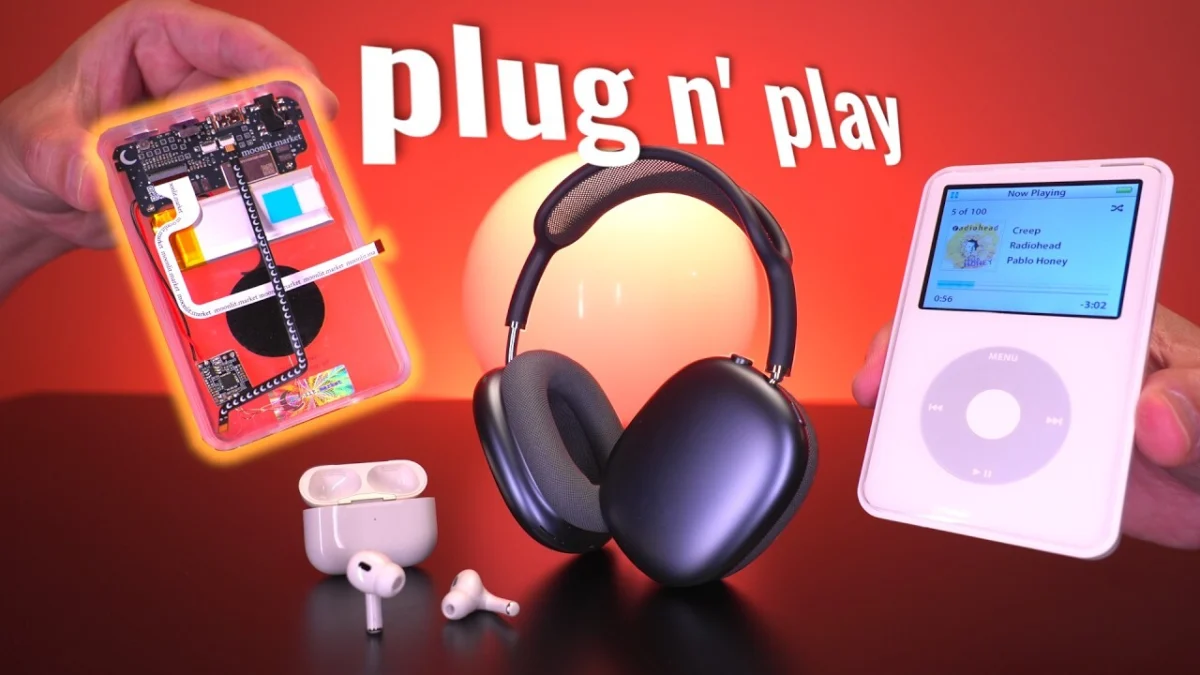
The iPod’s Enduring Legacy and Its Digital Revival
The Apple iPod, first introduced in October 2001, revolutionized the way people consumed music. With its iconic scroll wheel, sleek design, and the promise of "1,000 songs in your pocket," it quickly became a cultural phenomenon, dominating the portable music player market for over a decade. Its success was further cemented by the iTunes ecosystem, which provided a seamless way to purchase, manage, and sync music. At its peak, the iPod family included various models like the Mini, Nano, Shuffle, and the touchscreen-enabled Touch, collectively selling hundreds of millions of units worldwide. For instance, by 2007, Apple had sold over 100 million iPods, and by 2011, this figure had surpassed 300 million, demonstrating its immense market penetration.
However, the advent and rapid proliferation of smartphones, particularly Apple’s own iPhone in 2007, gradually rendered standalone music players obsolete. Smartphones integrated music playback with communication, internet access, and a host of other functionalities, eroding the iPod’s unique selling proposition. Concurrently, the rise of music streaming services like Spotify and Apple Music, offering vast libraries for a monthly subscription, shifted consumer preferences from owning individual tracks or albums to accessing an endless catalog on demand. Apple officially discontinued the iPod Classic line in 2014 and the last remaining iPod model, the iPod Touch, in May 2022, effectively ending an era.
Despite its commercial decline, the iPod has found a new lease on life within a dedicated community of enthusiasts and modders. This resurgence is part of a broader trend favoring retro technology and tangible media ownership. Paralleling the vinyl record revival, which has seen a remarkable comeback in recent years (e.g., vinyl sales in the U.S. surpassed CD sales for the first time in decades in 2020, and continued to grow significantly), a segment of music listeners is increasingly disillusioned with the ephemeral nature of streaming. Concerns over artist compensation, audio quality, algorithmic curation, and the lack of true ownership have driven many to seek alternatives. Owning physical or locally stored digital music offers a sense of permanence, curation, and independence from internet connectivity or subscription fees.
The "Classic Connect 2" Kit: Bridging the Past and Present
The "Classic Connect 2" kit, featured prominently by Tito from Macho Nacho Productions, represents a significant leap in making iPod modernization accessible. Previously, upgrading an iPod often involved intricate soldering, specialized tools, and a high degree of technical expertise, limiting the pursuit to a niche group of advanced hobbyists. This new kit, primarily available through vendors like Moonlit Market, simplifies the process dramatically by offering a "plug & play" solution.
The core of the upgrade involves replacing the original, often failing, mechanical hard drive with a modern MicroSD card slot. This transition offers several advantages:
- Increased Storage Capacity: MicroSD cards are available in capacities far exceeding the original iPod hard drives (which typically ranged from 20GB to 160GB), allowing for thousands more songs.
- Enhanced Durability: Flash-based storage is immune to the mechanical failures that plagued hard drive-based iPods, making the device far more resilient to drops and movement.
- Improved Battery Life: The removal of a spinning hard drive significantly reduces power consumption, contributing to longer playback times.
- Faster Data Transfer: While not explicitly a feature of the kit itself, the underlying technology allows for quicker syncing when connected to a computer.
Beyond storage, the kit integrates several other modern amenities. A new, higher-capacity battery is typically included, providing a substantial boost to operational time. Perhaps the most coveted additions are Bluetooth connectivity, enabling wireless audio streaming to headphones and speakers, and haptic feedback, which provides tactile responses to button presses, mimicking the haptic experiences common in contemporary smartphones. These features address two of the most significant limitations of the original iPods in a modern context: their reliance on wired headphones and their purely auditory feedback.
Installation Challenges and Community Feedback
Despite being marketed as "no soldering required," the installation process, as detailed by Tito, still presents certain challenges that users should be aware of. Working with tiny ribbon cables, which connect various components within the iPod, requires delicate handling and precision to avoid damage. Furthermore, opening a classic iPod often involves carefully prying open a case that was originally sealed with strong adhesive. The kit necessitates removing this old glue and then applying new adhesive to re-seal the case. This step, while seemingly minor, has sparked considerable discussion within the modding community.
The necessity of gluing the case shut raises concerns about future repairability and modding. While it is possible to carefully re-open a glued case, it adds a layer of difficulty and potential for cosmetic damage compared to a design secured with screws or snaps. Community sentiment, as echoed by Tito and other enthusiasts, leans strongly towards preferring a screw-based closure for easier access and maintenance. This feedback highlights a desire for modularity and long-term usability within the retro-tech sphere, allowing for future upgrades or repairs without undue hassle.
Key Players and the Modding Ecosystem

The burgeoning iPod modding scene is supported by a network of dedicated creators and vendors.
- Macho Nacho Productions (Tito): A prominent YouTube channel known for its detailed guides and reviews of retro-tech modifications, Tito plays a crucial role in popularizing these kits and educating the community. His videos serve as invaluable resources for potential modders, offering step-by-step instructions and practical advice.
- Moonlit Market: This online vendor specializes in parts and kits for classic iPods, including the "Classic Connect 2" kit. Their existence underscores the commercial viability of this niche market.
- Boxy Pixel: Another significant player, Boxy Pixel offers high-quality machined aluminum cases and conversion kits for various classic devices, including iPods. Their products often focus on enhancing durability and aesthetics, providing an alternative or complementary upgrade path for modders. Tito has previously reviewed their kits, further illustrating the diverse options available to enthusiasts.
The availability of specialized components and comprehensive guides from these entities fosters a vibrant ecosystem where users can confidently undertake complex modifications, turning once-obsolete devices into personalized, high-performance gadgets.
Economic and Practical Considerations
While the appeal of a modernized classic iPod is undeniable, the investment required is not insignificant. The "Classic Connect 2" kit itself, along with a compatible iPod Classic and recommended Lexar MicroSD cards (such as the Lexar 633x series, crucial for ensuring compatibility and performance), can amount to a substantial sum. This cost places the endeavor beyond a mere budget-friendly alternative to streaming.
For comparison, a basic, new MP3 player can be purchased for a fraction of the cost, offering modern features like Bluetooth and large storage capacities straight out of the box. However, as noted in the original assessment, these generic players often lack the "nostalgia and charm" of a classic iPod. The emotional connection to the iconic design, the tactile experience of the click wheel, and the personal history associated with the device are intangible values that generic alternatives cannot replicate.
Therefore, the decision to embark on an iPod modding project is often driven by passion and a desire for a unique experience rather than purely economic pragmatism. It’s a hobby, a statement against planned obsolescence, and a celebration of design and engineering from a bygone era, updated for contemporary convenience.
Broader Implications: Sustainability and Consumer Empowerment
The rise of retro-modding, particularly for devices like the iPod, carries broader implications for sustainability and consumer empowerment. In an era dominated by rapid technological cycles and increasing electronic waste, giving new life to old devices aligns with principles of circular economy and reduced consumption. Instead of discarding a perfectly functional piece of hardware due to outdated internal components, modding allows for repair, reuse, and upgrading, extending the product’s lifespan significantly. This practice challenges the "upgrade culture" perpetuated by manufacturers, offering consumers a more sustainable alternative.
Furthermore, these kits empower consumers by giving them greater control over their devices. The ability to customize hardware, choose storage solutions, and integrate desired modern features fosters a sense of ownership and technical literacy. It moves beyond a purely consumerist relationship with technology towards one of engagement and creation. This trend could inspire more manufacturers to consider modular designs or provide better support for user-driven modifications, recognizing a growing demand for long-lasting, customizable products.
The Future of Retro-Modding
The success of kits like the "Classic Connect 2" suggests a bright future for the retro-modding scene. As technology continues to advance, older devices will constantly present new opportunities for integration with modern capabilities. We may see more sophisticated plug-and-play solutions, potentially including integrated Wi-Fi for direct music downloads, or even more advanced display upgrades for devices with screens. The enthusiasm demonstrated by communities around channels like Macho Nacho Productions indicates a sustained interest in preserving and enhancing beloved tech artifacts.
The appeal of having a dedicated music player, free from the distractions of a smartphone, is also a powerful draw. It allows for a focused listening experience, a digital detox of sorts, which resonates with many in an increasingly interconnected world. The fusion of classic aesthetics with modern functionality creates a unique proposition that is both practical and emotionally resonant.
In conclusion, the availability of accessible, no-solder kits for modernizing classic iPods represents more than just a niche hobby; it signifies a cultural shift towards valuing longevity, personalization, and tangible ownership in digital consumption. By bridging the gap between iconic design and contemporary utility, these innovations ensure that the legacy of devices like the iPod continues to evolve, providing a rich, customized audio experience for a new generation of enthusiasts and those longing for a touch of digital nostalgia.