Farhan hamdan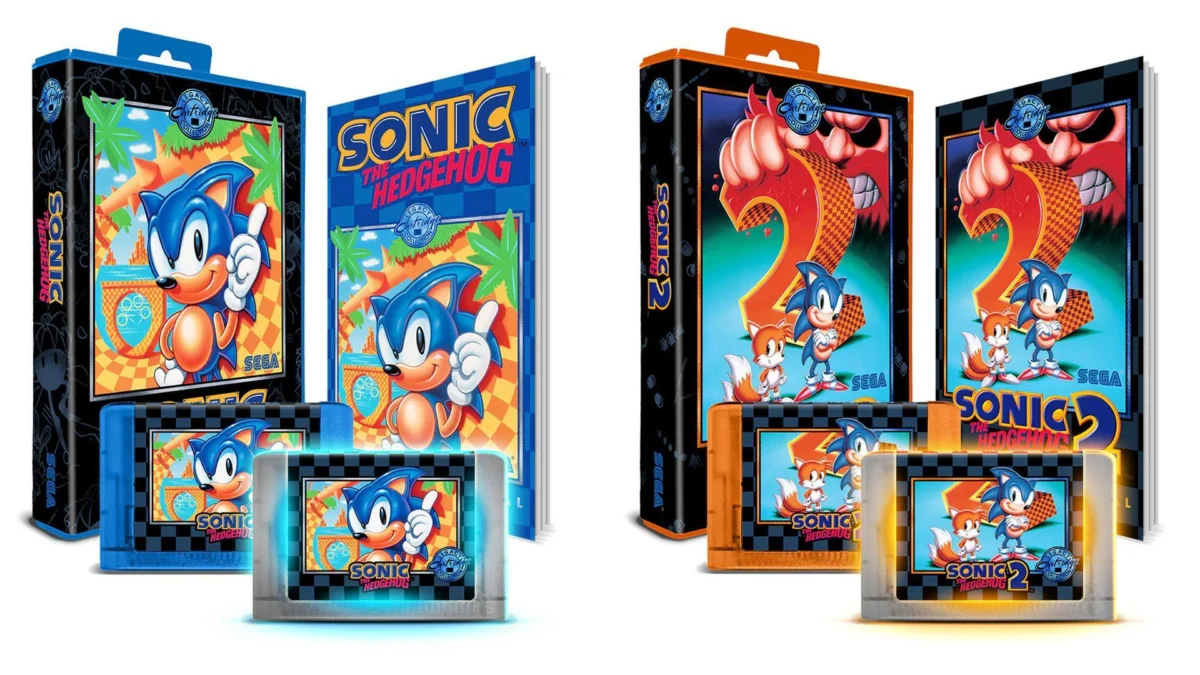
iam8bit, a company renowned for its specialized focus on premium physical media and collectibles within the gaming and entertainment industries, has officially initiated pre-orders for reissued cartridges of two seminal titles, Sonic the Hedgehog and Sonic the Hedgehog 2, for the original Sega Genesis console. These reissues are being launched to commemorate the upcoming 35th anniversary of the original Sonic the Hedgehog‘s debut, a milestone that will officially occur in June 2026. Each reissued game is presented as a "complete in box" package and carries a retail price of $100. Shipping for these highly anticipated collectibles is slated to commence in waves, beginning in late 2026 and extending into early 2027.
The announcement, made via iam8bit’s official website, has generated considerable discussion within the retro gaming community, largely centering on the significant price point relative to the market value of original, complete-in-box Sega Genesis cartridges. While iam8bit positions these reissues as premium collector’s items, the pricing strategy and the nature of the product—essentially the original game repackaged without significant gameplay enhancements—have raised questions about the overall value proposition for consumers.
Background and Context: iam8bit’s Niche in the Collectibles Market
iam8bit has carved out a unique space in the entertainment industry by specializing in high-quality, often limited-edition, physical releases of video games, vinyl soundtracks, and art prints. The company’s business model leans heavily into nostalgia, catering to collectors and enthusiasts who value aesthetic presentation, official licensing, and the tactile experience of physical media. Their previous ventures into retro game reissues include notable releases such as the Street Fighter II 30th Anniversary Edition for the Super Nintendo Entertainment System, which similarly offered a premium-priced, complete-in-box experience for a classic title. These past releases, much like the Sonic reissues, were characterized by bespoke packaging, exclusive artwork, and often, transparent or colored cartridge shells, distinguishing them from their original counterparts.
The company’s approach typically prioritizes the "collectible" aspect over pure affordability or accessibility, targeting a demographic willing to pay a premium for officially sanctioned, newly manufactured versions of beloved classics. This strategy aligns with a broader trend in the retro gaming market where scarcity, condition, and official provenance significantly influence perceived value.
The Enduring Legacy of Sonic the Hedgehog
Sonic the Hedgehog, first released on June 23, 1991, for the Sega Genesis, quickly became a cultural phenomenon and a flagship title for Sega. Its introduction marked a pivotal moment in the "console wars" of the early 1990s, offering a vibrant, fast-paced alternative to Nintendo’s dominant Super Mario Bros. franchise. The game’s innovative level design, iconic character, and emphasis on speed propelled Sega to unprecedented success, establishing Sonic as a global icon. Sonic the Hedgehog 2, released in 1992, built upon its predecessor’s success, introducing new gameplay mechanics, a two-player mode, and the beloved sidekick, Tails, further cementing the franchise’s legendary status.
Over the past three decades, the Sonic franchise has spawned numerous sequels, spin-offs, animated series, comics, and even feature films, maintaining a significant presence in popular culture. The upcoming 35th anniversary in 2026 represents a major milestone, celebrating a series that has profoundly impacted generations of gamers and continues to be a cornerstone of Sega’s intellectual property portfolio. Anniversaries of this magnitude often serve as catalysts for new merchandise, remasters, and special releases, making iam8bit’s reissues a fitting, albeit debated, part of the broader celebration.
Pricing Discrepancy and Market Comparison
One of the primary points of contention surrounding iam8bit’s Sonic reissues is the $100 price tag. A brief analysis of the secondary market for original Sega Genesis games reveals a notable disparity. According to data from reputable pricing aggregators such as PriceCharting and analysis of eBay sold listings, complete-in-box (CIB) copies of Sonic the Hedgehog in good to very good condition typically range from $30 to $60. Similarly, CIB copies of Sonic the Hedgehog 2 often fall within a similar price bracket, sometimes slightly lower due to its higher initial print run. Even pristine, collector-grade originals rarely exceed the $100 mark for these two specific titles, unless they are sealed or exceptionally rare variants.
This stark contrast highlights that iam8bit’s reissues are priced at a significant premium, often two to three times the market rate for their original counterparts. This pricing strategy suggests that the value proposition for these reissues lies beyond mere access to the game itself, instead emphasizing novelty, official endorsement, and the "new product" experience.
Absence of Enhancements and Technical Considerations

A recurring critique from segments of the retro gaming community regarding these types of reissues is the lack of any significant gameplay enhancements or technical upgrades. The iam8bit Sonic reissues are described as being "just the original game, repackaged." For a $100 product, many enthusiasts might expect modern conveniences or fan-driven improvements that have become commonplace in the retro gaming scene. These could include:
- Save Features: Implementing battery-backed save states or in-game save options, which were not present in the original Sonic 1 and 2 cartridges.
- Quality-of-Life Improvements: Incorporating bug fixes, minor graphical touch-ups, or even fan-favorite modifications like the "spin attack" for Sonic in the first game (a move introduced in Sonic 2).
- Multi-Game Cartridges: Offering both Sonic 1 and Sonic 2 on a single cartridge, potentially with additional bonus content.
- Enhanced Compatibility: Ensuring optimal performance across a wider range of Sega Genesis models, including clone consoles, and potentially offering video output options for modern displays.
The absence of such features, especially when compared to the efforts of the vibrant homebrew and fan-modding communities that routinely develop and distribute enhanced versions of classic games, leads some to question the perceived value of a straightforward repackaging.
Furthermore, the article briefly touches upon concerns regarding the manufacturing quality of newer cartridges. While iam8bit is an established brand, the broader market for reproduction cartridges has occasionally faced issues. These can include:
- Component Quality: Use of lower-grade components that might not withstand the test of time as well as original Sega-manufactured parts.
- Voltage Compatibility: Slight variations in voltage requirements or signal output that could, in rare cases, potentially cause undue stress on vintage console hardware over prolonged use.
- Chip Authenticity: The use of "blob top" ICs (integrated circuits) instead of discrete chips, which, while functional, are often viewed less favorably by purists.
While iam8bit’s official licensing and reputation suggest a commitment to quality, these general concerns contribute to the skepticism among some collectors who prioritize authenticity and long-term reliability for their vintage systems.
The "Retro Pack-In Surprises" and "Chaos Emerald Energy" Marketing
To justify the premium pricing beyond the basic game, iam8bit has highlighted specific marketing elements: "Retro Pack-In Surprises" and the intriguing promise that "1 in 8 cartridges infused with Chaos Emerald energy." These elements are clearly designed to appeal to collectors who enjoy the "unboxing experience" and the thrill of a chase variant.
- Retro Pack-In Surprises: This likely refers to collectible items such as stickers, mini-posters, art cards, or small trinkets that evoke the era of the original release. While these add a layer of novelty, their perceived value can vary significantly among consumers. For some, they are desirable extras that enhance the collector’s experience; for others, they are insubstantial additions that do not justify a substantial price increase.
- Chaos Emerald Energy: This is a playful, albeit ambiguous, marketing hook. It strongly implies a rare variant cartridge, perhaps one with a unique color, glow-in-the-dark properties, or a special label, drawing a parallel to the powerful Chaos Emeralds from the Sonic lore. The "1 in 8" ratio suggests a limited quantity of these special editions, designed to create excitement and encourage multiple purchases from dedicated collectors hoping to acquire the rare variant. This strategy is common in the collectible toy and trading card markets, leveraging scarcity and chance to drive sales. While effective for some, it can also be a source of frustration for others who simply want a standard copy without engaging in a "lucky dip."
Official Responses and Community Reactions (Inferred)
While iam8bit has not issued a specific statement addressing the pricing debate, their consistent business model suggests a clear understanding of their target demographic. Their implied rationale is that these reissues cater to:
- New Collectors: Individuals who missed out on the original releases and desire a pristine, factory-new copy of a classic game with official branding.
- Aesthetic Collectors: Those who prioritize the visual presentation and unique packaging design over simply acquiring the cheapest playable version.
- Brand Loyalists: Fans of iam8bit’s previous works who trust the company’s commitment to quality in design and presentation.
- Nostalgia Seekers: Consumers who are willing to pay a premium for a curated, officially licensed piece of their childhood, presented in a modern collectible format.
Reactions from the broader retro gaming community have been, predictably, polarized. On enthusiast forums and social media, a segment of collectors expresses excitement for the opportunity to own new, officially licensed physical copies of these iconic games, particularly appreciating the unique packaging and the "surprise" elements. However, a larger contingent voices skepticism, pointing to the high cost, the lack of gameplay enhancements, and the availability of original cartridges at a fraction of the price. These discussions often highlight the philosophical divide between different types of collectors: those who prioritize authenticity and historical value of originals versus those who appreciate modern, officially sanctioned reproductions as new collectibles in their own right.
Broader Impact and Implications for the Retro Gaming Market
The release of iam8bit’s Sonic reissues underscores several significant trends shaping the contemporary retro gaming market:
- The Rise of Premium Collectibles: The increasing demand for officially licensed, high-quality physical releases of classic and digitally-native games, spearheaded by companies like iam8bit, Limited Run Games, and others. This trend indicates a strong desire among consumers for tangible products in an increasingly digital world, transforming games into art pieces and investment opportunities.
- Leveraging Nostalgia: Companies are actively capitalizing on the powerful force of nostalgia, offering products that tap into fond memories of childhood gaming. Anniversaries, in particular, serve as potent marketing opportunities.
- The Debate Over Value: These premium reissues consistently ignite debates about what constitutes "value" in retro gaming. Is it the historical authenticity of an original? The pristine condition of a newly manufactured item? The inclusion of modern features? Or the overall collector’s experience, including packaging and exclusive extras?
- Sustainability of the Model: While niche, the continued success of companies like iam8bit suggests a sustainable market for high-end retro collectibles. However, it also raises questions about accessibility for casual fans and the potential impact on the secondary market for original games, although for highly mass-produced titles like Sonic 1 and 2, the impact is likely minimal.
- Preservation vs. Commercialization: The official reissuing of classic games, while a form of preservation by keeping titles available, also represents a commercial endeavor. This sparks discussions about the best methods for game preservation, balancing access with commercial interests.
As the late 2026 and early 2027 shipping window approaches, these iam8bit Sonic reissues are set to become tangible examples of the evolving landscape of retro gaming, serving as a focal point for ongoing discussions about collecting, value, and the enduring appeal of classic titles. The company’s strategy continues to cater to a specific segment of the market, proving that for a dedicated base of collectors, the appeal of a brand-new, officially sanctioned piece of gaming history, complete with unique packaging and collectible surprises, can outweigh the cost difference of acquiring an original.