Johny Imanuel
Clarifying the Release Timeline
The discrepancy between the State of Play trailer and the developer’s subsequent announcement highlights the fast-moving nature of game development cycles and marketing synchronization. During the Sony-hosted event, viewers were treated to high-octane gameplay footage that culminated in the September date. However, shortly after the stream concluded, S-GAME issued a statement on X (formerly Twitter) and other official channels to correct the record. The developer noted that while the September date was a target, the final decision to move to late October was made to accommodate a final layer of "polishing and optimization" that the team deemed essential for a Day-One experience.
The new date of October 29, 2026, places the game in the heart of the busy autumn release window. This period is traditionally the most competitive in the gaming industry, often occupied by major annual franchises and blockbuster sequels. By choosing this window, S-GAME signals a high level of confidence in Phantom Blade Zero’s ability to compete for consumer attention against established intellectual properties.
Technical Ambitions and Optimization Strategies
One of the most notable aspects of S-GAME’s explanation for the delay is the focus on visual fidelity and performance. In their official statement, the developers emphasized that the extra 50 days would be utilized to further enhance character models and environmental textures. Interestingly, the studio made a point to mention that these improvements are being achieved "without relying on ray tracing."
In the current landscape of AAA development, ray tracing—a rendering technique that simulates the physical behavior of light—is often used as a benchmark for "next-gen" graphics. However, it is also notoriously resource-intensive, frequently requiring compromises in frame rate or resolution. S-GAME’s approach suggests a focus on sophisticated rasterization techniques and high-quality asset design to achieve a striking aesthetic that maintains high performance on both the PlayStation 5 and a wide range of PC configurations.
By prioritizing optimization that does not lean on hardware-heavy shortcuts, S-GAME aims to deliver a consistent 60-frames-per-second experience, which is critical for the fast-paced, parry-heavy combat system that Phantom Blade Zero features. The developer’s commitment to delivering these improvements at launch, rather than through post-launch patches, reflects a growing industry trend toward prioritizing the initial consumer experience over meeting rigid quarterly deadlines.
A Stance Against the "Patch Culture"
The decision to delay the game by less than two months is a tactical move that addresses a common criticism in modern gaming: the reliance on "Day Zero" or "Day One" patches to fix fundamental issues. S-GAME’s statement explicitly mentioned that the team intends to ensure the quality of the game is preserved on the physical disc and the initial digital download.
This "quality-first" philosophy is likely a response to several high-profile industry launches in recent years that suffered from technical instability at release. By taking an extra seven weeks, the studio can conduct more rigorous Quality Assurance (QA) testing, squash game-breaking bugs, and fine-tune the balance of the game’s complex combat mechanics. For a new IP (Intellectual Property) like Phantom Blade Zero, which seeks to establish a long-term franchise, the first impression made on the global gaming community is paramount.
Revised Marketing Roadmap and News Beats
Accompanying the delay announcement was a revised schedule for the game’s marketing "news beats." S-GAME has outlined a transparent path forward to keep the community engaged during the extended wait. The June 2026 State of Play was just the beginning of a summer-long campaign.
According to the updated roadmap:
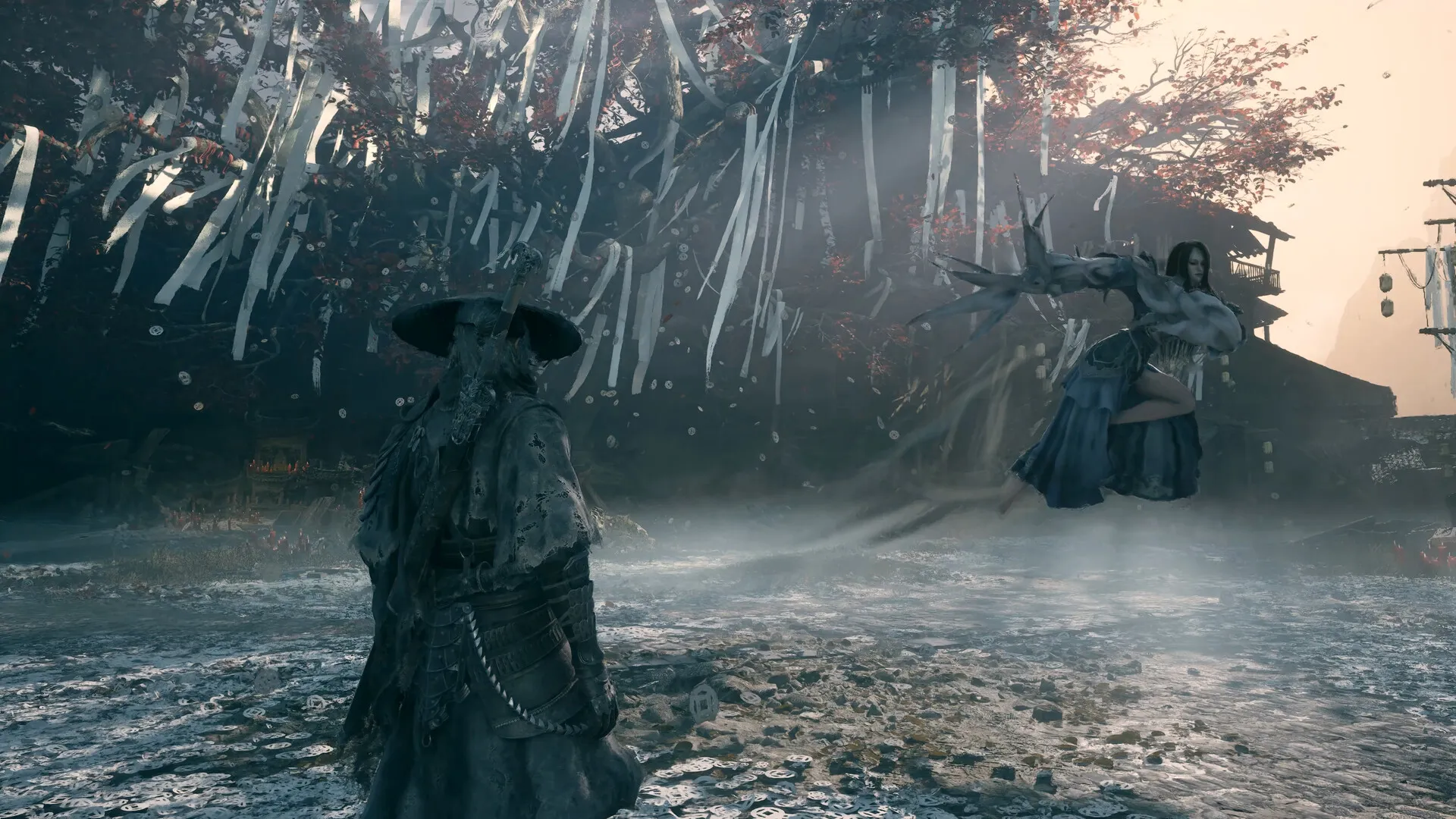
- Summer 2026: A new gameplay trailer and a "deep dive" video will be released. This deep dive is expected to focus on the game’s world-building, the "Kungfupunk" aesthetic, and the intricate skill trees available to the player.
- Pre-order Launch: Official pre-orders for both the PlayStation 5 and PC versions will go live during the summer window, likely coinciding with the deep-dive presentation.
- Dedicated State of Play: Perhaps the most significant update is the confirmation of a standalone State of Play showcase dedicated entirely to Phantom Blade Zero. This event is slated to run between 15 and 20 minutes, offering an uninterrupted look at gameplay, boss encounters, and exploration.
This structured approach to communication is designed to maintain momentum. By providing a clear timeline of when fans can expect new information, S-GAME mitigates the frustration often associated with release delays.
Background: The Rise of Phantom Blade Zero
To understand the significance of this delay, one must look at the trajectory of Phantom Blade Zero since its debut. Developed by the Beijing-based studio S-GAME, the title is a spiritual successor to the studio’s earlier work, the Rainblood series (later renamed Phantom Blade in China). While previous entries were primarily 2D or mobile-focused, Phantom Blade Zero represents the studio’s ambitious leap into the world of high-budget, 3D action-RPGs.
The game is set in the "Phantom World," a universe where Chinese martial arts (Wuxia) intersect with steampunk elements, occult arts, and dark fantasy. Players take on the role of "Soul," an elite assassin serving a powerful organization known as "The Order." Framed for the murder of the Order’s patriarch and gravely wounded, Soul is brought back to life by a mystical healer but is told he only has 66 days to live. This ticking-clock narrative serves as the backdrop for the game’s intense quest for vengeance and truth.
The game’s combat is choreographed by Kenji Tanigaki, a veteran action director known for his work on the Rurouni Kenshin live-action films. This collaboration has resulted in a combat style that is cinematic yet responsive, distinguishing it from the slower, more methodical pace of the "Souls-like" genre.
Broader Industry Implications
The delay of Phantom Blade Zero also reflects broader shifts in the global gaming market, particularly the rise of high-end Chinese development studios on the world stage. Alongside titles like Black Myth: Wukong, Phantom Blade Zero is part of a wave of Chinese-developed games that are challenging the traditional dominance of Japanese and Western studios in the AAA space.
Sony Interactive Entertainment has been a key partner in this transition, providing marketing support and platform exclusivity through initiatives like the China Hero Project. While S-GAME operates independently, the close relationship with PlayStation underscores the importance of Phantom Blade Zero to Sony’s 2026 software lineup. A successful, polished launch is in the best interest of both the developer and the platform holder, as it reinforces the viability of these international partnerships.
Furthermore, the 50-day delay highlights the logistical challenges of simultaneous global launches. Synchronizing a release across North America, Europe, Japan, and Asia requires immense coordination in localization, regional rating boards, and physical distribution. The extra time allows S-GAME to ensure that the October 29 launch is seamless across all territories and platforms.
What to Expect on October 29
As the new release date approaches, the focus for S-GAME will remain on refinement. The "50-day" window is a relatively short delay in the context of modern development, suggesting that the core game is feature-complete and currently in the "gold master" preparation phase.
Players can expect a game that leverages the SSD (Solid State Drive) capabilities of the PS5 and modern PCs to deliver seamless transitions between combat and exploration. The emphasis on improved character models and environments, even without ray tracing, points toward a title that prioritizes art direction and stylistic consistency over raw technical benchmarks.
The October 29, 2026, release date sets the stage for a major seasonal event in the gaming calendar. With a dedicated State of Play on the horizon and a commitment to a "complete on day one" philosophy, Phantom Blade Zero remains one of the most significant titles to watch as the industry moves through 2026. S-GAME’s transparency regarding the delay may serve to build further trust with a community that increasingly values quality and developer honesty over rushed release schedules.