Indra Gunadi

For nearly three decades, the digital landscape of amateur software development has been anchored by PDRoms, a repository that serves as a living archive for the homebrew community. With a current catalog of 2,530 files and a staggering download count exceeding 3.07 million, the platform has solidified its role as a critical infrastructure for developers and enthusiasts who operate outside the traditional commercial gaming industry. As the site looks toward its 2026 milestones, the longevity of PDRoms offers a rare case study in the sustainability of community-driven digital preservation.
The Genesis and Evolution of the Archive
Founded in 1998, PDRoms emerged during a transitional era for video game development. At the time, the concept of "homebrew"—software created by hobbyists for proprietary consoles—was largely limited to niche communities utilizing mailing lists and early message boards. The initial mandate of the project was to centralize Public Domain (PD) and homebrew releases, providing a stable repository for files that were otherwise scattered across ephemeral FTP servers and personal homepages.
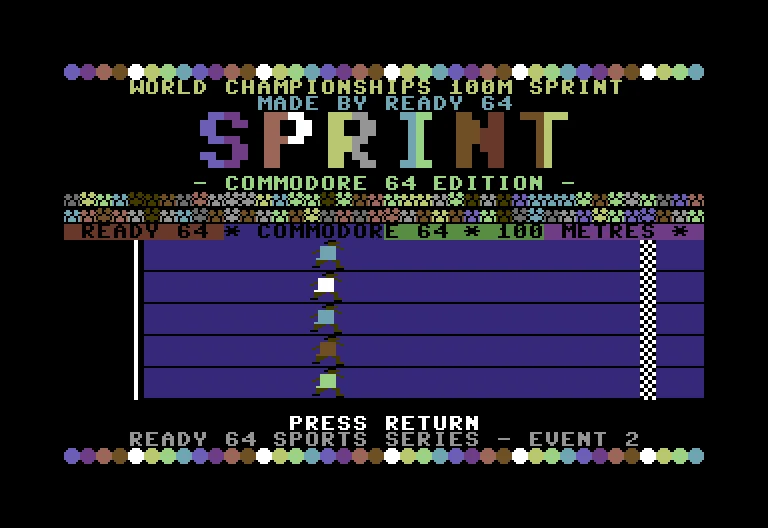
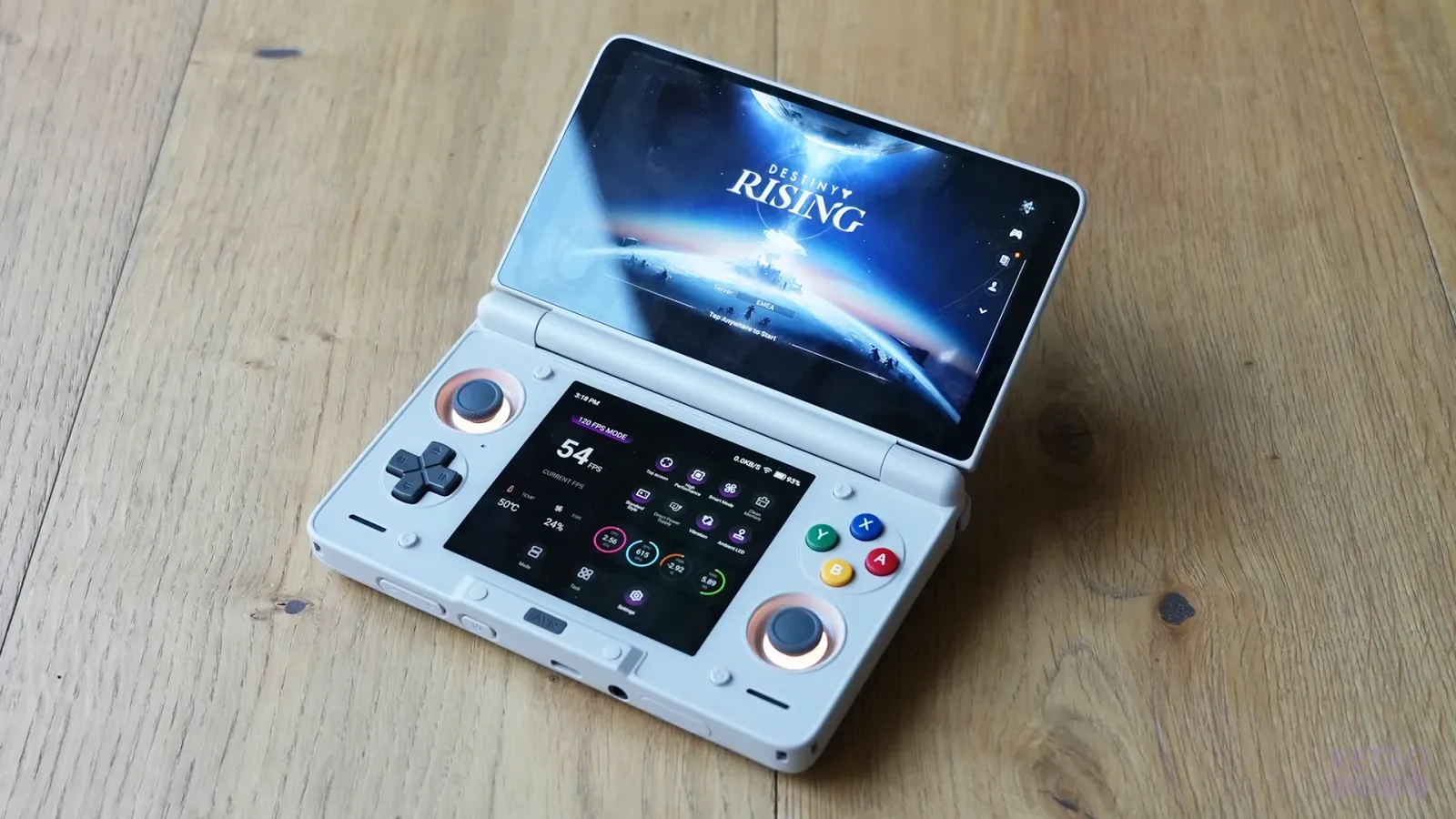
Throughout its 28-year history, the site has weathered the transition from the 8-bit and 16-bit eras into the modern age of high-definition indie development. By maintaining a focus on accessibility, PDRoms has bridged the gap between legacy systems, such as the Commodore 64 and the Nintendo Entertainment System, and contemporary hardware like the Nintendo Switch or various FPGA-based consoles. This archival approach ensures that software development history is not lost to the phenomenon of "link rot," where digital assets disappear as hosting platforms go offline.
Statistical Analysis of the Repository
The scale of the PDRoms archive is quantified by a rigorous cataloging system that prioritizes platform diversity. Managing 46 distinct hardware platforms, the site acts as a ledger for the global homebrew community. The current total of 2,530 files—ranging from simple utility tools and demos to full-scale homebrew games—reflects a highly curated approach to content management.
Supporting data provided by the archive indicates that the 3,078,742 downloads served to date represent a significant engagement metric. When averaged across the site’s 28-year lifespan, this equates to roughly 109,955 downloads per year. This consistent throughput suggests that the archive is not merely a static repository but a frequently accessed resource for historians, researchers, and active developers.
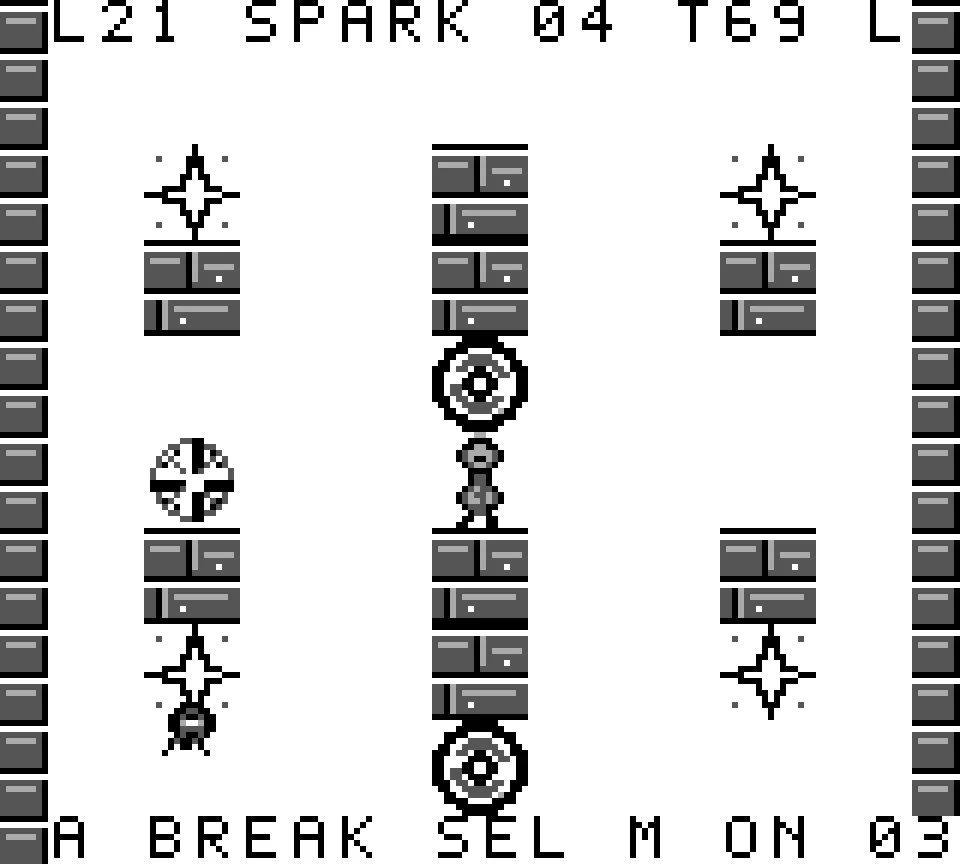
The distribution of content across 46 platforms reveals shifting trends in the hobbyist market. While early archives were dominated by text-based utilities and simple platformers for the Amiga and Atari ST, recent years have seen an influx of complex, engine-driven projects. The ability of the site to adapt its infrastructure to accommodate these changes—moving from basic file hosting to a modern, responsive web architecture—has been vital to its continued relevance.
Chronology of Institutional Sustainability
The history of PDRoms can be divided into several distinct phases of digital preservation:
- 1998–2003 (The Foundational Phase): The site establishes its primary mission, focusing on archiving Public Domain software for early home computers and handhelds.
- 2004–2010 (The Expansion Phase): Integration of more modern console homebrew scenes as digital distribution becomes more accessible to the average user.
- 2011–2018 (The Modernization Phase): Implementation of updated metadata systems and a shift toward user-centric design, focusing on accessibility and searchability.
- 2019–2026 (The Preservation Phase): A focus on long-term data integrity and "light" web design, ensuring the site remains compatible with both legacy browsers and modern screen readers.
Each phase has been defined by a commitment to a "BrewOtaku" philosophy, a term utilized by the site’s maintainers to describe a deep-seated dedication to the craft of homebrew development. This cultural framework has allowed the project to remain independent, avoiding the pitfalls of corporate acquisition or the commercialization of its archives.
Accessibility and Technical Philosophy
A defining feature of the current PDRoms infrastructure is its commitment to a "light" version of the site. In an era where web development is increasingly reliant on resource-heavy scripts, tracking pixels, and complex frameworks, PDRoms has deliberately chosen a minimalist path. The implementation of a script-free layout is not merely an aesthetic choice but a technical necessity for inclusivity.
By ensuring that the archive is accessible via older browsers and screen readers, the project upholds its mission to serve the entire homebrew community, regardless of the user’s hardware. This commitment extends to the site’s privacy policy, which explicitly excludes tracking cookies. For a project that manages millions of downloads, this stance on data privacy is an outlier in the modern web landscape, highlighting a philosophy that prioritizes the user experience over data harvesting.
Broader Implications for Digital Preservation
The survival of PDRoms for nearly three decades provides valuable insight into the challenges of digital preservation. Most community-led projects of this nature suffer from "maintainer burnout" or institutional instability within the first decade. The fact that PDRoms has successfully navigated the shift from static HTML to dynamic, database-driven environments suggests a sustainable operational model.
From a sociological perspective, the repository serves as a mirror for the homebrew community’s technical evolution. Each download reflects an interaction between a legacy machine and a modern user, often serving the purpose of game preservation, technical education, or artistic expression. Because homebrew software often exists in a legal gray area, the existence of a central, reputable archive like PDRoms provides a sense of legitimacy to the scene. It offers a standardized platform for developers to showcase their work, which in turn encourages higher quality output and greater technical rigor within the community.
Future Outlook: Looking Toward 2026 and Beyond
As the project approaches its 2026 milestones, the focus remains on the continuity of its core services. The ongoing management of the "Claudius L. Priscus" theme—the current iteration of the site’s interface—demonstrates a commitment to iterative improvement. By keeping the site’s code base lean, the maintainers ensure that the archive remains lightweight and portable, capable of being migrated or mirrored should technological requirements shift again.
The implications for the gaming industry are subtle but profound. As major publishers continue to struggle with the preservation of their own back catalogs, the grassroots efforts exemplified by PDRoms highlight the efficacy of decentralized, community-driven archives. While a commercial entity might view a library of 2,530 files as a negligible asset, for the homebrew community, these files represent the cumulative intelligence and creativity of thousands of individuals.
The project’s contact and imprint pages remain active, reinforcing the site’s status as a transparent and accountable entity. In an increasingly fragmented digital environment, the stability of PDRoms stands as a testament to the power of a long-term vision. Whether the next decade brings new hardware platforms or a shift in how software is distributed, the foundation laid by 28 years of operation ensures that the history of homebrew remains secure.
Ultimately, PDRoms is more than a file server; it is a repository of digital culture. By maintaining the integrity of its archives and fostering an environment that welcomes both the veteran developer and the curious novice, the project continues to serve its primary function: ensuring that the creativity of the past is never discarded, but rather made available for the inspiration of the future. The data points—2,530 files, 3 million downloads, and 46 platforms—are not merely numbers; they are the markers of a community that has refused to let its contributions fade into obscurity.