Cecilia Chamidah Nur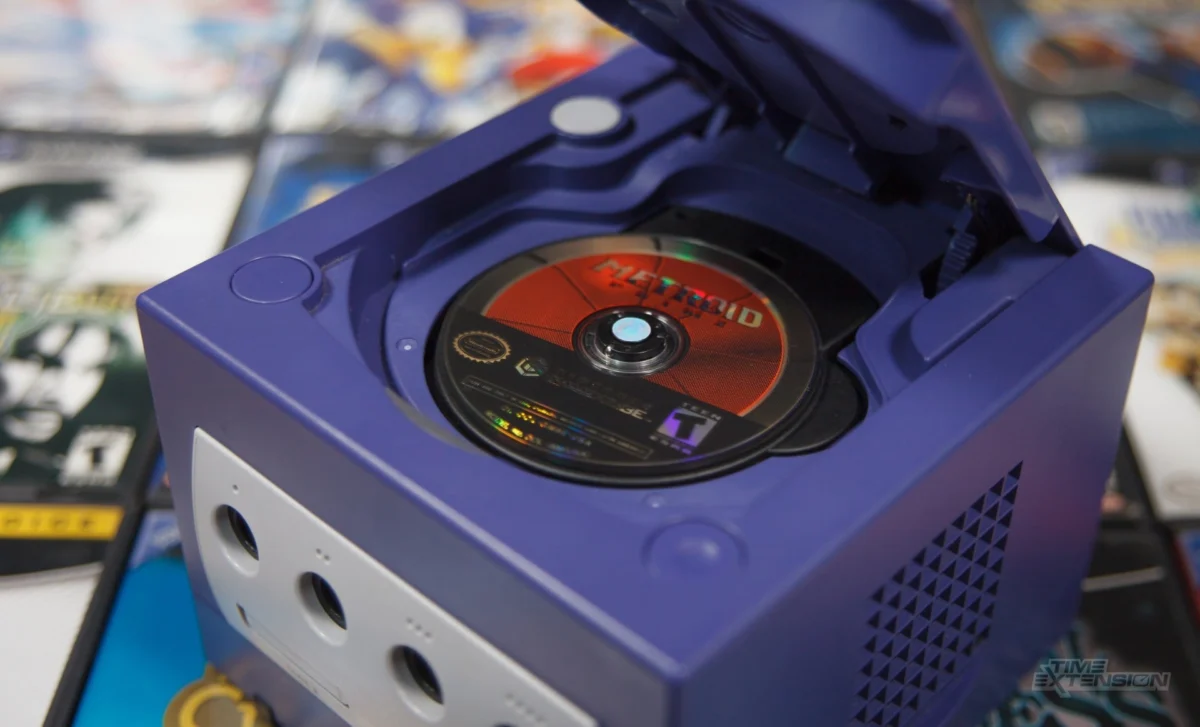
A groundbreaking new tool, dubbed OmniDrive, has been released, enabling PC users to legally rip optical media from a wide array of classic consoles using common Blu-Ray drives. This innovative firmware modification transforms specific Hitachi-LG Data Storage (HLDS) drives, leveraging their MediaTek MT1959 chipsets to read proprietary game disc formats that were previously inaccessible to standard computer optical drives. The development marks a significant milestone in the realm of video game preservation, offering a more accessible and legally sound method for enthusiasts to back up their personal game collections.
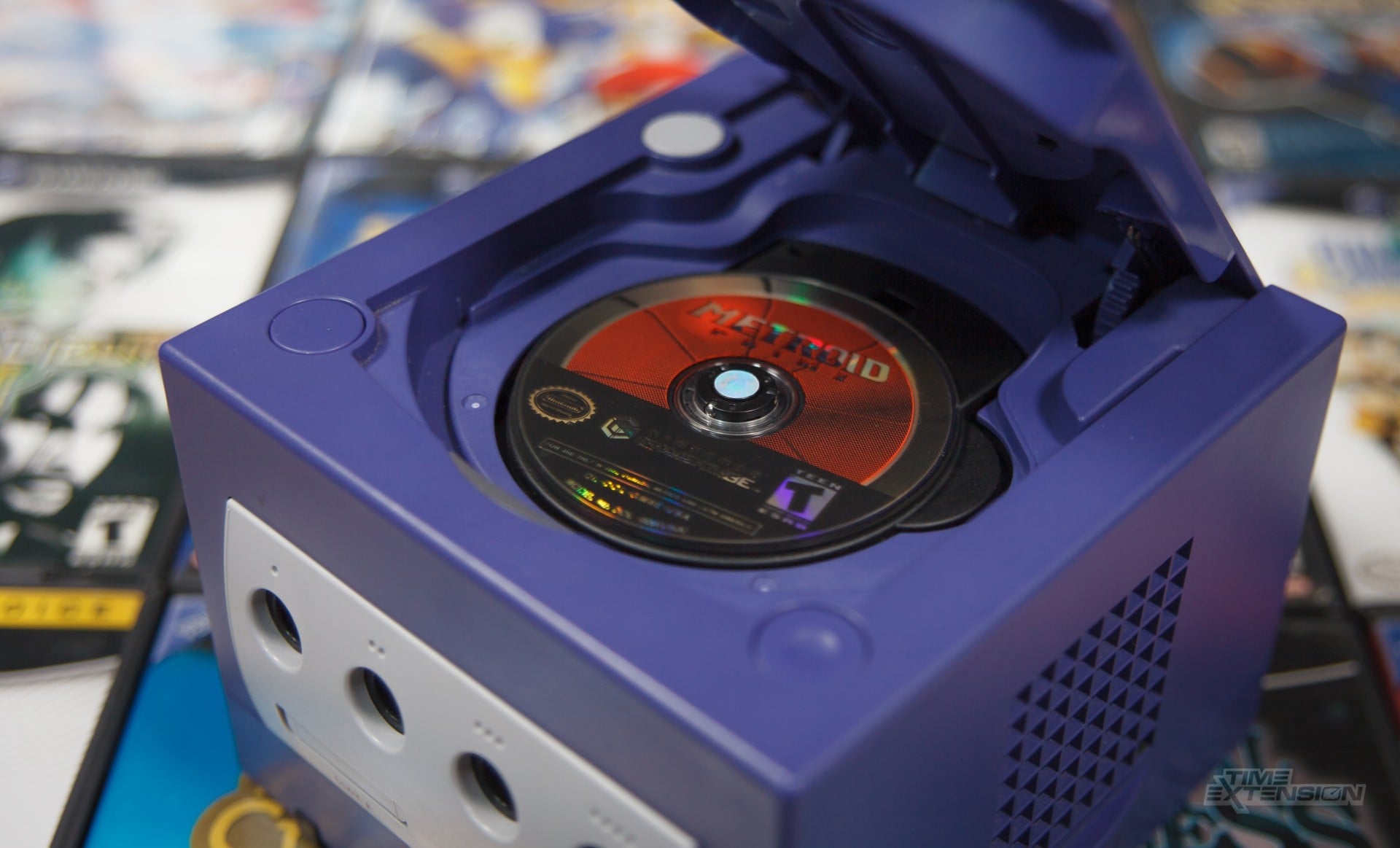
The core functionality of OmniDrive lies in its ability to modify the firmware of compatible drives, allowing them to bypass the proprietary encodings and physical layouts of game discs from consoles such as the Nintendo GameCube, Wii, and Microsoft Xbox 360. This means that for the first time, a widely available and relatively inexpensive PC component can be repurposed to create bit-perfect digital archives of these beloved physical games. The project is openly available on GitHub, developed by RibShark, and has quickly garnered attention from the game preservation community.
Beyond the fully supported consoles, OmniDrive also extends its capabilities to partially rip discs from more modern systems, including the PlayStation 3, PlayStation 4, PlayStation 5, Xbox Series X/S, and Wii U. While these discs can be read, the data remains encrypted, meaning further decryption steps are required before they can be played via emulation. Additionally, it supports rips of Sega Dreamcast GD-ROMs, though currently only the low-density area of these complex discs can be read, presenting an ongoing challenge for complete preservation of this format.
The primary implication of OmniDrive is the empowerment it provides to individual users, allowing them to legally back up their personal disc libraries. This capability is crucial for those who wish to play their games via emulation without resorting to potentially illicit online downloads, thereby strengthening the legal standing of personal game archiving and the broader game preservation movement. Compatibility information, including a detailed list of optical drive model numbers known to work with OmniDrive, is meticulously maintained on the Disc Preservation Project Wiki, which is a key resource for users looking to implement this modification.
The Imperative of Game Preservation in the Digital Age
The advent of OmniDrive arrives at a critical juncture for video game preservation. In an increasingly digital landscape, the longevity of game titles is often precarious. Games can be delisted from digital storefronts, server shutdowns can render online-dependent titles unplayable, and even physical media is susceptible to degradation over time. The concept of "digital rot" is a stark reality, threatening to erase significant portions of gaming history.
Historically, the preservation of video games has been a laborious and often technically challenging endeavor. Early efforts involved specialized hardware, custom-built modchips, and console-specific drives to extract data from proprietary formats. Communities like Redump.org and No-Intro have been at the forefront of these efforts, meticulously cataloging and verifying bit-perfect copies of game ROMs and ISOs. Their work has been essential in creating comprehensive databases of game releases, ensuring accuracy and integrity. However, the methods often required significant technical expertise and investment in niche hardware, making participation limited to dedicated enthusiasts and professional archivists.
The legal landscape surrounding game preservation has also been complex. Copyright laws, such as the Digital Millennium Copyright Act (DMCA) in the United States, have often created grey areas regarding the legality of creating backups of copyrighted software, even for personal use. While exemptions for preservation and personal backups exist in many jurisdictions, the technical barriers to performing such backups often meant that users either relied on legally dubious online sources or simply couldn’t preserve their own collections. OmniDrive, by offering a straightforward and technically legal pathway for personal backups, directly addresses this challenge, aligning with the spirit of fair use and personal archiving rights.
OmniDrive’s Technical Architecture and Supported Formats
At its heart, OmniDrive is a sophisticated firmware modification tailored for specific optical disc drives. The crucial component is the MediaTek MT1959 chipset, found in a range of Hitachi-LG Data Storage Blu-Ray drives. These drives, while standard for Blu-Ray, possess the underlying hardware flexibility that RibShark’s modification exploits.
The primary technical hurdle OmniDrive overcomes is the proprietary nature of game disc formats. Unlike standard data CDs or DVDs, console game discs often employ unique physical layouts, sector arrangements, and error correction codes designed to prevent unauthorized copying and ensure compatibility only with their respective consoles. For example:

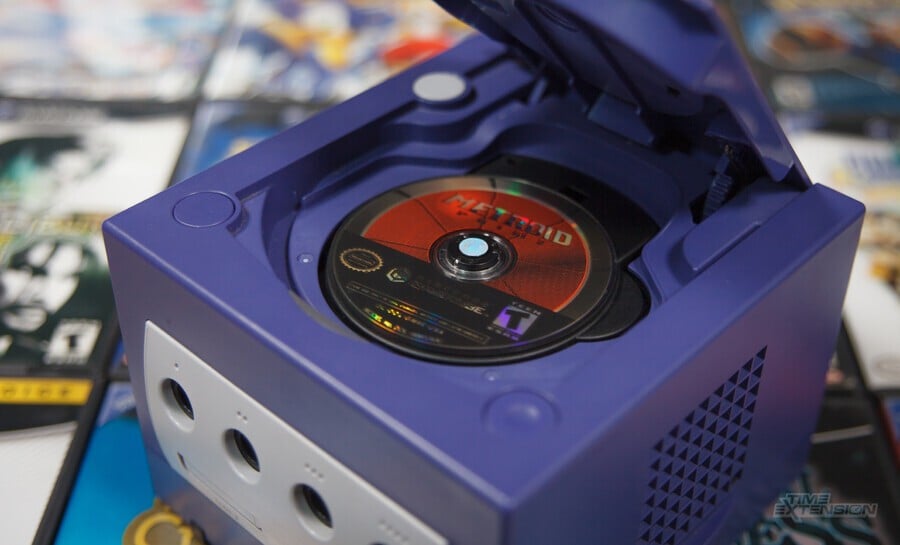
- Nintendo GameCube and Wii: These consoles utilize proprietary mini-DVD and full-size DVD formats with unique data structures. Standard PC DVD drives simply cannot interpret these formats correctly.
- Microsoft Xbox 360: Xbox 360 discs, particularly later XGD3 titles, incorporate a unique "security sector" and a slightly larger capacity than standard dual-layer DVDs, which made them notoriously difficult to rip accurately with conventional PC drives.
- Sega Dreamcast GD-ROMs: The GD-ROM (Gigabit Disc Read-Only Memory) format was Sega’s proprietary high-density optical disc. It features a unique spiral track with a "low-density" area readable by standard CD-ROM drives and a "high-density" area that required the Dreamcast’s specific GD-ROM drive to read. OmniDrive’s current limitation to the low-density area means that full, playable GD-ROM images still require alternative, more complex methods.
OmniDrive modifies the drive’s firmware to enable raw data access to these non-standard disc structures. Instead of trying to interpret them as standard data discs, it allows the drive to read the physical sectors directly, enabling the creation of bit-for-bit accurate images (ISOs) of the discs. This process is akin to a low-level data extraction, bypassing the higher-level file system interpretation that typically fails with proprietary game discs.
While OmniDrive can read encrypted discs from PlayStation 3, 4, 5, and Xbox Series consoles, it’s vital to understand the distinction. Reading the raw data is one step; decrypting it into a playable format is another, far more complex challenge. These newer consoles employ robust encryption schemes tied to their hardware, making full, playable rips of these titles contingent on separate decryption tools and methods that are outside the scope of OmniDrive’s current capabilities. Nonetheless, being able to read the raw data is a critical first step for future decryption efforts by the community.
Users interested in leveraging OmniDrive must first verify their Blu-Ray drive’s compatibility. The Disc Preservation Project Wiki (wiki.redump.org/index.php?title=OmniDrive) serves as the definitive resource, listing specific HLDS model numbers and their MediaTek MT1959 chipset variants that are known to work. This careful documentation by the community ensures that potential users can make informed decisions before attempting the firmware modification.
Chronology of Development and Community Impact
The development of OmniDrive represents a culmination of years of community effort and reverse-engineering within the game preservation scene. While RibShark’s public release on GitHub is a recent event, the underlying research into optical drive chipsets and proprietary disc formats has been ongoing for well over a decade.
- Pre-OmniDrive Era: For many years, ripping classic console discs often involved highly specialized and often expensive hardware setups. For GameCube/Wii, this might have included modded consoles with specific homebrew software or custom-built external drives. Xbox 360 ripping frequently required specific Lite-On drives and dedicated software tools, often involving flashing custom firmware that was not always straightforward or widely accessible. Dreamcast GD-ROMs posed an even greater challenge, with methods like the "SD card adapter" requiring physical modification of the console itself.
- RibShark’s Breakthrough: RibShark’s work on OmniDrive likely began with in-depth analysis of the MediaTek MT1959 chipset, recognizing its potential for low-level access. This involved reverse-engineering the drive’s internal communication protocols and firmware structure to understand how to inject custom code without bricking the device.
- Public Release and Adoption: Upon its public release on GitHub, OmniDrive was met with immediate enthusiasm from the game preservation community. Its ease of use, relative to previous methods, and its reliance on a common PC component (a Blu-Ray drive) made it instantly more accessible.
- Integration with Redump.org: The Disc Preservation Project, particularly through its Redump.org initiative, quickly integrated OmniDrive into its workflows. Redump.org, a community dedicated to creating and verifying perfect copies of optical discs, became a central hub for sharing compatibility lists, troubleshooting, and documenting the ripping process. This symbiotic relationship ensures that OmniDrive’s capabilities are leveraged to their fullest for the broader goal of digital archiving.
- Ongoing Evolution: As with many open-source projects, OmniDrive is expected to evolve. Future updates could potentially expand compatibility to more drive models, improve ripping speeds, or even address some of the current limitations, such as the full reading of Dreamcast GD-ROMs.
Broader Implications for Gamers, Preservationists, and the Industry
OmniDrive’s introduction carries far-reaching implications across several sectors:
For Gamers:
- Empowered Ownership: Gamers can now truly "own" their physical collections in a digital sense. They can create verifiable backups, ensuring their games remain playable long after the original discs degrade or consoles become non-functional.
- Legitimate Emulation: The tool provides a legally unambiguous path to acquire game ROMs/ISOs for use with emulators. This significantly enhances the legitimacy of emulation as a means of playing classic games, moving away from the grey area of downloading files from unknown online sources.
- Accessibility: By allowing users to rip their games, OmniDrive makes classic titles more accessible to a new generation of players who may not have access to original hardware or wish to experience games with modern enhancements offered by emulators (e.g., upscaling, save states).
For Preservationists and Archivists:
- Streamlined Archiving: OmniDrive simplifies and accelerates the process of creating accurate digital archives of optical media. This is a massive boon for organizations and individuals dedicated to preserving gaming history.
- Reduced Barrier to Entry: The lower technical and financial barrier to entry means more individuals can contribute to preservation efforts, expanding the collective power of the community.
- Enhanced Data Integrity: By enabling bit-perfect rips, OmniDrive contributes to the creation of highly accurate game images, which is paramount for authentic preservation.
For the Gaming Industry and Legal Frameworks:
- Reinforcing Personal Backup Rights: OmniDrive tacitly reinforces the legal principle in many regions that individuals have the right to create personal backups of media they lawfully own.
- Potential for Dialogue: The existence of such a widely adopted tool might open new dialogues between copyright holders and preservation communities regarding official archiving solutions or clearer guidelines for consumer rights.
- Future-Proofing Legacy Content: While game publishers largely focus on current and future titles, tools like OmniDrive ensure that the cultural and historical legacy of their older works is not lost to time and technology obsolescence.
Challenges and Future Considerations
Despite its revolutionary nature, OmniDrive is not without its challenges and areas for future development:
- Technical Proficiency Requirement: While more accessible than previous methods, performing a firmware modification still requires a degree of technical comfort. Users must follow instructions carefully to avoid "bricking" their optical drive.
- Hardware Sourcing: Compatible Hitachi-LG Data Storage drives with the specific MediaTek MT1959 chipset might become harder to find as manufacturing shifts. This could lead to increased costs for these specific drives in the aftermarket.
- Encryption Hurdles: The encryption on newer console discs remains a formidable barrier. While OmniDrive can read the raw data, the community will need to develop separate, complex decryption methods for these titles to become fully playable via emulation. This represents a significant ongoing challenge.
- Legal Nuances: While designed for legal personal backups, the specifics of copyright law vary globally. Users must remain aware of their local jurisdiction’s laws regarding personal copies and fair use. The tool itself does not inherently grant rights beyond what existing law provides.
- The Declining Role of Optical Drives: As modern PCs and consoles increasingly move away from optical media, the relevance of Blu-Ray drives in general may wane. This makes OmniDrive’s contribution even more critical for legacy media, but also highlights the need for continued innovation in preservation as technology evolves.
Statements and Community Reactions
From RibShark (Developer, Inferred): "The core motivation behind OmniDrive was to democratize game preservation. For too long, creating accurate backups of console discs required specialized, often expensive, or legally ambiguous methods. By leveraging widely available Blu-Ray drives, we’ve aimed to empower individual gamers and preservationists to secure their digital heritage in a straightforward and legally sound manner. This is a crucial step in ensuring that gaming history doesn’t fade away."

From the Redump.org Community (Inferred): "OmniDrive is a game-changer for projects like Redump.org. It dramatically streamlines the process of accurately documenting and archiving disc-based games, allowing more contributors to participate with less effort. This tool significantly enhances our collective ability to create comprehensive, verified databases of game releases, which is fundamental to long-term preservation efforts."
From Legal Experts (General Perspective, Inferred): "Tools like OmniDrive, which facilitate individuals in exercising their rights to create personal backups of legally owned media, are a positive development within the existing copyright framework. They help clarify the distinction between legitimate personal archiving and illicit distribution, promoting responsible digital ownership. However, users must always ensure their actions comply with their local copyright laws."
The widespread positive reaction from the gaming community underscores the deep-seated desire for secure, personal archives of their beloved game collections. Many have expressed relief and excitement at the prospect of finally being able to legitimately back up games from consoles like the GameCube and Xbox 360, ensuring their longevity for personal enjoyment and future generations.
Conclusion
OmniDrive represents a pivotal advancement in the ongoing effort to preserve video game history. By transforming a common PC peripheral into a powerful tool for reading proprietary console discs, it democratizes the process of creating legal personal backups. This not only empowers individual gamers to safeguard their collections but also significantly bolsters the efforts of community-driven preservation projects like Redump.org. While challenges remain, particularly with encrypted newer generation discs and the eventual obsolescence of optical media itself, OmniDrive stands as a testament to the ingenuity and dedication of the preservation community. It is a vital bridge between the physical legacy of gaming and its enduring digital future, ensuring that countless hours of creative work and cultural heritage remain accessible for years to come.