Cecilia Chamidah Nur
The landscape of retro gaming is undergoing a significant transformation, driven by a persistent demand from enthusiasts to bridge the gap between classic hardware and modern display technology. In a pivotal development, Stanislav Parhomovich, a celebrated figure in the retro modding community, has unveiled a prototype for a Super Nintendo Entertainment System (SNES) modification designed to provide true digital high-definition (HD) video output directly from the original console. This innovation promises to revolutionize how purists experience their cherished 16-bit titles, delivering unparalleled clarity and fidelity on contemporary televisions.
For decades, the enjoyment of classic video games has been intertwined with the inherent challenges of analog video signals. Consoles like the SNES, originally designed for Cathode Ray Tube (CRT) televisions, outputted video via various analog standards such as composite, S-video, and in some regions, RGB SCART. These signals, while perfectly suited for CRTs, face significant compatibility and quality issues when connected to modern HD and 4K displays. The fundamental difference lies in how these displays process images: CRTs utilized an interlaced scanning method that drew lines across the screen, whereas modern flat-panel displays are inherently digital, requiring a precise pixel grid.
The discrepancy between analog output and digital input often results in a degraded visual experience. When an analog signal from an SNES is fed into a modern television, the TV’s internal scaler attempts to convert and upscale the low-resolution, interlaced or progressive analog signal to its native digital resolution (e.g., 1920×1080 for 1080p, or 3840×2160 for 4K). This process frequently introduces undesirable artifacts such as blurry images, jagged pixels, color inaccuracies, and noticeable input lag. The original crisp pixel art, vibrant colors, and smooth scrolling intended by the game developers are often lost in translation, diminishing the authentic retro experience.
To mitigate these issues, the retro gaming community has long sought and developed various solutions. External upscalers, such as the Open Source Scan Converter (OSSC) and the RetroTINK series, have become popular choices. These devices convert analog RGB or component signals into digital HDMI, applying advanced scaling algorithms to produce a cleaner, sharper image with reduced input lag. While highly effective, they still rely on an initial analog signal from the console, meaning there’s an inherent conversion step that can introduce minor signal degradation or processing delays. Furthermore, they represent an additional piece of hardware and cabling, adding to the complexity and cost of a setup.
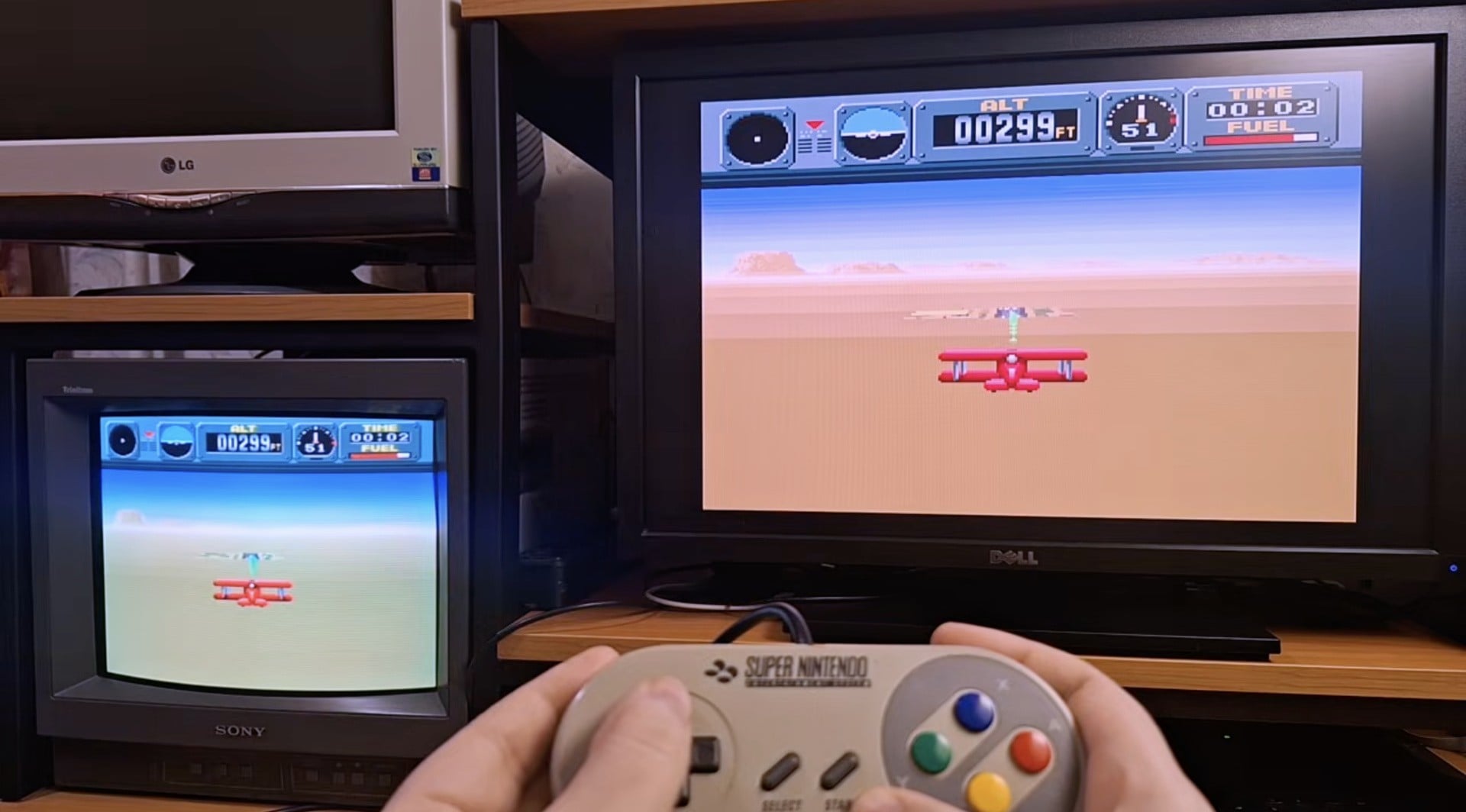
The quest for a truly native digital solution for original hardware has therefore remained a holy grail for many. The idea is to intercept the video signal before it undergoes the console’s internal Digital-to-Analog Converter (DAC), capturing the raw digital video data directly from the graphics chip. This digital data can then be processed and outputted via modern digital interfaces like HDMI, entirely bypassing the problematic analog conversion and subsequent upscaling by the TV or an external device. Such a modification promises pixel-perfect clarity, accurate color reproduction, and minimal to no input lag, effectively making classic games look as pristine as possible on contemporary screens.
The Rise of Digital Alternatives and the Purist Stance
The broader retro gaming market has already seen the emergence of several high-fidelity solutions that offer digital HD output. These generally fall into two categories: software-based emulation systems and hardware-based FPGA consoles.
Emulation-based systems, exemplified by devices like the Polymega, utilize powerful modern processors to run software emulators that mimic the original console’s hardware. These systems can output games at various HD resolutions and often include features like save states, cheats, and the ability to play ROMs from multiple systems. Their primary appeal lies in convenience, versatility, and often a lower barrier to entry. However, a segment of the retro gaming community views emulation with skepticism, citing concerns about input lag, perfect accuracy, and the "feel" of playing on original hardware. While modern emulation has become incredibly sophisticated, some purists maintain that software approximations, no matter how good, can never fully replicate the nuances of dedicated physical circuitry.
Field-Programmable Gate Array (FPGA) consoles, such as the acclaimed Analogue Super Nt for the SNES, represent a more hardware-centric approach. Instead of emulating software, FPGA chips are reconfigured at a gate level to precisely replicate the original console’s integrated circuits. This results in incredibly high accuracy, often indistinguishable from original hardware in terms of timing and behavior, and significantly lower input lag compared to software emulation. Analogue consoles are celebrated for their pristine digital HDMI output, delivering sharp 1080p visuals. They offer an exceptional experience and are highly regarded. However, they are not "original hardware." They are modern recreations, albeit incredibly faithful ones, and many purists still prefer the tactile and historical connection of playing on the actual console released by Nintendo decades ago. The physical plastic, the original power supply, the actual chips – these elements contribute to an intangible sense of authenticity that FPGA consoles, despite their technical brilliance, cannot fully satisfy for some.

It is precisely this demographic – the purists who swear by original hardware – that Stanislav Parhomovich’s latest innovation directly addresses. For years, this group has yearned for a solution that would allow them to connect their original SNES consoles directly to modern displays without compromising visual quality or introducing lag, all while retaining the console’s original components. Parhomovich’s digital video output mod for the SNES is poised to fulfill this long-standing desire.
Stanislav Parhomovich: A Track Record of Innovation
Stanislav Parhomovich is not a newcomer to the intricate world of retro console modifications. He gained significant recognition within the community for his groundbreaking work on the Sega Genesis, specifically for creating the "MegaSwitch HD" mod. This modification provided the Genesis with true digital-to-digital HDMI output, a feat that similarly delighted Sega enthusiasts who sought to preserve their original hardware while enjoying games in high definition. The success of the MegaSwitch HD established Parhomovich’s reputation as a highly skilled engineer capable of tackling complex challenges in retro console design. His previous accomplishment instilled confidence that a similar solution for the SNES was not only possible but likely to be of high quality.
The SNES digital video output mod follows a similar engineering philosophy. While the exact technical specifications and installation process for the SNES mod are still under wraps as it is in a prototype phase, the core concept involves tapping into the console’s digital video data stream before it reaches the SNES’s native DAC (Digital-to-Analog Converter). The SNES’s Ricoh RP2C02 PPU (Picture Processing Unit) generates digital video signals internally before converting them to analog for output. Parhomovich’s mod likely intercepts these digital signals, processes them through a dedicated chip (such as a Field-Programmable Gate Array or a specialized video encoder), and then outputs them directly via an HDMI port. This sophisticated process ensures that the video signal remains entirely digital from the console’s PPU to the modern display, eliminating all the potential signal degradation associated with analog conversion and transmission.
The benefits of such a direct digital output are manifold:
- Crystal-Clear Image Quality: By bypassing analog conversion, the image is rendered with pixel-perfect precision. Every pixel is accurately represented, leading to sharp lines, vibrant colors, and no smearing or blurring often seen with analog connections.
- True HD Resolutions: The mod allows for scaling the original SNES resolutions (typically 256×224 or 512×224) to modern HD standards like 720p or 1080p, ensuring compatibility and optimal display on contemporary televisions.
- Minimal Input Lag: Since the signal remains digital throughout the chain, the processing overhead is significantly reduced compared to external upscalers or internal TV scalers, resulting in an experience with virtually imperceptible input lag. This is crucial for precise gameplay in fast-paced action or fighting games.
- Authenticity: The mod maintains the integrity of the original SNES console, allowing players to use their cherished hardware, original controllers, and game cartridges, providing an authentic retro gaming experience without sacrificing visual quality.
- Simplified Setup: With a direct HDMI output, the need for multiple cables, external upscalers, and complex calibration is reduced, streamlining the retro gaming setup.
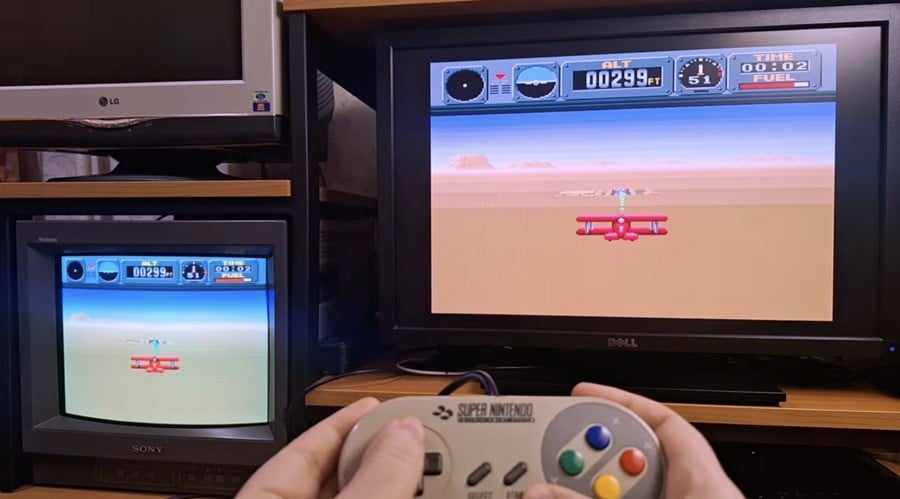
The prototype in action, as shared by Parhomovich on his social media, offers a tantalizing glimpse into the future of SNES gaming for purists. The visual fidelity showcased in the demonstration underscores the transformative potential of this modification.
Timeline and Development Challenges
As of the announcement, the SNES digital output mod is still in its prototype stage. Parhomovich has indicated that there is "no timescale" for its general availability, advising interested parties to monitor his social media channels for updates. This is typical for such intricate community-driven projects, which often involve several phases:
- Conception and Research: Identifying the technical feasibility of intercepting digital signals from the SNES PPU.
- Prototype Development: Designing and fabricating the initial circuit board and software/firmware. This stage often involves extensive trial and error to ensure stability, compatibility, and optimal performance.
- Testing and Refinement: Rigorous testing across various SNES revisions, game titles, and display types to iron out bugs, optimize scaling, and ensure consistent output. Community feedback, if shared, can be invaluable during this phase.
- Manufacturing and Distribution Planning: Once the design is finalized, sourcing components, establishing manufacturing processes, and planning for distribution (e.g., as DIY kits, pre-installed consoles, or through authorized installers).
- Release: Making the mod available to the public.
The challenges in developing and bringing such a mod to market are substantial. They include reverse-engineering console schematics, designing custom PCBs (Printed Circuit Boards) that fit within the console’s tight internal space, writing complex firmware for video processing and scaling, sourcing reliable electronic components, and ensuring ease of installation (or providing professional installation services). Given Parhomovich’s track record with the Genesis mod, it is reasonable to expect that he is meticulously addressing these challenges to deliver a robust and high-quality product.
Implications and Broader Impact

The impending release of a true digital HD output mod for the original SNES carries significant implications for the retro gaming community and the preservation of gaming history.
- Empowerment of Original Hardware Enthusiasts: This mod directly caters to a passionate segment of the retro gaming community that prioritizes original hardware. It removes a major barrier – poor display compatibility – allowing them to enjoy their authentic consoles without compromise. This could revitalize interest in collecting and maintaining original SNES units.
- Enhanced Preservation: By making original hardware more accessible and enjoyable on modern displays, the mod contributes to the broader effort of video game preservation. It encourages the continued use and maintenance of physical consoles and cartridges, rather than solely relying on emulation or FPGA recreations.
- Market Dynamics: While FPGA consoles like the Analogue Super Nt offer an excellent experience, this mod creates a distinct niche. It differentiates itself by offering the "true" original hardware experience with modern display capabilities. It’s not a direct competitor but rather an alternative solution for a specific type of enthusiast. The existence of multiple high-quality options ultimately benefits the consumer, allowing them to choose the solution that best fits their priorities, whether it’s convenience, ultimate accuracy, or original hardware authenticity.
- Potential for Other Consoles: The success of Parhomovich’s Genesis mod and now the SNES prototype could inspire similar efforts for other beloved retro consoles that lack native digital output. The methodology developed for these systems could potentially be adapted or inform future projects for platforms like the Nintendo 64, PlayStation, or Sega Saturn, further expanding the options for purists.
- Economic Impact: The mod will likely stimulate a small but dedicated market for specialized installers, component sales, and even potentially increase the demand for well-maintained SNES consoles. Skilled modders and technicians will find new opportunities to provide installation services, further supporting the retro gaming ecosystem.
While specific official statements from Stanislav Parhomovich regarding the SNES project are primarily limited to his technical updates on social media, his continued dedication to enhancing the retro gaming experience is evident. The announcement has already generated considerable buzz and excitement within online retro gaming forums and communities, with enthusiasts eagerly awaiting further details and a release window. The general sentiment is one of appreciation for his technical prowess and the potential for a transformative retro gaming experience.
In conclusion, Stanislav Parhomovich’s prototype for a digital HD output mod for the original SNES is more than just another modification; it represents a significant leap forward in reconciling classic gaming hardware with contemporary display technology. By providing a true digital signal directly from the console’s core, it promises to unlock an unparalleled level of visual fidelity and responsiveness for retro purists. As the retro gaming community continues to grow and evolve, innovations like this ensure that the magic of consoles like the Super Nintendo Entertainment System can be experienced in their purest form for generations to come, truly bringing 16-bit glories into the HD era. Enthusiasts are encouraged to keep a close watch on Parhomovich’s social media channels for the latest developments on this highly anticipated project.