Johny Imanuel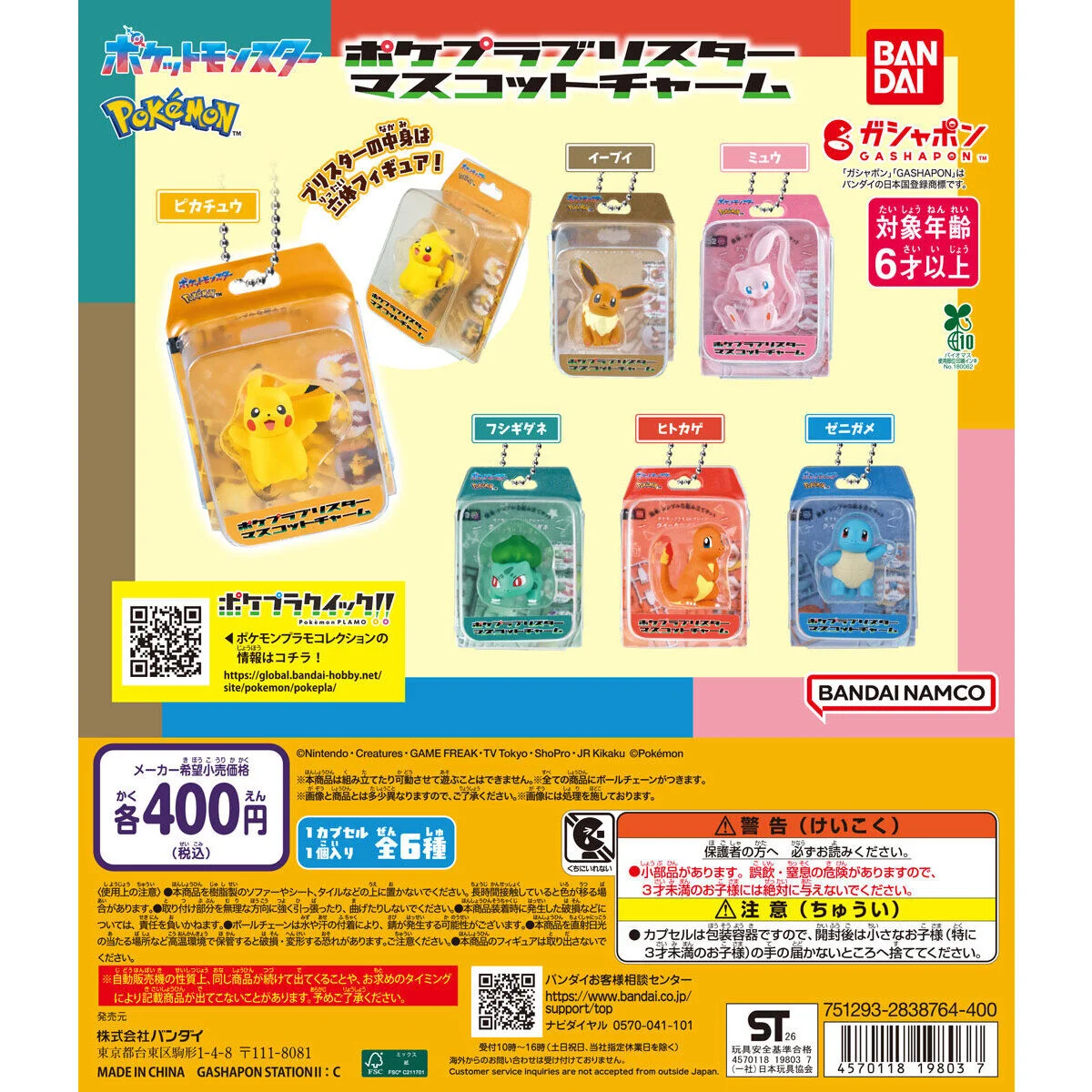
Detailed Product Overview and Design Philosophy
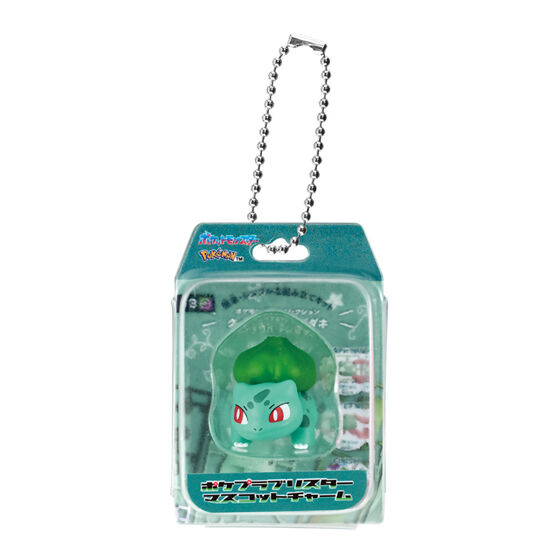
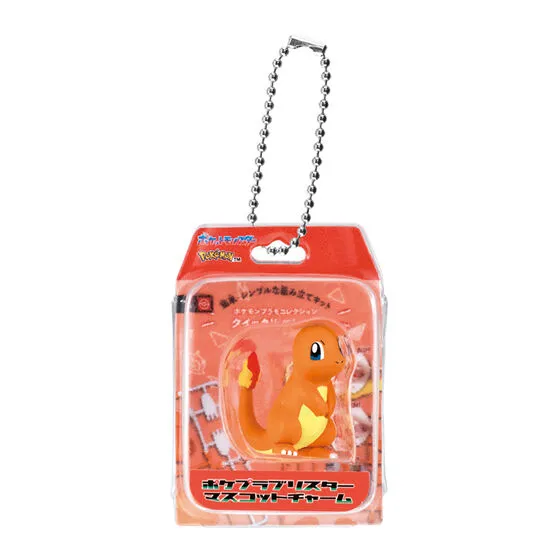
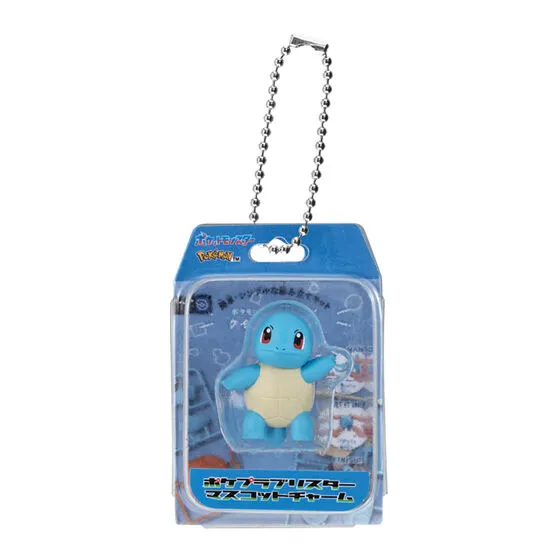
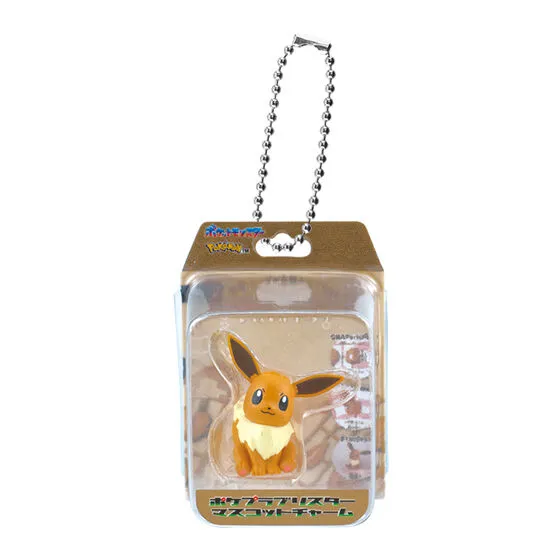
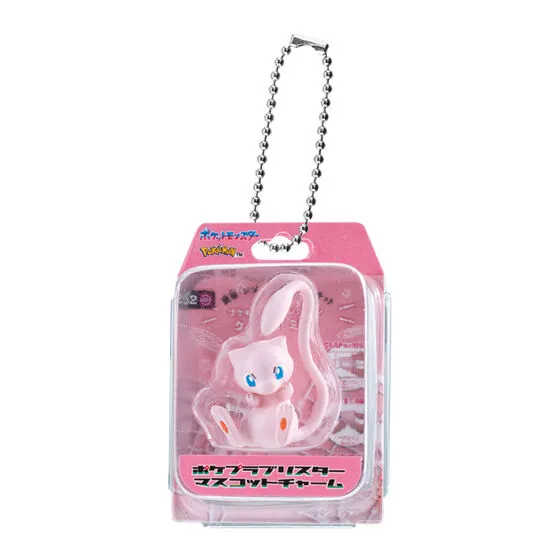
The new collection consists of six distinct designs, each meticulously crafted to resemble a finished Pokepla Quick model kit housed within its original retail blister packaging. Unlike the actual model kits, which require assembly, these keychains are static replicas intended for display or use as accessories. The design aesthetic emphasizes nostalgia and the "unboxing" experience, featuring a transparent front that showcases the Pokemon figure and a detailed backing card.
The back of each keychain package includes miniature reproductions of the original model kit instructions and reference images. These details illustrate the "snap-fit" nature of the Pokepla Quick line, showing how pieces are removed from the sprue (the plastic runner frame) and assembled without the need for tools or glue. By including these visual cues, Bandai Namco aims to appeal to the "plamo" (plastic model) community, reinforcing the identity of the product as a tribute to the hobby itself.
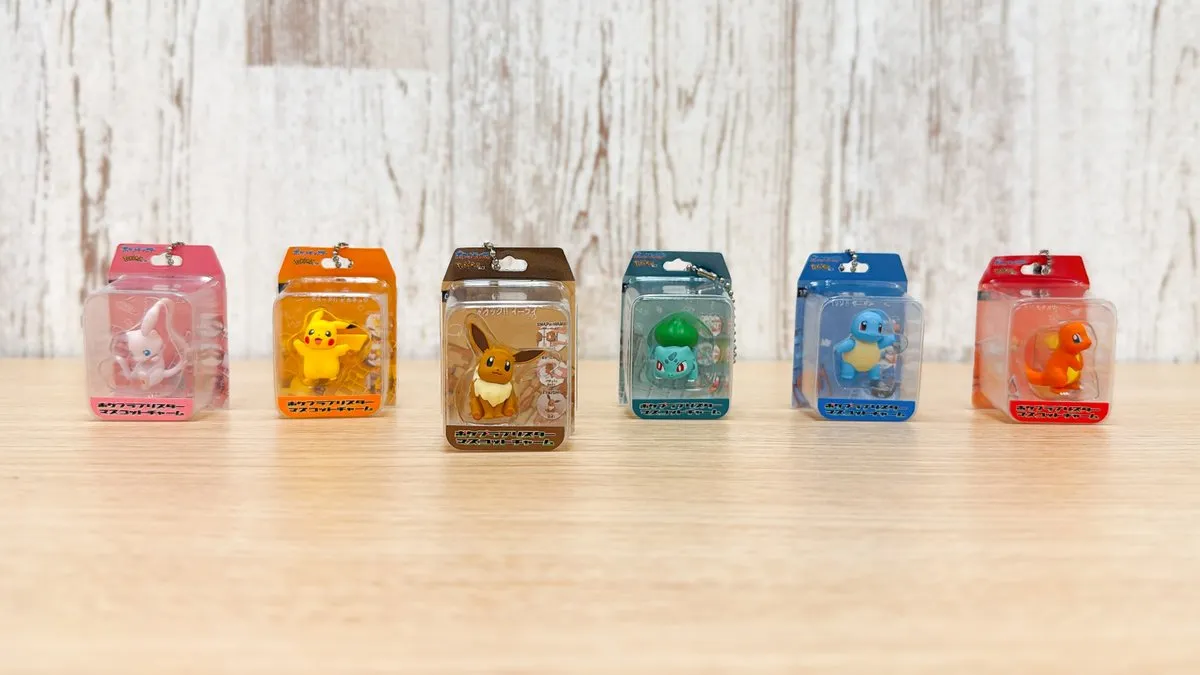
The initial lineup focuses heavily on iconic characters from the Kanto region, alongside the franchise mascot. The six featured Pokemon include:
- Pikachu (#1): Representing the first entry in the Pokepla Quick series.
- Mew (#2): The Mythical Pokemon that followed shortly after the line’s inception.
- Eevee (#4): A fan-favorite known for its popularity in the model kit community.
- Charmander (#11): The Fire-type starter from the original Red and Blue versions.
- Bulbasaur (#13): The Grass-type starter, representing the middle of the early Pokepla release schedule.
- Squirtle (#17): The Water-type starter, rounding out the classic trio.
While the numbering reflects the official Pokepla Quick release order, the Gashapon series has skipped several entries—such as Scorbunny (#3) and Piplup (#6)—to prioritize the high-marketability of the Kanto starters and Eevee.
The Evolution of Pokepla: Background and Context
To understand the significance of these keychains, one must look at the history of the "Pokemon Plastic Model Collection." Launched by Bandai Hobby, the Pokepla line was designed to bridge the gap between action figures and traditional scale modeling. The "Quick!!" sub-series was introduced specifically to cater to younger fans and beginners. These kits are characterized by their "Touch Gate" technology, which allows parts to be snapped off the runners by hand, eliminating the need for side cutters or nippers.
Since its debut, the Pokepla Quick line has become a staple of the Bandai Namco hobby portfolio. By 2024, the line had expanded to include dozens of Pokemon, becoming a gateway for many fans into the broader world of Gunpla (Gundam Plastic Models) and other Bandai model kits. The decision to create keychains based on these kits suggests that the Pokepla branding has reached a level of cultural recognition where the packaging itself is considered an iconic design element worthy of replication.
Chronology of Bandai Namco’s Pokemon Gashapon Strategy
The announcement of the Pokepla replica keychains follows a consistent release schedule from Bandai’s Gashapon division. In recent years, the company has pivoted toward high-detail miniatures that replicate real-world objects or other hobby items.
- Late 2023 – Mid 2024: Bandai released several "miniature collection" series featuring tiny versions of household appliances, arcade cabinets, and even miniature Bandai Gashapon machines.
- Late 2025: Bandai launched a dedicated line of Fire-type Pokemon keychains. This series featured a diverse range of characters, including Fennekin, the final evolution Charizard, and the Mythical Pokemon Victini. This set established the 400-yen price point as the standard for premium, high-detail Pokemon Gashapon.
- May 2026: The projected release of the Pokepla Quick replica series. This timeline suggests a long-term production cycle, allowing Bandai to synchronize the release with potential refreshes of the actual model kit line.
This chronology demonstrates Bandai Namco’s strategy of leveraging its internal IP (Intellectual Property) across different departments. By having the Gashapon division create products that celebrate the Hobby division’s output, the company creates a self-referential ecosystem that encourages cross-brand loyalty.
Supporting Data: The Gashapon Market and Pokemon Licensing
The Gashapon industry in Japan has seen a significant resurgence in the post-pandemic era. According to industry reports from the Japan Toy Association, the "capsule toy" market surpassed 60 billion yen (approximately $400 million USD) in annual sales recently. This growth is driven by adult collectors who value high-quality miniatures and "kitsch" items over traditional children’s toys.
Pokemon remains one of the most lucrative licenses within this sector. The Pokemon Company International (TPCi) maintains strict quality control over licensed goods, ensuring that even 400-yen Gashapon items meet specific aesthetic standards. The Pokepla Quick replica keychains benefit from this synergy, utilizing the exact 3D assets and packaging art used for the retail model kits.
Market data suggests that "blind box" and Gashapon mechanics drive high repeat-purchase rates. With six items in the set and a random distribution, collectors often require multiple attempts to complete a full set, or they turn to secondary markets where popular characters like Pikachu and Eevee often command prices significantly higher than the initial 400-yen investment.
Official Responses and Distribution Logistics
While official statements from Bandai Namco’s PR department remain focused on the domestic Japanese market, the company’s history with the Pokepla brand provides insight into international availability. Bandai Namco model kits are distributed globally through partners like Bluefin (in North America) and are sold in major retailers such as Target, Hobby Lobby, and specialized hobby shops.
Historically, Bandai Gashapon items follow a different distribution path than model kits. While the kits are readily available worldwide, the capsule toys often remain exclusive to Japan for several months. However, the rise of "Gashapon Department Stores" in international cities like London, New York, and Taipei increases the likelihood of a formal overseas release.
Retailers specializing in Japanese imports, such as Amazon Japan, SimplyToyz, and HobbyLink Japan, are expected to carry the keychains for international buyers shortly after the May 2026 launch. These platforms typically sell the items in complete sets or as individual "blind" capsules, catering to the global Pokemon fanbase that may not have access to physical Gashapon machines.
Broader Impact and Industry Implications
The introduction of Pokepla replica keychains highlights a broader shift in the toy industry toward "miniaturization" and "meta" products. As living spaces in urban environments become smaller, many collectors are opting for "desk-sized" hobbies. A keychain that represents a model kit allows a fan to express their interest in the hobby without the shelf space required for a full collection of 1/10 scale figures.
Furthermore, this product line serves as an effective marketing tool for the actual Pokepla kits. A consumer who purchases a keychain of the Bulbasaur Quick kit may be prompted to seek out the full-sized version to experience the assembly process firsthand. This "cross-pollination" between product categories is a hallmark of Bandai Namco’s integrated business model.
From a manufacturing standpoint, the use of blister pack replicas allows Bandai to utilize high-quality printing on the backing cards to provide a sense of complexity, while the internal figure remains a relatively simple PVC or ABS mold. This balance of high perceived value and efficient manufacturing is key to maintaining the 400-yen price point in an era of rising material costs.
Conclusion and Future Outlook
As the May 2026 release date approaches, it is likely that Bandai Namco will announce a second "wave" of these keychains if the initial Kanto-focused set performs well. Potential candidates for a Series 2 include popular Pokemon like Piplup, Lucario, and the Paldean starters (Sprigatito, Fuecoco, and Quaxly), all of which have successful entries in the existing Pokepla Quick model kit line.
The New Pokemon Keychains Are Replicas of Plamo Model Kits announcement represents more than just a new piece of merchandise; it is a celebration of the plastic model hobby itself. By shrinking down the experience of buying and building a Pokemon model into a portable accessory, Bandai Namco continues to find innovative ways to keep the 28-year-old Pokemon franchise fresh and relevant for a diverse global audience. Collectors and hobbyists alike will be watching closely to see if this "miniature of a miniature" trend continues to expand into other iconic Bandai lines, such as Gunpla or 30 Minute Missions.