Johny Imanuel
According to the official broadcast, these titles will be integrated into the PlayStation Plus Premium subscription tier over the next three months. In keeping with Sony’s established protocol for the Classics program, each game will also be made available for individual digital purchase on the PlayStation Store, allowing non-subscribers to acquire the titles piecemeal. This dual-delivery method ensures that the games remain accessible to the broadest possible audience while incentivizing the higher-tier subscription service.
Summer 2026 Release Schedule and Chronology
The rollout of these classic titles follows a structured monthly cadence designed to maintain engagement throughout the summer season. Each release represents a different genre and era of the PlayStation 2’s diverse library, showcasing Sony’s commitment to preserving a wide variety of gameplay experiences.
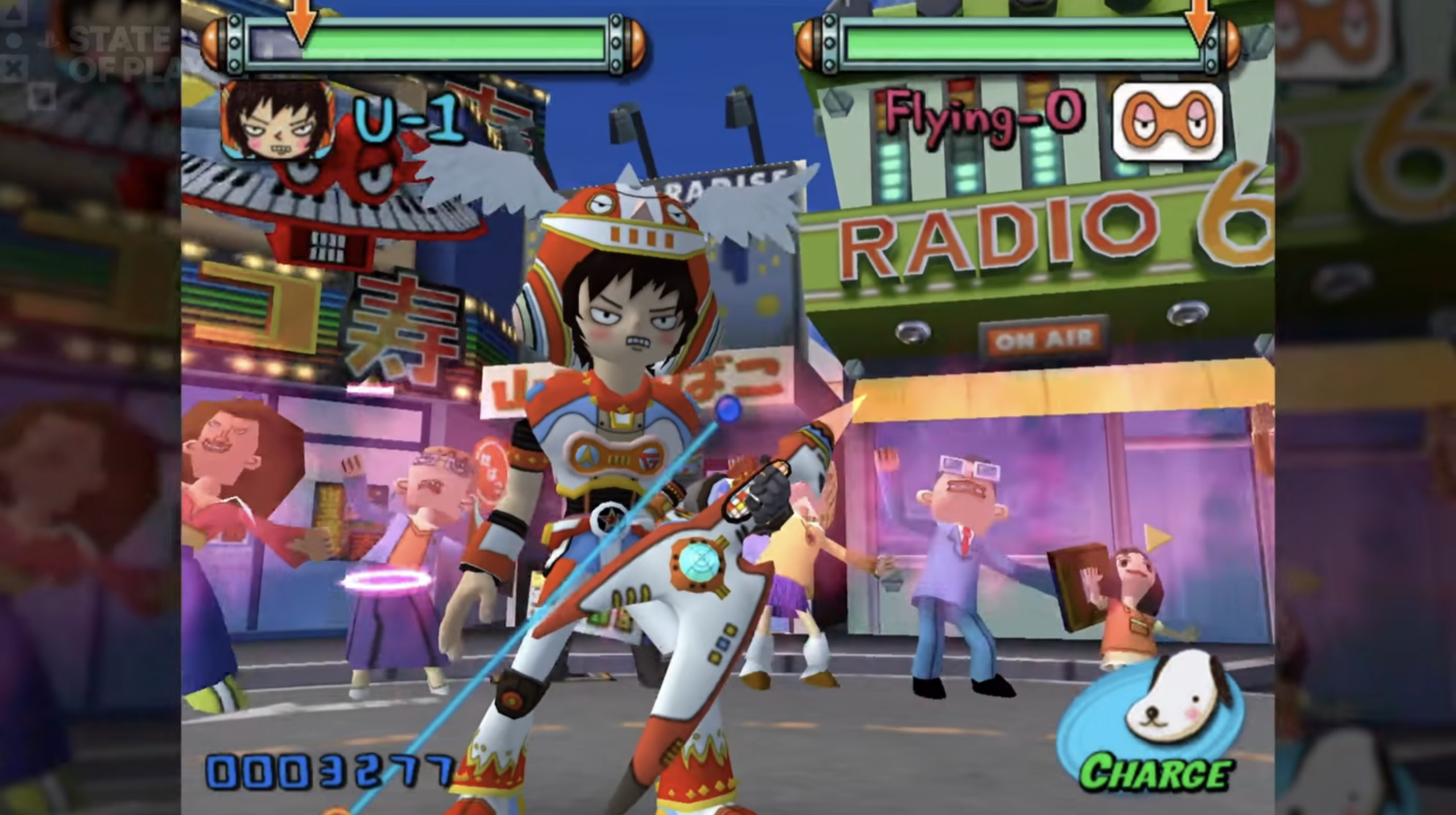
June 2026: Gitaroo Man
The summer season begins in June with the return of Gitaroo Man. Originally developed by iNiS and published by Koei, Gitaroo Man first debuted on the PlayStation 2 in 2001 (Japan) and 2002 (North America and Europe). The game is widely regarded as one of the most creative entries in the rhythm genre, featuring a unique visual aesthetic designed by artist Mitsuru Nakamura (326) and a genre-bending soundtrack that spans rock, hip-hop, and Latin influences. The title later received a handheld port, Gitaroo Man Lives!, on the PlayStation Portable (PSP) in 2006, which introduced additional content and multiplayer modes.
July 2026: Psi-Ops: The Mindgate Conspiracy
In July, the focus shifts to the action-stealth genre with Psi-Ops: The Mindgate Conspiracy. Developed and published by Midway in 2004, the game earned critical acclaim for its innovative use of physics-based gameplay. Players take on the role of Nick Scryer, a psychic operative who utilizes telekinesis, pyrokinesis, and mind control to dismantle a terrorist organization. At the time of its release, the game was noted for its integration of the Havok physics engine, allowing for environmental interactions that were considered revolutionary for the sixth generation of consoles.
August 2026: Onimusha: Dawn of Dreams
The quarterly roadmap concludes in August with Onimusha: Dawn of Dreams. Released by Capcom in 2006, this title serves as the sixth installment overall and the fourth main entry in the Onimusha franchise. Set roughly fifteen years after the events of Onimusha 3: Demon Siege, the game follows a new protagonist, Hideyasu "Soki" Yuki, in his quest to thwart the supernatural ambitions of Toyotomi Hideyoshi. Unlike its predecessors, which featured fixed camera angles and "tank" controls, Dawn of Dreams introduced a fully 3D camera system and a robust ally-command mechanic, marking a major evolution for the series.
Technical Enhancements and Modern Standards
As with previous entries in the PlayStation Classics line, these upcoming releases are expected to feature modern quality-of-life improvements. While Sony did not detail every specific enhancement for each title during the State of Play, the emulator used for PS1, PS2, and PSP titles typically supports several key features:
- Resolution Upscaling: Modern hardware allows these legacy titles to be rendered at higher resolutions, providing a sharper image on 4K and 1080p displays compared to the original standard-definition output.
- Rewind and Quick Save: These features allow players to undo mistakes instantly or save their progress at any moment, mitigating the difficulty spikes often found in older titles.
- Trophy Integration: Many first-party and select third-party Classics receive full Trophy support, including Platinum Trophies, to incentivize modern completionists.
- Custom Video Filters: Players can typically choose between original aspect ratios, stretched widescreen, or CRT filters to replicate the aesthetic of vintage television sets.
The June State of Play highlighted that these features are becoming standard for the service. For example, the May 2026 release of Time Crisis introduced gyro-aiming support, a feature specifically requested by the community to simulate the light-gun experience using the DualSense controller’s motion sensors. Similarly, April 2026 saw the return of Wild Arms 4, which benefited from improved frame rate stability on the PlayStation 5.
Contextual Background: The State of Play June 2026
The announcement of these Classics was a centerpiece of the June 2, 2026, State of Play, an event Sony uses to communicate directly with its global fanbase. This particular showcase focused heavily on the intersection of legacy content and new hardware capabilities. Industry analysts suggest that Sony’s continued investment in the Classics catalog is a direct response to the increasing consumer demand for video game preservation and the success of competing services like Xbox Game Pass and Nintendo Switch Online.
By securing third-party titles from publishers like Capcom, Koei Tecmo, and the current holders of the Midway library (Warner Bros. Games), Sony is demonstrating its ability to navigate complex licensing landscapes. Psi-Ops, in particular, has long been a requested title that faced years of "IP limbo," making its inclusion in the 2026 lineup a significant milestone for digital preservationists.
Market Analysis and Subscriber Implications
The addition of Gitaroo Man and Onimusha: Dawn of Dreams serves a strategic purpose within the PlayStation Plus ecosystem. Since the restructuring of PlayStation Plus into three tiers (Essential, Extra, and Premium) in 2022, the Premium tier has relied heavily on the "Classics Catalog" as its primary value proposition.
Market data indicates that the "nostalgia factor" is a potent driver for subscription retention. For many older players, these titles represent a return to the "Golden Age" of the PlayStation 2, while for younger players, they offer a curated look at gaming history. Onimusha: Dawn of Dreams, for instance, is a substantial title spanning two discs in its original physical format, offering dozens of hours of gameplay that adds tangible value to the annual subscription cost.
Furthermore, the decision to sell these games individually addresses a common criticism of subscription-only models. By providing a "buy-to-own" option, Sony maintains a secondary revenue stream from "legacy enthusiasts" who may not wish to commit to a monthly service but are willing to pay a premium for specific titles from their youth.
Official Responses and Community Reception
While official statements from Capcom and Koei Tecmo were brief, representatives indicated satisfaction with bringing these titles to a new generation. A spokesperson for Capcom noted that the Onimusha series continues to hold a "special place" in the company’s history, and bringing Dawn of Dreams to the PS5 allows the developers to see how the game’s mechanics hold up in a modern context.
Community reaction following the State of Play has been largely positive. Social media platforms and gaming forums saw a surge in mentions of Gitaroo Man, with fans praising the inclusion of niche titles that were previously difficult to find or expensive to purchase on the secondary market. The inclusion of Psi-Ops also sparked discussions regarding the potential for a revival of the franchise, as the game famously ended on a "To Be Continued" cliffhanger that was never resolved due to Midway’s eventual bankruptcy and the sale of its assets.
Impact on the Gaming Landscape
The release of these three titles highlights a broader trend in the industry: the transition of the "retro" label from the 8-bit and 16-bit eras to the 128-bit era of the early 2000s. As the PlayStation 2 remains the best-selling console of all time, the library of that era represents a goldmine of content for Sony.
By systematically re-releasing these games with modern features, Sony is not only monetizing its history but also ensuring that these titles do not become "abandonware." The technical hurdles of emulating the PS2’s complex "Emotion Engine" architecture have historically made preservation difficult; however, the stability of the current PS4/PS5 emulator suggests that Sony has refined its technology to a point where even demanding titles like Onimusha: Dawn of Dreams can run seamlessly.
As June 2026 approaches, the gaming community awaits the arrival of Gitaroo Man, marking the beginning of a summer dedicated to the celebration of PlayStation’s storied past. With Psi-Ops and Onimusha to follow, the mid-2026 period is shaping up to be a landmark season for the PlayStation Plus Premium service and fans of classic gaming alike.