Cecilia Chamidah Nur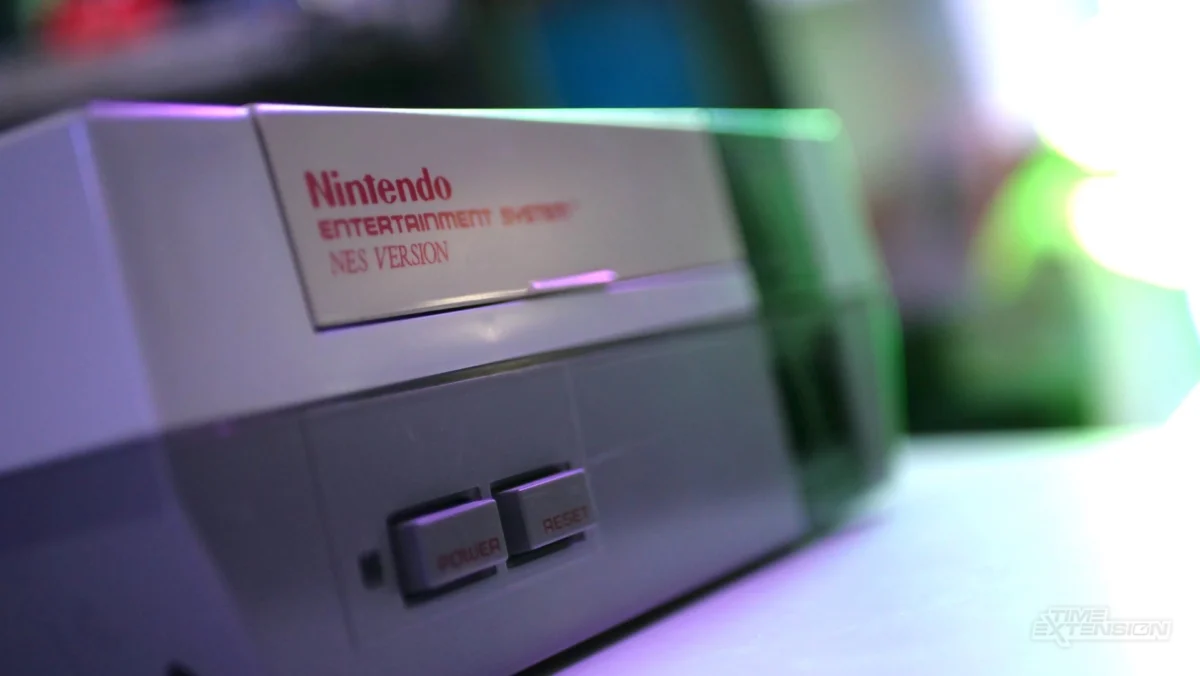
Renowned video game journalist and acclaimed author Simon Parkin is set to release his latest non-fiction work, Trial of the Space Invaders: The Case that Changed Video Games, a meticulously researched account that promises to shed light on one of the most pivotal, yet largely obscured, legal battles in the history of interactive entertainment. Slated for release on January 21st, 2027, the book delves into the autumn 1988 courtroom confrontation between two titans: Magnavox, fiercely guarding its foundational patents, and Nintendo, a burgeoning global powerhouse determined to chart a new course for the industry. This previously untold story, culminating in a secret settlement, is posited by Parkin as a watershed moment that irrevocably altered the trajectory of modern gaming.
The Genesis of a Conflict: Patents, Pioneers, and Spacewar!
At the heart of the 1988 legal showdown was the fundamental question of who truly invented the video game, and, more critically, who held the rights to its very concept. Magnavox, a venerable electronics company, had long asserted its claim through a formidable portfolio of patents, most notably U.S. Patent 3,728,480, granted in 1973. This patent, colloquially known as the "Television Gaming Display" patent, covered the fundamental process of controlling a video signal to display interactive games on a standard television set. It was the brainchild of Ralph Baer, a brilliant refugee from Nazi Germany who, while working for American defense contractor Sanders Associates in the mid-1960s, conceived and developed what would become the "Brown Box," the prototype for the world’s first home video game console, the Magnavox Odyssey, released in 1972. According to Magnavox’s legal position, Baer was the singular inventor from whose pioneering work the entire commercial video game industry sprang.
However, the historical narrative of video game origins is not without its complexities. Parkin’s research introduces a crucial counterpoint: the independent development of Spacewar! in the early 1960s. While Baer was conceptualizing his television gaming system, a group of brilliant young engineers and programmers at Stanford University (and originally at MIT) were engaging in "galactic battle" with Spacewar!, a thrilling new game programmed for the PDP-1 mainframe computer. Developed by Steve Russell, Martin Graetz, and Wayne Wiitanen in 1962, Spacewar! was an early, influential computer game that spread through academic circles, predating the commercialization efforts of Baer and Magnavox. Its existence as "prior art" — a piece of evidence demonstrating that the invention was already known or used before the patent application — would become a central pillar of Nintendo’s defense. The contention was that if Spacewar! demonstrated the core concepts of interactive video gaming prior to Baer’s patent filings, then Magnavox’s patents might not be as broad or as legally unassailable as they claimed.
Nintendo’s Ascendance and the Patent Obstacle
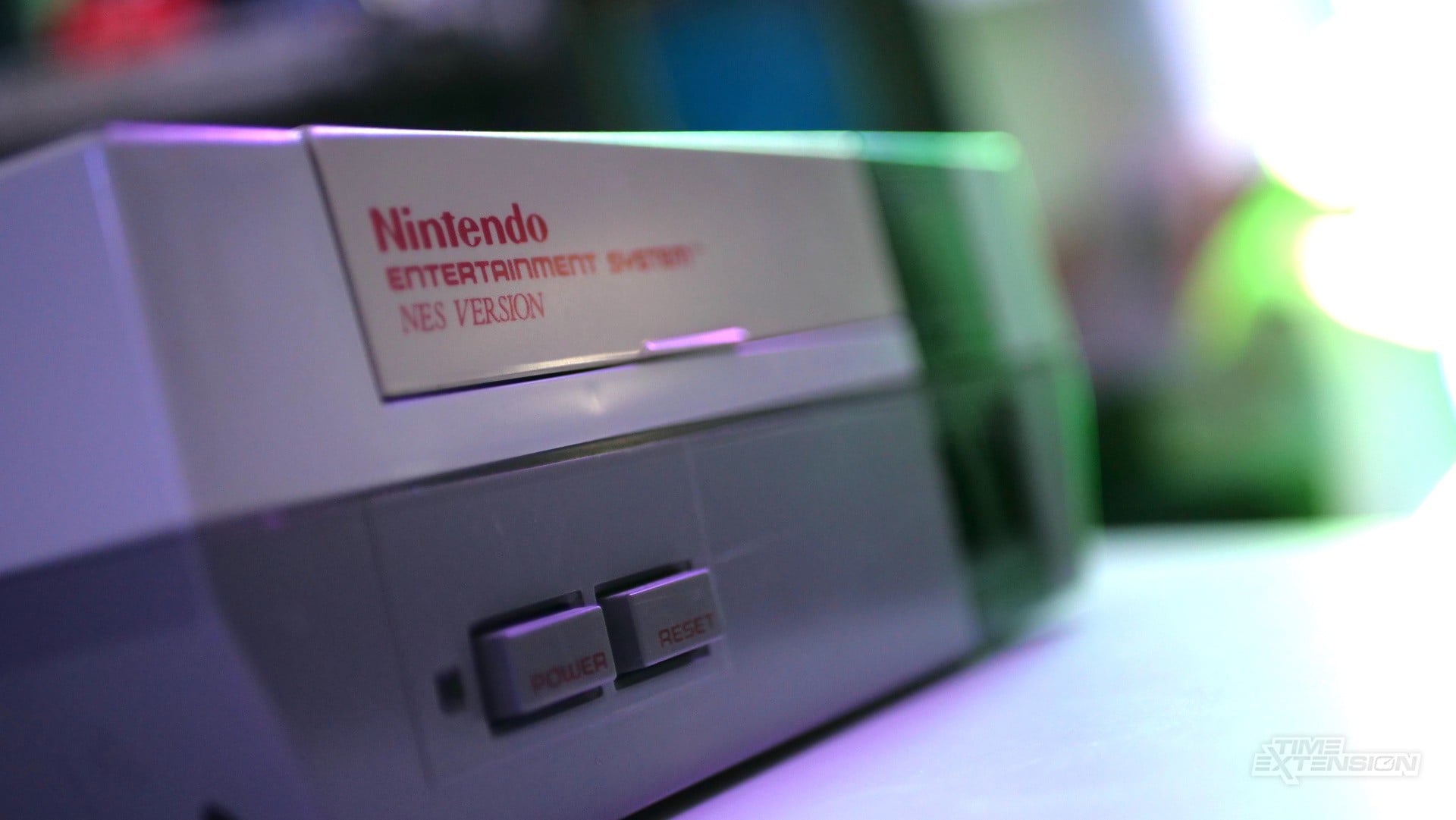
By the late 1980s, Nintendo had established itself as an undeniable creative and commercial superpower in the burgeoning video game industry. Following the North American video game crash of 1983, Nintendo resurrected the console market with the launch of its Nintendo Entertainment System (NES) in 1985 (1983 in Japan). The NES, a technological marvel for its time, was a runaway success, selling tens of millions of units globally and revitalizing consumer interest in home gaming. Titles like Super Mario Bros., The Legend of Zelda, and Metroid became cultural touchstones, establishing Nintendo as a dominant force. The company’s innovative approach to game design, coupled with its stringent quality control and third-party licensing agreements, had created a flourishing ecosystem.
However, this rapid expansion and immense success brought Nintendo directly into the crosshairs of Magnavox’s aggressive patent enforcement strategy. Magnavox had a well-documented history of successfully litigating against numerous video game companies, asserting its patent rights over the fundamental principles of video game technology. Early industry players like Atari, Mattel, and Coleco had all faced Magnavox’s legal challenges, often resulting in significant licensing fees or settlements. The financial implications for these companies were substantial, with some sources estimating that Magnavox had collected tens of millions of dollars in royalties from these settlements by the late 1980s. For a company like Nintendo, which was generating billions in revenue, the specter of these patents represented an existential threat. They were not merely a nuisance; they were, as Parkin states, "crippling innovation in a rapidly expanding industry and costing them millions." The continued assertion of these broad patents threatened to stifle creative development and competition, placing an undue financial burden on companies striving to push the boundaries of interactive entertainment.
The High Stakes of the 1988 Trial
The courtroom in New York City in the autumn of 1988 thus became the battleground for the very soul of the video game industry. For Magnavox, the case was about protecting its intellectual property and the legacy of Ralph Baer, ensuring that the company continued to reap the financial rewards of its foundational inventions. Their legal team would have argued that Baer’s patents covered the commercial implementation of interactive video on television screens, regardless of earlier, non-commercial computer game experiments. They aimed to reinforce their position as the rightful gatekeepers of video game technology.
For Nintendo, the stakes were even higher. The company was not merely fighting for a licensing fee; it was fighting for the freedom to innovate and for the future of the industry itself. Nintendo’s legal strategy hinged on the argument that Magnavox’s patents had been "fraudulently obtained," a bold claim that would require demonstrating either a deliberate misrepresentation to the patent office or the withholding of crucial information, such as the existence of Spacewar! as prior art. If Nintendo could prove that Spacewar! or other similar developments predated Baer’s patentable claims, it could invalidate or significantly narrow Magnavox’s patents, opening the floodgates for unrestricted innovation. The success or failure of Nintendo in this trial would determine whether the burgeoning industry would operate under the shadow of restrictive patent royalties or flourish in a more open, competitive environment.
Industry analysts at the time recognized the monumental implications. One prevailing sentiment among legal experts was that a definitive ruling in favor of Magnavox would severely impede the rapid technological advancements that characterized the industry. It could lead to higher game prices, reduced investment in new hardware and software, and a more consolidated market dominated by companies willing to pay hefty licensing fees. Conversely, a Nintendo victory would be seen as a triumph for innovation and competition, empowering developers and hardware manufacturers to explore new avenues without fear of broad patent infringement claims.
The Unveiling of a Secret Settlement
Despite the immense public and industry interest, the outcome of the 1988 trial has, until now, remained "swathed in mystery," as Parkin aptly puts it. Rather than a decisive public verdict, the case concluded with a secret settlement, the terms of which were never fully disclosed. This lack of transparency has fueled speculation for decades, leaving a significant gap in the documented history of the video game industry.
Parkin’s Trial of the Space Invaders promises to finally expose the details of this deal. A secret settlement implies that both parties found an agreement preferable to the risks and uncertainties of a public trial and a definitive court ruling. For Magnavox, it might have ensured continued, albeit perhaps reduced, royalty streams or a one-time payout, avoiding the risk of their patents being completely invalidated. For Nintendo, it likely meant the removal or significant reduction of the "crippling" financial burden, allowing them to continue their aggressive expansion without the threat of ongoing litigation or prohibitive licensing costs. The decision to keep the terms confidential suggests that aspects of the agreement, or the arguments made during the trial, were sensitive enough to warrant complete discretion. It might have involved strategic compromises on patent scope, financial arrangements, or even non-disclosure clauses regarding the true inventorship debate.
Simon Parkin’s Investigative Journey and Broader Implications
Simon Parkin is uniquely positioned to uncover this hidden chapter. His previous works, including A Game Of Birds And Wolves, The Forbidden Garden of Leningrad, and The Island of Extraordinary Captives, demonstrate a profound ability to blend meticulous historical research with compelling narrative. He is known for diving deep into complex historical events and extracting human stories that reveal broader cultural and societal shifts. In Trial of the Space Invaders, Parkin takes readers on "a thrilling journey from the birth of a new artform to its turning point," promising to illuminate not just the legal specifics but the human ingenuity and ambition that drove both sides of this conflict.
The implications of this secret settlement, once revealed, extend far beyond the immediate financial and legal concerns of Nintendo and Magnavox. Had Magnavox’s broad patent claims been fully upheld and enforced without challenge, the structure of the video game industry could have been dramatically different. Innovation might have been stifled, with companies hesitant to invest in new technologies for fear of costly litigation or exorbitant royalty demands. The competitive landscape could have become far less diverse, favoring only those few entities capable of weathering Magnavox’s legal onslaught.

Conversely, Nintendo’s aggressive stance, even if it concluded in a settlement rather than a definitive legal victory, likely sent a strong signal to the industry. It demonstrated a willingness to challenge established patent claims and fight for the principle of open innovation. The outcome, whatever its specifics, likely influenced how subsequent companies approached intellectual property, fostering a more robust, albeit still legally complex, environment for technological advancement. It may have contributed to a subtle shift in the perception of foundational patents, encouraging a greater scrutiny of prior art and a more nuanced understanding of "invention" in rapidly evolving technological fields. The rapid pace of innovation in the late 1980s and 1990s, characterized by the rise of new consoles, genres, and technologies, arguably benefited from the resolution of this critical legal uncertainty.
Furthermore, the case touches upon the timeless debate about inventorship and intellectual property in the digital age. Who truly "invents" a new medium or technology when multiple individuals or groups are exploring similar concepts independently? Is it the first to conceive, the first to implement, or the first to successfully commercialize? The Magnavox-Nintendo trial grappled with these very questions, and Parkin’s exploration of its resolution promises to offer fresh perspectives on how these fundamental queries shaped, and continue to shape, technological progress and creative industries.
As the launch date of January 21st, 2027, approaches, Trial of the Space Invaders is poised to become an essential text for anyone interested in the legal, technological, and cultural history of video games. By finally pulling back the curtain on this mysterious settlement, Simon Parkin offers not just a historical account, but a critical analysis of a deal that, beneath the surface of public knowledge, profoundly reshaped our culture and the multi-billion dollar industry we know today. Pre-orders for the book are available now, offering enthusiasts and historians alike the chance to be among the first to uncover this long-held secret.