Farhan hamdan
The MiSTer FPGA platform, a cornerstone in the retro gaming and hardware preservation community, has recently seen a significant wave of updates and new developments. These advancements span across core game emulation, user experience enhancements, hardware accessibility, and fundamental system architecture, collectively bolstering MiSTer’s position as a premier solution for authentic retro computing and gaming experiences. From the introduction of a seamless save syncing utility and a universal multi-controller adapter to the release of highly anticipated arcade cores and critical system optimizations, the platform continues to demonstrate robust growth driven by a dedicated global community of developers and enthusiasts. These innovations not only expand the playable library but also refine the interaction and technical foundation of the MiSTer system, addressing long-standing community desires and paving the way for future advancements in hardware-accurate emulation.
Revolutionizing User Experience: Cross-Platform Save Syncing and Universal Controller Support
One of the most impactful user experience enhancements comes from a developer associated with the GolemFPGA project, an alternative frontend for MiSTer FPGA. This individual has introduced 1Retro, a groundbreaking tool designed to synchronize game saves across disparate devices, specifically between a MiSTer FPGA unit and a personal computer. The core functionality of 1Retro is built around a lightweight sync utility that operates silently in the background on the MiSTer. It intelligently monitors designated save directories, detecting any changes to save files. Upon modification, the updated save data is automatically uploaded to the 1Retro cloud. Conversely, if a newer version of a save file is detected in the cloud, 1Retro automatically pulls it down to the MiSTer, ensuring that players always have access to their latest progress, regardless of which platform they last played on. This seamless, automatic synchronization addresses a common frustration for retro gamers who often juggle multiple emulation setups, providing unprecedented convenience and continuity. The implications are far-reaching, enabling players to pick up their favorite retro titles on their PC during a lunch break and seamlessly continue their adventure on their MiSTer-connected television in the evening, without manual file transfers or concerns about version discrepancies. This development reflects a growing trend towards integrated, user-centric solutions within the retro gaming space, prioritizing convenience without compromising the authenticity that MiSTer FPGA is celebrated for.
Complementing the enhanced digital experience is a significant hardware innovation aimed at preserving the tactile authenticity of retro gaming. A Reddit user known as MCA-Retro has unveiled the Multi Controller Adapter, a community-driven project designed to bridge the gap between vintage gaming peripherals and modern hardware. This versatile USB adapter enables users to connect a wide array of original retro gaming controllers to contemporary platforms, including MiSTer FPGA, PCs, and Raspberry Pi devices. The impetus behind MCA-Retro’s creation was the desire for a single, unified solution capable of handling multiple controller types, eliminating the need for a proliferation of single-purpose adapters. While specific supported consoles were not exhaustively detailed in the initial announcement, the vision clearly encompasses popular retro systems from manufacturers like Nintendo, Sega, and Sony, allowing enthusiasts to experience classic games with the controllers they were originally designed for. The adapter provides dedicated ports for various consoles, ensuring a direct and authentic connection. This initiative is particularly significant for MiSTer FPGA users, where the pursuit of hardware accuracy extends beyond video and audio fidelity to the very input devices. The Multi Controller Adapter underscores the community’s commitment to delivering a complete and genuine retro experience, recognizing that the feel of an original controller is an integral part of historical game preservation and enjoyment. The positive reception from the community highlights the demand for such unified solutions that enhance usability while honoring the legacy of classic gaming hardware.
Expanding the MiSTer Arcade Legacy: CoinOp Collection’s Prolific Core Releases
The CoinOp Collection development team continues to be a driving force in expanding the MiSTer FPGA’s arcade game library, demonstrating an unwavering commitment to digital preservation and making historically significant titles accessible. Their recent announcements and releases showcase a diverse range of classic arcade games, spanning various genres and eras.
One notable release is the core for Tumble Pop, a beloved 1991 single-screen platform video game developed by Data East. Tumble Pop, often described as reminiscent of iconic titles like Bubble Bobble, Pang, and Snow Bros., challenges players to capture and burst monsters with a vacuum cleaner, collecting letters to spell "TUMBLE" and advance. The CoinOp Collection team has successfully brought this arcade classic to the MiSTer platform, making it available for download via a public Patreon post. The development of Tumble Pop was not without its complexities, and the team openly shared insights into the challenges they encountered during the reverse-engineering and FPGA implementation process, offering a glimpse into the intricate work required to accurately port these vintage systems. Such transparency not only educates the community but also fosters appreciation for the dedication involved in recreating these arcade experiences.
Following Tumble Pop, CoinOp Collection further enriched the Data East catalog on MiSTer with the release of a core for Psycho-Nics Oscar. This side-scrolling run-and-gun arcade game is built on Data East’s proprietary DECO-8 platform, a hardware architecture that also powered several other notable titles from the era. Psycho-Nics Oscar offers fast-paced action and challenging gameplay, characteristic of the late 1980s arcade scene. The successful emulation of the DECO-8 platform for Psycho-Nics Oscar suggests the potential for future core releases of other games utilizing the same architecture, further solidifying MiSTer’s comprehensive coverage of arcade history.
Beyond completed releases, CoinOp Collection also provided exciting work-in-progress updates for several upcoming cores. Dark Seal, another highly anticipated title, was showcased with a work-in-progress update. Dark Seal is a co-operative top-down beat-em-up set in a fantasy world, offering a blend of action and role-playing elements. The preview demonstrated the team’s progress in accurately emulating this unique arcade experience, promising another engaging multiplayer option for MiSTer users. Similarly, a video depicting a work-in-progress build of the classic arcade game Edward Randy running on MiSTer FPGA was released. Edward Randy is a side-scrolling beat-em-up known for its distinctive art style and character animations. While this core is still under active development and not yet available for public release, the demonstration generated considerable excitement within the community, highlighting the continuous pipeline of new content being developed for the platform.
Perhaps the most high-profile release from CoinOp Collection involves the Midway Z/Y-Unit cores, bringing iconic titles like Mortal Kombat and NARC to MiSTer FPGA. These cores represent a significant leap, as the Midway Z/Y-Unit hardware was pivotal in arcade history, ushering in more complex graphics and gameplay. Mortal Kombat, in particular, is a landmark fighting game that defined a generation, known for its digitized sprites and brutal finishing moves. NARC, an earlier Z-Unit title, pushed boundaries with its gritty theme and advanced sprite scaling. These cores were initially made available to Patreon subscribers of CoinOp Collection. The decision to gate these significant releases behind a paid Patreon tier sparked discussions within the community regarding the balance between supporting developers financially and ensuring broader accessibility of preservation efforts. While development teams often rely on community funding to sustain their labor-intensive work, particularly for complex cores, the details surrounding access to these specific cores were primarily communicated within the paid Patreon tiers. This approach underscores the ongoing dialogue in the retro preservation scene about funding models, intellectual property rights, and the principle of open access to historically significant software. Regardless of the access model, the successful emulation of the Midway Z/Y-Unit marks a substantial technical achievement, allowing MiSTer users to experience these pivotal arcade titles with unparalleled accuracy.
The consistent output from CoinOp Collection exemplifies the dedication within the MiSTer community to not only emulate but also preserve the vast and diverse history of arcade gaming. Their efforts ensure that these digital artifacts remain playable and accessible for future generations, contributing significantly to the cultural heritage of video games.
Technical Deep Dives and Hardware Supply Chain Enhancements
Beyond game-specific cores, the MiSTer FPGA ecosystem is also witnessing crucial advancements in its underlying technical architecture and hardware availability, reinforcing its foundation for future growth.
Developer Spark2k06 has undertaken a significant project to migrate the PCXT core’s video memory handling from FPGA BRAM (Block RAM) to SDRAM (Synchronous Dynamic Random-Access Memory). This technical endeavor specifically targets the Hercules, CGA (Color Graphics Adapter), Tandy, and EGA (Enhanced Graphics Adapter) graphics modes. The shift from BRAM, which is embedded within the FPGA chip and has limited capacity, to external SDRAM provides a much larger and more flexible memory pool. The primary objective of these changes is to enhance the long-term scalability of the PCXT core’s video subsystem. By utilizing SDRAM, the core gains greater flexibility in handling complex graphics modes and potentially higher resolutions, future-proofing it against the demands of more intricate PC emulation. This optimization is critical for maintaining accurate emulation of vintage PC hardware, which often featured diverse and sometimes unconventional video architectures. Once complete, derived cores, such as the popular Tandy core, will also receive these foundational updates, promising improved performance and stability across the entire PCXT family of emulators. Test cores for EGA are already available, allowing community members to experience and provide feedback on these significant under-the-hood improvements. This type of core system development, though often less visible than new game releases, is fundamental to the MiSTer platform’s long-term viability and its ability to accurately represent a wide spectrum of historical computing systems.
Community-driven development also continues to play a vital role in expanding the MiSTer’s library of playable games, even for lesser-known titles. The addition of the game Cavelon is a testament to this collaborative spirit. A user on the MiSTer FPGA forums expressed interest in FPGA development and sought advice on getting Cavelon working. Through community discussion, developers quickly identified that Cavelon ran on hardware similar to the popular Galaxian/Scramble arcade systems, for which MiSTer cores already existed. This insight streamlined the development process, leveraging existing work. Consequently, Cavelon was successfully added to the MiSTer FPGA’s ever-growing library. Users can now obtain this update by simply running the update all script, demonstrating the dynamic and responsive nature of MiSTer’s development cycle, where community requests often translate directly into new content. This incident highlights the robust interaction between end-users and developers, fostering an environment where niche titles can find a new life on modern hardware.
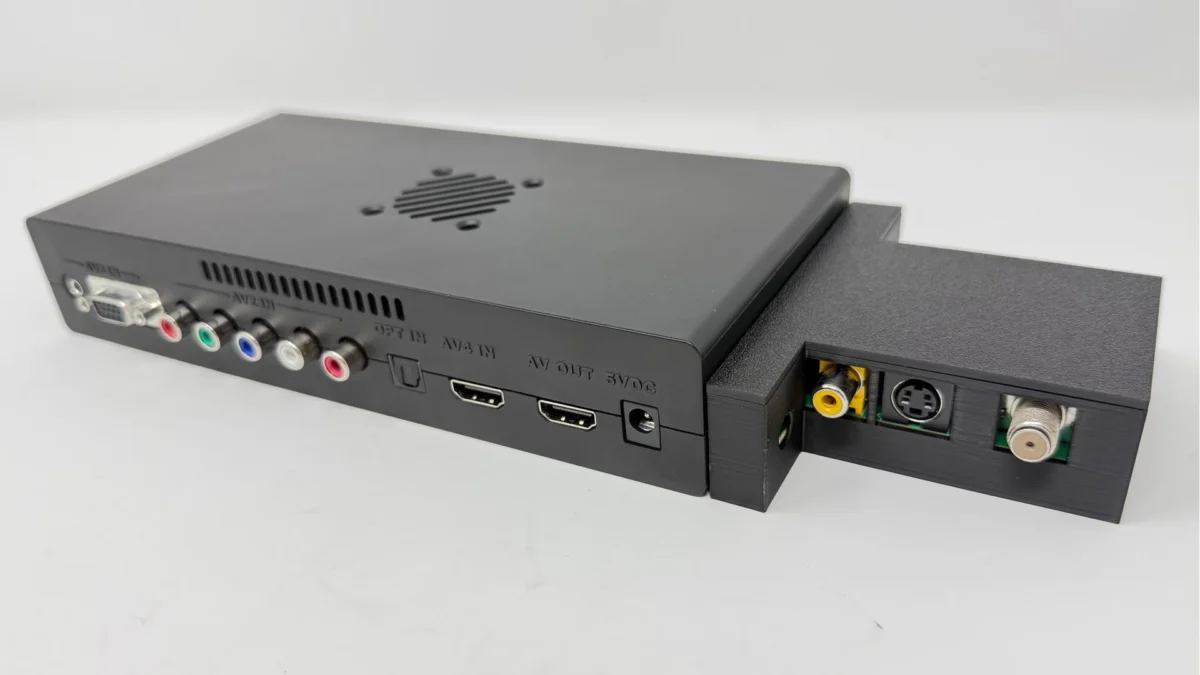
Finally, addressing a crucial aspect of the MiSTer ecosystem, the availability of hardware, new vendors are stepping in to meet demand. Hamgeek has emerged as one of the latest manufacturers producing complete MiSTer FPGA setups. The MiSTer platform, while highly acclaimed, has historically faced challenges with hardware availability, particularly for specialized components and complete kits. New vendors like Hamgeek play a critical role in alleviating these supply chain pressures, making the often hard-to-source hardware more accessible to a broader audience. Hamgeek’s units are currently reported to be in stock, a welcome development for aspiring MiSTer users. The quality of these new setups has also received positive validation, with YouTuber Lon Seidman providing a favorable review of the Hamgeek MiSTer setup. Furthermore, users on Reddit have independently reported positive experiences, lending credibility to Hamgeek’s offerings. This increased availability is crucial for the platform’s continued growth, as it lowers the barrier to entry for new enthusiasts and ensures that the innovative software developments can reach a wider user base. The entry of reliable manufacturers like Hamgeek is vital for solidifying MiSTer’s market presence and ensuring its long-term sustainability as a leading retro gaming solution.
Broader Impact and Future Outlook
The collective impact of these recent updates on the MiSTer FPGA ecosystem is profound, reinforcing its status as a vital platform for retro gaming and digital preservation. The introduction of 1Retro’s save syncing utility significantly enhances the user experience by offering unparalleled convenience and cross-platform flexibility, bridging the gap between MiSTer and PC emulation. The Multi Controller Adapter by MCA-Retro addresses the fundamental desire for authentic input, ensuring that the tactile experience of retro gaming is as accurately preserved as the visual and auditory aspects.
CoinOp Collection’s consistent release of arcade cores, including complex systems like the Midway Z/Y-Unit for iconic titles such as Mortal Kombat and NARC, alongside Data East classics like Tumble Pop and Psycho-Nics Oscar, dramatically expands the playable library. These efforts are not merely about entertainment; they are crucial acts of digital archaeology, ensuring that historically significant arcade titles, some of which are becoming increasingly rare in their original form, remain accessible and playable with hardware-accurate fidelity. The ongoing development of cores like Dark Seal and Edward Randy further promises a rich pipeline of content for the community. The discussions surrounding Patreon-exclusive releases, while highlighting funding challenges, also underscore the passionate dedication of developers who invest countless hours into these projects.
On the technical front, Spark2k06’s work on the PCXT core’s video memory migration is a testament to the platform’s commitment to foundational excellence. These under-the-hood optimizations ensure scalability and long-term accuracy, guaranteeing that MiSTer can reliably emulate a broader spectrum of vintage PC hardware. The community-driven addition of Cavelon further exemplifies the collaborative spirit that defines MiSTer, demonstrating how user interest and developer expertise converge to expand the platform’s reach.
Finally, the entry of new hardware vendors like Hamgeek into the MiSTer market is a critical development for accessibility. By improving the availability of MiSTer units, these vendors are lowering the barrier to entry for new users, which is essential for fostering a growing community and ensuring the platform’s continued relevance. The positive reviews and community feedback surrounding Hamgeek’s offerings indicate a healthy expansion of the hardware supply chain.
In conclusion, the MiSTer FPGA platform is not merely an emulation device; it is a vibrant, evolving ecosystem driven by innovation, community collaboration, and a deep-seated commitment to preserving the history of computing and gaming. The recent wave of updates and developments collectively enhance user experience, expand content libraries, strengthen underlying technical architectures, and improve hardware accessibility. As MiSTer continues to mature, it remains at the forefront of the retro gaming movement, offering an unparalleled blend of authenticity, versatility, and community-driven excellence, promising an even richer future for digital preservation enthusiasts worldwide.