Retno Hari Mulyono
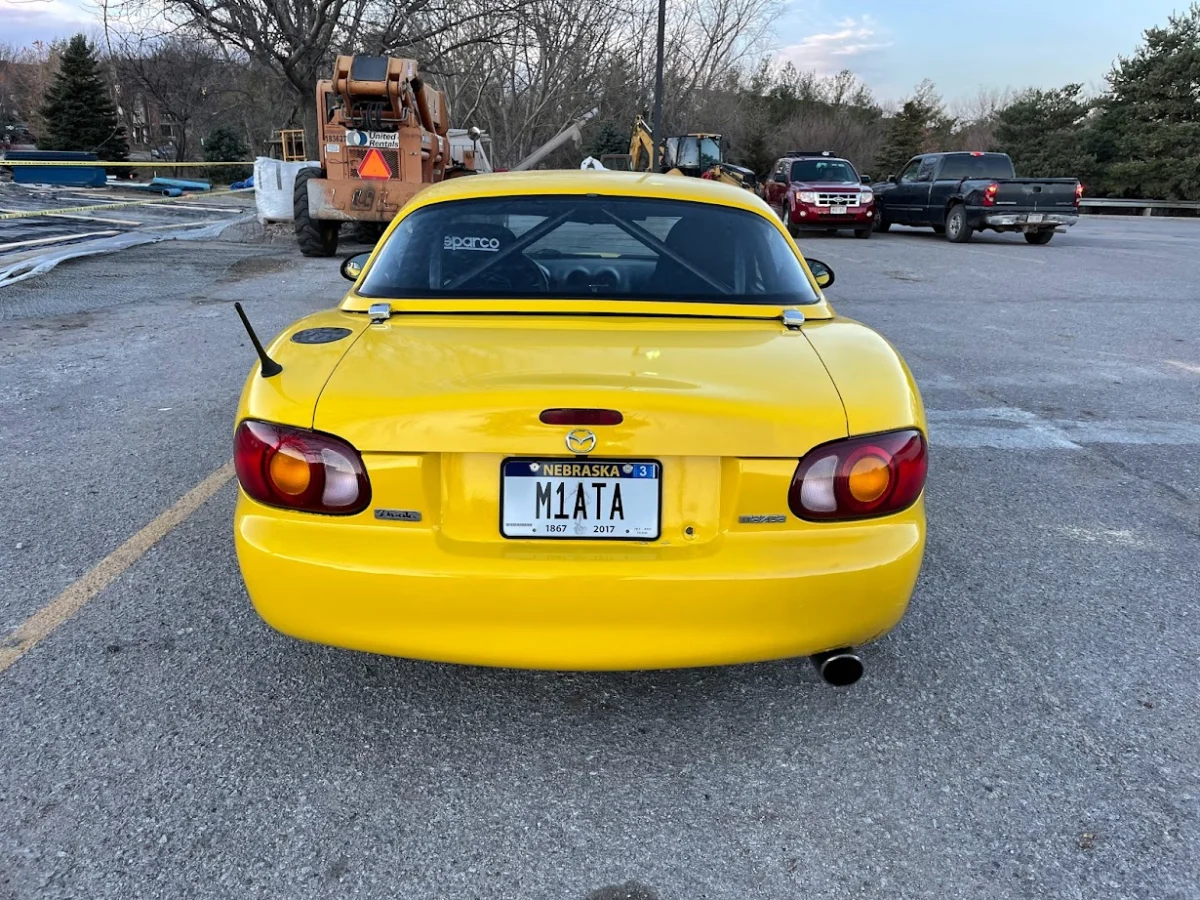
The fifth year of operational development for a 2000 Mazda MX-5 Miata (NB generation) has concluded, marking a significant transition from a street-oriented platform to a highly specialized track vehicle. Throughout the 2025-2026 season, the vehicle underwent extensive mechanical overhauls, electronic upgrades, and competitive testing across various racing circuits in the Midwestern United States. This period of ownership was defined by a shift toward bespoke engineering solutions, including a complete engine harness redesign and the implementation of drive-by-wire technology, aimed at addressing reliability concerns and improving lap-time consistency.
Performance Benchmarking and Early Season Development
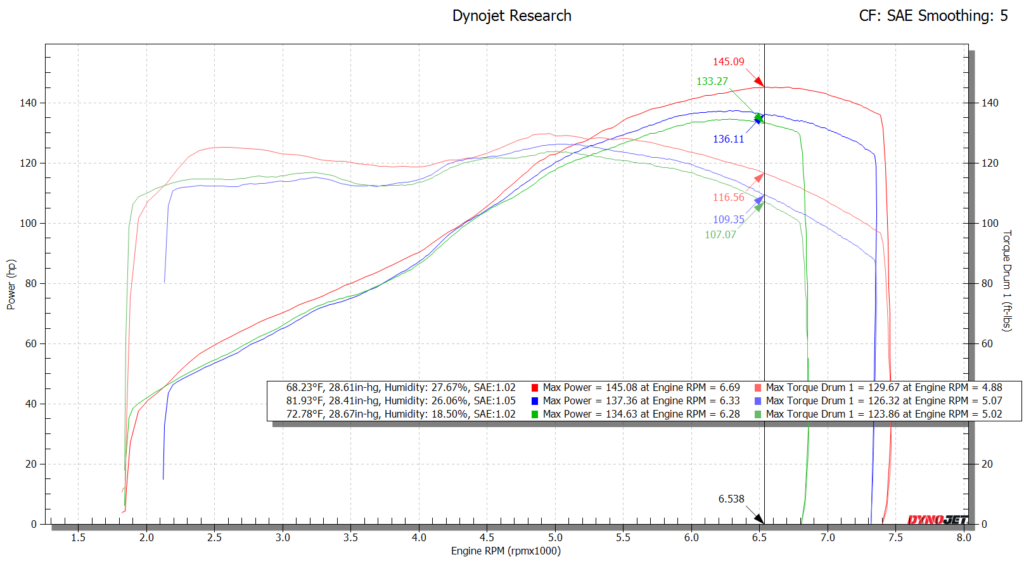
The 2025 season commenced in March with rigorous dynamometer testing to establish a baseline for the Sports Car Club of America (SCCA) Mid-South Division (MiDiv) Time Trials classing. The primary mechanical change from the previous year was the replacement of the "square top" intake manifold with a Skunk2 performance manifold.
Data retrieved from a Dynojet dynamometer indicated a peak output of 145.09 wheel horsepower (whp) and 129.67 lb-ft of wheel torque. This represents a substantial increase over the 115 whp produced by the vehicle in its stock configuration with the factory Electronic Control Unit (ECU). When compared to the previous two years, which saw outputs of 133.27 whp and 136.11 whp respectively, the new configuration demonstrated a clear upward trend in power delivery, though variations in dynamometer calibration between different facilities must be accounted for in the final analysis.
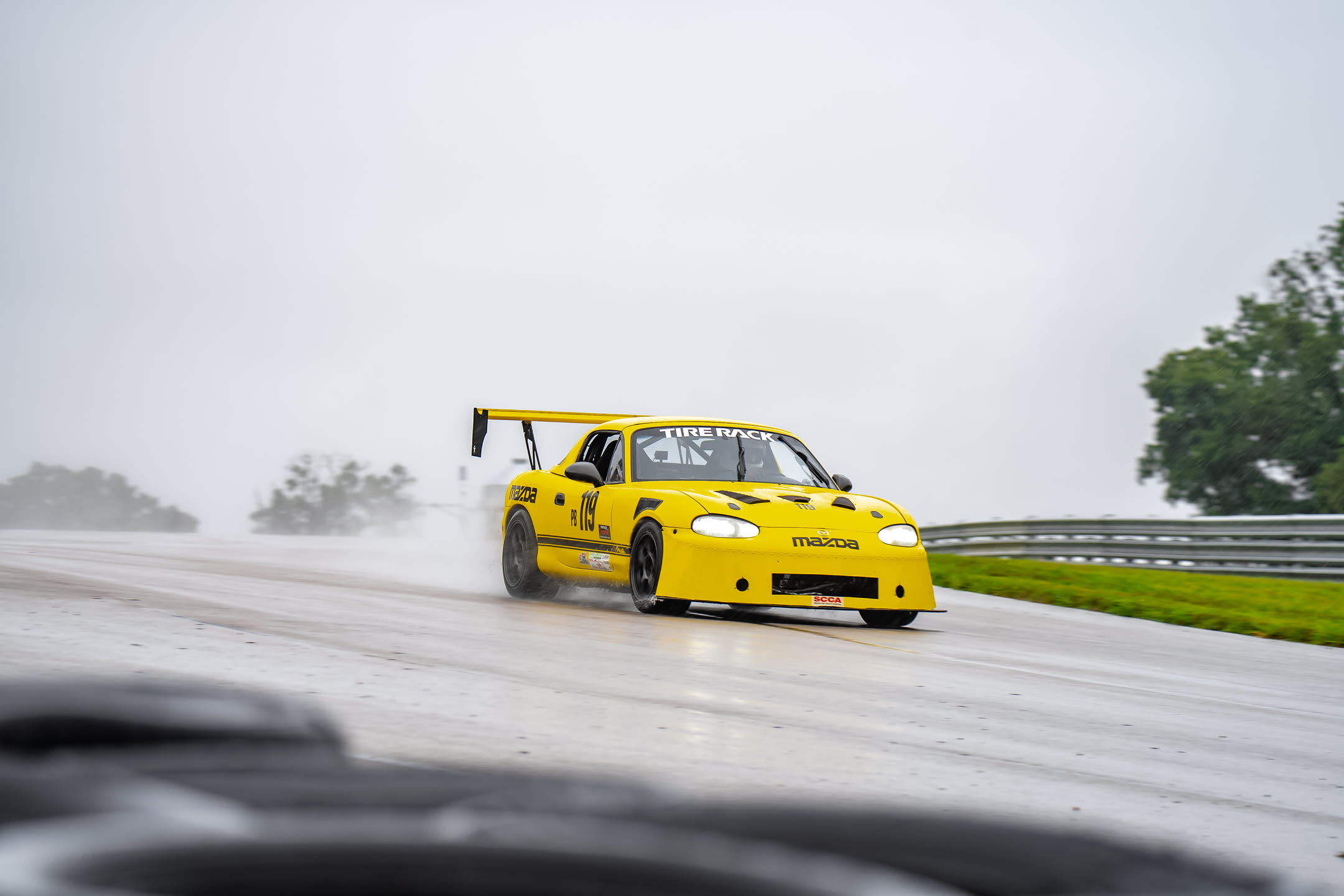
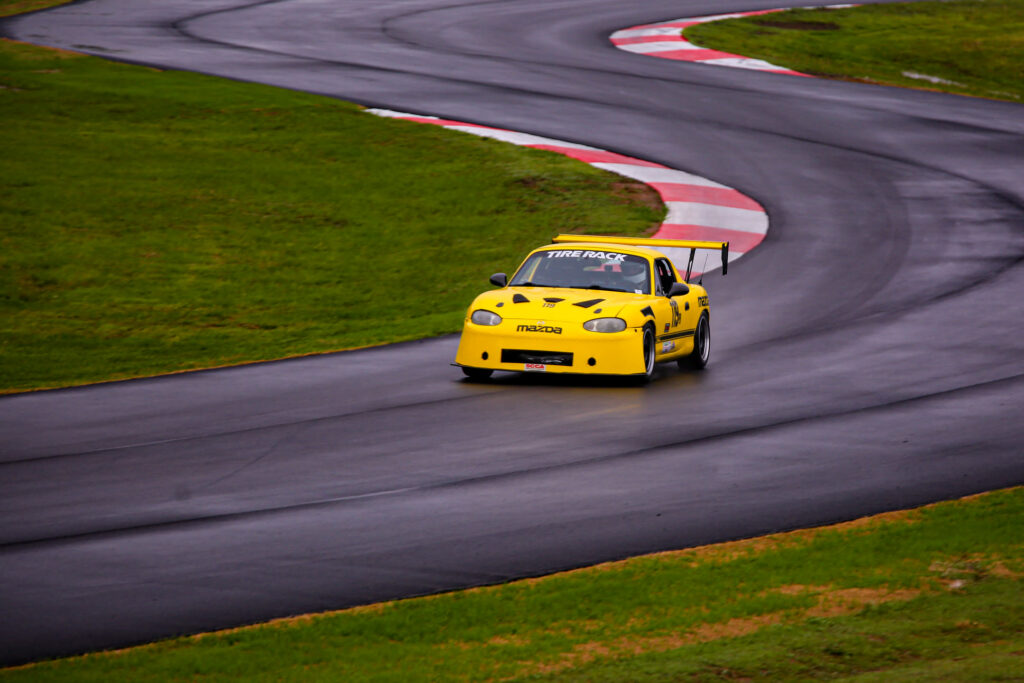
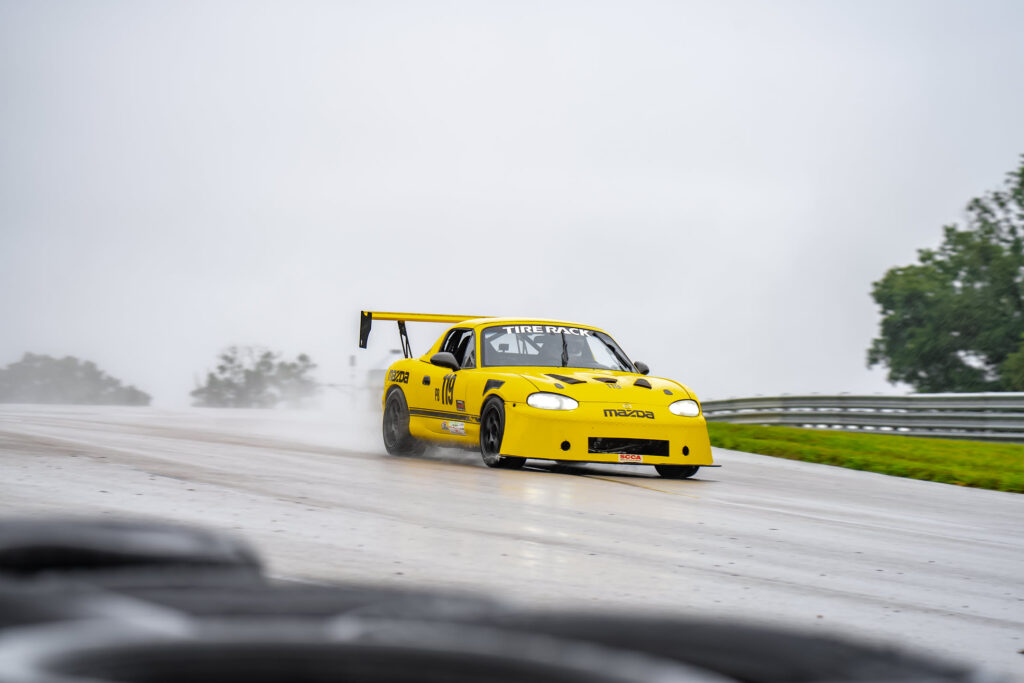
In April, the vehicle returned to the Hallett Motor Racing Circuit. This session provided an opportunity to evaluate recent track surface renovations. Despite the refinishing of several corners, persistent wet conditions prevented the recording of representative fast laps. However, the session served as a critical test of the vehicle’s braking dynamics on a mixed-surface track under low-traction conditions, providing valuable data on the transition between old and new asphalt during high-load deceleration.
Mechanical Failures and Reliability Challenges
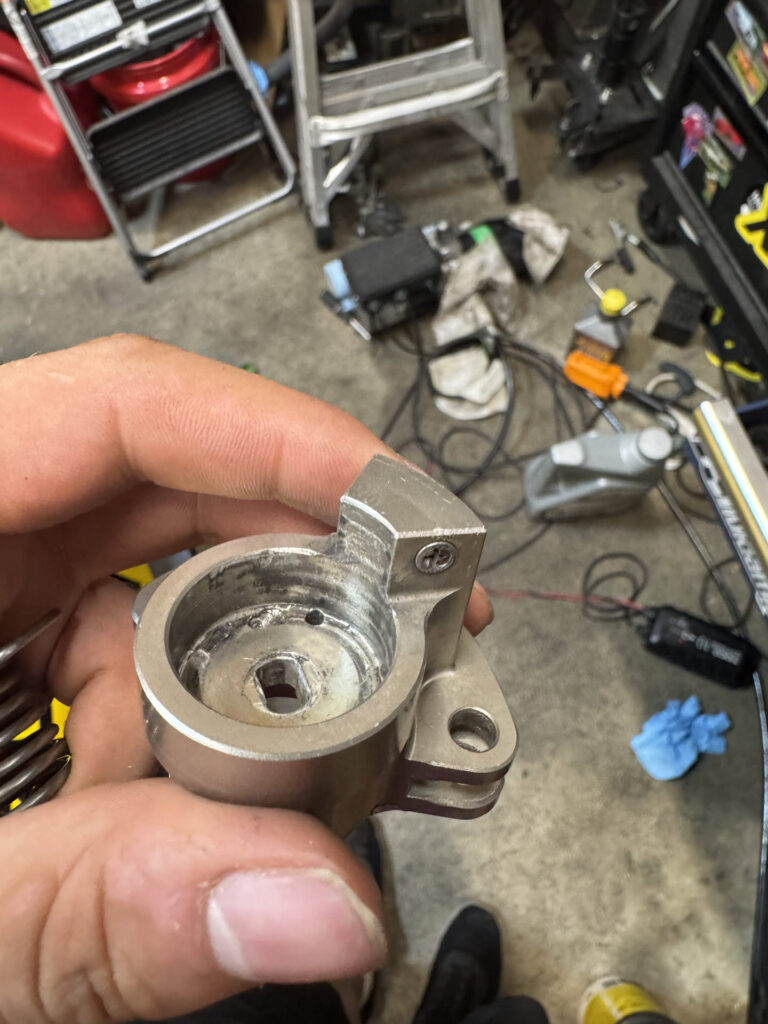
The mid-season was characterized by a series of critical mechanical failures involving the aftermarket throttle body system. In May, during a test day at I29 Speedway, the throttle return spring on the Skunk2 unit suffered a structural failure. While the driver was able to perform a temporary field repair to complete the event, the incident highlighted a potential vulnerability in the aftermarket component’s durability under sustained track use.
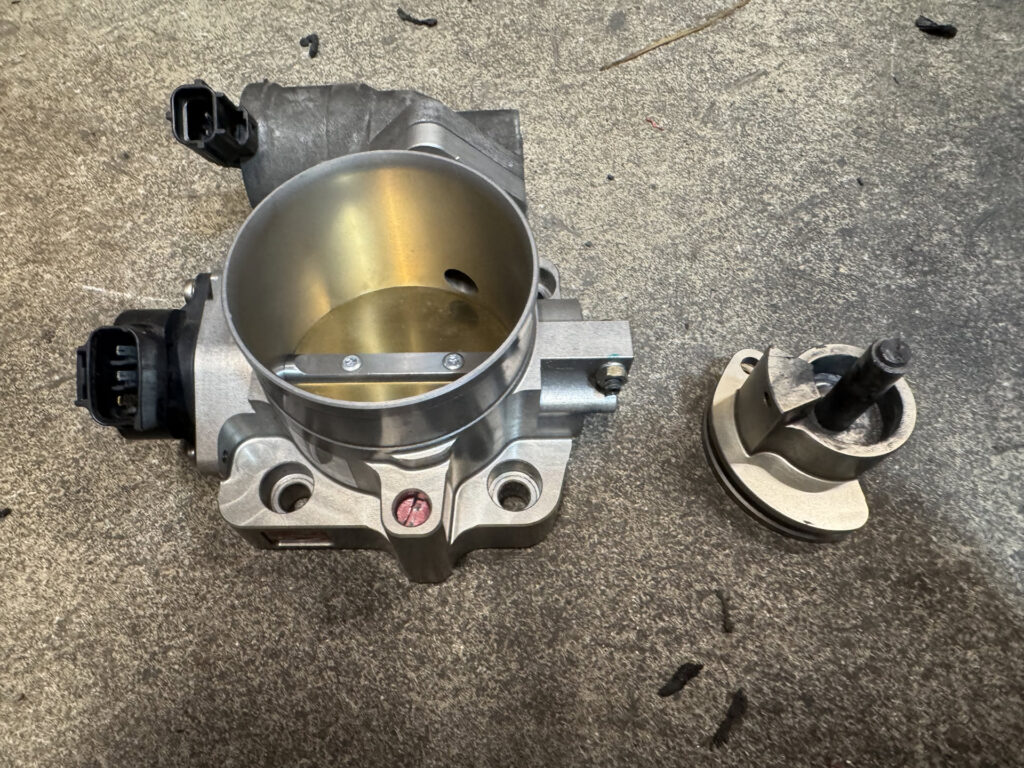
A second, more severe failure occurred in August at High Plains Raceway. During a timed lap, the throttle body shaft sheared completely. While the engine was spared from ingesting metal debris—a common risk in such failures—the vehicle required a tow from the circuit, effectively ending the weekend’s competitive sessions. These recurring issues with aftermarket throttle components prompted a strategic pivot in the vehicle’s development, leading to the temporary reinstallation of the factory Mazda throttle body to ensure season completion.
Operational Efficiency and DIY Maintenance
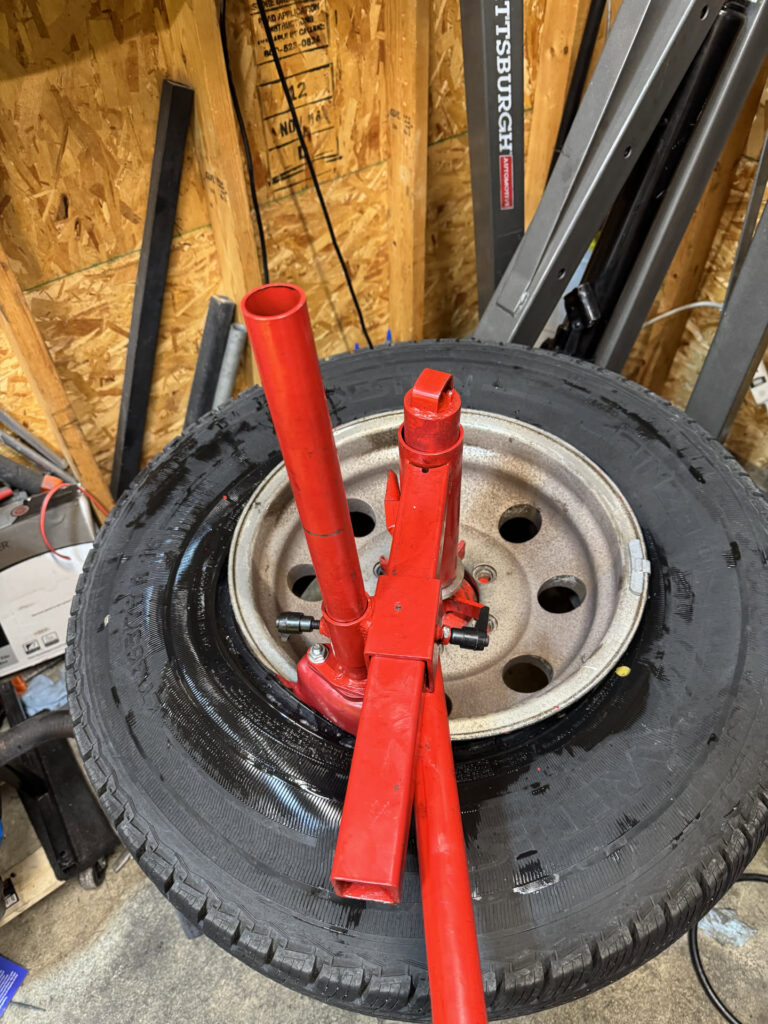
In response to rising service costs within the automotive performance industry, June marked a shift toward in-house maintenance capabilities. The acquisition of a manual tire changer and a bubble balancing system allowed for the independent mounting and balancing of high-performance 200-treadwear (200TW) tires.
Industry data suggests that the cost of professional mounting and balancing for a single set of performance tires can range from $100 to $200. By internalizing this process, the operation achieved a "break-even" point on the equipment investment within the first two sets of tires. Furthermore, the use of a bubble balancer, while considered traditional technology, provided results that met or exceeded the precision of commercial shops for this specific application, underscoring the viability of DIY solutions in grassroots motorsports.
Advanced Electronic Integration and Custom Engineering
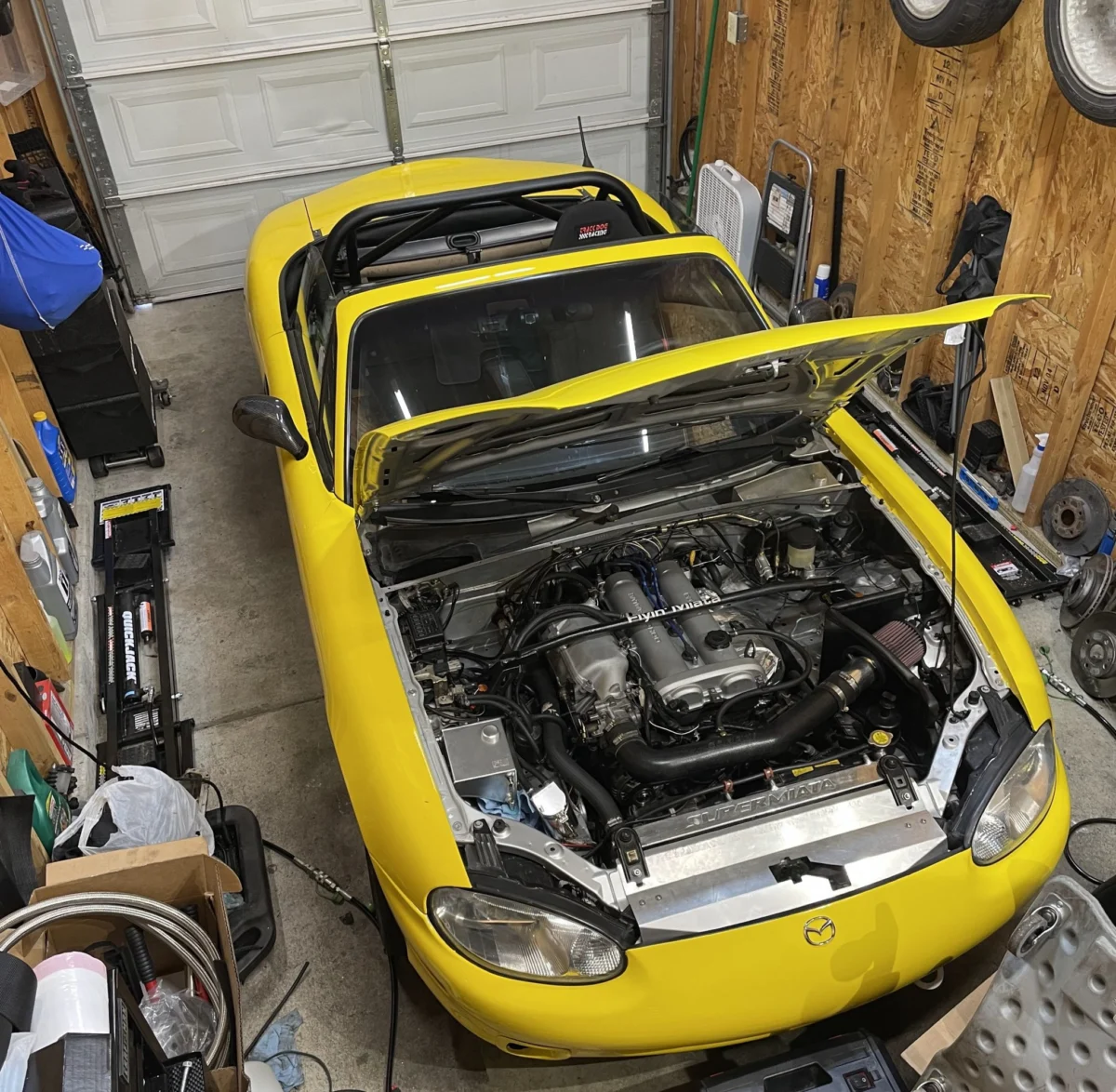
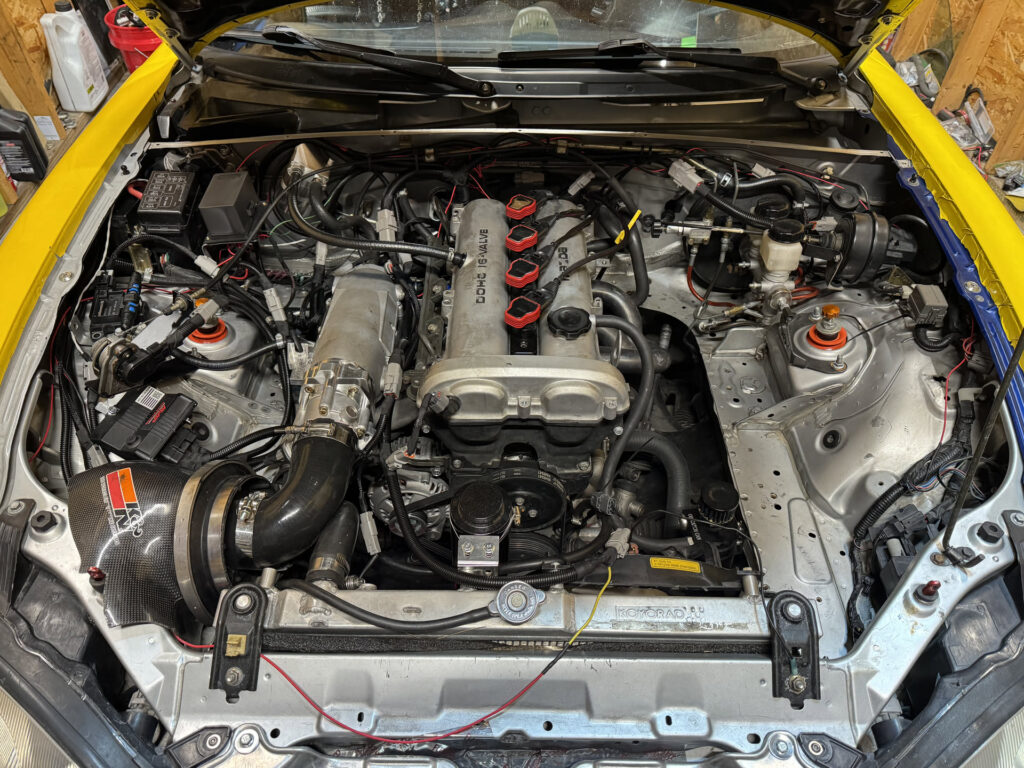
The most significant technical evolution of the fifth year took place in October 2025. To mitigate the reliability issues encountered during the summer, the vehicle underwent a complete engine wiring harness reconstruction. The original 25-year-old factory harness and its associated adapters were discarded in favor of a bespoke system wired directly to the MS3Pro Evo ECU.
Drive-by-Wire Conversion
A central feature of this overhaul was the conversion from a traditional cable-actuated throttle to a modern Drive-by-Wire (DBW) system. This integration involved several high-grade components:
- Throttle Body: A Bosch 60mm unit, known for its precision and reliability in European performance applications.
- Pedal Sensing: A Honda accelerator pedal position sensor.
- Controller: An AMP EFI drive-by-wire controller.
This conversion allows for more sophisticated engine management, including programmable throttle maps and more precise idle control, while eliminating the mechanical failure points associated with the previous cable-driven aftermarket units.
Digital Instrumentation
In November, the cockpit was upgraded with a Tinker Electronics digital dash. Communicating via the Controller Area Network (CAN bus), the dash provides real-time telemetry from the Megasquirt ECU. The interface was configured to prioritize critical engine health metrics, including oil pressure, coolant temperature, manifold air temperature (MAT), and air-fuel ratio (AFR). Visual alerts were programmed to trigger if parameters exceeded safe operating thresholds, and the system was integrated with the factory vehicle speed sensor (VSS) to maintain the functionality of the original cruise control system.
Drivetrain Refinement and Traction Management
As the season transitioned into the winter months of late 2025 and early 2026, focus shifted to the vehicle’s mechanical interface and power delivery. In December, a Coolerworx short-throw shifter was installed. This unit features a stiff external return-to-center spring and a mechanical reverse lockout, addressing the frequent mis-shifts experienced with previous "tall-angled" shifter designs.
In January 2026, the vehicle’s Torsen Type II differential was replaced with a Supermiata-tuned OS Giken limited-slip differential (LSD). While the 4.30 gear ratio was maintained to suit the power band of the naturally aspirated engine and the six-speed transmission, the OS Giken unit offers superior torque bias and engagement characteristics. This upgrade is specifically intended to address "inside wheel spin" in low-speed, high-load corners where the Torsen unit typically struggles when a wheel becomes unloaded.
Strategic Expansion: The Multi-Vehicle Approach
In February 2026, the project expanded with the acquisition of a second NB Miata. Purchased for $1,800, the 2001 model featured a Variable Valve Timing (VVT) engine and a rust-free chassis, though it suffered from significant cosmetic and mechanical neglect.
The acquisition serves a dual purpose:
- Street Utility: Providing a road-legal counterpart to the primary track-focused vehicle.
- Experimental Platform: Serving as a testbed for new components before they are integrated into the primary racing chassis.
Within the first month of ownership, the second vehicle was restored to a functional state using a combination of new parts and surplus components from the primary car’s development history, such as the 4.30 Torsen differential and stock suspension units.
Conclusion and Data-Driven Outlook
The fifth year of this NB Miata’s development represents a milestone in data-driven automotive refinement. Over the course of 2025, the vehicle completed 357 laps, totaling 10.9 hours of track time across 14 separate events. Cumulative data from the Garmin Catalyst performance optimizer indicates a total of 1,380 laps and 43.8 hours of track operation since the project’s inception.
While the frequency of "personal best" lap times slowed in 2025 due to varying environmental conditions and the diminishing returns of a highly developed platform, the engineering gains in reliability and driver ergonomics have set the stage for the 2026 season. The transition to custom wiring, drive-by-wire technology, and a plate-style limited-slip differential marks the vehicle’s departure from a modified street car into a professional-grade time-attack machine. The addition of a second chassis further stabilizes the program, allowing for continued evolution without sacrificing the ability to conduct real-world testing and street evaluation.