Farhan hamdan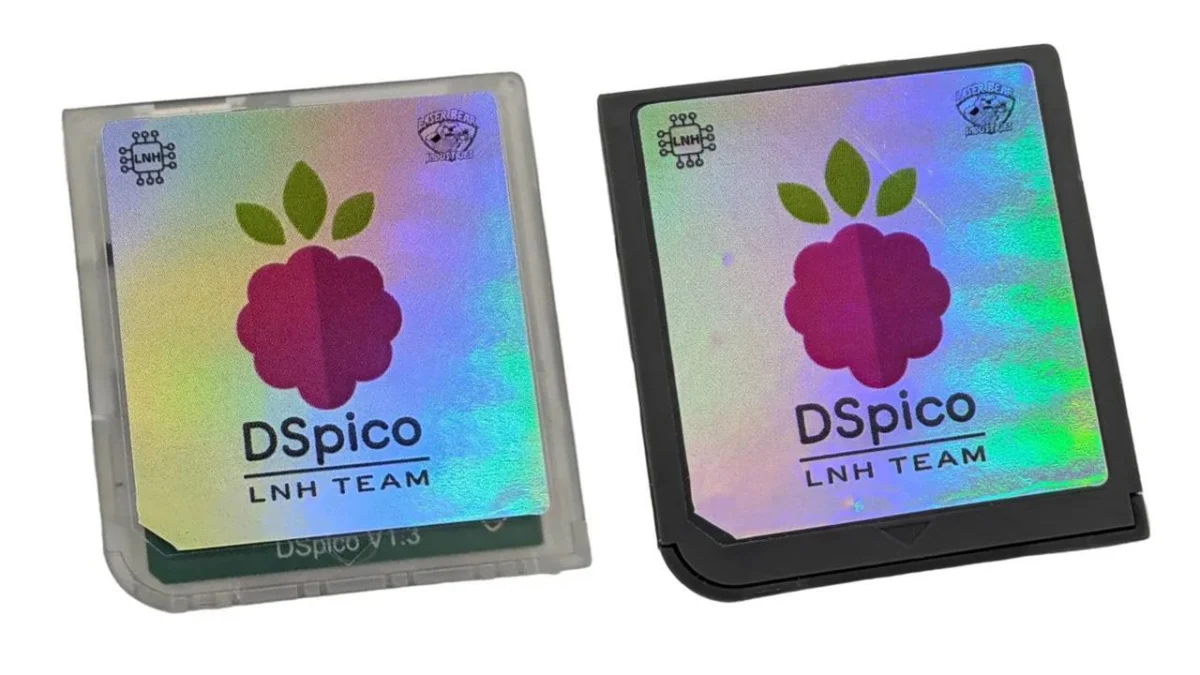
In a significant development for the retro gaming community, Greg from LaserBear has officially commenced sales of his meticulously crafted version of the DSPic, an open-source flash cart designed to enhance the capabilities of Nintendo DS and DSi consoles. This initiative marks a pivotal moment for enthusiasts seeking robust and reliable solutions for homebrew applications, game backups, and general system customization on these beloved handheld platforms. Priced competitively at $30, LaserBear’s DSPic stands out with its high-quality injection-molded shell and distinctive holofoil label, offering a choice of two aesthetic finishes: a classic Grey, available for immediate shipment, and a sleek Clear variant slated to begin shipping within the next month. This launch not only expands the accessibility of the DSPic but also reinforces the growing trend of community-driven, open-source hardware development within the retro gaming sphere.
The introduction of LaserBear’s DSPic is more than just a product release; it represents the maturation of an open-source project spearheaded by the LNH Team, a collective dedicated to fostering innovation and accessibility in the digital preservation and homebrew landscape. By providing fully assembled units, LaserBear significantly lowers the barrier to entry for users who might otherwise be daunted by the prospect of sourcing components or undertaking complex DIY assembly. This strategic move aligns with a broader industry shift towards user-friendly solutions that empower gamers to fully explore the potential of their legacy hardware, moving beyond the confines of official software ecosystems.
The Genesis of Handheld Homebrew and Flash Carts
To fully appreciate the significance of the DSPic, it is essential to contextualize it within the rich history of handheld gaming and the parallel rise of the homebrew community. The Nintendo DS, launched in 2004, and its successor, the DSi (2008), collectively sold over 150 million units worldwide, establishing themselves as two of the most successful gaming consoles of all time. Their innovative dual-screen design, touch capabilities, and robust game libraries captivated a generation of players. However, like many popular consoles, the DS family quickly became a target for enthusiasts and developers eager to push the boundaries of official software.
The term "homebrew" refers to software created by hobbyists and independent developers for proprietary game consoles, often utilizing unofficial tools and methods. For the Nintendo DS, this movement began almost immediately after its release, driven by a desire to run custom applications, emulators for older systems, and unofficial games not sanctioned by Nintendo. This burgeoning scene quickly identified the need for a mechanism to load unsigned code onto the console. This is where flash carts entered the picture.
Early flash carts, such as the R4, Acekard, and SuperCard DSTWO, emerged as popular solutions. These devices, typically resembling standard DS game cartridges, contained flash memory and a microSD card slot, allowing users to load software, including game backups and homebrew applications. While immensely popular, these early flash carts often operated in a legal grey area, primarily due to their association with game piracy. Furthermore, many were proprietary, closed-source solutions, meaning their design and firmware were controlled by specific manufacturers, leading to potential issues with updates, long-term support, and quality control. The reliance on reverse-engineered console vulnerabilities also meant that Nintendo frequently released system updates to block these devices, leading to an ongoing cat-and-mouse game between console manufacturers and flash cart developers. This environment often left users uncertain about the longevity and compatibility of their chosen solutions.
The DSPic Project: An Open-Source Revolution
The DSPic project, spearheaded by the LNH Team, represents a modern, open-source approach to the challenges previously faced by the flash cart community. Unlike its proprietary predecessors, the DSPic’s hardware designs and firmware are openly published, allowing anyone to inspect, modify, and reproduce the device. This transparency is a cornerstone of the open-source philosophy, promoting collaboration, peer review, and continuous improvement. For the end-user, this translates into several tangible benefits:
- Longevity and Support: An open-source project is not beholden to a single company’s business decisions. If the original developers move on, the community can pick up the mantle, ensuring ongoing support and development for years to come.
- Transparency and Trust: Users can examine the code and hardware schematics, fostering trust and ensuring there are no hidden functionalities or security vulnerabilities.
- Community-Driven Innovation: The open nature encourages contributions from a global community of developers, leading to a more robust, feature-rich, and adaptable product. New functionalities and bug fixes can be implemented rapidly.
- Resistance to Obsolescence: As new hardware or software challenges emerge, the community can collectively work on solutions, making the DSPic more resilient to technological shifts or attempts by console manufacturers to block its functionality.
The LNH Team’s commitment to these principles has positioned the DSPic as a beacon of ethical and sustainable development in the retro gaming hardware space. Their main site, https://www.lnh-team.org/, serves as the central hub for the project, offering detailed documentation, source code, and community forums. This dedicated resource ensures that users have access to comprehensive information and support directly from the project’s originators.
LaserBear’s Entry: Quality Manufacturing and Accessibility
Greg from LaserBear has established a formidable reputation within the retro gaming and modding communities for his unwavering commitment to quality, precision engineering, and community-centric product development. His involvement with the DSPic project is therefore a significant endorsement and a major step towards making this innovative flash cart widely accessible. LaserBear specializes in producing high-quality accessories, custom enclosures, and modification kits that often surpass the quality of original manufacturer components.
LaserBear’s version of the DSPic exemplifies this commitment. The use of an injection-molded shell is a critical detail. While many small-scale hardware projects rely on 3D printing, injection molding offers superior durability, a smoother finish, and a more professional aesthetic. This manufacturing process produces parts with consistent quality, tighter tolerances, and a more robust feel, making the DSPic feel like an official Nintendo accessory rather than a third-party mod. The inclusion of a Holofoil label further elevates the product’s presentation, adding a touch of premium flair that resonates with collectors and enthusiasts.
The strategic choice of two colors, Grey and Clear, caters to different aesthetic preferences. The Grey option offers a classic, unassuming look that blends seamlessly with original Nintendo DS hardware, reminiscent of early Nintendo cartridges. The Clear option, a favorite among modders and enthusiasts, provides a fascinating glimpse into the internal components of the flash cart, celebrating the engineering within. The phased shipping schedule, with Grey units shipping immediately and Clear units following within a month, demonstrates a structured approach to production and inventory management, aiming to meet demand efficiently.
At a price point of $30, LaserBear’s DSPic offers exceptional value. This cost is highly competitive, especially when considering the quality of manufacturing and the open-source nature of the device. Compared to the often inflated prices of vintage proprietary flash carts or the complexities of DIY solutions, the DSPic presents an affordable and user-friendly alternative. This pricing strategy makes high-quality homebrew and preservation tools accessible to a broader audience, fostering greater participation in the retro gaming community.
The Expanding DSPic Ecosystem and Vendor Network
The open-source nature of the DSPic project has enabled a decentralized distribution model, where multiple vendors can manufacture and sell their versions of the hardware. This healthy competition benefits consumers by increasing availability, driving competitive pricing, and offering regional choices for shipping and support. Beyond LaserBear, other reputable vendors have also joined the DSPic ecosystem:
- Phenom Mod: Known for their contributions to the modding scene, Phenom Mod (https://store.phenommod.com/?post_type=product&p=6135) offers another reliable source for the DSPic, catering to a specific segment of the modding community that values their expertise and support.
- AliExpress: The inclusion of AliExpress (https://s.click.aliexpress.com/e/_c3VtSKeP) as a distribution channel highlights the global reach and accessibility of the DSPic. While AliExpress hosts numerous sellers, the provided link likely points to a reputable vendor within the platform, making the device available to an international customer base, often with varying shipping options and potentially lower costs for specific regions.
This multi-vendor approach is a testament to the success of the LNH Team’s open-source initiative. It demonstrates that collaborative development can lead to a robust marketplace where quality and accessibility are prioritized. Consumers are encouraged to check each vendor’s specific offerings, shipping policies, and customer support, but the existence of multiple options ensures choice and resilience in the supply chain.
User Experience and Software Integration

One of the most appealing aspects of the DSPic, particularly LaserBear’s offering, is the emphasis on user-friendliness. The article explicitly states that these are "completed units," meaning there will be no hardware assembly required. This eliminates a significant hurdle for many potential users who may lack the technical skills, tools, or time for soldering and intricate component installation. The focus shifts entirely to standard software setup, which is typically a straightforward process involving:
- Downloading the DSPic kernel/firmware: This software package, usually obtained from the LNH Team’s main project page, is the operating system for the flash cart, enabling it to interact with the Nintendo DS/DSi hardware and read files from the microSD card.
- Transferring files to a microSD card: Users will copy the kernel files, along with their legally obtained game backups (ROMs) and homebrew applications, onto a microSD card.
- Inserting the flash cart: The prepared microSD card is inserted into the DSPic, which is then inserted into the Nintendo DS/DSi console like a regular game cartridge.
The simplicity of this process makes the DSPic highly accessible to a broad demographic, from seasoned retro gamers to newcomers exploring the world of homebrew for the first time. The article also wisely directs users to "check each page’s links to the software package you need, or just get it from the main project page." This guidance is crucial as firmware updates and new features are often released, and sourcing the latest official software ensures optimal performance and compatibility.
The community also benefits immensely from content creators like Tito from Macho Nacho Productions, who has produced an "excellent overview" video (embedded in the original post). Such videos serve as invaluable guides, providing visual demonstrations of the setup process, feature walkthroughs, and performance reviews. They help demystify the technology, answer common questions, and build confidence among users, further lowering the barrier to entry and fostering a vibrant community around the product. Tito’s expertise in retro gaming hardware reviews ensures that his analysis is thorough, practical, and highly informative, covering aspects such as ease of installation, game compatibility, and overall user experience.
Broader Implications and Impact on Retro Gaming
The advent of projects like the DSPic, particularly with the backing of reputable manufacturers like LaserBear, carries profound implications for the retro gaming community and the wider landscape of digital preservation and homebrew development.
-
Game Preservation and Accessibility: One of the most critical aspects of flash carts is their role in game preservation. As physical cartridges age, they are susceptible to degradation. Flash carts allow users to create digital backups of their legitimate game libraries, ensuring that these titles remain playable for future generations. Furthermore, they provide a means to play games that are no longer commercially available, have become prohibitively expensive, or were only released in specific regions. This democratizes access to gaming history, moving beyond the limitations of dwindling physical supplies.
-
Fueling Homebrew Innovation: A stable, widely available, and open-source platform like the DSPic invigorates the homebrew development scene. Developers no longer need to rely on obscure or discontinued hardware; they have a consistent target platform. This encourages the creation of new emulators, custom operating systems, utility applications, and even entirely new games for the DS/DSi, expanding the lifespan and functionality of the consoles far beyond their original design intentions.
-
Economic Disruption and Fair Pricing: The $30 price point for LaserBear’s DSPic is a game-changer. It undercuts the often exorbitant prices of vintage proprietary flash carts on secondary markets, which can sometimes fetch upwards of $100 or more. This competitive pricing makes homebrew and preservation tools accessible to a broader audience, potentially disrupting the market for overpriced, legacy hardware and promoting fairer pricing across the board.
-
Strengthening the Open-Source Hardware Movement: The success of the DSPic project serves as a powerful case study for the viability and benefits of open-source hardware in niche markets. It demonstrates that community-driven development, combined with professional manufacturing, can produce high-quality, sustainable solutions that meet genuine user needs. This model could inspire similar initiatives for other retro consoles, fostering a future where hardware designs are shared, improved, and produced collaboratively.
-
Ethical Considerations and Responsible Use: While flash carts offer immense benefits for preservation and homebrew, it is imperative to address the ethical considerations surrounding their use. The primary concern is their potential for facilitating piracy. However, the retro gaming community largely advocates for responsible use, emphasizing the importance of owning original copies of games when creating backups and supporting developers. The open-source nature of the DSPic promotes transparency, allowing users to understand the technology and make informed decisions about its ethical application. The focus on preservation and homebrew within the community dialogue helps steer the conversation towards legitimate uses.
A Chronology of Progress
The journey to the DSPic’s current market availability can be broadly outlined:
- Mid-2000s: The Nintendo DS launches, and the nascent homebrew scene begins to emerge, quickly identifying the need for flash cart technology.
- Late 2000s – Early 2010s: Proprietary flash carts dominate the market, facing constant cat-and-mouse battles with Nintendo’s system updates and often operating in a legal grey area.
- Mid-2010s onwards: A growing demand for more transparent, community-supported solutions leads to the conceptualization and initial development of open-source flash cart projects.
- LNH Team’s Initiative: The LNH Team begins development on the DSPic, designing open-source hardware and software solutions specifically for the DS/DSi, driven by principles of accessibility and longevity. The project’s designs and firmware are made publicly available.
- Vendor Adoption: Reputable members of the retro gaming community, including LaserBear and Phenom Mod, recognize the potential of the DSPic and commit to manufacturing and distributing high-quality, assembled units based on the LNH Team’s designs.
- Early 2024: LaserBear formally announces and begins sales of its DSPic version, with the Grey variant shipping immediately and the Clear version slated for release within weeks. Community reactions, fueled by comprehensive reviews like Tito from Macho Nacho Productions, are overwhelmingly positive.
Statements and Community Reactions
While formal press statements are rare in the niche retro gaming hardware scene, the actions and communications of the key players infer their positions:
The LNH Team has consistently championed the principles of open-source development, stating their belief that collaborative efforts foster innovation and ensure the longevity of retro gaming platforms. Their continued maintenance of the project’s main website and documentation signifies their dedication to the community and the DSPic’s future. The success of multiple vendors adopting their design is a validation of their vision.
Greg from LaserBear, known for his meticulous attention to detail and dedication to the retro gaming community, has likely undertaken this project to fulfill a clear community demand for high-quality, readily available open-source hardware. His focus on injection-molded shells and a competitive price point suggests a commitment to delivering a premium user experience without making it prohibitively expensive. "Our goal with the DSPic," Greg might imply through his product choices, "is to provide the retro gaming community with a reliable, robust, and beautifully crafted solution that honors the open-source spirit and empowers users to truly own their gaming experience."
Early reactions from the broader retro gaming community have been overwhelmingly positive. Enthusiasts have lauded the DSPic’s performance, the quality of LaserBear’s production, and the accessible price point. Social media channels, forums, and content creators are buzzing with excitement, sharing setup guides, compatibility lists, and personal experiences. This collective enthusiasm underscores the pent-up demand for a modern, open-source solution for the Nintendo DS and DSi.
Conclusion: A Bright Future for DS/DSi Homebrew
The launch of LaserBear’s DSPic marks a significant milestone in the ongoing evolution of retro gaming. By combining the innovative open-source design of the LNH Team with LaserBear’s reputation for quality manufacturing and community-focused distribution, the DSPic is poised to become the definitive flash cart for the Nintendo DS and DSi. Its accessible price, ease of use, and robust construction make it an ideal tool for game preservation, homebrew exploration, and breathing new life into these iconic handheld consoles. As the retro gaming community continues to grow, initiatives like the DSPic serve as crucial examples of how collaborative, open-source efforts can not only preserve gaming history but also actively shape its future, ensuring that the joy of classic gaming remains accessible and vibrant for generations to come. The era of closed, proprietary flash carts is steadily giving way to an open, community-driven future, and the DSPic stands at the forefront of this exciting transition.