Chalid Lutfie
The Artistic Evolution of Niklas Sjösvärd
Born in 1985, Niklas Sjösvärd has been a fixture of the international chiptune scene since the early 2000s. His trajectory follows the path of many prominent digital musicians who began in the demoscene—a computer art subculture focused on producing self-contained, real-time generated audiovisual demos. Sjösvärd’s early work was defined by a commitment to the limitations of retro hardware, particularly the Nintendo Entertainment System (NES) and the Game Boy’s LSDJ (Little Sound Dj) software.
However, the release of Zeta Force on the Ubiktune label in 2011 established Sjösvärd as more than a hobbyist; it cemented his reputation as a master of the "shmup" (shoot ’em up) soundscape. While Zeta Force leaned heavily into the high-energy, fast-paced rhythms associated with 8-bit gaming, Sjösvärd’s subsequent academic pursuits altered his creative trajectory. In 2014, he earned a bachelor’s degree in composition and electronic music from the Academy of Music and Drama at the University of Gothenburg. This formal education provided him with a broader theoretical framework, allowing him to experiment with modular synthesizers, avant-garde electronic arrangements, and acoustic instrumentation.
Chronology of a Creative Process
The gestation of Redux34 was a protracted, seven-year journey that began in 2008. The title itself serves as a meta-commentary on the technical hardships encountered during production. According to Sjösvärd, the eponymous title track, "Redux34," was initially composed on a Game Boy. A catastrophic hardware failure—an LSDJ cartridge crash—wiped the entire project, forcing him to rebuild the composition from memory. The suffix "34" references the specific time signature he utilized, which contributed to the rhythmic complexity of the piece.
This theme of "loss and reconstruction" permeated the entire album cycle. Sjösvärd notes that the project was frequently sidelined by his excursions into other artistic spheres, including experimental works like Friktion and Scratches and Petals, live modular techno performances with the collective Buchla Boys, and his role as a guitarist and vocalist in acoustic folk projects. These diverse experiences allowed him to return to Redux34 with a renewed perspective, integrating organic, human-performed elements into the rigid digital grids of his earlier chiptune drafts. The finalized album represents a reconciliation of these disparate influences, where the cold precision of 8-bit bleeps is softened by the warmth of analog delay textures and electric guitar arrangements.
Technical Composition and Sound Design
Redux34 operates on a principle of "maximalist minimalism." While the sound sources are often rooted in the limited voice count of the Nintendo hardware, the production values are decidedly modern. Sjösvärd employs a sophisticated layering technique where traditional chip leads are processed through external effects chains, effectively blurring the line between synthetic emulation and raw, hardware-native audio.

The integration of IDM elements—characterized by glitchy, syncopated percussion—provides a stark contrast to the melodic, folk-inspired progressions found in tracks like those influenced by his work with Léonore Boulanger. This synthesis creates a "retro-futuristic" soundscape, a term often used to describe music that utilizes dated technology to convey a sense of modern, or even post-modern, atmospheric depth. The album’s production is characterized by complex, layered textures that require repeated listening to fully decode, moving the listener away from the "loops" inherent in early chip music and toward long-form, progressive composition.
Collaborative Visuals and Artistic Context
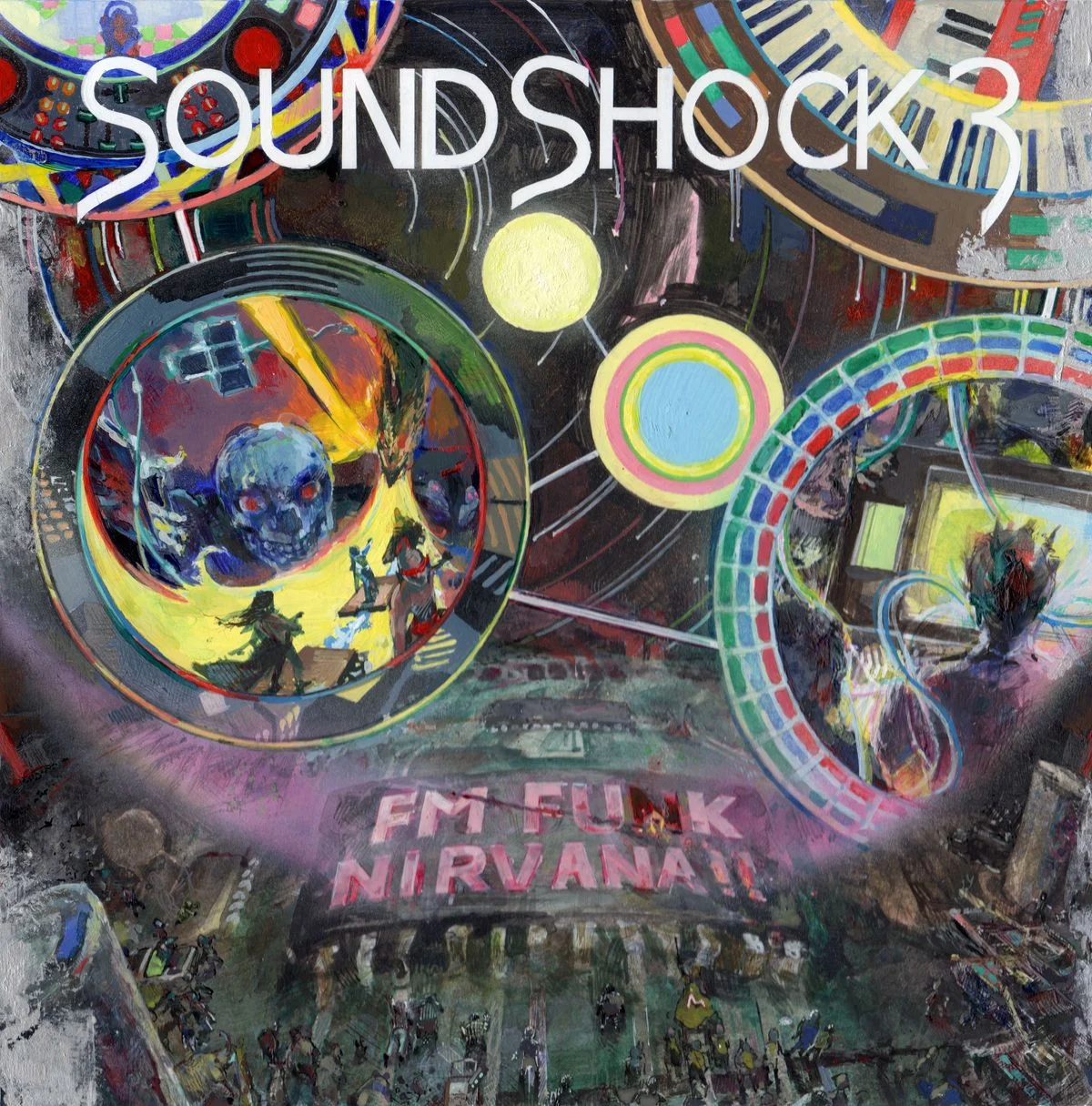
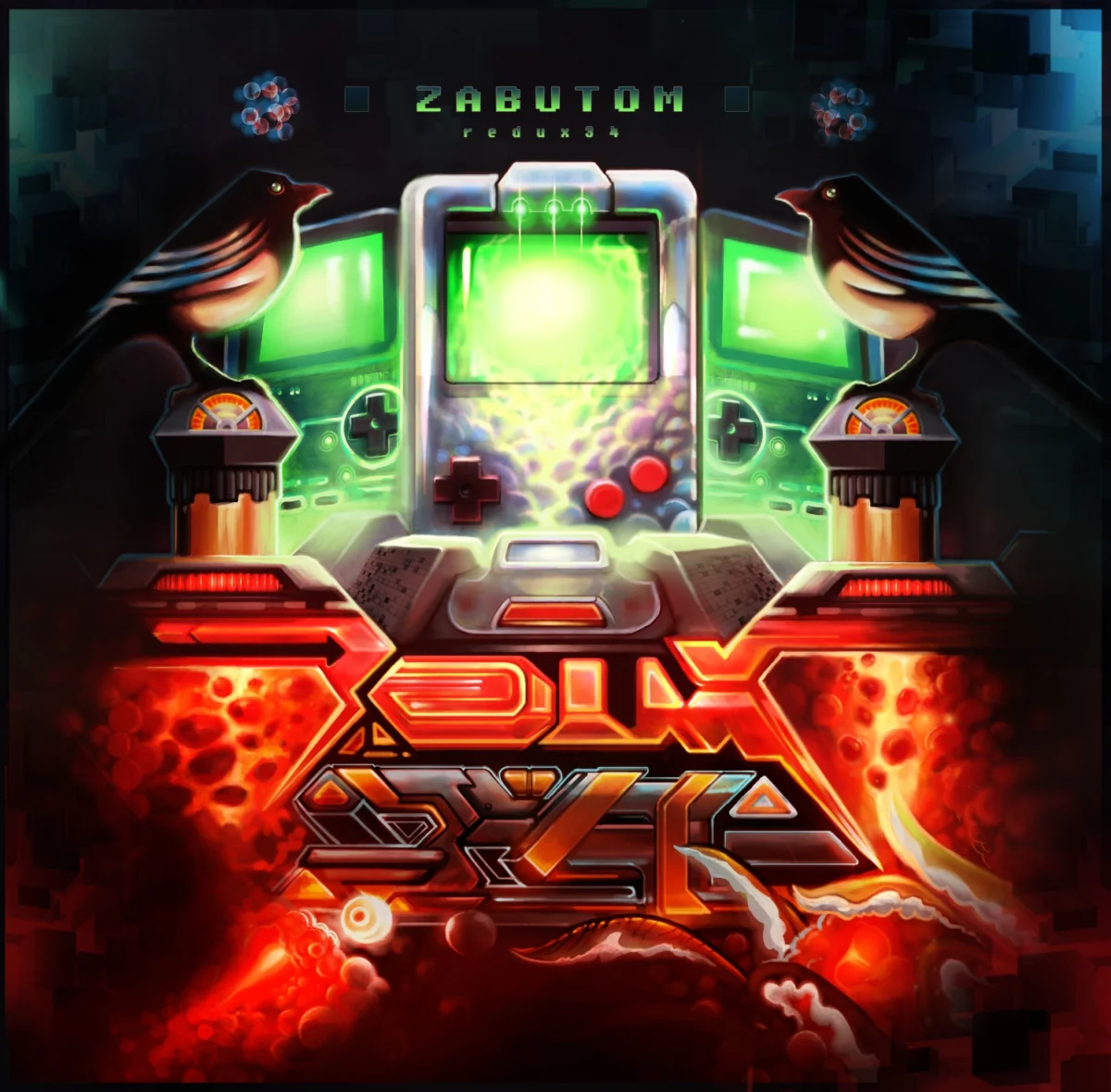
The visual presentation of Redux34 is as integral to the album’s identity as the audio itself. Sjösvärd collaborated with Norrköping-based concept artist and painter Anders Karlsson to provide the cover art. Karlsson’s contribution serves to ground the abstract electronic themes in a visual language that echoes the melancholic, space-faring narratives hinted at within the music. The collaboration highlights a growing trend within the independent electronic music community, where artists place significant emphasis on cohesive, multimedia world-building to create a more immersive consumer experience.
Broader Implications for the Chiptune Genre
The release of Redux34 in late 2015 serves as a significant milestone in the maturation of the "chiptune-as-art" movement. Historically, chiptune was viewed primarily through the lens of nostalgia—an homage to the 8-bit era of the 1980s and 90s. However, artists like Sjösvärd are pushing the genre into a new phase of post-genre integration. By utilizing the NES and Game Boy not just as sources of nostalgia, but as viable, limited instruments within a broader orchestral or electronic context, Sjösvärd is expanding the audience for the genre beyond hardcore gaming enthusiasts.

Industry analysts observe that this shift is part of a larger trend in electronic music where "low-fi" or "chiptune" elements are increasingly used as textural accents in mainstream IDM and experimental pop. By treating his 8-bit origins as a "glue" rather than the entirety of his sound, Sjösvärd provides a roadmap for other demoscene artists to evolve without alienating their core fanbases.
Market Reception and Distribution
At the time of its release, Redux34 was distributed through major digital storefronts and streaming services, as well as via a physical CD release—a nod to the collectability that remains a hallmark of the chiptune community. The decision to maintain a physical presence, despite the industry’s pivot toward purely digital distribution, underscores the "object-oriented" culture of the demoscene. Collectors and fans often value the tactile nature of physical media, particularly when it features high-quality artwork like that provided by Anders Karlsson.
The album’s reception was largely positive, with critics highlighting the seamless transition between the high-energy, rhythmic sections and the more introspective, ambient passages. The critical consensus suggests that Redux34 is a challenging but rewarding listen, one that benefits from the composer’s formal training and his willingness to risk his established "brand" by introducing unconventional genres into his sound.

Legacy and Future Directions
In the years following the release of Redux34, Sjösvärd has continued to solidify his position as a versatile composer. The album remains a touchstone for his fans, representing the moment he effectively bridged the gap between the bedroom producer and the academic composer. It serves as a case study for artists navigating the transition from a niche, community-driven subculture to the broader, more critical landscape of independent electronic music.
As digital production tools become more accessible, the "limitations" of the NES and Game Boy have become creative choices rather than technical necessities. Redux34 demonstrates that when these limitations are handled with the level of craft demonstrated by Sjösvärd, they can serve as the foundation for complex, emotionally resonant music that transcends the hardware used to create it. Whether through his continued work in modular synthesis or his ventures into acoustic performance, Sjösvärd’s commitment to sound design and compositional depth continues to influence the next generation of electronic artists. The legacy of Redux34 is thus not just the music itself, but the validation of the idea that a chiptune artist can, and should, evolve into a multifaceted musician capable of spanning the breadth of modern musical expression.