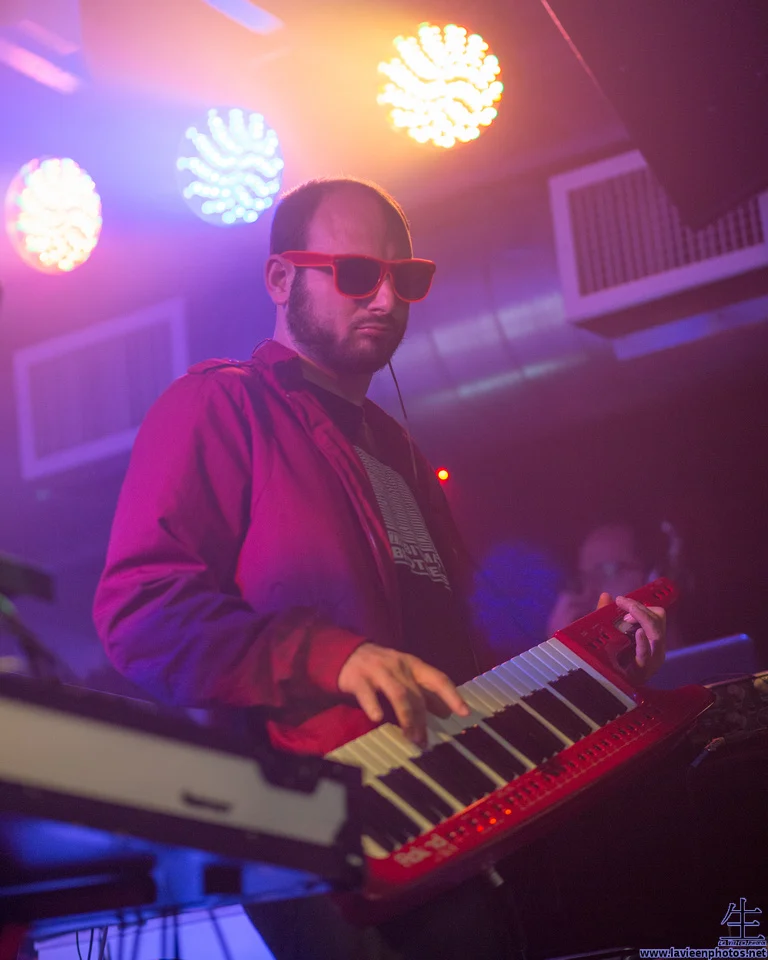
Chalid Lutfie
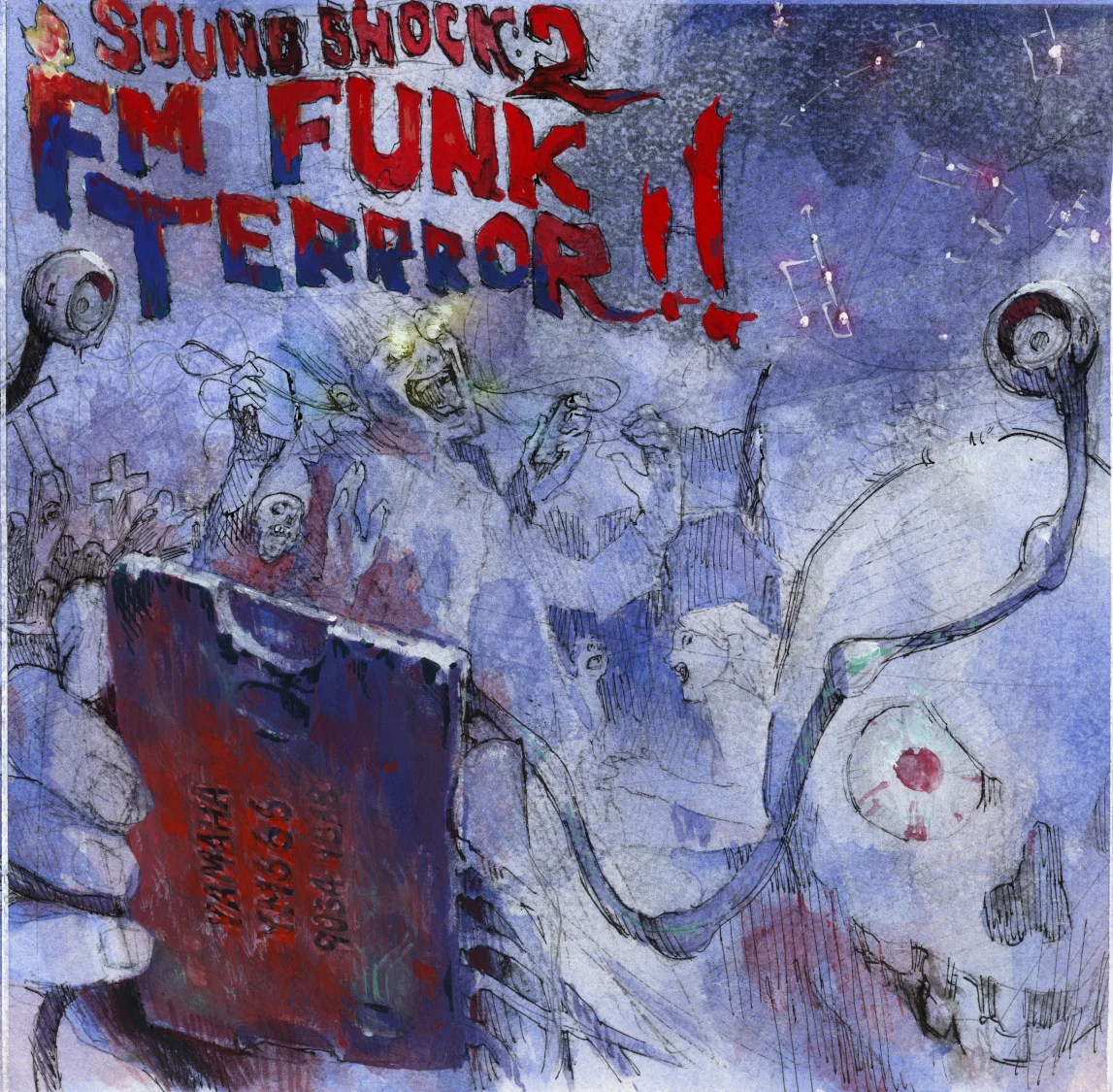
The SOUNDSHOCK series stands as a definitive cornerstone in the evolution of modern chiptune, representing more than just a sequence of compilation albums; it is a historical bridge connecting the disparate worlds of Western demoscene culture and the highly specialized Japanese game music aesthetic. What began as a nascent project in 2010 under the creative direction of the composer known as zinger has matured into a global institution, facilitated by the label Ubiktune. By curating a catalog that spans FM synthesis, tracker-based composition, and arcade-inspired soundscapes, the series has served as a cultural exchange program for musicians who once found common ground solely through the shared nomenclature of retro gaming.
The Genesis of a Sonic Movement
The origins of the SOUNDSHOCK project trace back to a collaborative pivot in 2010. During this period, the artist C-jeff, founder of the prominent chiptune label Ubiktune, approached zinger with the intention of commissioning a solo album. However, the proposal took a different trajectory. Zinger, deeply embedded in the tracker and demo music scene, identified a broader potential for a multi-artist compilation that could synthesize the diverse influences of 1990s console gaming and high-fidelity FM hardware.
This conceptual shift was rooted in zinger’s formative experiences with Sega Mega Drive titles such as Golden Axe II and Sonic the Hedgehog. These early interactions with synthesized audio hardware triggered a lifelong obsession that evolved from casual gameplay into the technical mastery of tracker software and hardware-based FM synthesis. By the time the project reached its first official milestone, zinger had spent 15 years cultivating an extensive collection of arcade hardware and obscure Japanese computer systems, effectively positioning the project as an exercise in sonic preservation and aesthetic exploration.
Chronology of the SOUNDSHOCK Series
The progression of the SOUNDSHOCK series can be viewed as a timeline of increasing global connectivity within the chiptune community:
- 2010: The initial collaboration between zinger and C-jeff establishes the framework for a compilation series that would prioritize technical depth and thematic cohesion.
- 2011–2014: The series establishes its identity, bringing together composers from the Western demoscene and Japanese game music circles. This period marks the professionalization of the project, with formal distribution through Ubiktune.
- 2015–2018: The community expands, seeing the inclusion of established figures like Keishi Yonao and hally, effectively bridging the cultural gap between Japanese game centers and European computer culture.
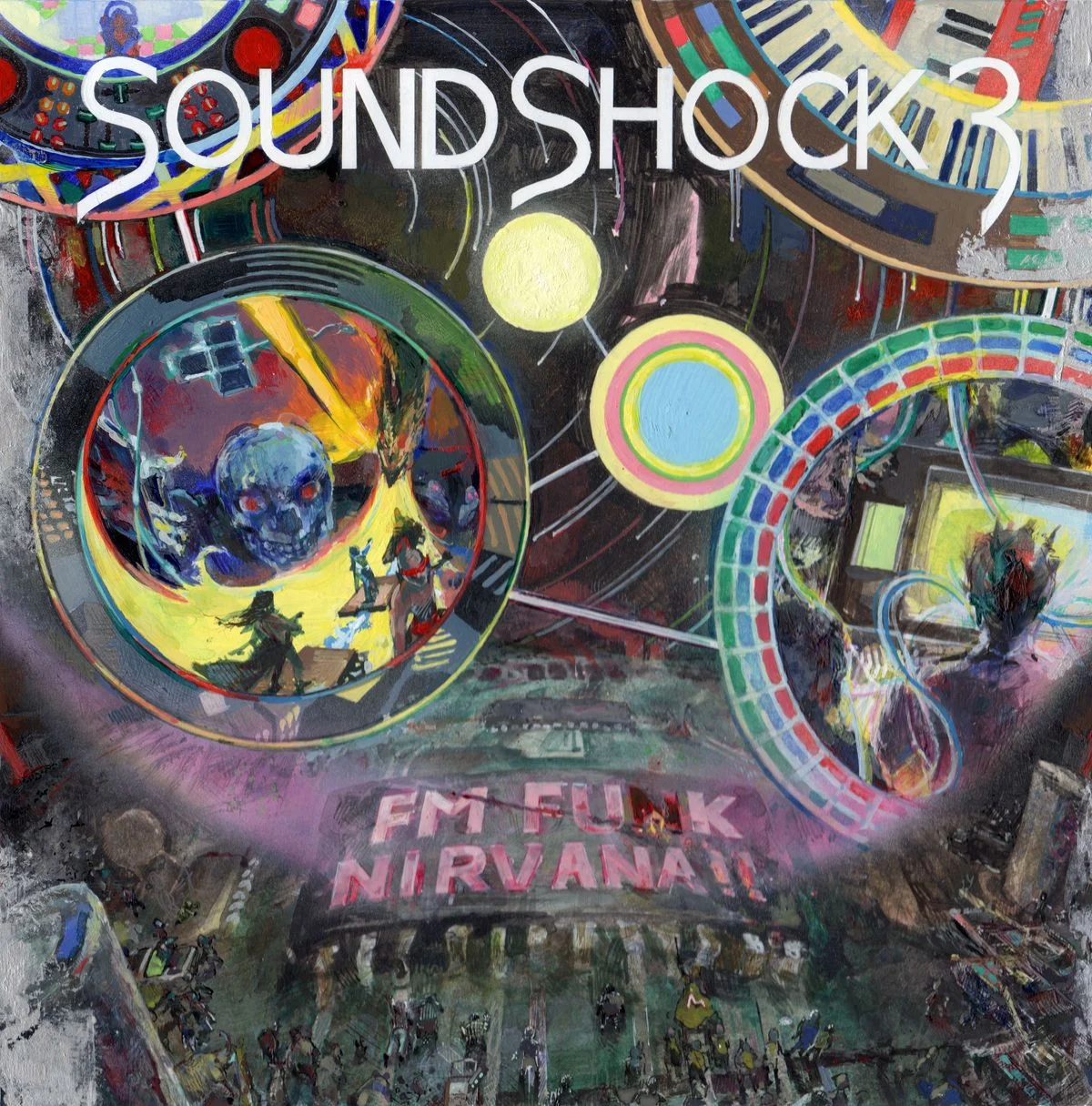
- 2019–Present: The release of SOUNDSHOCK 3: FM FUNK NIRVANA!! signifies the culmination of a decade-long effort to standardize high-quality FM synthesis as a contemporary musical genre rather than a mere nostalgic pursuit.
Bridging Cultures: The Role of Collaborative Community
One of the most significant aspects of the SOUNDSHOCK project is its role as a cross-cultural facilitator. In the early stages of the project, language barriers often prevented deep collaboration between Japanese and Western composers. Participants like Ryu Takami and hex125 frequently relied on the "common language" of game titles and composer names to bridge the gap.
This non-verbal exchange proved to be a catalyst for deeper creative work. The project successfully facilitated meetings between individuals who had spent years observing each other’s respective scenes from across the globe. For example, the fascination that Western composers held for Japanese arcade culture was mirrored by the interest that Japanese artists like Keishi Yonao had in Western home computer culture—a symbiotic fascination that the SOUNDSHOCK project effectively capitalized on. By placing artists such as shogun and Utabi alongside Western peers like zabutom and Metal on a single tracklist, the series successfully argued that these two musical traditions were, in fact, two sides of the same coin.
Technical Foundations and FM Synthesis
At the technical heart of the SOUNDSHOCK series is a dedication to FM (Frequency Modulation) synthesis. FM synthesis, which became the industry standard in the 1980s and early 1990s through hardware like the Yamaha YM2612 (found in the Mega Drive/Genesis), remains a preferred medium for many in the chiptune community due to its complex, metallic, and highly expressive tonal qualities.
The series has played an instrumental role in documenting the resurgence of interest in these hardware limitations. By providing a platform for composers to push the boundaries of these chips, the SOUNDSHOCK project has acted as an informal research and development lab. This work has not only preserved the sonic signature of the late 20th century but has also pushed the hardware into new musical territories—specifically the "FM Funk" sound championed in the third installment of the series.
Institutional Support and Industry Impact
The success of the series is inextricably linked to the infrastructure provided by Ubiktune. Under C-jeff’s leadership, the label has provided a professional home for independent digital music, ensuring that compilation projects receive the necessary distribution and promotion to reach a global audience.
Industry analysis of the chiptune sector indicates that compilation series like SOUNDSHOCK have been vital in legitimizing the genre. By transitioning from amateur, forum-based distribution to curated, label-backed releases, these projects have created a sustainable ecosystem for artists. The collaborative nature of these albums has also allowed for a "knowledge transfer" between generations, where veteran composers like hally have mentored and influenced younger artists, ensuring the continuity of specific synthesis techniques.
Official Acknowledgments and Future Implications
The creative team behind the series has consistently emphasized that the project’s success is a collective achievement. In recent statements, project leaders highlighted the contributions of individuals such as Tsuyoshi Shimokura, Megus, Rufus Blacklock, and MmcM, noting that the depth and quality of the musical contributions have consistently exceeded initial expectations.
Furthermore, the influence of researchers and community figures like hally, who provided critical introductions to the Japanese chiptune circuit, cannot be overstated. This networking effort effectively transformed SOUNDSHOCK from a localized project into a global standard-bearer for the genre.
Looking forward, the implications of the SOUNDSHOCK series are twofold. First, it establishes a high-water mark for future compilation projects, emphasizing the importance of thematic unity and high technical standards. Second, it serves as a testament to the power of digital-age community building. Despite the niche nature of their interests, the individuals involved in SOUNDSHOCK have managed to cultivate a vibrant, sustainable, and highly respected creative community.
Conclusion
As the series continues to evolve, the impact of its foundational work remains evident in the current landscape of independent electronic music. By fostering an environment where technical obsession is paired with artistic collaboration, SOUNDSHOCK has effectively validated the legitimacy of chiptune as a serious form of contemporary expression. Whether through the preservation of classic synthesis techniques or the facilitation of cross-continental musical dialogue, the project remains a primary case study in how digital subcultures can mature into influential global movements. The release of FM FUNK NIRVANA!! marks not an end, but a transition into a new phase of exploration, confirming that the fascination with these digital worlds is far from waning.