Chalid Lutfie
The Evolution of a Soundscape
The conceptual roots of The Frequency Modulators Orchestra, Vol. 1 can be traced back to 2014, during the production of YTCracker’s cyberpunk-focused album Introducing Neals. During the composition of the track "Feel Like Leisure Suit Larry," Irming experienced a creative resurgence regarding the capabilities of FM synthesis. While the primary focus of that project remained rooted in synthwave, the rhythmic potential of FM chips—specifically their capacity for percussive, zany, and complex harmonic interplay—sparked an idea for a larger, more ambitious endeavor.
By 2015, following the release of his solo album Blue Bots Dots and the composition of the track "Funky Mustache," the vision for a dedicated FM-centric album crystallized. Irming spent the subsequent ten months in a rigorous creative cycle, aiming to resolve what he describes as an inherent paradox: using the "coldest" method of digital synthesis to manifest the "warmest" genre of music.

A Career Built on the Demoscene
To understand the technical precision behind this album, one must look at Irming’s foundational history in the European demoscene. In the late 1980s, the demoscene served as the primary breeding ground for computer music composers, where artists were forced to squeeze high-fidelity sound out of the severely limited memory and processing power of machines like the Atari ST. As a member of the acclaimed crew SYNC, Irming built a reputation for excellence in technical composition, frequently placing at the top of competitive demo music contests.
This background in constraints proved vital for his career trajectory. Following his formal training at the Musicians Institute in the early 1990s, Irming transitioned into professional soundtrack composition, sound design for video games, and collaborative production. His portfolio includes contributions to projects such as Power Drive 2000 and VirtuaVerse. Furthermore, his work has appeared on ten LPs, placing him alongside prominent figures in the modern synthwave scene, including Mitch Murder, Lazerhawk, and GUNSHIP. This history of industry collaboration provided the necessary experience to bridge the gap between niche chiptune culture and the high-production standards required for a mainstream jazz-fusion record.
The Technical Anatomy of the Album
The production process for The Frequency Modulators Orchestra, Vol. 1 was characterized by a heavy reliance on improvisation, a hallmark of the jazz tradition. Unlike many electronic records, which are constructed through meticulous step-sequencing and MIDI editing, Irming opted for live performance on the keyboard. This choice was intended to preserve the "spontaneous and in-the-moment" nature of jazz, ensuring that the FM synthesizers behaved not as static oscillators, but as active, breathing instruments.
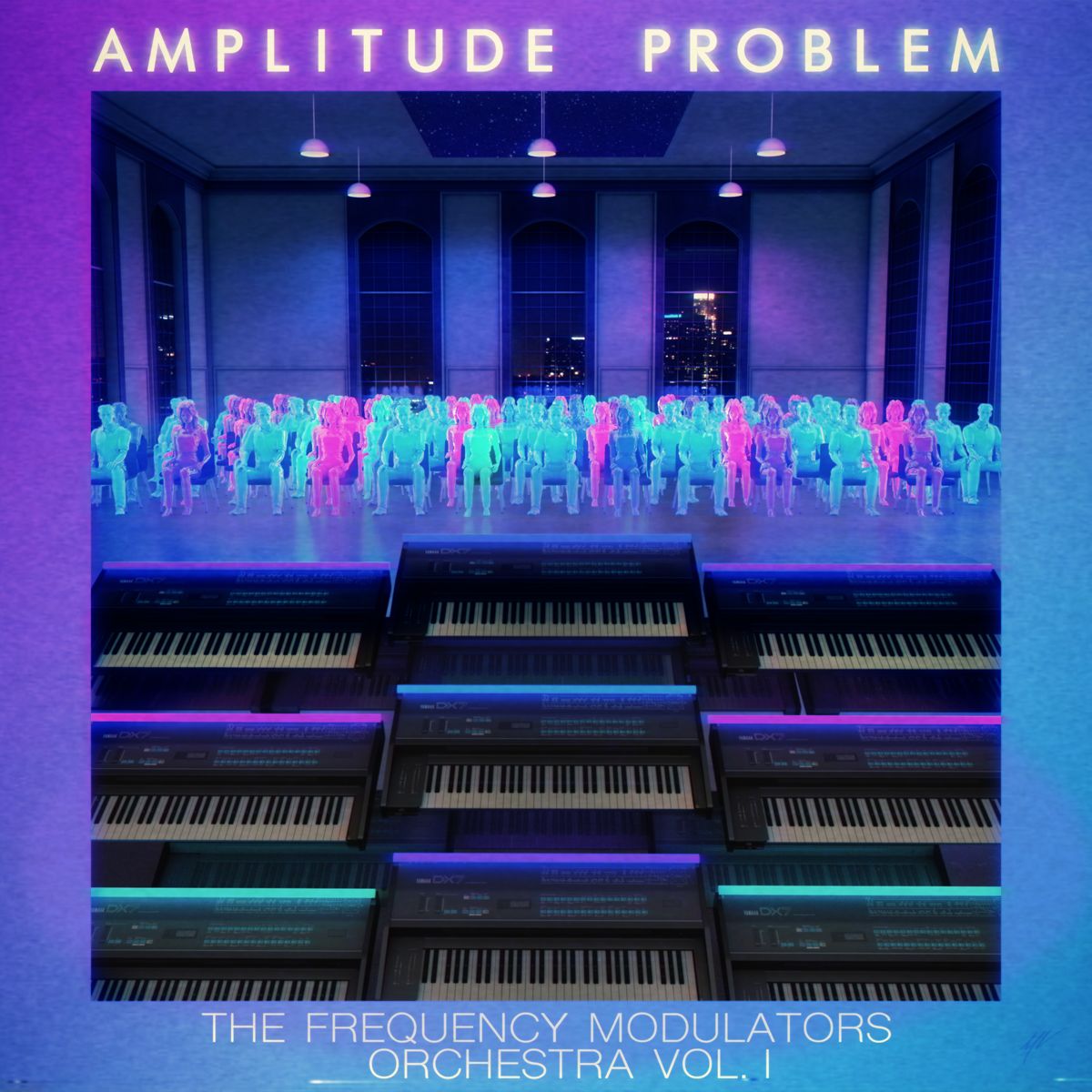
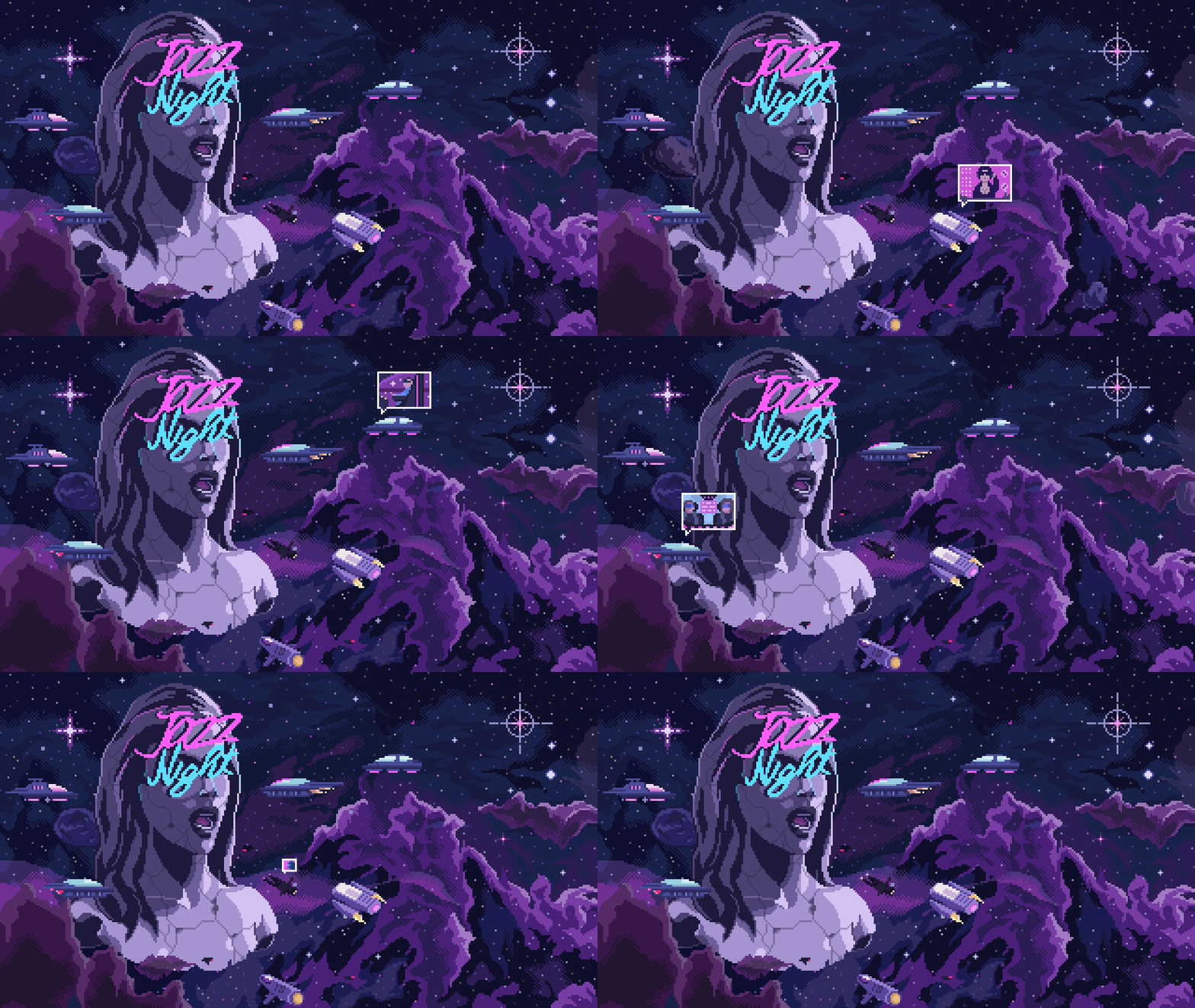
The album features distinct contributions from visual artists, including Mythical Vigilante, who provided the primary cover art, and Valenberg, who created the "Jazz Night" pixel-art animation. The involvement of these artists emphasizes the album’s commitment to a specific aesthetic narrative: a "pixelated rabbit hole" that blends the visual language of 1980s computing with the sonic language of late-night jazz clubs.
Crucially, the sonic integrity of the project was solidified through the involvement of Grammy Award-winning mastering engineer Don Grossinger. Known for his work with legendary jazz artists like Miles Davis, Grossinger’s role was to ensure that the FM textures—which can often be harsh or overly clinical—were balanced to meet the expectations of discerning jazz listeners. This collaboration represents a significant intersection between digital chiptune subcultures and traditional industry standards for high-fidelity audio.
Narrative Depth and Thematic Structure
Irming has characterized the album as a deeply personal project, noting that the sequence of the tracks follows a deliberate narrative arc. The first four songs are designed as an introspective journey, while the final three compositions offer a broader, more existential commentary on the nature of the universe. According to Irming, the decision to produce an all-instrumental record removed the "crutch" of lyrical explanation, forcing the music itself to carry the weight of the intended emotional message.

The title itself—The Frequency Modulators Orchestra—reflects a conceptual framework where the various FM instruments are treated as individual members of a jazz ensemble. By granting each instrument the "privilege to improvise," Irming effectively creates a virtual band that exists entirely within the digital architecture of his studio. This approach allows for tracks such as "Ghosts in My Medicine Cabinet," which demands a level of conviction and stylistic fearlessness that traditional genre-bound producers might avoid.
Industry Implications and Broader Impact
The release of this album highlights a growing trend in the music industry: the reclamation and repurposing of "legacy" digital hardware for high-art applications. Historically, FM synthesis was dismissed by purists as a "digital novelty" when compared to analog subtractive synthesis. However, by treating FM synthesis as a viable tool for jazz composition, Amplitude Problem challenges the hierarchy of synthesis methods.
From a commercial perspective, the album’s distribution across all major streaming services and digital retail platforms signals a maturation of the synthwave and chiptune subgenres. As these artists move away from purely nostalgia-based composition and toward experimental fusion, they invite a wider audience to engage with the technical history of early computer sound.
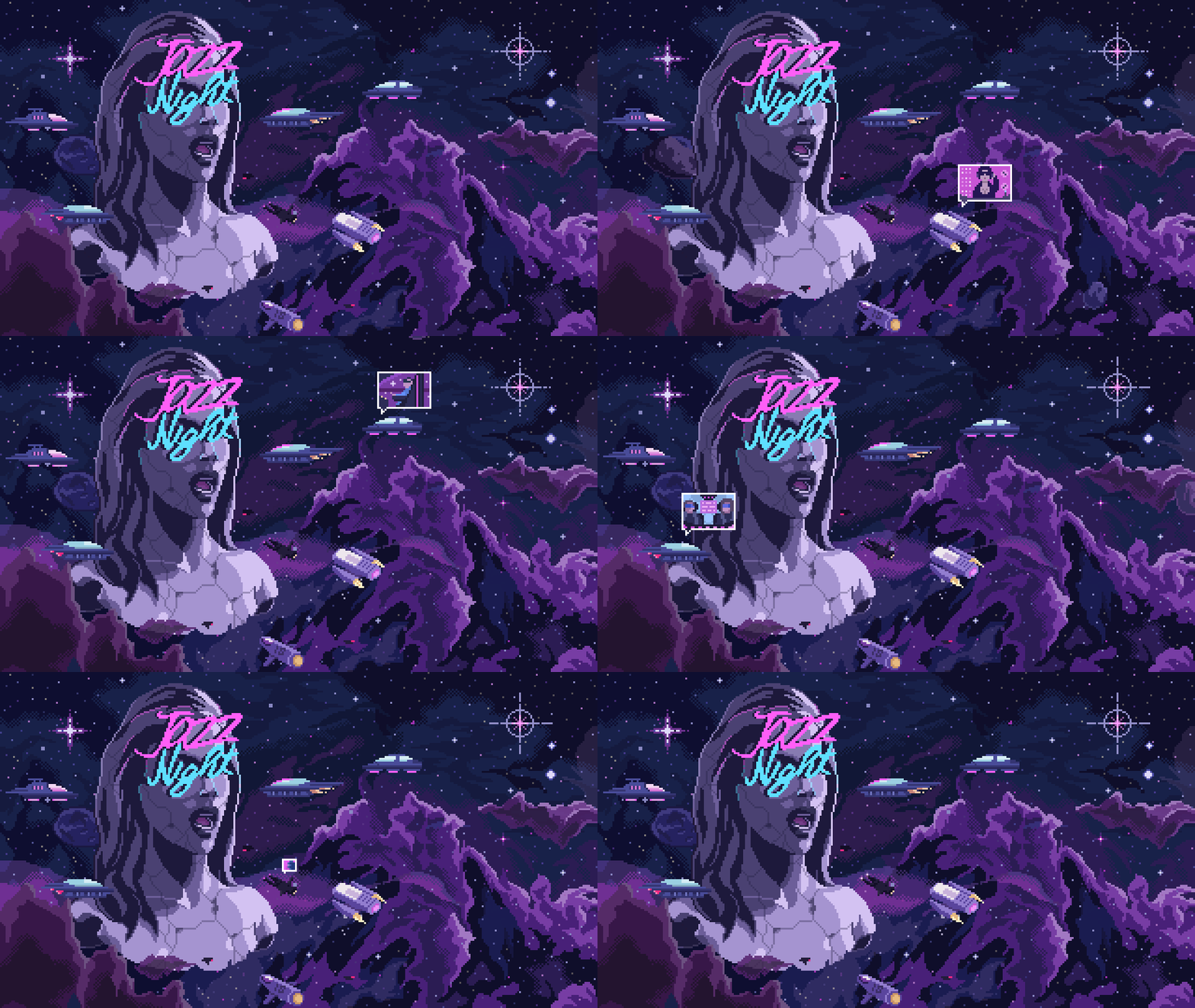
Furthermore, the project sets a precedent for cross-disciplinary collaboration. By pairing pixel art with professional-grade audio mastering and jazz-theory composition, the album functions as a cohesive multimedia artifact. It serves as a case study for how independent producers can leverage historical hardware—and the cultural memory associated with it—to create something that feels entirely contemporary.
Chronological Milestones
- Late 1980s: Juan Irming begins his career as a composer for the Atari ST demo crew SYNC.
- Early 1990s: Irming enrolls in the Musicians Institute, expanding his expertise into formal composition and production.
- 2014: During the production of YTCracker’s Introducing Neals, the initial spark for a jazz-influenced FM project occurs.
- 2015: Blue Bots Dots is released; the concept for an all-FM jazz album is solidified.
- 2016: A ten-month production cycle commences, focusing on improvisational recording and technical sound design.
- April 25, 2017: The Frequency Modulators Orchestra, Vol. 1 is released globally via Ubiktune.
Conclusion
As of its release in April 2017, The Frequency Modulators Orchestra, Vol. 1 stands as a testament to the versatility of digital synthesis. By treating the limitations of FM technology not as barriers, but as the foundation for a "synth-funk soundtrack to your brain," Amplitude Problem has successfully translated the improvisational spirit of jazz into the digital age. Whether analyzed through the lens of electronic music history or the evolving standards of modern jazz, the project represents a significant, meticulously crafted entry in the career of Juan Irming, reinforcing the potential for "cold" technology to evoke a profound, "human" response.