Chalid Lutfie
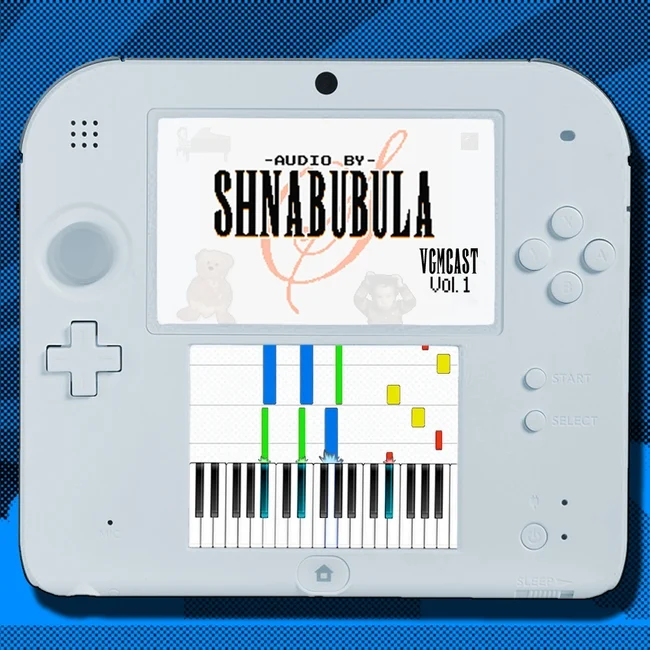
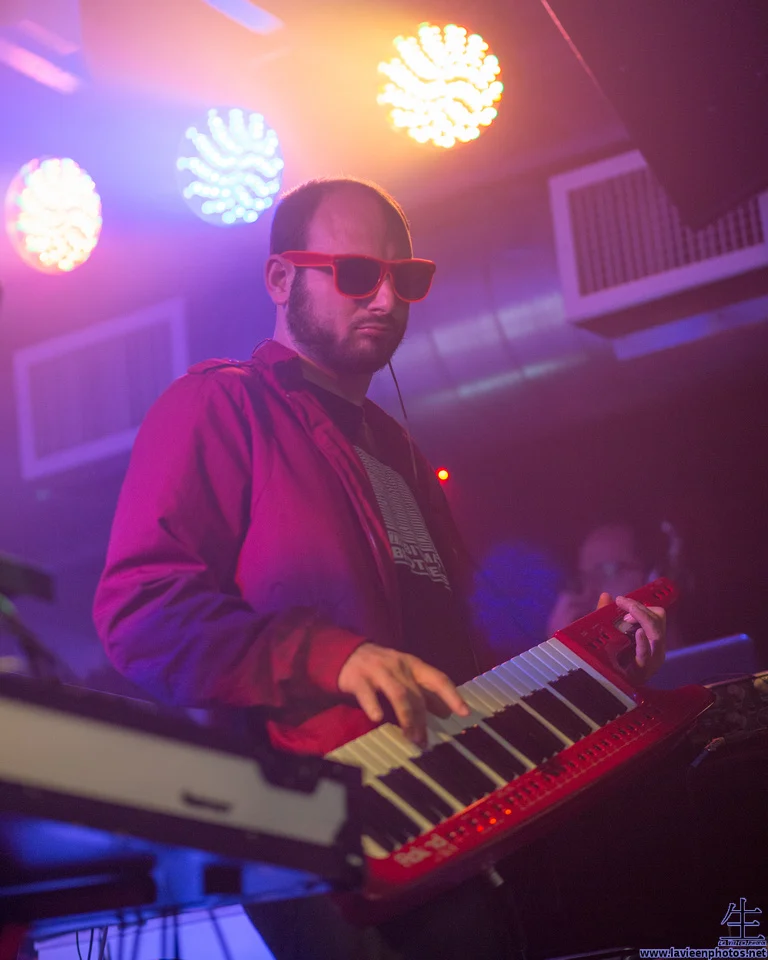
The musician and performer widely known as Shnabubula has officially inaugurated a rigorous, real-time pedagogical and performance experiment that challenges the traditional boundaries of live musical streaming. Beginning in mid-May 2015, the project—centered on the Hitbox streaming platform—seeks to bridge the gap between audience engagement and spontaneous technical mastery. By committing to an eight-and-a-half-hour learning session every Friday, followed by a curated performance every Sunday, the artist has created a feedback loop that tests the limits of rapid repertoire acquisition while providing viewers with a transparent look at the mechanics of musical arrangement.
The Operational Framework of the Project
The initiative operates on a strict, bi-weekly cadence designed to maximize both productivity and audience participation. Every Friday, between the hours of 12:00 PM and 8:30 PM EST, Shnabubula hosts a live broadcast dedicated exclusively to the ingestion of new material. During these sessions, the performer accepts audience requests, often spanning diverse genres and complexity levels, and proceeds to transcribe, arrange, and rehearse these pieces in real-time. This process offers a raw, unfiltered look at the creative labor involved in musical interpretation, stripping away the polished veneer of pre-recorded studio content.
Two days later, on Sunday at 4:00 PM EST, the cycle culminates in a formal performance. This secondary stream serves as a showcase for the material learned during the previous Friday’s marathon session. By establishing this clear separation between the "learning phase" and the "performance phase," the artist provides a quantifiable metric for his progress. The transition from raw, tentative discovery to finalized execution allows the audience to witness the iterative refinement of musical performance, a process rarely documented with such consistent transparency in the digital age.
Chronological Context and Technical Methodology
The launch of this project in May 2015 arrives at a pivotal moment in the evolution of digital content creation. As streaming platforms began to shift away from purely gaming-centric content toward creative and educational pursuits, figures like Shnabubula emerged as early adopters of the "live-learning" format. This methodology relies on a combination of ear training, rapid sight-reading, and improvisation.
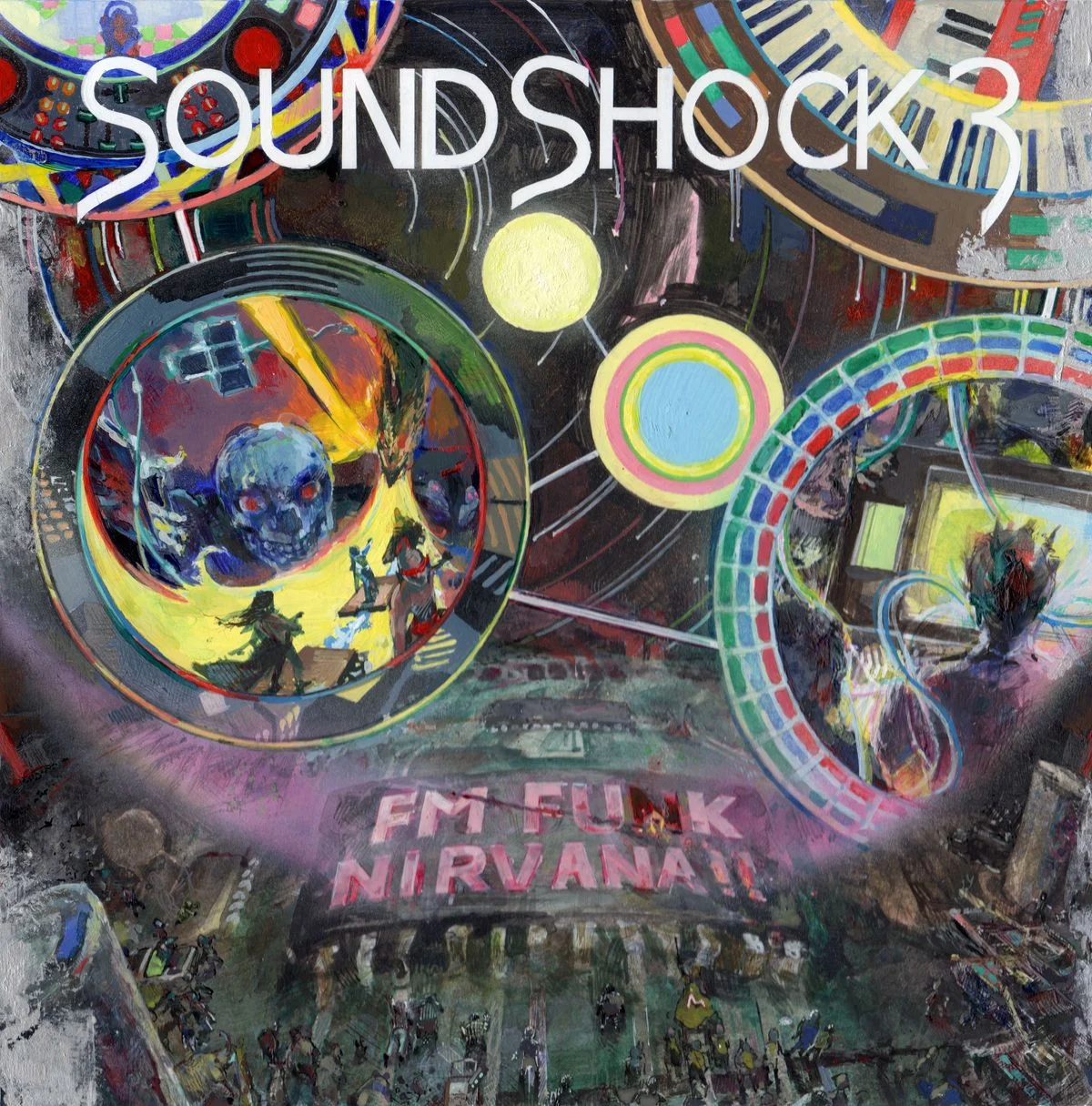
In the debut cycle of this project, the performer successfully integrated 14 distinct songs into his repertoire within a single eight-hour window. The performance recording of these tracks—ranging from complex VGM (Video Game Music) themes to eclectic cover arrangements—serves as a primary document of the initiative’s feasibility. The archival of these performances into a downloadable album format further underscores the goal of this project: the creation of a growing, accessible library of music generated through a community-driven, crowdsourced curriculum.
Analysis of Audience-Driven Musical Development
The integration of audience requests into a live-learning environment introduces a high degree of volatility into the performer’s workload. Unlike a traditional concert tour or studio project, where setlists are meticulously curated months in advance, this project relies on the unpredictable nature of viewer input. From an analytical perspective, this creates an environment of "high-stakes improvisation."
The performer must navigate the technical demands of varying musical keys, tempos, and stylistic nuances on the fly. This requires not only a high level of technical proficiency on his primary instrument—typically the piano or synthesizer—but also an advanced understanding of music theory. The pedagogical benefit to the audience is significant; viewers are not merely consumers of the final product but are participants in the education process, observing how a professional musician tackles unfamiliar melodic lines and harmonic structures.
Implications for Live Streaming Platforms
The adoption of the Hitbox platform—a competitor to the then-dominant Twitch—for this project reflects a strategic choice regarding audience interaction. Hitbox was known at the time for its lower latency and its emphasis on interactive features, which were essential for the rapid-fire nature of Shnabubula’s request system.
The success of this endeavor suggests a broader trend in the creator economy: the shift from "broadcast-style" content to "community-cooperative" content. In this model, the value proposition for the viewer is not just the high-fidelity performance, but the narrative of the performer’s struggle and success. The initiative acts as a case study for how artists can leverage streaming technology to maintain a sustainable, high-volume output while simultaneously fostering a dedicated community of followers who feel invested in the artist’s skill acquisition.
Professional Perspectives and Industry Impact
While official statements from the platform representatives remain sparse, industry analysts have noted that creators who utilize these "marathon" formats often see higher viewer retention rates. The sustained duration of the Friday sessions—spanning over eight hours—functions as an "always-on" companion for viewers, turning the performance into a lifestyle-integrated experience rather than a one-off event.
Furthermore, the democratization of the request process implies a changing power dynamic between the artist and the audience. By allowing the audience to dictate the curriculum, the performer effectively relinquishes total creative control in exchange for increased engagement and audience loyalty. This trade-off is increasingly common in the modern digital landscape, where the depth of the parasocial relationship between creator and fan is often as valuable as the technical quality of the output itself.
Future Projections and Scalability
Looking ahead, the sustainability of such an intensive schedule remains a subject of professional interest. Maintaining an eight-hour learning session followed by a weekend performance requires significant mental and physical stamina. The potential for creative burnout is a documented risk for creators operating on such high-frequency release cycles. However, should the model prove scalable, it could serve as a blueprint for music conservatories and independent musicians alike to utilize digital tools to bridge the gap between formal education and public performance.
The archival of the 14-song setlist, now available for public consumption, serves as a tangible metric for the project’s success. By providing these recordings, the artist ensures that the effort expended during the live sessions retains a lasting, archival value. This synthesis of live performance and recorded distribution creates a hybrid media product that satisfies the immediate demand for interaction while building a long-term catalog of original arrangements.
Concluding Observations
The project initiated by Shnabubula represents more than a mere showcase of musical talent; it is a rigorous experiment in real-time professional development. By exposing the labor, the frustration, and the eventual triumph of musical performance to a live audience, the artist has tapped into the growing appetite for "process-oriented" content. As streaming technologies continue to evolve, the methodologies established in this project—specifically the synthesis of crowd-sourced requests, live-learning sessions, and high-frequency performance—provide a compelling framework for the future of interactive digital performance. Whether this specific format can be replicated across other disciplines remains to be seen, but its success in the realm of VGM and piano performance underscores a significant shift in how audiences value and consume musical artistry in the digital age. The commitment to such a rigorous schedule—12:00 PM to 8:30 PM on Fridays, followed by a Sunday showcase—is a testament to the evolving expectations placed upon digital creators, who are now expected to be not only performers but also educators, curators, and community facilitators. As the project continues to unfold, its impact on both the artist’s technical repertoire and the audience’s appreciation for musical complexity will likely serve as a foundational study for future digital performance initiatives.